Best Rods and Reels for Tennessee Fishing
It's a familiar scenario for any angler, especially here in Tennessee: you walk into a tackle shop, or browse online, and you're immediately overwhelmed. Rods of every length, power, and action; reels that spin, baitcast, or spincast; a dizzying array of choices that makes you wonder if you'll ever pick the "right" one. This guide is here to demystify the world of fishing rods and reels, helping you confidently select the best gear for chasing all the incredible species found across our beautiful state.
Understanding Rod and Reel Basics for Tennessee Anglers
Before we dive into specific recommendations, let's get a solid grasp on the fundamental components of your fishing setup. Think of your rod and reel as a team, working in tandem to cast your line, present your bait, feel those subtle bites, and ultimately, bring that fish to the bank or boat. Understanding their individual characteristics and how they interact is the first step to becoming a more effective and confident angler on Tennessee waters. It's not just about having a rod and reel, it's about having the right rod and reel for the job.
Rod Action, Power, and Length: Why it Matters
The rod isn't just a stick to cast with; it's a finely tuned instrument. Three key characteristics dictate how a rod performs: action, power, and length.
- Action refers to where on the rod it bends. A "fast" action rod bends mostly near the tip, offering excellent sensitivity for detecting light bites and quick hook sets. This is often preferred for techniques requiring precise lure manipulation. A "moderate" or "slow" action rod bends closer to the middle or even throughout the blank, providing more give. This can be fantastic for casting lighter baits further and for fighting larger, harder-pulling fish, as the rod acts as more of a shock absorber, helping to prevent hooks from tearing out.
- Power, sometimes called "weight," describes the rod's lifting strength or resistance to bending. You'll see terms like ultralight, light, medium, medium-heavy, and heavy. An ultralight rod is perfect for tiny lures and detecting the most delicate bites from panfish, while a heavy rod is built to muscle in big catfish or strong striped bass. Matching the rod's power to the size of fish you're targeting and the weight of your lure is crucial for optimal performance and preventing breakage.
- Length is pretty straightforward but has a big impact. Longer rods generally cast further and allow for more line control, which can be an advantage when fishing large reservoirs or rivers. Shorter rods offer more accuracy for close-quarters casting and are often preferred for kayak fishing or in heavily vegetated areas. For example, a 7-foot medium-heavy rod is a versatile choice for many bass fishing scenarios, while a 5-foot ultralight might be ideal for targeting trout in small mountain streams. Considering the environment you'll be fishing in is just as important as the fish you're after.
Reel Types: Spinning, Baitcasting, and Spincasting for Tennessee
Just like rods, reels come in different styles, each with its strengths and ideal applications.
- Spinning reels are arguably the most popular and versatile choice, especially for beginners. The spool remains stationary during the cast, and line peels off easily, making them excellent for throwing lighter lures and baits. They're very forgiving when it comes to backlashes and are generally easier to learn. For most general-purpose fishing in Tennessee, whether you're chasing crappie in a local pond or bass on a large lake, a good spinning reel paired with a matching rod is a fantastic option. They excel in situations where you might be using lighter line or needing to cast without a lot of weight.
- Baitcasting reels are a step up in terms of control and power, often favored by more experienced anglers, particularly for bass fishing. With a baitcaster, the spool rotates as the line goes out, allowing for greater casting accuracy and the ability to handle heavier lines and lures. They offer more direct contact with your bait, which can enhance sensitivity. However, they come with a steeper learning curve, as improper thumb control during a cast can lead to the dreaded "bird's nest" backlash. For punching through heavy cover for largemouth or throwing big swimbaits, a baitcaster's power and precision are hard to beat.
- Spincasting reels are the most beginner-friendly of the bunch, often found on kids' fishing combos. They combine some of the ease of a spinning reel with a simpler push-button casting mechanism. The line is enclosed under a cone, which helps prevent tangles. While they don't offer the same casting distance or line capacity as spinning or baitcasting reels, they are perfect for introducing new anglers to the sport, especially for casual panfishing or fishing with live bait in smaller bodies of water. If you're planning a family outing to one of Tennessee's many kid-friendly fishing spots, a spincasting setup can make the experience much more enjoyable and less frustrating for the little ones.
Line Weight and Rod/Reel Matching: The Perfect Harmony
Think of your fishing line as the bridge between your rod, reel, and the fish. Each rod and reel is designed to perform optimally with a specific range of line weights, and ignoring these recommendations can lead to poor casting, reduced sensitivity, or even damaged gear.
- Every rod will have a recommended line weight range printed on its blank (e.g., 6-12 lb test). This indicates the breaking strength of the line that the rod is designed to handle effectively. Using line that's too light can cause it to break prematurely on hooksets or during a fight, while line that's too heavy can make casting difficult and overload the rod's sensitivity.
- Similarly, reels have a maximum line capacity and often a recommended line weight. A spinning reel designed for 8-pound test line might struggle and perform poorly if spooled with 20-pound braided line. Matching the line to the reel's capacity and the rod's recommendations ensures smooth casting, proper drag function, and the right amount of sensitivity. If you're targeting small crappie, a lightweight setup with 4-6 lb monofilament or braid will give you the best feel, while heavy catfishing requires much stronger line, like 30-50 lb mono or braid, to handle those powerful runs. The goal is to create a balanced system where every component complements the others, allowing you to cast effortlessly, feel every subtle bump, and confidently battle your catch. It’s all about creating harmony in your setup, from the tip of the rod to the last foot of line.
Rods and Reels for Tennessee's Popular Bass Species
Tennessee is a bass angler's paradise, boasting incredible populations of largemouth, smallmouth, and spotted bass in its lakes and rivers. Each species, and the environments they inhabit, often calls for slightly different approaches and, consequently, different gear. While some rods and reels offer versatility, optimizing your setup for a specific bass type can dramatically improve your success rate. Understanding these nuances is key to truly unlocking the potential of our waters, whether you're on a massive reservoir like Chickamauga Lake or a rocky smallmouth river. Tennessee Bass Fishing Seasons and Patterns can give you even more insights into when and how these fish behave throughout the year.
Largemouth Bass Gear: Power and Sensitivity for Reservoir Giants
Largemouth bass are the kings of many Tennessee reservoirs, often lurking in heavy cover like submerged timber, weed beds, and dock pilings. Catching these formidable fish requires a balance of power to extract them from cover and sensitivity to detect their often subtle strikes.
- For rods, medium-heavy to heavy power with a fast action is typically preferred. A 6'6" to 7'6" rod will offer excellent casting distance for covering water and enough backbone to handle a powerful hookset and steer a big bass away from snags. Longer rods, like 7'3" or 7'6", are especially great for pitching and flipping jigs into tight spots or for making long casts with crankbaits. The fast action tip allows you to feel grass, structure, and those light bites, while the robust mid-section gives you the leverage to control the fight. Many anglers carry multiple largemouth setups to cover different techniques, from Texas rigs to topwater.
- When it comes to reels, baitcasting reels are the undisputed champions for serious largemouth anglers. Look for models with a gear ratio between 6.4:1 and 7.5:1 for all-around versatility. Lower ratios (e.g., 5.x:1) are excellent for slower presentations like deep-diving crankbaits, providing more torque. Higher ratios (e.g., 8.x:1) are perfect for quickly taking up slack and for techniques where you need to retrieve line rapidly, like frogging over mats. A smooth, reliable drag system is paramount to prevent line breakage during explosive runs. For line, 15-20 lb fluorocarbon or 30-50 lb braided line is common, depending on the cover and technique. You can find excellent options for these setups at retailers like Bass Pro Shops, which often have dedicated sections for bass fishing gear. Largemouth Bass Identification Tips for Tennessee Anglers can help you confirm your catch is indeed a largemouth.
Smallmouth Bass Gear: Finesse and Fight on Rivers and Lakes
Smallmouth bass, Tennessee's official state fish, are known for their aggressive strikes and acrobatic fights, especially in the clear, rocky waters of rivers and deep, clean lakes like Dale Hollow. They often require a more finesse-oriented approach than their largemouth cousins.
- Medium-light to medium power rods with a fast to extra-fast action are ideal for smallmouth. A rod in the 6'6" to 7' range offers a great balance of casting accuracy and sensitivity. The fast tip is crucial for detecting the often subtle "thump" of a smallmouth bite, particularly when fishing jigs or drop shots in deeper water. For river fishing, a slightly shorter rod can be easier to manage around bankside obstructions. A longer, softer rod might be preferred for throwing small crankbaits or topwater lures on open lake stretches, allowing the fish to engulf the bait without resistance.
- For reels, spinning reels often take center stage for smallmouth fishing. Their ability to cast light lures with ease makes them perfect for presenting tubes, finesse jigs, or small grubs. A 2000 or 2500 series spinning reel with a smooth drag is a great choice. Pair it with 6-10 lb fluorocarbon or braided line with a fluorocarbon leader for maximum sensitivity and invisibility in clear water. While baitcasters can be used, many anglers opt for spinning gear to achieve the necessary casting distance and precise presentations with lighter baits that smallmouth frequently prefer. Smallmouth Bass: Tennessee's Official State Fish provides more background on this beloved species.
Spotted Bass Gear: Versatility for Mixed Techniques
Spotted bass, sometimes mistaken for smallmouth or even juvenile largemouth, are incredibly abundant in many Tennessee reservoirs and offer a fantastic fight, often out-pulling similarly sized largemouth. They frequently inhabit similar areas to largemouth but can also be found deeper and in more open water.
- For rods, a medium power with a fast action is a great all-around choice for spotted bass. A 6'9" to 7' rod length provides enough versatility for various techniques, from throwing shaky heads and dropshots to small crankbaits and topwater lures. The fast action allows for sensitive bite detection and quick hook sets, which is important as spotted bass can be notorious for short-striking. If you often find yourself fishing for both largemouth and spotted bass, a medium-heavy rod can often serve double duty, though you might sacrifice some finesse.
- Both spinning and baitcasting reels have their place in spotted bass fishing, depending on the technique. For lighter finesse presentations, a 2000 or 2500 series spinning reel with 8-10 lb fluorocarbon or braided line with a leader is highly effective. If you're throwing larger baits, like jigs or medium-sized crankbaits, a baitcasting reel with a versatile gear ratio (around 7.0:1) spooled with 12-17 lb fluorocarbon can provide the power and accuracy you need. Spotted bass are less picky about line visibility than smallmouth, so you can often get away with slightly heavier line, which is a bonus when they decide to dive into submerged brush. Their aggressive nature means you'll want a reliable drag system on whatever reel you choose.
Crappie and Panfish Gear: Light Tackle for Delicious Catches
There’s nothing quite like a mess of fresh crappie or panfish for dinner, and Tennessee's waters are absolutely brimming with them. From the sprawling depths of Kentucky Lake to the quiet corners of local ponds, crappie and various panfish like bluegill offer accessible and incredibly fun fishing for anglers of all ages and skill levels. However, their light bites and delicate mouths often demand a different approach to your tackle. Going too heavy can lead to missed fish and less enjoyment; finesse is truly the name of the game here.
Crappie Rods and Reels: Sensitivity for Light Bites
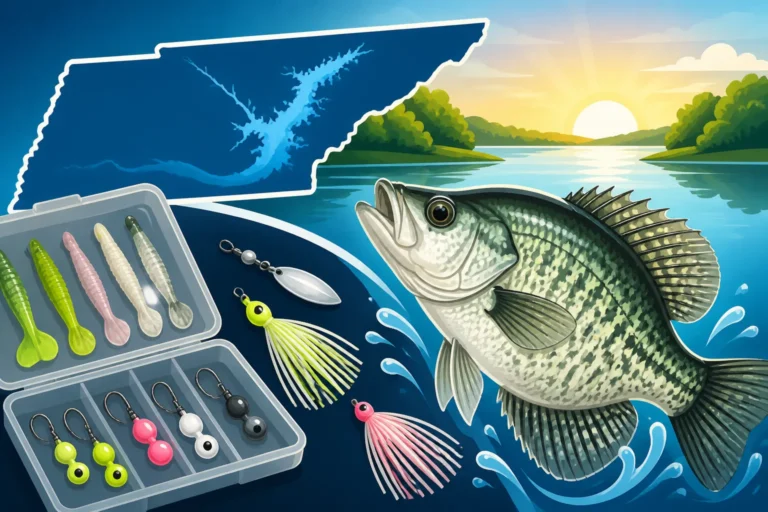
Crappie are notoriously light biters, especially during certain times of the year or in colder water. Feeling that subtle "tick" or just a little pressure change on your line is the difference between a successful hookset and a missed opportunity. This sensitivity drives the choice of rods and reels for these popular fish.
- Light to ultralight power rods with a fast to moderate-fast action are the absolute sweet spot for crappie. You want a rod that's sensitive enough to transmit even the slightest vibration, often with a limber tip that bends easily. Rods specifically designed for crappie fishing are typically 6 to 10 feet long, with longer rods (often called "jigging" or "spider rigging" rods) being popular for vertical presentations or for holding multiple rods from a boat. The longer length helps absorb the shock of a crappie's headshake without tearing the hook out of its papery mouth. For single-pole jigging, a 6'6" or 7' rod offers a good balance of casting ability and sensitivity.
- Spinning reels are the unanimous choice for crappie fishing. A small 500, 1000, or 2000 series spinning reel will be perfectly matched to the light rods and line. Look for a reel with a very smooth drag system, as you'll be using light line (4-6 lb test monofilament or braid) and don't want any hesitation when a crappie surges. A good quality reel will also allow for precise casting of tiny jigs and minnows. Crappie Limits Under Tennessee Fishing Rules explains the regulations for keeping your catch, and Black Crappie Stocking by TWRA in Tennessee offers insight into where these fish are often introduced. This light and sensitive setup makes every little tap on the line a thrilling event.
Panfish Setups: Fun for the Whole Family
Panfish, including bluegill, redear sunfish, and shellcrackers, are often the first fish many of us catch, and for good reason: they're abundant, relatively easy to catch, and provide fantastic action, especially for kids. Their smaller size means you don't need heavy gear, and simplicity is often preferred.
- Ultralight power rods, typically 4 to 6 feet in length, are perfect for panfish. These rods are incredibly sensitive and make even a small bluegill feel like a trophy. A moderate action is often beneficial here, as it allows for a bit more "give" when a panfish bites, helping to prevent the hook from pulling out of their delicate mouths. If you're fishing with children, a short, flexible rod can make casting and handling much easier. A simple telescopic rod can also be a convenient option for quick trips to a local pond or stream.
- For reels, both spincasting and small spinning reels are excellent choices for panfish. For the absolute beginner or young child, a spincasting reel with its push-button ease is hard to beat. Load it with 4-6 lb monofilament line, and you're good to go. For slightly more experienced anglers, a 500 or 1000 series spinning reel offers better casting distance and smoother retrieves. The key is to keep the line light – 2-6 lb test is usually plenty – to maximize sensitivity and allow those tiny baits to present naturally. Bluegill Fishing for Beginners in Tennessee offers even more tips on targeting these feisty little fish. The joy of panfishing comes from the sheer number of bites and the simple pleasure of a bent rod, and ultralight gear amplifies that experience beautifully.
Catfish Rods and Reels: Heavy Duty for River Monsters
When you're chasing catfish in Tennessee, especially the massive blue and flathead species that call our rivers and reservoirs home, you're entering a different league of fishing. These aren't dainty fish; they're powerful, tenacious fighters that can put a serious bend in your rod and strip line from your reel with incredible force. To stand a chance against these whiskered monsters, you need gear that's built for battle – heavy-duty, robust, and dependable. Skimping on tackle here will almost certainly lead to heartbreak. Catfish Species Found in Tennessee Waters will give you a deeper look into who you might encounter.
Channel Catfish Gear: All-Around Dependability
Channel catfish are abundant across Tennessee, found in everything from small ponds to large rivers. While they don't typically reach the gargantuan sizes of blue cats, they still offer a fantastic fight and can grow quite large, making them a popular target.
- For channel catfish, a medium-heavy to heavy power rod with a moderate-fast to fast action is a solid all-around choice. Rods in the 7 to 9-foot range are popular, offering good casting distance for placing baits in channels or across flats, and enough backbone to handle a strong run. A more moderate action can be beneficial as it loads up well for casting heavy weights and absorbs the shock of a head-shaking channel cat, reducing the chance of pulling the hook. Many anglers prefer sturdy fiberglass or composite rods for their durability and forgiving nature, which can be a real asset when you're fishing with stout lines and heavy weights.
- Heavy-duty spinning reels (4000-6000 series) or baitcasting reels designed for saltwater or heavy freshwater use are excellent for channel cats. The most critical features are a robust gear system, a strong frame, and an exceptionally smooth and powerful drag. You'll want to spool these reels with 15-30 lb monofilament or 30-65 lb braided line. Monofilament offers a bit more stretch and abrasion resistance, while braid provides incredible strength for its diameter and excellent sensitivity. The choice often comes down to personal preference and the specific conditions you're fishing. For instance, if you're fishing snaggy bottoms, braid can help cut through light cover, but mono might offer more forgiveness.
Blue and Flathead Catfish Gear: Serious Power for Big Fish
If you're dreaming of landing a truly monumental fish, the kind that feels like you've hooked a locomotive, then blue catfish and flathead catfish are your targets. These giants can weigh well over 50 pounds and require uncompromising tackle. Fishing for them often means using large cut bait or live bait and waiting patiently for that earth-shattering bite.
- You'll need a heavy to extra-heavy power rod with a moderate to moderate-fast action. Rods in the 8 to 10-foot range are common, providing the leverage needed to cast hefty sinkers and large baits, and the brute strength to turn a trophy cat away from cover. Look for rods specifically labeled for "catfish" or "surf" fishing, as these are built to withstand immense pressure. The rod needs to bend deep into the blank, allowing it to absorb punishing runs without snapping. A solid glass blank or a composite blank with a high glass content is often preferred for its incredible durability and shock absorption.
- For reels, heavy-duty baitcasting reels (often conventional reels with star drags or lever drags) are virtually mandatory for big blue and flathead cats. These reels are designed for extreme pulling power, large line capacities, and bulletproof construction. Look for reels with metal frames, massive drag capabilities, and oversized gearing. Many serious catfishermen swear by brands known for offshore fishing reels due to their sheer toughness. Spool these beasts with 40-80 lb monofilament or 65-100 lb braided line. Braided line is particularly popular for its minimal stretch, which provides excellent hook-setting power over long distances and helps detect those subtle bites even in strong current. Having a substantial line capacity is also key, as these fish can make blistering runs. Remember, with big cats, it's not just about hooking them, it's about having the gear to land them safely.
Trout Fishing Rods and Reels: Finesse for Cold Water Streams
Tennessee is blessed with an abundance of beautiful, cold-water streams, particularly in the eastern part of the state and within the Great Smoky Mountains, which are home to rainbow, brown, and native brook trout. Trout fishing is often an exercise in finesse, presentation, and understanding subtle currents. The gear you choose will largely depend on your preferred method: spin fishing or fly fishing. Each offers a unique experience, and selecting the right tools can make all the difference in these clear, often challenging waters. Tennessee Trout Fishing Season Explained delves into the best times to find these elusive fish.
Spin Fishing for Trout: Accessible and Effective
Spin fishing for trout is a fantastic and accessible way to enjoy Tennessee's trout streams. It allows you to cover water effectively with small lures or bait, making it a popular choice for many anglers, from beginners to seasoned veterans.
- For rods, ultralight to light power with a fast to moderate-fast action is ideal. A rod length of 5 to 6.5 feet is typically perfect for maneuvering in tight streamside cover while still providing enough casting distance. The sensitive tip is crucial for detecting the often delicate takes of trout, and the moderate flex helps protect light lines from breaking during a spirited fight. Carbon fiber blanks offer excellent sensitivity and lightness, making them a joy to fish with all day. If you're wading, a slightly shorter rod (5-foot range) can be easier to handle without snagging branches.
- A small spinning reel, typically a 500 or 1000 series, is perfectly matched for these ultralight rods. Look for a reel with a very smooth, consistent drag system, as you'll be using light line (2-6 lb monofilament or fluorocarbon). A smooth drag prevents break-offs when a trout makes a sudden run. These smaller reels also keep the overall setup lightweight and balanced, reducing fatigue during long days of casting. Many anglers use a small swivel and split shot with live bait like worms or corn, or cast tiny inline spinners, spoons, or small soft plastics. The key is presenting these offerings as naturally as possible, and light tackle makes that much easier. You can often find excellent, affordable ultralight spinning combos at Bass Pro Shops or even on Amazon, perfect for getting started on Tennessee's Best Trout Streams.
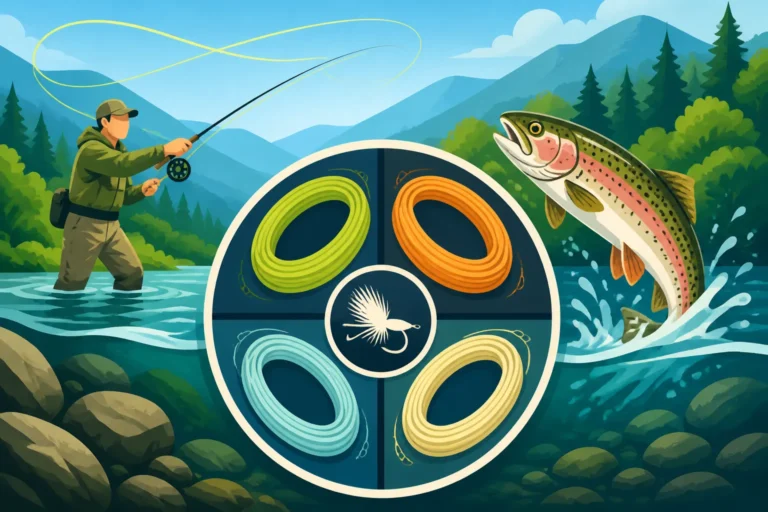
Fly Fishing for Trout: The Art and the Gear
Fly fishing for trout is often seen as an art form, a dance between angler and nature. It involves using specialized gear to present artificial flies that imitate insects, small fish, or other trout food sources. While it has a steeper learning curve, the rewards of fooling a wary trout with a perfectly presented fly are immense.
- For rods, a light-weight fly rod is the standard. For most Tennessee trout streams, a 3-weight to 5-weight rod, usually 7.5 to 9 feet in length, is ideal. A 3-weight is perfect for small streams, tiny flies, and presenting dry flies delicately. A 5-weight is a versatile all-around choice for larger streams, casting heavier nymphs, or even small streamers. A moderate-fast action is often preferred as it's forgiving for beginners while still offering enough backbone for accurate casts. Graphite rods are popular for their lightness and sensitivity. When choosing a fly rod, consider the size of the water you'll be fishing and the types of flies you intend to cast.
- Fly reels for trout are primarily designed to hold your fly line and provide a smooth drag, as the rod does most of the "work" during the cast. A good quality reel will balance the rod well and have a smooth, adjustable drag that can protect your tippet (the thinnest part of your leader) from breaking during a fish's run. For the specified rod weights, a corresponding 3/4 or 5/6 weight reel is appropriate. Spool your reel with a matching weight-forward floating fly line, along with backing and a tapered leader. The combination of rod, reel, and line must be perfectly balanced for efficient casting. Fly Fishing Basics for Trout offers an excellent starting point for those looking to delve into this captivating method.
Specialty Setups and Considerations for Tennessee Waters
While we've covered the main species and general gear, Tennessee's diverse fishing opportunities mean there are always a few specialized situations and broader considerations for your tackle. Sometimes, you're targeting a powerhouse like a striped bass, and other times, your fishing location dictates a complete shift in approach. Thinking beyond the basic "bass rod" or "trout rod" allows you to truly optimize your experience and tackle specific challenges or species with confidence.
Striped Bass Gear: Power and Durability for Open Water Trolling
Striped bass are some of the hardest-fighting freshwater fish you can encounter in Tennessee's large reservoirs like Norris Lake or Percy Priest. They grow to impressive sizes and are known for their powerful, sustained runs, making them a true test of an angler's gear. Targeting stripers often involves trolling with large artificial lures or live bait in open water.
- For rods, you'll need heavy to extra-heavy power with a moderate to moderate-fast action. Rods in the 6.5 to 8-foot range are common for trolling, allowing you to handle the heavy lures and sinkers often employed. The moderate action helps the rod absorb the shock of a strike while trolling at speed and provides a cushioning effect during long fights. Look for rods with a strong, durable backbone and quality components, especially the guides, which need to stand up to heavy lines and strong fish. A solid glass or composite rod is often favored for its strength and resilience.
- Heavy-duty baitcasting reels or conventional trolling reels are essential for striped bass. These reels need ample line capacity to hold 20-30 lb monofilament or 50-80 lb braided line, as a big striper can easily peel off hundreds of feet of line in a single run. A strong, smooth drag system is non-negotiable, capable of applying consistent pressure without locking up or becoming jerky. Look for models with high-quality gears and durable construction. Many anglers use line counters on their reels to accurately gauge trolling depth. If you're planning to chase these open-water giants, invest in quality gear that can handle the abuse, as a cheap reel will quickly fail under the strain. This is one area where durable, reliable equipment truly pays off.
Bank Fishing vs. Boat Fishing: Adapting Your Gear
One of the most fundamental decisions you make before a fishing trip is whether you'll be casting from the bank or heading out on a boat. This choice significantly influences the ideal characteristics of your rods and reels. What works perfectly from a bass boat might be cumbersome or ineffective from a muddy bank, and vice versa.
- Bank Fishing Considerations: When you're fishing from the bank, you often have limited space for casting and maneuvering. Longer rods (7-9 feet) can be advantageous for reaching further out into the water, especially on larger lakes or rivers where fish might be beyond typical casting range. However, if the bank is heavily wooded, a shorter rod (6-7 feet) might be more practical to avoid snagging trees on your backcast. Spinning setups are particularly popular for bank fishing due to their ease of casting and ability to throw lighter baits over distance. Line choice might lean towards abrasion-resistant monofilament if you're frequently casting near rocky banks or submerged logs. Versatility is key for bank anglers, as you might encounter a variety of species in different situations, so a medium-power spinning combo is a great all-around choice.
- Boat Fishing Considerations: From a boat, you generally have more freedom to position yourself and target specific structures. Rod length can be more varied. Shorter rods (6-7 feet) are excellent for accuracy, flipping, and pitching into tight spots around docks or heavy cover. Longer rods might be used for specific techniques like deep cranking or long-distance casting for schooling fish. Both spinning and baitcasting setups are widely used, depending on the technique. Baitcasters shine for power fishing and heavy cover, while spinning reels are indispensable for finesse presentations. From a boat, you can often carry multiple rod and reel combos, each rigged for a different technique or target species, allowing you to quickly adapt to changing conditions or fish behavior. Your selection will likely be broader and more specialized compared to a typical bank setup.
Beginner-Friendly Combos: Getting Started Without Breaking the Bank
Starting out in fishing can feel overwhelming, not just with all the gear choices, but also with the potential cost. Many aspiring anglers fear they need to spend a fortune to get started, but that's simply not true! Tennessee offers fantastic opportunities for beginners, and there are many excellent, affordable rod and reel combos that will get you on the water catching fish without emptying your wallet.
- For beginners, the absolute best starting point is a medium-light or medium power spinning rod and reel combo, typically 6 to 7 feet in length. This type of setup is incredibly versatile, capable of handling everything from panfish and crappie to smaller bass and even a surprising channel cat. The spinning reel is easy to learn, minimizes frustrating backlashes, and handles a wide range of lure weights. Look for combos that come pre-spooled with line, which saves you a step and ensures you have the right line weight for the rod. These combos are designed for general-purpose fishing and are perfect for exploring different techniques and species to see what you enjoy most.
- Many reputable brands offer high-quality, durable combos that are perfect for beginners. You can often find fantastic starter kits at large outdoor retailers like Bass Pro Shops or even online at Amazon. They'll come with everything you need to start, including line, and are built to withstand the bumps and drops that inevitably happen when you're learning. The goal is to make your first experiences on the water fun and successful, building confidence rather than frustration. As you gain experience, you can then start to specialize your gear, but a good all-around combo is your best friend when you're just dipping your toes into the rewarding world of Tennessee fishing. Remember, the best fishing gear for beginners isn't the most expensive, it's the gear that allows you to simply go out and catch fish. Best Fishing Gear for Beginners can offer even more introductory advice.
Rod and Reel Selection Guide
To help you quickly navigate the options, here's a summary table with general recommendations for common Tennessee fish species. Remember, these are starting points; personal preference and specific fishing conditions will always play a role!
| Species | Rod Power | Rod Action | Rod Length | Reel Type | Line Weight (Lbs) | Notes |
|---|---|---|---|---|---|---|
| Largemouth Bass | Medium-Heavy | Fast | 6'6" – 7'6" | Baitcasting | 15-20 Mono/Fluoro, 30-50 Braid | Versatile for various lures, cover |
| Smallmouth Bass | Medium-Light | Fast | 6'6" – 7' | Spinning | 6-10 Fluoro/Braid w/ leader | Finesse for clear, rocky waters |
| Spotted Bass | Medium | Fast | 6'9" – 7' | Spinning/Baitcasting | 8-12 Fluoro, 15-30 Braid | Good all-rounder, often aggressive |
| Crappie | Light-Ultralight | Fast-Mod. Fast | 6' – 10' | Spinning | 4-6 Mono/Fluoro | Sensitivity is key for light bites, papery mouths |
| Panfish (Bluegill) | Ultralight | Moderate | 4' – 6' | Spinning/Spincasting | 2-6 Mono | Fun for all ages, delicate presentation |
| Channel Catfish | Medium-Heavy | Moderate-Fast | 7' – 9' | Spinning/Baitcasting | 15-30 Mono, 30-65 Braid | All-around dependability, good fight |
| Blue/Flathead Catfish | Heavy-Extra Heavy | Moderate-Fast | 8' – 10' | Baitcasting (Conventional) | 40-80 Mono, 65-100 Braid | Serious power for trophy fish, large baits |
| Trout (Spin) | Ultralight | Fast-Mod. Fast | 5' – 6'6" | Spinning | 2-6 Mono/Fluoro | Finesse, small lures/bait, delicate takes |
| Trout (Fly) | 3-5 Weight | Moderate-Fast | 7'6" – 9' | Fly | Matched Fly Line | Presentation of artificial flies, technique-driven |
| Striped Bass | Heavy-Extra Heavy | Moderate-Fast | 6'6" – 8' | Baitcasting (Trolling) | 20-30 Mono, 50-80 Braid | Powerful runs, open water trolling, large lures |
Disclaimer
This article is for general informational purposes only and does not constitute professional advice. Laws, prices and regulations vary by location and change over time. Consult a qualified professional for guidance on your specific situation.