Cumberland River Fishing Spots in Tennessee
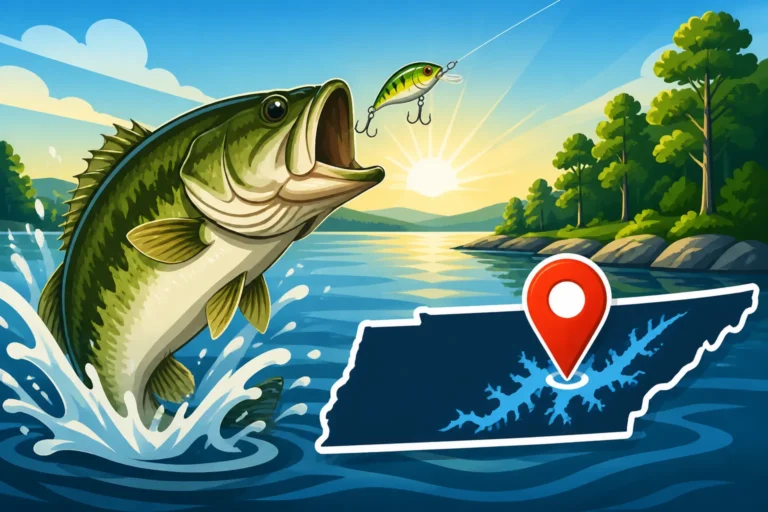
Figuring out where to even begin fishing on a sprawling system like the Cumberland River in Tennessee can feel a bit overwhelming, can't it? It’s not just one type of water; it’s a mosaic of cold tailwaters, bustling urban stretches, and wide, reservoir-like sections, each with its own secrets. This guide is here to cut through the confusion, helping you pinpoint the most productive fishing spots along the Cumberland River and understand what you need to make your next trip a success.
Understanding the Cumberland River System
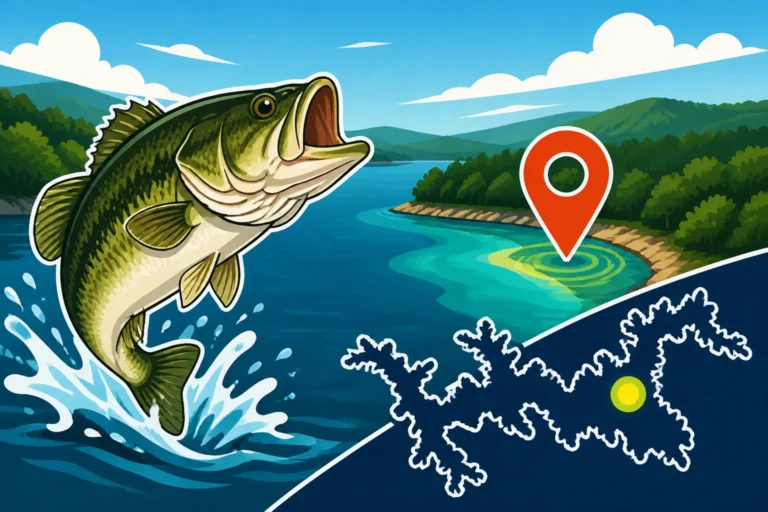
The Cumberland River is more than just a waterway; it's a vital artery flowing through the heart of Tennessee, offering an incredible range of fishing environments. From its headwaters in Kentucky, through the rolling hills of Middle Tennessee, and eventually joining the Ohio River, it transforms repeatedly, creating unique habitats for a diverse array of fish species. This dynamic character is precisely what makes it such a phenomenal, albeit sometimes challenging, destination for anglers.
A River of Dynamic Habitats
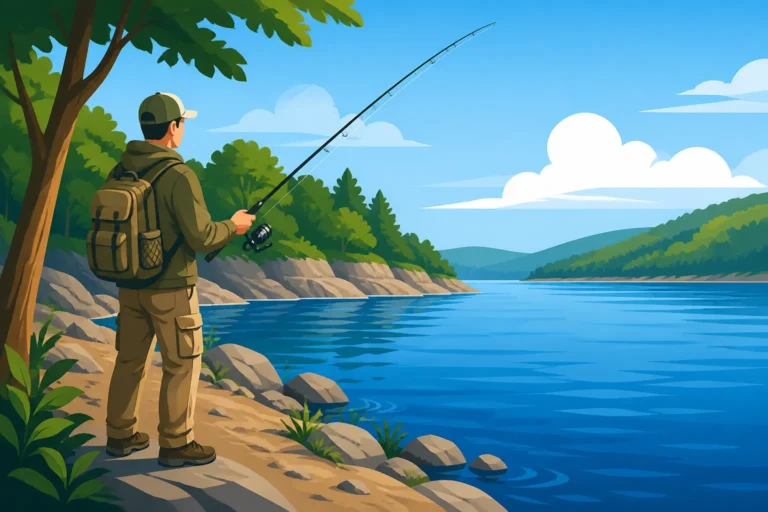
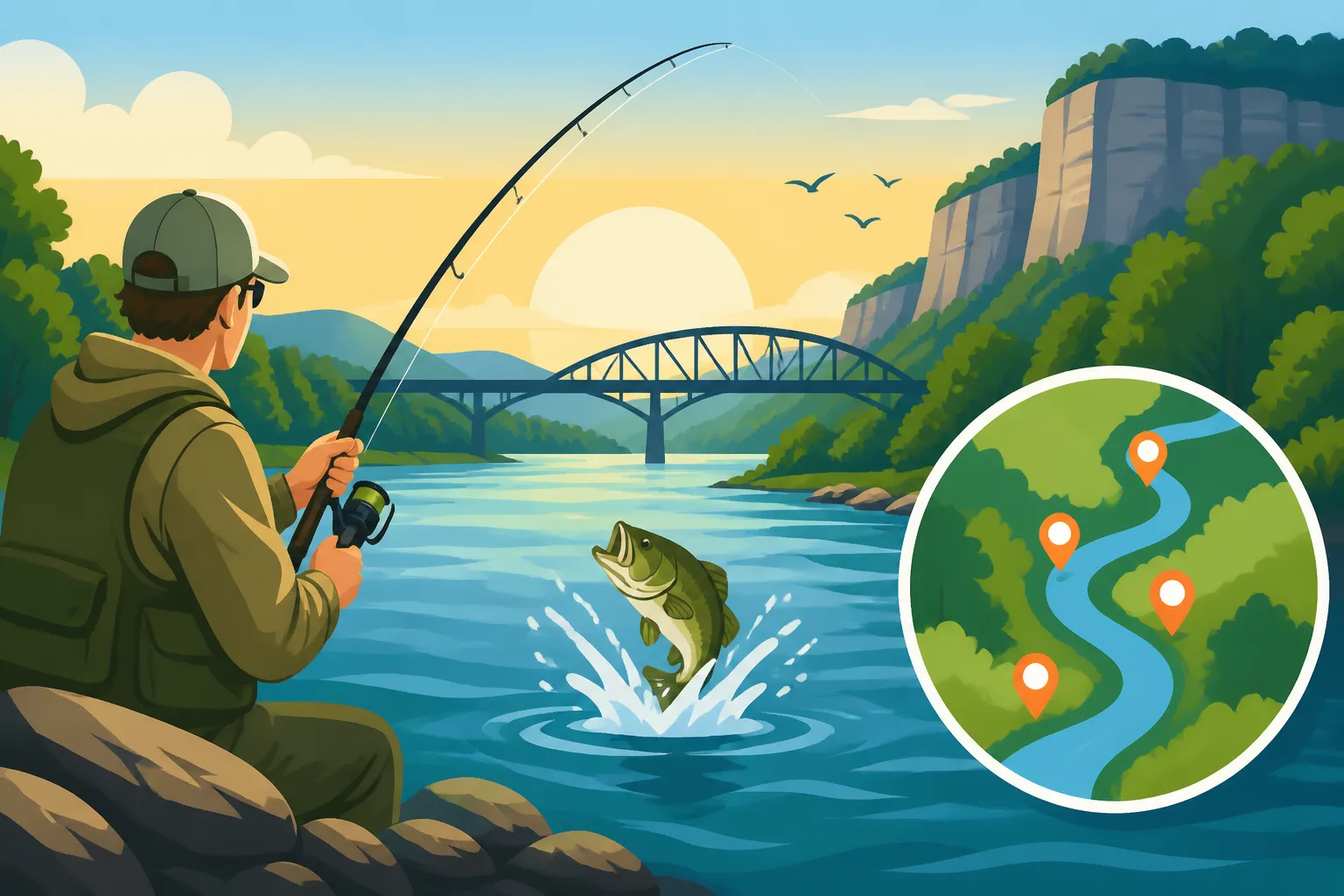
Imagine casting your line into frigid, crystal-clear waters just below a major dam, surrounded by towering bluffs. That's one face of the Cumberland. Travel further downstream, and you'll find the river widens, slows, and warms, taking on the characteristics of a large reservoir, complete with submerged timber, old creek channels, and expansive flats. Then there are the urban sections, flowing right through cities like Nashville, where bridges, riprap, and dock pilings create structure that savvy fish use to their advantage. This constant shift means that the tackle and techniques you use in one part of the river might be completely different just a few miles down the road. It truly keeps you on your toes!
The geological makeup of the surrounding land also plays a significant role. In some areas, limestone bedrock creates rocky ledges and sudden drop-offs, providing excellent cover for bass and catfish. In other places, softer sediments allow for deeper holes and extensive mudflats, preferred by species like crappie and catfish. Understanding these underlying differences is the first step in unlocking the Cumberland's fishing potential, as each habitat supports different forage and, consequently, different game fish.
Key Navigable Sections and Dams
The Cumberland River's flow and character are heavily influenced by a series of dams maintained by the U.S. Army Corps of Engineers. These structures create distinct pools and tailwater sections that dictate water temperature, flow rates, and ultimately, what kind of fish thrive where.
Starting upstream in Tennessee, the Caney Fork River below Center Hill Dam is a prime example of a coldwater tailwater, perfect for trout. Moving downstream, the river eventually feeds into Old Hickory Lake, formed by the Old Hickory Dam. This stretch acts more like a large lake, with significant bass and crappie populations. Further west, the river flows through Nashville, and then is impounded by Cheatham Dam, forming Cheatham Lake. Finally, in its lower reaches, the Cumberland is closely tied to Kentucky Lake on the Tennessee River via a navigation canal and its own impoundment, Lake Barkley. This interconnectedness means that fish species can migrate, and conditions in one part of the system can affect fishing success many miles away. Knowing the dam release schedules and water levels can dramatically impact your fishing strategy, especially in the tailwater sections.
Targeting Trout in the Coldwater Tailwaters
For many anglers, the Cumberland River system immediately conjures images of pristine, cold-water trout fishing. While not all of the Cumberland holds trout, specific tailwater sections are meticulously managed by the Tennessee Wildlife Resources Agency (TWRA) to create fantastic opportunities for both fly and spin anglers.
Caney Fork River: A Premier Trout Fishery
When we talk about trout fishing on the Cumberland, the first place that usually comes to mind is the Caney Fork River, specifically the section below Center Hill Dam near Smithville. This tailwater is legendary for its cold, clear waters and consistent trout stockings. The water here stays refreshingly chilly year-round, pulled from the bottom of the deep Center Hill Lake, creating an ideal environment for rainbow and brown trout. Many anglers consider this one of the premier destinations for Tennessee Trout Fishing Season Explained.
Fly fishing is incredibly popular on the Caney Fork, with anglers often wading the shallow riffles and deeper pools, presenting nymphs, dry flies, and streamers. It's a challenging but rewarding experience, especially when the hatches are on. Spin anglers also find great success here using small spinners, spoons, and live bait like corn or PowerBait. Access is excellent, with numerous public access points and wade-friendly stretches. However, it's crucial to pay attention to the generation schedules from Center Hill Dam, as water levels can rise quickly and become dangerous. Always check the U.S. Army Corps of Engineers schedule before heading out.
Other Tailwater Stretches for Trout
While the Caney Fork gets most of the glory, it's not the only spot on the Cumberland system where you can find trout. Other smaller tributaries or localized coldwater releases might hold pockets of trout, especially after stocking events. For instance, the main stem of the Cumberland River itself, immediately below Wolf Creek Dam in Kentucky, is a very productive coldwater fishery for large brown trout, though this is outside Tennessee. Within Tennessee, the TWRA occasionally stocks trout in other coldwater streams that feed into the Cumberland, or in specific sections where water quality and temperature are suitable, particularly during the cooler months.
These spots might not offer the consistent, year-round fishery of the Caney Fork, but they can provide exciting, less-pressured opportunities. Always consult the TWRA stocking schedules and local regulations to find these hidden gems. Understanding the Tennessee Trout Limits and Season Rules is paramount, as they can sometimes vary by specific water bodies, especially during the colder months when localized regulations might apply. For those looking for a different experience, exploring the Clinch River Trout Fishing in East Tennessee offers another incredible option within the wider Tennessee context, though it's not directly on the Cumberland.
Bass Fishing Across the Cumberland's Diverse Waters
The Cumberland River is a fantastic destination for bass anglers, whether you're chasing aggressive largemouth, feisty smallmouth, or hard-fighting striped bass. The sheer variety of habitats means there's always something different to explore, from rocky banks to vast open waters.
Largemouth and Smallmouth Opportunities
For largemouth bass, you'll want to focus on the more reservoir-like sections of the Cumberland, such as Old Hickory Lake and Cheatham Lake. These areas boast abundant submerged cover like standing timber, brush piles, lily pads, and creek channels. Anglers often find success flipping jigs or pitching soft plastics into dense cover, or working crankbaits and spinnerbaits along channel swings and points. Areas with plenty of riprap near bridges or causeways are also prime targets, especially during the Tennessee Bass Fishing Seasons and Patterns.
Smallmouth bass, Tennessee's official state fish, prefer cooler, clearer, and rockier stretches with current. While they can be found throughout the river, the stretches with more riverine characteristics, particularly around rocky bluffs, current seams, and gravel bars, are excellent choices. Targeting smallmouth often involves throwing tube jigs, grubs, jerkbaits, or small crankbaits that mimic crawfish or shad. The sections of the river that have more flow, especially near shoals or rapids, will consistently hold smallmouth. For instance, the upper reaches of Old Hickory Lake, before it widens significantly, can offer good smallmouth action where the current is still noticeable.
Chasing Striped Bass in Deeper Currents
The Cumberland River is also renowned for its powerful striped bass. These hard-fighting fish are often found in the deeper, open waters of the major reservoirs (like Old Hickory Lake and Cheatham Lake) and the main river channel, especially near dam discharges or large creek mouths where baitfish congregate. Stripers are pelagic, meaning they often suspend in open water, chasing schools of shad.
Trolling with large crankbaits, swimbaits, or live bait (like gizzard shad or threadfin shad) is a popular and effective method for targeting striped bass. Another common technique is fishing live bait on bottom rigs in deep holes or along current breaks. Early mornings and late evenings are often the most productive times, especially during the warmer months when stripers feed actively on the surface or near the surface. Remember, these are powerful fish, so bring stout tackle! If you're looking for guidance, booking a trip through services like FishingBooker can connect you with experienced guides who specialize in striper fishing on the Cumberland River.
Key Bass Structures and Cover
Understanding where bass hide is crucial for success on the Cumberland. Beyond the general habitat types, look for specific structures:
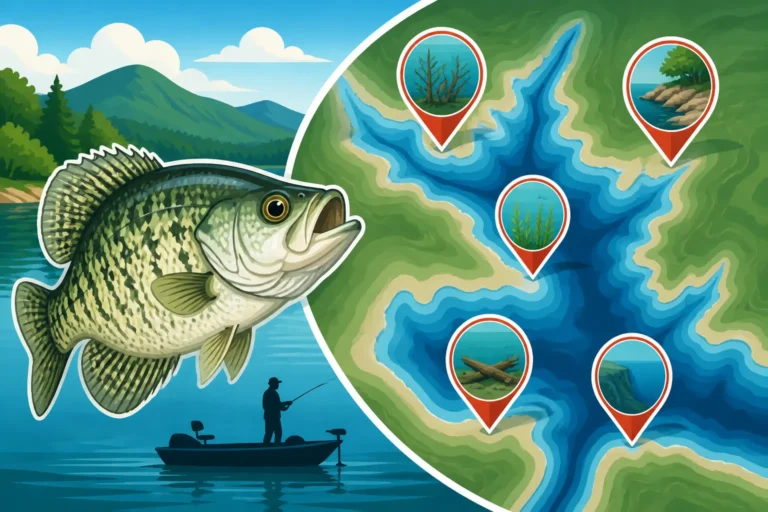
- Submerged Timber and Brush Piles: These are classic largemouth magnets, offering cover and ambush points. Many anglers mark these spots on their fish finders.
- Rock Piles and Ledges: Smallmouth bass absolutely love rocky terrain. Look for transitions where rock meets mud, or sudden drop-offs.
- Riprap: The rocky banks found around bridges, causeways, and dam areas provide excellent forage and cover for both largemouth and smallmouth.
- Creek Channels and Inlets: These act as highways for baitfish and game fish, especially during periods of high water or during the spawn.
- Docks and Piers: In urban and developed areas, private docks provide shade and structure, making them prime targets for bass, especially during bright, sunny days.
- Current Seams: Anywhere the current changes speed or direction—behind obstacles, along points, or at the confluence of a creek—will concentrate bait and create ambush opportunities for bass. Knowing these patterns will significantly improve your chances on the Cumberland. If you're new to fishing these specific areas, a local guide found on FishingBooker could provide invaluable insights.
Finding Crappie and Catfish Hotspots
Beyond bass and trout, the Cumberland River is a phenomenal fishery for panfish and catfish, offering relaxed yet rewarding experiences for anglers of all skill levels. These species are abundant and widely distributed throughout the river system.
Crappie in the River's Backwaters and Tributaries
Crappie, both black and white, thrive in the slower, more turbid waters of the Cumberland's reservoir sections and its many backwater areas and tributaries. Places like Old Hickory Lake and Cheatham Lake are particularly known for their crappie populations. Look for crappie congregating around submerged brush piles, standing timber, fallen trees, and bridge pilings. They love cover and structure, especially during the spring spawn when they move into shallower waters to lay eggs.
During the cooler months, crappie often suspend over deeper channels or gather around main lake points and humps. Vertical jigging with small jigs (like Bobby Garland crappie jigs) tipped with minnows or soft plastics is incredibly effective. Trolling with multiple rods and small crankbaits or jigs (often called "spider rigging") is another popular method, allowing anglers to cover more water and find active schools. Don't forget to check out areas where creeks feed into the main river; these can be crappie hotspots, especially after a good rain. Following the Tennessee Crappie Fishing Guide by Season will give you a detailed breakdown of when and where to target these delicious panfish.
Catfish in the Deep Holes and Channels
The Cumberland River is a genuine catfish paradise, home to massive channel, blue, and flathead catfish. These powerful bottom dwellers are found throughout the river, but specific areas consistently produce big catches. The main river channel, with its deep holes, scour marks, and log jams, is prime territory for all three species. Look for deep bends, areas downstream of dams, and the mouths of major tributaries where current brings food.
For channel catfish, almost any cut bait, chicken liver, or prepared stink bait fished on the bottom will work. Blue catfish often prefer fresh cut bait, like shad or skipjack herring, presented in deep current breaks or main channel ledges. Flathead catfish are ambush predators that prefer live bait – think smaller bluegill, sunfish, or shad – fished near heavy cover like submerged timber or rock piles. Night fishing is particularly popular and productive for catfish on the Cumberland, as these nocturnal feeders become more active after dark. For more specific tactics, check out the Tennessee Catfish Fishing Techniques and Seasons to learn the best approaches for different times of the year. Finding a seasoned guide through FishingBooker can also dramatically increase your chances of landing a trophy catfish, as they know the river's deep secrets.
| Fishing Spot/Section | Primary Species Target | Best Techniques | Key Features |
|---|---|---|---|
| Caney Fork River (Tailwater) | Rainbow Trout, Brown Trout | Fly Fishing (nymphs, dries), Spin Fishing (small lures, bait) | Cold, clear water, wadeable, dam releases |
| Old Hickory Lake | Largemouth Bass, Crappie, Striped Bass, Catfish | Flipping/Pitching, Trolling, Jigging, Bottom Fishing | Submerged timber, brush piles, creek channels, riprap |
| Nashville Urban Stretch | Largemouth Bass, Smallmouth Bass, Catfish | Crankbaits, Jigs, Soft Plastics, Bottom Fishing | Bridges, riprap, dock pilings, current breaks |
| Cheatham Lake | Largemouth Bass, Crappie, Striped Bass, Catfish | Trolling, Jigging, Spinnerbaits, Live Bait | Dam influences, deep channels, backwaters |
| Lower Cumberland (Near Kentucky Lake) | Catfish, Largemouth Bass, Crappie, Striped Bass | Bottom Fishing, Trolling, Jigging | River bends, log jams, reservoir influence |
Essential Angling Strategies for the Cumberland River
To truly make the most of your Cumberland River fishing experience, it's not just about knowing where the fish are, but also how to approach them. From the gear you choose to understanding the rules, a little preparation goes a long way.
Recommended Gear and Baits
Given the diversity of the Cumberland, your gear selection will vary greatly depending on what you're targeting. For trout on the Caney Fork, a lightweight spinning setup (4-6 lb test) or a 5-6 weight fly rod is ideal. Small inline spinners, spoons, soft plastic trout baits, and a variety of nymphs and dry flies will be your go-to lures. When it comes to bass, a medium-heavy baitcasting rod with 12-20 lb fluorocarbon or monofilament line is versatile for largemouth. You'll want a selection of crankbaits, spinnerbaits, jigs, and soft plastic worms. For smallmouth, a medium-light spinning rod with 6-10 lb line is often preferred, allowing for better presentation of tube jigs, grubs, and jerkbaits.
Crappie anglers will want ultra-light spinning gear with 4-6 lb monofilament or braid, paired with small jigs, minnows, or even tiny crankbaits. For catfish, particularly the larger blue and flatheads, step up to heavy-action rods, robust baitcasting reels, and strong braided line (30-80 lb test) or heavy mono. Your bait will be critical: fresh cut bait (shad, skipjack), chicken livers, or live bluegill for flatheads. Always pack a variety to be prepared for changing conditions, and consider if you need a specific Tennessee Resident Combination Hunt and Fish License or if a fishing-only license suffices.
Accessing the Water and Boating Considerations
The Cumberland River offers numerous public access points, including boat ramps and bank fishing areas, scattered along its entire length in Tennessee. Major lakes like Old Hickory and Cheatham have excellent, well-maintained ramps for larger boats. For the Caney Fork, you'll find designated wade-in access points, though some sections might require a bit of a hike. When planning your trip, researching specific Boat Ramp Access on Tennessee's Major Lakes is a smart move.
Boating on the Cumberland, especially in the wider reservoir sections, requires attention to safety. Always ensure your boat is properly registered and that you have all necessary safety equipment, including life jackets for everyone on board, particularly if you have children, as per Tennessee Life Jacket and PFD Rules for Boaters. The river can get busy, especially on weekends, so be mindful of other boaters and maintain safe speeds. If you're new to the area or prefer the expertise of a local, consider booking a guided trip. Services like FishingBooker can help you find experienced captains who know the Cumberland like the back of their hand, providing both safety and local fishing knowledge.
Navigating Regulations and Seasons
Tennessee's fishing regulations are designed to protect fish populations and ensure sustainable angling for everyone. It's absolutely crucial to familiarize yourself with the current rules before you cast a line. This includes understanding Tennessee Fishing Regulations Explained, specific length and creel limits for different species, and whether you need a trout permit in addition to your regular fishing license for certain waters.
Licenses are easily obtainable online through the TWRA website, or from numerous license agents across the state. Remember that different license types exist, such as annual, multi-day, or even county-only options. Knowing How to Buy or Renew a Tennessee Fishing License Online can save you time. Additionally, being aware of seasonal patterns, like the Tennessee Bass Fishing Seasons and Patterns or when crappie are spawning, will significantly improve your chances of success. Water levels and current generation schedules from the various dams also play a massive role, so always check those before heading out, as conditions can change rapidly.
Disclaimer
Please remember that fishing conditions can change rapidly due to weather, water levels, and other environmental factors. Always prioritize safety, check local regulations, and respect private property. The information provided here is for general guidance and should be supplemented with current, local information before any fishing trip.