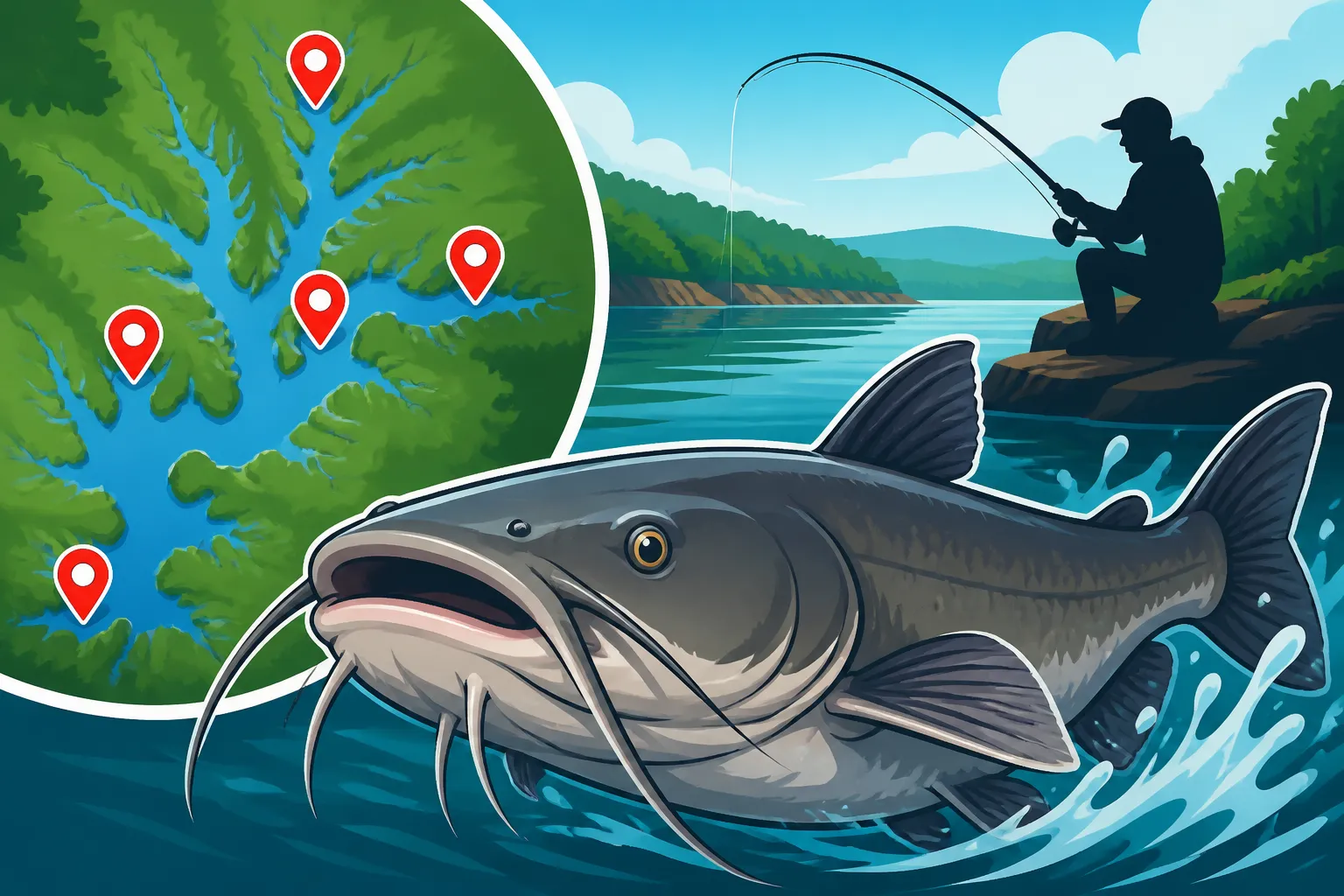
Dale Hollow Lake Catfish Fishing Spots
It's no secret that Dale Hollow Lake is renowned for its incredible smallmouth bass fishing, drawing anglers from all over the country. But for those of us who love the tug of a big whisker fish, finding those prime catfish spots on such a vast and deep lake can feel like searching for a needle in a haystack. You're trying to navigate unfamiliar waters, figure out where the fish are hiding, and what baits they prefer. This guide is designed to cut through that frustration, giving you a comprehensive rundown of the best Dale Hollow Lake catfish fishing spots, along with the techniques and tips you'll need to fill your cooler.
Understanding Catfish in Dale Hollow Lake
Before we dive into specific locations, let's talk about why Dale Hollow Lake, despite its clear waters, is such a fantastic place for catfish and what kinds you can expect to encounter. Knowing your target helps immensely in planning your approach.
The Different Catfish Species You'll Find
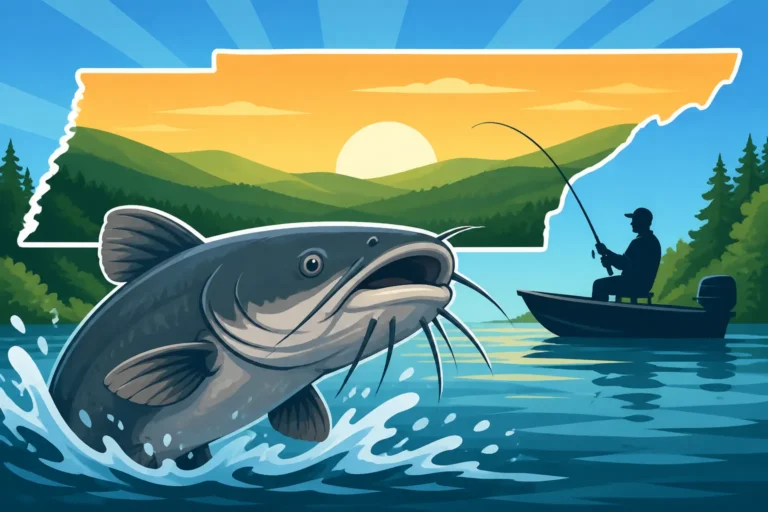
Dale Hollow Lake is home to a robust population of several catfish species, offering diverse angling opportunities. The most common you'll encounter are channel catfish, but the lake also boasts impressive blue catfish and the elusive flathead catfish.
Channel catfish are often found across the entire lake, thriving in a variety of habitats from shallow flats to deeper creek channels. They are opportunistic feeders, eager to strike on everything from prepared stink baits to cut bait and worms. They're typically smaller than their blue and flathead cousins, but a good-sized channel cat from Dale Hollow can still provide an exciting fight and makes for excellent table fare. For a deeper dive into their characteristics, you might want to check out our guide on Channel Catfish: Tennessee's Other Official State Fish.
Blue catfish are becoming increasingly prevalent in Dale Hollow, especially in the deeper, more open sections of the main lake and river channels. These powerful fish are known for their size, capable of growing well over 50 pounds in these rich waters. They primarily feed on baitfish like shad, making cut bait a top choice. Distinguishing between them and channels can sometimes be tricky for beginners, but our article on Blue Catfish vs Channel Catfish Identification can help you tell them apart.
Flathead catfish, the true ambush predators of the catfish world, prefer heavy cover such as submerged timber, rock piles, and deep holes. They primarily feed on live bait, so if you're targeting flatheads, be prepared with lively bluegill or shad. These fish are solitary and can be challenging to find, but the reward of landing a massive flathead is unparalleled. You can learn more about their preferred hideouts in our piece on Flathead Catfish Habitat in Tennessee Rivers.
Why Dale Hollow is a Catfish Hotspot
Despite its reputation for clear water, which some anglers mistakenly believe isn't ideal for catfish, Dale Hollow Lake actually provides a fantastic environment for them. Its unique characteristics create a diverse ecosystem where catfish can thrive.
First off, the sheer depth and vastness of Dale Hollow offer ample cool, oxygenated water, especially during the warmer months, which is crucial for larger fish. Many deep reservoirs in Tennessee, including Dale Hollow, provide ideal conditions. The lake is also teeming with an abundant forage base, primarily shad and various panfish, which are critical food sources for growing trophy-sized blue and flathead catfish. This rich food supply means the catfish are healthy, strong, and plentiful.
Furthermore, Dale Hollow’s varied underwater topography provides endless structure for catfish to relate to. We're talking about steep bluff walls, gradual sloping points, deep creek channels from the old riverbeds, and plenty of submerged timber, especially in the upper reaches of the lake and its feeder creeks. These features offer protection, ambush points, and vital navigation corridors for catfish, making it a prime destination for dedicated whisker fish anglers.
Top Catfish Fishing Spots on Dale Hollow Lake
Now for the exciting part – pinpointing where you should cast your lines. Dale Hollow Lake is expansive, covering over 27,000 acres, so knowing the key areas will save you a lot of time and fuel.
Deep Creek Channels and River Arms
The old river and creek channels that wind through Dale Hollow are absolute magnets for catfish. These underwater highways concentrate baitfish and offer consistent depth and current, even in a reservoir setting.
The Obey River arm and the Wolf River arm are prime examples. As you move up these arms, you'll notice the lake narrows and becomes more riverine, offering distinct bends, deep holes, and submerged timber along the old creek beds. Catfish, particularly channel and blue cats, love to patrol these channels, especially where they intersect with major humps or points. Look for areas where the channel makes a sharp turn or where smaller feeder creeks used to enter the main river. These "channel swings" create eddies and current breaks where catfish will stage, waiting for an easy meal. Imagine a deep-water highway with rest stops – that's what these areas are to catfish. Using your electronics to identify the exact channel path and any adjacent structure is key here.
Another excellent strategy in these river arms is to focus on areas with significant submerged timber. The old hardwoods that were flooded when the lake was created still stand, offering incredible cover for flatheads. These can be tough to fish due to snags, but if you can get your bait into those thickets, you're in the right zone for a monster.
Main Lake Humps, Points, and Bluffs
Moving out into the main body of Dale Hollow, you'll find that humps, points, and bluff walls are equally productive, especially for blue catfish and larger channel cats. These structures often feature hard bottom, rock, and immediate access to deep water.
Main lake humps that rise from the depths are essentially underwater islands. Catfish will often school on top of these humps, especially during low-light conditions, or hold on their ledges where they can ambush baitfish moving over the top. The humps around the confluence of the Obey and Wolf River arms with the main lake are particularly active. These are prime areas for anchoring up and running multiple lines, perhaps trying different depths around the hump.
Points that extend far out into the lake, especially those with steep drops or rock piles, are another consistent producer. Catfish use these points as navigation routes and feeding stations. During the evening and night, catfish will often move shallower onto the tops and sides of these points to feed. Consider setting up on a main lake point with a good drop-off, casting both shallow and deep.
Bluff walls that plunge straight down into deep water can also hold catfish. These vertical structures often have small ledges or crevices where catfish can hide. Baitfish will often hug these walls, attracting predators. If you're on a boat, slowly drift or troll along these bluffs, presenting your bait at various depths. These spots can be more challenging but can yield unexpected giants.
Submerged Timber and Brush Piles
Dale Hollow Lake is a treasure trove of submerged timber, particularly in the deeper coves and along the old river channels. For flathead catfish and big blue cats, these are often their preferred residences.
Many coves, especially those with deeper water at their mouths, contain significant submerged trees and brush piles. These aren't always easy to spot on your sonar, but learning to identify them is a game-changer. Flatheads love to nestle right into the thickest part of a laydown or brush pile, waiting for a live shad or bluegill to swim by. The trick here is often to fish directly on the edge of the cover, or if you're feeling brave, drop a heavy bait right into the heart of it. Prepare for snags, but also prepare for potentially massive fish.
Sometimes, the Tennessee Wildlife Resources Agency (TWRA) also creates fish attractors by sinking brush or timber. These are usually marked on navigation maps or by buoys and can be excellent spots for all species, including catfish. A quick check of the TWRA website or a local bait shop can often give you updated information on these structures. If you're looking for an easier way to scout for these honey holes or even to find local guides who know these precise locations, platforms like FishingBooker can be incredibly helpful for connecting with experts who already have these coordinates dialed in. They offer a great resource for planning a trip, especially if you're not familiar with the lake's vastness.
Essential Techniques for Dale Hollow Catfish
Having the right spot is only half the battle; knowing how to present your bait effectively is crucial for consistent success on Dale Hollow.
Bottom Fishing with Natural Baits
Bottom fishing is perhaps the most popular and effective method for catching catfish in Dale Hollow. It’s a straightforward approach that puts your bait right where catfish are typically feeding.
For channel catfish, a simple slip-sinker rig is highly effective. Thread your main line through an egg sinker (1/2 to 1 ounce, depending on current and depth), then tie on a barrel swivel. To the other end of the swivel, attach an 18-36 inch leader of monofilament or fluorocarbon (15-30 lb test) and a sharp circle hook (sizes 2/0 to 5/0). Baits like chicken liver, nightcrawlers, small chunks of cut shad, or even shrimp are excellent choices. Cast your rig out, let it sink to the bottom, and keep a semi-slack line. When a catfish picks it up, the line will run freely through the sinker, giving the fish time to fully take the bait before you feel the bite. This is a classic setup for many Catfish Bottom Fishing Basics.
When targeting larger blue catfish and flathead catfish, you’ll want to size up your gear and baits. For blue cats, fresh cut bait is king. Shad, skipjack herring, or even small strips of carp are fantastic. Use a similar slip-sinker rig, but with heavier line (30-50 lb mono or braid), larger egg sinkers (1-3 oz), and bigger circle hooks (6/0 to 10/0). Flatheads, as mentioned, prefer live bait. A live bluegill or shad hooked through the back or lips on a heavy-duty circle hook, fished near submerged timber, is your best bet. Give these big baits plenty of time to work, and be patient – flathead bites can be subtle at first.
Jugging and Trotlining for Big Cats
For anglers looking to cover more water or target multiple fish simultaneously, jugging and trotlining are traditional and highly effective methods for catching catfish in Dale Hollow. However, it's crucial to understand and adhere to Tennessee's specific regulations for these techniques.
Jug fishing involves using free-floating lines attached to buoyant jugs or pool noodles, each with a baited hook. You simply deploy these jugs, often at dusk, and let them drift with the wind or current over known catfish grounds like creek channels or large flats. When a fish bites, the jug will start to move erratically, indicating a catch. This method is incredibly exciting because you're constantly monitoring for a "running" jug. Baits like cut shad or large chunks of chicken liver work wonderfully. Make sure your jugs are clearly marked with your name and TWRA license number, as required by law. For a detailed explanation, check out our guide on Jug Fishing for Catfish Explained.
Trotlining involves setting a long main line across a section of the lake, with multiple baited hooks attached at intervals via shorter drop lines (snoods). This method allows you to present many baits simultaneously across a wide area. Trotlines are often set in deeper creek channels, along bluff walls, or near submerged structure. Again, fresh cut bait is excellent. Trotlines are highly regulated in Tennessee, including restrictions on the number of hooks, line length, and mandatory tagging. It's imperative to consult the current TWRA regulations before setting one. Our article on How to Set Up a Trotline for Catfish provides foundational knowledge, but always double-check local rules. Many experienced anglers use platforms like FishingBooker to find guides who specialize in these regulated techniques, ensuring compliance and maximizing catch potential.
Night Fishing Strategies
Without a doubt, night fishing is often the most productive time for catching catfish on Dale Hollow Lake. Catfish are primarily nocturnal feeders, using their heightened senses of smell and touch to hunt in low-light conditions.
During the day, catfish often retreat to deeper, cooler water or dense cover to avoid predators and bright sunlight. As dusk approaches, they become much more active, moving into shallower feeding grounds like points, humps, and the shallower edges of creek channels. This nocturnal migration offers a fantastic window of opportunity.
When planning a night fishing trip, safety is paramount. Always have proper navigation lights on your boat, extra batteries, and headlamps or lanterns. Many anglers prefer to anchor their boats on a promising point or hump just before sunset, allowing their eyes to adjust as darkness falls. Fish the same effective bottom rigs described earlier, but consider adding glow-in-the-dark beads above your hook or using glow sticks on your jug lines for better visibility. The quiet stillness of the lake at night, combined with the explosive strike of a big catfish, makes for an unforgettable experience. Our guide on Night Fishing Techniques for Catfish offers more insights into maximizing your evening success.
Gear Up for Success on Dale Hollow
Having the right tackle can make all the difference, especially when battling a hefty catfish in the deep waters of Dale Hollow. Don't skimp on your gear, as a trophy cat can put a serious strain on your setup.
Rods, Reels, and Line for Dale Hollow Catfish
When it comes to rods, you'll want something with a good backbone but enough sensitivity to detect subtle bites. For average channel catfish, a medium-heavy action spinning or baitcasting rod, 7 to 8 feet long, is usually sufficient. This length helps with casting distance and managing fish around obstacles. If you're specifically targeting the larger blue or flathead catfish, step up to a heavy or extra-heavy action rod, 7 to 9 feet long, with a strong power rating. These rods are designed to handle heavy weights and the brute strength of bigger fish.
For reels, look for durable models with robust drag systems. A baitcasting reel is often preferred by experienced catfish anglers for its power and control when fighting large fish, especially when casting heavier weights. Look for reels with a high line capacity, capable of holding at least 200 yards of line. Spinning reels can also work, particularly for lighter setups targeting channel cats, but ensure it's a reputable brand with a smooth, reliable drag. Brands like Penn, Abu Garcia, and Daiwa offer excellent options that can stand up to the challenge.
Line choice is critical. For most Dale Hollow catfish scenarios, 20 to 50 lb test monofilament or braided line is recommended. Monofilament offers good abrasion resistance and some stretch, which can be forgiving during a fight. Braided line, with its lack of stretch and incredible strength-to-diameter ratio, provides superior sensitivity and hook-setting power, especially in deeper water. Many anglers will use braided mainline and then tie on a monofilament or fluorocarbon leader to provide some shock absorption and make the line less visible to fish in the lake's clearer sections.
Essential Terminal Tackle and Accessories
Beyond your rod, reel, and line, a well-stocked tackle box for Dale Hollow catfish will include several key items.
Hooks: Circle hooks are highly recommended for catfish as they are designed to hook fish in the corner of the mouth, reducing gut-hooking and making for easier release if you choose to. Sizes 2/0 to 5/0 are good for channels, while 6/0 to 10/0 are ideal for blues and flatheads. Keep a variety on hand.
Weights: You'll need an assortment of lead or tungsten weights, typically egg sinkers or no-roll sinkers. Sizes from 1/2 ounce to 3 ounces will cover most situations, allowing you to adapt to current, wind, and depth.
Swivels and Leaders: Heavy-duty barrel swivels (size 2/0 to 5/0) are essential to prevent line twist and connect your main line to your leader. Stock up on strong monofilament or fluorocarbon leader material (20-60 lb test) for abrasion resistance.
Bait: As discussed, chicken liver, nightcrawlers, and cut bait (especially fresh shad) are staples. Having a cooler specifically for your bait is a must, especially in warm weather. You might also consider prepared catfish baits if you’re targeting channel cats.
Other Accessories: Don't forget a sturdy pair of pliers for hook removal, a good landing net with rubber mesh (less damaging to fish and less likely to tangle hooks), a measuring tape and scale for recording catches, a first-aid kit, and plenty of water. For night fishing, reliable headlamps or lanterns are non-negotiable, and a sturdy rod holder will save your arms from constant fatigue.
Important Regulations and Best Practices
Fishing Dale Hollow Lake, like any public waterway in Tennessee, comes with its share of responsibilities. Understanding and respecting the regulations set by the Tennessee Wildlife Resources Agency (TWRA) is not just about avoiding fines; it's about preserving the incredible fishing resources for everyone.
Understanding Tennessee's Catfish Limits
It's absolutely critical to know the daily creel and size limits for catfish on Dale Hollow Lake. These limits are designed to maintain healthy fish populations. While statewide limits exist, always double-check if Dale Hollow Lake has any specific or special regulations that might supersede them, as some large reservoirs do.
Generally, for channel catfish, there might be a daily creel limit, but often no size limit. For blue catfish, there might also be a daily creel limit, and sometimes specific restrictions on how many large fish (e.g., over 34 inches) you can keep. Flathead catfish typically have a daily creel limit and sometimes a minimum size limit. These numbers can change, so always consult the latest Tennessee Fishing Guide published by the TWRA before your trip. For broader context on what to expect, our detailed guide on Tennessee Fishing Regulations Explained can provide a solid foundation, but specific lake rules are always the final word. Remember, keeping track of your catch throughout the day is part of being a responsible angler.
Practicing Responsible Angling
Beyond legal requirements, there are best practices that ensure the longevity of Dale Hollow's fishery and a pleasant experience for all.
Always possess a valid Tennessee Fishing License Guide when fishing anywhere in Tennessee waters. This is non-negotiable and one of the easiest ways to support conservation efforts. You can often purchase these online or at local bait shops.
If you plan to practice catch and release, especially for larger blue or flathead catfish, handle them with care. Use a large net, minimize their time out of water, and avoid dragging them over abrasive surfaces. If you're not planning to keep a fish, a circle hook is a fantastic tool as it rarely harms the fish's vital organs.
Be mindful of your surroundings. Dale Hollow Lake is a shared resource, and that means being respectful of other anglers, boaters, and property owners. Don't trespass on private land, keep noise levels down, and always pack out everything you pack in – leave no trace. This includes disposing of old fishing line properly, as it can be a hazard to wildlife. By doing your part, you help ensure that Dale Hollow Lake remains a premier fishing destination for generations to come.
Here's a quick comparison of the main catfish species you might encounter:
| Catfish Species | Typical Size Range (Dale Hollow) | Preferred Habitat | Primary Diet | Key ID Features |
|---|---|---|---|---|
| Channel Catfish | 1-10 lbs (up to 20+ lbs) | Varied; flats, channels, coves | Omnivore; cut bait, worms, prepared bait | Forked tail, dark spots (juveniles), barbels |
| Blue Catfish | 10-50 lbs (up to 100+ lbs) | Deep channels, main lake, open water | Piscivore; cut bait, live bait | Forked tail, straight anal fin, slate blue/grey |
| Flathead Catfish | 5-40 lbs (up to 80+ lbs) | Heavy submerged timber, rock piles, deep holes | Carnivore; live bait (bluegill, shad) | Square tail, flattened head, mottled brown/yellow skin |
Disclaimer
Always check the current Tennessee Wildlife Resources Agency (TWRA) fishing regulations before heading out, as rules and limits can change seasonally or annually.