Bass Spawn Timing in Tennessee Lakes
As anglers, we all know that feeling: you've planned a perfect day on the water, conditions seem right, but the bass just aren't biting. More often than not, the mystery revolves around one crucial natural event: the bass spawn. If you're tired of guessing when those big Tennessee bass are moving shallow to reproduce, you're in the right place. This comprehensive guide will help you understand the intricate timing of the bass spawn across Tennessee's diverse waterways, ensuring you're there when the action truly heats up.
Understanding the Bass Spawn Cycle in Tennessee
The bass spawn is more than just a single event; it's a critical period in the fish's life cycle that dictates their behavior, feeding patterns, and where they position themselves in the water column. For us anglers, understanding this cycle is like having a secret roadmap to locating and catching some of the biggest bass of the year. When bass are focused on reproduction, their instincts drive them to predictable areas, creating unique opportunities for those who know what to look for.
Why the Spawn Matters to Anglers
Think about it from the bass's perspective. For weeks, even months, leading up to the actual spawning act, their bodies are preparing. They need to pack on calories, build up energy, and get ready for a period where feeding might take a backseat to procreation. This makes the pre-spawn period one of the most exciting times to fish, as hungry bass aggressively feed to fuel up. Then, during the spawn itself, the fish become incredibly territorial and protective, making them vulnerable to certain presentations if you can pinpoint their bedding sites. If you can read the signs, you'll find that these fish aren't just swimming aimlessly; they're on a mission, and that mission can put them right in your casting range.
The Annual Rhythms of Bass Reproduction
The bass spawn is fundamentally driven by instinct, but these instincts are triggered and governed by environmental cues. It's a rhythmic dance with nature that unfolds differently across Tennessee's varied landscapes. Typically, this process kicks off in late winter or early spring and can extend well into early summer, depending on where you are in the state and the specific weather patterns of that year. From the first subtle warming of the water to the sustained sun exposure, each stage signals the bass to move closer to their ancestral spawning grounds. This rhythm, which can be affected by everything from a sudden cold snap to prolonged sunny weather, dictates everything about where you'll find these fish. For a deeper dive into how these seasonal changes impact bass behavior, check out our guide on Tennessee Bass Fishing Seasons and Patterns.
Key Environmental Factors Influencing the Spawn
If you want to unlock the mysteries of the bass spawn, you have to become a student of nature. Bass don't just decide to spawn on a whim; their biological clocks are finely tuned to a combination of environmental signals. Missing even one of these cues can mean you're a week too early or a week too late, and that makes all the difference when you're trying to catch that trophy fish.
Water Temperature: The Ultimate Trigger
This is hands down the most critical factor. Bass are cold-blooded, so their metabolism and reproductive cycles are directly linked to the water temperature. The magic number for largemouth bass is generally between 60 and 70 degrees Fahrenheit, with smallmouth bass often starting a little earlier, sometimes in the mid-50s. As water temperatures slowly climb from the high 40s into the low 50s, bass begin to move out of their deep wintering holes and stage in transitional areas. When the water hits that sweet spot of 60-65 degrees and stabilizes, that's when you'll see the full-blown spawning activity really take off.
However, it's not just about hitting the right number; it's about stability. A sudden cold front can drop water temperatures several degrees, sending bass scurrying back to deeper water, essentially putting the spawn on pause. They might hold in those deeper staging areas for days or even a week until the water warms back up. This push-and-pull can be incredibly frustrating for anglers, but understanding it helps you predict when to hit the water. This phenomenon is a perfect example of How Water Temperature Affects Fish Activity.
Photoperiod and Lunar Cycles
While water temperature is king, it's not the only factor at play. The length of daylight, known as the photoperiod, also plays a crucial role. As the days grow longer in spring, it signals to the bass that it's time to reproduce. This is a consistent, yearly signal that helps initiate the deeper biological processes. Think of it as the overarching schedule that dictates the general timeframe.
Lunar cycles also subtly influence the spawn, though perhaps not as dramatically as temperature. Many anglers swear that the full moon or new moon phases during the prime temperature window can trigger intense spawning activity. While scientific evidence might be debated, anecdotal evidence from seasoned anglers often points to increased activity around these moon phases. It’s definitely something to consider when planning your trips, especially if you're trying to time your visit for peak activity.
Water Levels and Clarity
These factors might not initiate the spawn, but they heavily influence where and how successfully bass spawn. Stable or slowly rising water levels during the pre-spawn and spawn can be fantastic. It pushes new cover into the water, creating fresh spawning habitat and hiding spots for fry. However, rapidly fluctuating water levels, especially drops, can be disastrous. It can leave beds exposed, make bass abandon their nests, or simply disrupt the entire process.
Water clarity also plays a role. Bass typically prefer clearer water for spawning as it allows sunlight to penetrate, warming the substrate, and provides better visibility for guarding eggs. Heavily stained or muddy water can delay the spawn or push fish to seek out clearer pockets. Always check local conditions before heading out. If you're hitting one of Tennessee's renowned bass fisheries, like Chickamauga Lake: Tennessee's Top Bass Fishing Destination, these factors can greatly influence your success.
Pre-Spawn: The Feast Before the Fast
The pre-spawn period is arguably one of the most exciting times to fish for bass in Tennessee. These fish are driven by an insatiable hunger, trying to pack on as much weight as possible before they dedicate themselves to the arduous task of spawning and guarding their young. If you catch them right, this is when you can land some truly massive fish.
Locating Staging Areas and Transition Zones
Before bass move onto their shallow beds, they hang out in what we call "staging areas." These are typically deeper areas adjacent to the shallower spawning flats. Think of them as waiting rooms: points, humps, channel swings, and ledges in 8-20 feet of water, often near the entrances to coves or creeks. These areas offer easy access to deeper, more stable water if a cold front pushes through, but also a quick route to the shallow spawning grounds when conditions are right. They'll also hold submerged timber, rock piles, or old roadbeds – anything that provides structure and ambush points for feeding.
The key is to target these transition zones. Bass will move back and forth between the deeper staging areas and the shallower feeding grounds as water temperatures fluctuate daily. A warming trend might push them shallower during the day, only for them to retreat deeper overnight. Focus on finding that sweet spot where deep water meets emerging shallow cover.
Best Baits and Techniques for Pre-Spawn Bass
During pre-spawn, bass are aggressive and looking for substantial meals. This means power fishing techniques often shine. Crankbaits are a fantastic choice, especially those that mimic shad or crawfish, which are common forage in Tennessee lakes like Kentucky Lake. A Rapala DT series or Strike King KVD crankbait, retrieved to deflect off structure, can trigger violent strikes. You can find a huge variety of these on Amazon, ready to ship to your door. Lipless crankbaits, like a Bill Lewis Rat-L-Trap, are also deadly when fished over submerged grass or sparse cover in these staging areas.
Another excellent option is a jig, especially a football head jig or a casting jig, pitched or flipped around deep wood, rock, or brush piles. Pair it with a bulky trailer for added bulk and a crawfish profile. A jerkbait is also highly effective, particularly on days when bass are a bit finicky or when a cold front has just passed. The erratic, stop-and-go action of a jerkbait can tempt a wary pre-spawn bass into striking. For even more ideas on what to throw, check out our guide on Best Lures for Pre-Spawn Bass Fishing.
The Peak Spawn: Bedding Bass and Their Guardians
This is the phase everyone talks about, the moment when bass commit to their shallow nests. While it can be incredibly rewarding to catch these fish, it also requires a thoughtful and often stealthy approach.
Identifying Bedding Areas
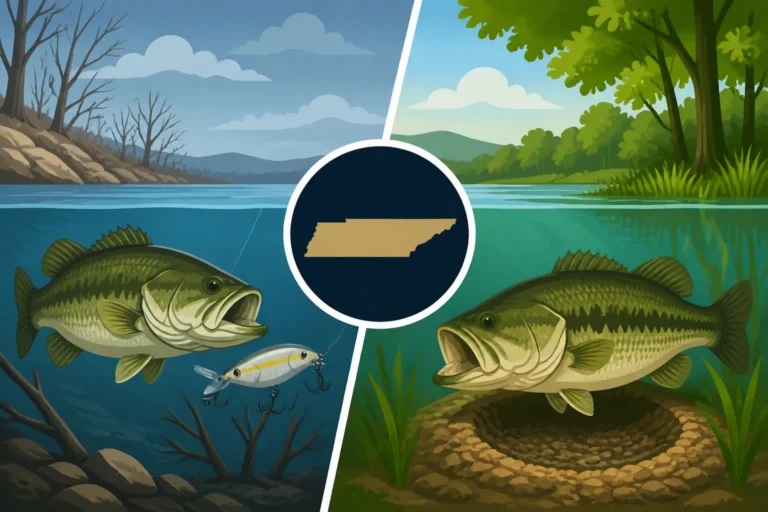
When the water temperatures consistently hit that 60-70 degree range, bass will move onto shallow flats, protected coves, and creek arm pockets to create their nests, or "beds." These beds are circular, cleared-out depressions on the bottom, usually visible in clear water. They’ll often be found near hard bottom, such as gravel, sand, or shell beds, typically in 1-5 feet of water, often tucked close to some form of cover like docks, logs, submerged brush, or even isolated clumps of grass. On Norris Lake, known for its clear water, these beds can be surprisingly easy to spot with polarized sunglasses.
Look for areas that receive plenty of sunlight, as this helps keep the eggs warm. Wind-protected areas are also prime, as choppy water can disrupt the eggs or make guarding them difficult. Keep an eye out for darker shadows or slight disturbances in the water, which could indicate a bass fanning its bed. Don't forget that both male and female bass will be active on or around these beds, with males doing most of the fanning and guarding.
Approaching Spawning Bass Ethically
Catching a spawning bass can be controversial, and it's important to approach it ethically. Many anglers choose to avoid targeting bedding bass directly, especially the large females, to ensure the successful reproduction of the species. If you do target them, practice catch and release, handle the fish minimally, and return them to the water as quickly as possible. The goal is to avoid stressing the fish to the point where they abandon their nests.
When you spot a bed, approach it quietly and from a distance. Don't drive your boat directly over the bed. Use a trolling motor to maintain position or even anchor if conditions allow. Stealth is your friend. Observing the fish for a few minutes can tell you a lot about its behavior and aggression level. Sometimes, simply presenting a bait near the bed is enough to trigger a strike from a protective bass. This often applies to fishing in high-pressure areas like Percy Priest Lake, which is popular near Nashville, where you'll find plenty of anglers trying to capitalize on the spawn. If you're fishing Pre-Spawn Bass Fishing Timing on Tennessee's Percy Priest Lake, you'll notice how important these ethical considerations become.
Lures and Tactics for Spawning Fish
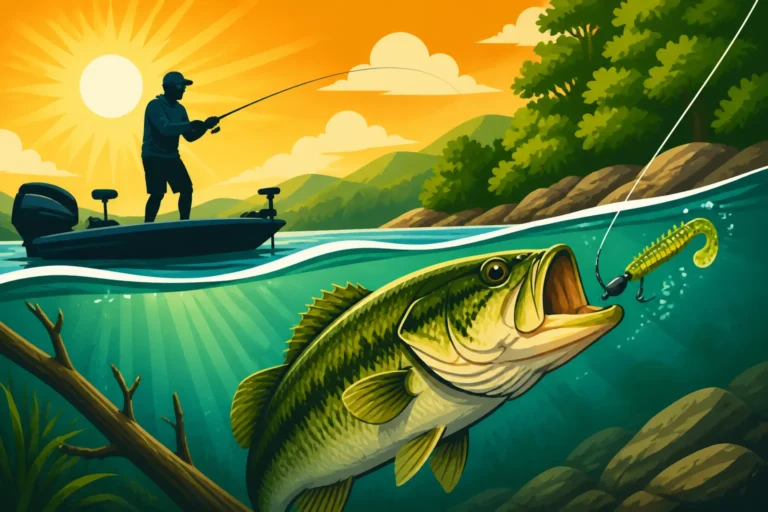
Spawning bass are not typically feeding aggressively; they're reacting defensively to perceived threats to their eggs. Therefore, you want baits that annoy them or appear to be intruding. Soft plastics are king here. Weightless worms, wacky-rigged Senkos, creature baits, or lizards pitched directly onto the bed are highly effective. The key is to let the bait sit in the bed, twitching it occasionally, until the bass picks it up to move it away. Colors that contrast with the bottom, like white, chartreuse, or even bright pink, can make the bait more visible and irritating to the bass.
Small jigs, often called "bedding jigs," can also work well. These are typically compact jigs with a small trailer that can be slowly hopped or dragged across the bed. The trick is patience. You might have to make multiple casts and let the bait sit for a long time before the bass finally grabs it. Polarized sunglasses are absolutely essential for spotting beds and observing the bass's reaction to your bait. Knowing How the Tennessee Bass Spawn Affects Where They Bite is key here, as their typical feeding areas are abandoned for these shallow nests.
Post-Spawn: Recovery and Summer Patterns
The post-spawn period is often the most challenging time for anglers. The bass, particularly the females, are exhausted from the spawning process. They've spent weeks fasting, fanning beds, and guarding eggs, and their bodies are depleted. This is often referred to as the "post-spawn funk" or "post-spawn blues," and it can leave anglers scratching their heads.
Understanding Post-Spawn Blues
Imagine running a marathon, then having to immediately guard a nest of newborn chicks from predators. That's essentially what a female bass goes through. They've used up a tremendous amount of energy, and their primary focus shifts from reproduction back to recovery. Their immediate need is to regain strength, which often means retreating to slightly deeper, cooler water, and becoming less aggressive feeders for a while. Males might linger on the beds longer, guarding the fry, but once the fry disperse, they too will begin their recovery.
This period typically occurs from late spring into early summer, as water temperatures continue to climb into the mid-70s and beyond. The bass aren't necessarily "shut down," but their feeding windows might be shorter, and their preferred baits often change. They might be less inclined to chase fast-moving lures and prefer something more subtle and easily digestible.
Finding Recovering Bass
After the spawn, bass start to migrate from the shallow spawning flats back towards their deeper summer haunts. You'll often find them in intermediate depths, typically 5-15 feet, hanging out on secondary points, channel swings, and submerged cover near the mouths of spawning coves. They'll also orient themselves around vertical structure like bluff walls, bridge pilings, or deep docks, which offer both shade and access to deeper water.
Look for areas where there’s still some cover – submerged grass lines, brush piles, or scattered rock – that offers them security and ambush points for baitfish. Shad often school up in these areas, providing an easy meal for recovering bass. This is when your fish finder can be invaluable, helping you locate schools of baitfish and the bass lurking nearby. You can find quality fish finders on Amazon that can help you scout these post-spawn transitional zones.
Transitioning to Summer Patterns
As the post-spawn recovery progresses and water temperatures stabilize further, bass will gradually transition into their full summer patterns. This means they'll move towards their deeper main lake structures, often congregating around thermoclines in reservoirs like Watts Bar Lake. They'll still feed, but their feeding windows might shift to early mornings, late evenings, or even night, especially in the heat of summer.
Topwater baits can be incredibly effective during these low-light periods. Poppers, walking baits, and buzzbaits fished over submerged grass or around isolated cover can elicit explosive strikes. During the day, deep-diving crankbaits, Carolina rigs, and drop shots fished on offshore humps and ledges become the go-to techniques. Knowing the Best Time of Day to Catch Bass becomes critical during this phase, as those golden hours around dawn and dusk offer the most consistent action.
Regional Variations in Tennessee's Bass Spawn
Tennessee is a long state, stretching from the Appalachian Mountains in the east to the Mississippi River lowlands in the west. This geographical diversity means that the bass spawn doesn't happen uniformly across the state. Understanding these regional nuances is key to timing your fishing trips effectively.
East Tennessee Lakes vs. West Tennessee Lakes
The eastern part of Tennessee, with its higher elevations and often deeper, rockier reservoirs like Norris Lake, typically experiences a later bass spawn than the shallower, flatter lakes of West Tennessee. The water in East Tennessee simply takes longer to warm up to those critical temperatures. You might see the first signs of pre-spawn in East Tennessee in late March, with the main spawn hitting in April and extending into May, especially in the deeper, colder sections of lakes.
Conversely, West Tennessee lakes, such as Reelfoot Lake and the Tennessee River impoundments like Kentucky Lake on the Tennessee side, warm up much faster. Their shallower depths and more fertile waters mean the spawn can kick off earlier, sometimes in late March, peaking in April, and winding down by early May. This difference of a week or two, or even more, can be significant when planning a fishing trip across the state. If you're targeting smallmouth, which prefer colder waters, their spawn will often precede that of largemouth in both regions. For more specific limits, refer to the Tennessee Smallmouth Bass Limit Explained.
Highland Reservoirs vs. Lowland Rivers
Within each region, you also have differences between the large, deep highland reservoirs and the shallower lowland rivers or their associated backwaters. Highland reservoirs, by nature of their depth and often clearer water, tend to have a more staggered and sometimes later spawn. Different sections of the same lake, such as the upper, riverine arm versus the lower, main-lake basin, can also have varied spawn timings due to differences in water temperature and clarity.
Lowland rivers and their oxbows or shallower impoundments often experience a faster, more condensed spawn. The water warms quickly, and the bass might move in and out of spawning areas rapidly. These areas are also more susceptible to water level fluctuations from rainfall or dam operations, which can heavily influence the spawn's success. Always check local fishing reports and water generation schedules for rivers like the Tennessee River before heading out. Anglers targeting largemouth bass should also be mindful of the Tennessee Largemouth Bass Limit Is 5 Per Day, Only 1 Over 18 Inches and ensure they are compliant.
Here's a general overview of typical bass spawn timing across Tennessee, keeping in mind that actual timing varies annually based on weather:
| Region | Typical Water Temp Range | Pre-Spawn Activity | Peak Spawn Window | Post-Spawn Transition |
|---|---|---|---|---|
| West Tennessee | 58-70°F | Mid-March – Early April | April | Late April – Mid-May |
| Middle Tennessee | 55-68°F | Late March – Mid-April | Late April | May |
| East Tennessee | 53-65°F | Early April – Late April | Early May | Late May – Early June |
This table is a guideline, not a guarantee. The most successful anglers are those who stay flexible, keep an eye on real-time water temperatures (many marine electronics you can find on Amazon feature temp gauges), and adjust their plans accordingly.
The Importance of Observing Local Conditions
Ultimately, while statewide patterns provide a valuable framework, the most accurate information will come from observing local conditions. A cold front rolling through Nashville might delay the spawn on Percy Priest Lake, but a sunny, stable week in Knoxville could mean Watts Bar Lake is right on schedule.
Your fellow anglers are an invaluable resource. Chat with folks at the bait shop, check local fishing forums online, or tune into regional fishing reports. They can often provide insights into current water temperatures, clarity, and where fish are being caught. Investing in a good fishing thermometer is also a smart move. After all, the bass don't read calendars; they read thermometers. Staying informed and adaptable is your best bet for consistently finding bass during the spawn.
Disclaimer
The information provided in this guide is for general informational purposes only. Fishing regulations, seasons, and limits are subject to change. Always consult the latest Tennessee Wildlife Resources Agency (TWRA) regulations before heading out on the water. Ensure you have the appropriate licenses and permits. Fishing inherently carries risks; always prioritize safety and adhere to all boating and fishing laws.