Tightlining Techniques for Crappie
There’s nothing quite as frustrating as knowing crappie are in the water, but they just won't commit to your usual presentation. Whether they're holding tight to deep structure or barely nibbling during a cold front, a static, sensitive approach can be the game-changer. This comprehensive guide will pull back the curtain on tightlining techniques, helping you unlock the secrets to consistently catching crappie in Tennessee's diverse waters.
Understanding Tightlining for Crappie
Crappie fishing, for many, conjures images of bobbers dancing or spider rigs fanning out across the lake. But when conditions get tough, or the fish move deep, those methods can fall short. That’s where tightlining comes into its own, offering a direct, sensitive connection to your lure and, more importantly, to the subtle bites of a finicky crappie.
What Exactly is Tightlining?
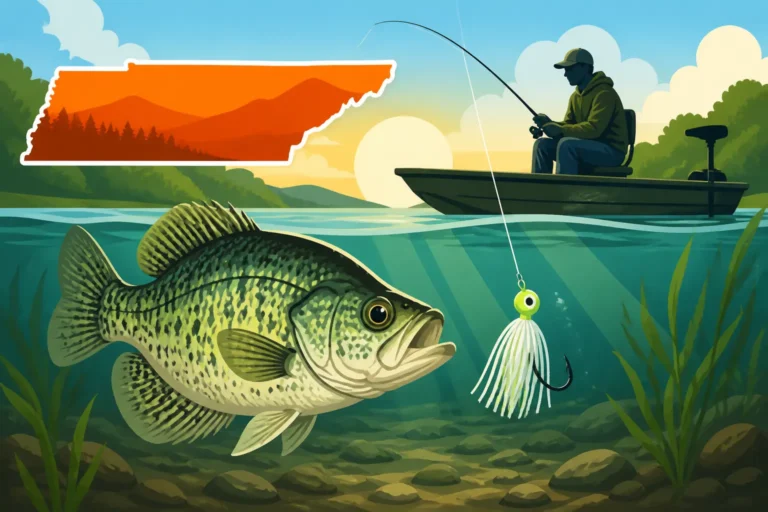
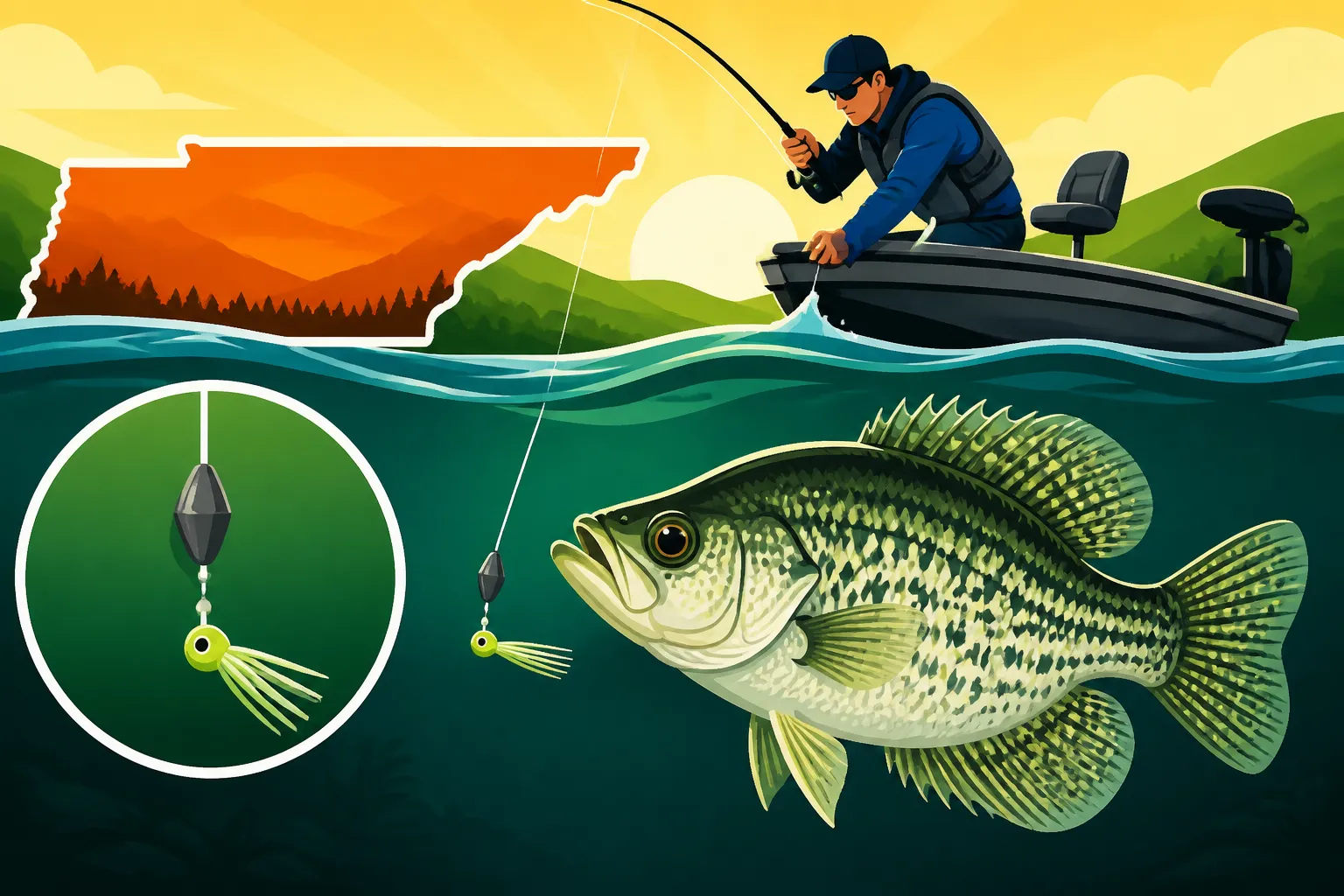
At its core, tightlining is about maintaining constant, direct contact with your bait or jig, eliminating slack in your line. Imagine holding your rod tip directly over your lure, feeling every subtle twitch, bump, or the almost imperceptible "tick" of a crappie inhaling your offering. It's a method that relies heavily on feel and visual cues from your line, rather than waiting for a float to disappear. While it can involve gentle jigging, the emphasis is on vertical presentation and sensitivity. Anglers often employ long, sensitive rods to extend their reach and enhance their feel, allowing them to precisely present a small jig or minnow rig right in the fish's strike zone. This technique is especially effective when fish are schooled up or holding tight to specific pieces of cover that might be hard to reach with a cast-and-retrieve method.
Why Tightline for Tennessee Crappie?
Tennessee's lakes and rivers are legendary for crappie, from the sprawling open waters of Kentucky Lake to the deep, clear reservoirs like Norris Lake. These diverse environments often present scenarios where traditional methods struggle. For example, during colder months, crappie often retreat to deeper waters, suspending over channel breaks or congregating around submerged timber. Trying to cast a light jig to these deep-holding fish with a bobber is often inefficient and lacks the necessary feel to detect light bites.
Tightlining becomes your secret weapon here. It allows you to precisely position your bait at a specific depth, often directly over or within a school of fish you’ve located on your fish finder. When crappie are less active, their bites can be incredibly subtle – sometimes just a slight pressure, a momentary halt in the line's fall, or a tiny twitch of your rod tip. Without a tight line and a sensitive setup, these ghost bites would go unnoticed, leaving you wondering why the fish aren't biting. This method also shines when targeting crappie hiding in dense brush piles or thick timber, common features in many Tennessee reservoirs. The direct line control minimizes snags and allows for surgical placement of your bait, coaxing out those slab crappie that are hesitant to chase. For a broader perspective on how crappie behavior changes, check out our guide on the Tennessee Crappie Fishing Guide by Season.
Essential Gear for Successful Tightlining
Just like any specialized fishing technique, tightlining for crappie has a few gear nuances that can make a world of difference. Having the right tools won't just improve your catch rate; it'll also enhance your overall experience, allowing you to truly feel the magic of a subtle crappie bite.
Rods and Reels for Precision
When it comes to tightlining, your rod is your primary sensor. You need something that can transmit the slightest tap from a crappie, yet still have enough backbone to handle a decent fight. The ideal rod is typically a longer, fast-action spinning rod, often in the 7 to 10-foot range, though some anglers go even longer, especially for spider rigging. The extra length provides several advantages: it allows you to keep more line off the water, reducing wind interference and increasing sensitivity; it helps you reach further out from the boat without casting; and it provides better leverage for steering fish out of cover.
Look for a rod with a very sensitive tip (light or ultra-light power) that flexes easily, but transitions into a solid backbone. Graphite rods are usually preferred over fiberglass for their superior sensitivity. As for reels, a small, lightweight spinning reel (like a 1000 or 2000 series) is perfect. You don’t need a lot of line capacity or heavy drag, but a smooth drag system is always a plus for those unexpected larger fish. The key is balance – a reel that pairs well with your rod without making it feel tip-heavy or cumbersome, especially when holding it for extended periods. For specific recommendations on tackle, our article on Best Tackle for Tennessee Crappie Fishing offers more insights.
Line Selection Matters
The line you choose is the direct connection between you and the fish, so it plays a critical role in tightlining sensitivity and success. There are a few popular choices, each with its own pros and cons:
- Monofilament: Often the most forgiving, mono has stretch which can be good for beginners or when fish are tearing off hooks. However, that stretch also reduces sensitivity, making it harder to detect light bites in deeper water. It's affordable and has good knot strength.
- Fluorocarbon: This is a fantastic option for tightlining. It has much less stretch than mono, providing superior sensitivity. It’s also nearly invisible underwater, which can be a huge advantage in clear waters like those found in parts of Center Hill Lake. Fluorocarbon is denser than mono, so it sinks faster, helping your light jigs get down to depth quicker. The main downsides are its higher cost and sometimes stiffer memory, which can lead to coils.
- Braided Line: The most sensitive of the bunch, braided line has virtually no stretch. You'll feel everything! However, it is highly visible, which can spook wary crappie. Many anglers use braided line as their main line and then tie on a fluorocarbon or monofilament leader (often 4-6 feet long) to get the best of both worlds: sensitivity with stealth. This also acts as a shock absorber.
For crappie, a line strength between 4-8 lb test is generally sufficient. Lighter lines offer better sensitivity and less water resistance, allowing jigs to fall more naturally. However, go too light, and you risk break-offs, especially around heavy cover.
Here’s a quick comparison of popular line types for tightlining:
| Line Type | Sensitivity | Stretch | Visibility | Sinking Rate | Abrasion Resistance | Typical Use Case |
|---|---|---|---|---|---|---|
| Monofilament | Medium | High | Medium | Slow | Medium | All-around, forgiving, good for top-to-mid water |
| Fluorocarbon | High | Low | Low (Clear) | Medium | High | Deep water, clear water, maximum sensitivity |
| Braided | Very High | None | High | Fast | Very High | Main line with leader, heavy cover, extreme depth |
Jigs, Hooks, and Weights
The business end of your tightlining setup is crucial. Crappie jigs are typically small, ranging from 1/32 oz to 1/8 oz, though you might go heavier in deeper water or strong current. The key is to use the lightest jig possible that still allows you to reach and maintain contact with the desired depth. Jig heads come in various shapes and colors; round head jigs are versatile, while stand-up heads can be good for presenting off the bottom.
Soft plastic bodies for crappie jigs are diverse. Small tubes, grubs, and tiny minnow imitations are staples. Experiment with colors based on water clarity and forage. In clear water, natural colors like smoke, clear, or white often work well. In stained or muddy water, bright colors like chartreuse, orange, or pink can be more effective. For live bait, small minnows hooked through the lips or dorsal fin are deadly. Use a small, sharp hook (size 4 to 8, long shank is good for minnows) and a split shot or small bullet weight a foot or so above the hook to get it down. Many anglers prefer Eagle Claw or Gamakatsu hooks for their sharpness. You can find a vast selection of these jig heads, soft plastics, and hooks on Amazon, ready to be delivered for your next fishing trip.
The Importance of a Good Fish Finder
In tightlining, your fish finder isn't just a luxury; it's practically a necessity. Tightlining is inherently a precision game, and you can't be precise if you don't know exactly what's beneath your boat. A quality fish finder allows you to:
- Locate crappie schools: Modern units with down imaging and side imaging can paint a clear picture of fish congregating, whether they’re suspended in open water or tucked tight into a brush pile. This takes the guesswork out of where to drop your jig.
- Identify structure: You can pinpoint submerged trees, rock piles, old roadbeds, and channel swings – all prime crappie real estate. Knowing the exact depth and contour of these features helps you present your bait right where the fish are hiding.
- Monitor depth and retrieve: You can watch your jig on the screen as it falls, ensuring it reaches the desired depth. You can also see how fish react to your presentation, letting you know if you need to adjust your retrieve speed or jigging motion.
- Track your drift: Understanding how current and wind affect your boat’s position relative to the fish or structure is vital for maintaining that vertical presentation.
Brands like Humminbird and Garmin offer excellent fish finders with features like CHIRP sonar, Down Imaging, and Side Imaging that make finding crappie and their habitat much easier. Investing in a good unit, as detailed in our Best Fish Finders for Tennessee Reservoir Fishing article, can dramatically improve your tightlining success, turning a guessing game into a targeted operation.
Mastering Tightlining Techniques
Once you've got your gear dialed in, it's time to put these techniques into practice. Tightlining isn't just about dropping a line; it's about subtle movements, careful boat control, and an almost intuitive understanding of what's happening beneath the surface.
Vertical Jigging in Open Water
When crappie are suspended in open water, often over deep channels or flats, vertical jigging is your go-to tightlining strategy. The first step is to locate these suspended schools using your fish finder. Look for arches or concentrated marks at specific depths, which could indicate a thermocline or simply a preferred feeding zone. Once you're over the fish, deploy your bait directly beneath the boat.
The "vertical" part is key. You want your line to drop straight down, minimizing the angle, which enhances sensitivity and ensures your jig falls naturally. Use your trolling motor to maintain your position, often gently drifting or slowly moving to cover ground while staying on top of the school. The jigging motion itself should be minimal – often just a slight lift and fall of the rod tip, perhaps six inches to a foot, or sometimes just holding it perfectly still. The idea is to entice the crappie without making them work too hard to catch your bait. Many times, the bite will occur as the jig falls, or when it's suspended motionless. Pay close attention to your line where it enters the water; any subtle twitch, jump, or slackening can indicate a bite. For more jigging specifics, explore our article on How to Jig for Crappie.
Targeting Structure and Cover
Crappie are notorious for holding tight to structure, whether it’s a brush pile, a submerged tree, boat docks, or bridge pilings. These features provide ambush points, shade, and protection, making them magnets for crappie. Tightlining excels in these scenarios because it allows for surgical precision.
Approach the structure slowly, again using your fish finder to pinpoint the exact location of fish within or around the cover. Once you’ve identified where the fish are, drop your jig right into their living room. This often means dropping it into the branches of a submerged tree or right beside a dock post. The direct, vertical presentation minimizes snags compared to casting. When fishing dense cover, you might need to adjust your jigging technique. Sometimes a completely motionless presentation is best, letting the crappie find the bait. Other times, a very slow, almost imperceptible lift and drop can trigger a strike. Always be mindful of getting hung up, and be ready to gently pull your jig free if you feel resistance that isn't a fish. Lakes like Percy Priest Lake and Watts Bar Lake are prime examples where crappie relate heavily to structure, making this technique indispensable.
Reading Your Electronics
Your fish finder is your underwater eyes, and learning to interpret its readings is fundamental to successful tightlining.
- Fish Arches: Classic fish arches indicate fish, but pay attention to their size and density. Tighter, denser arches often mean larger, more active crappie.
- Bait Balls: If you see schools of baitfish, crappie are likely nearby, often just below or on the edges, waiting to ambush.
- Thermoclines: In summer, a distinct line on your sonar screen might indicate a thermocline, a layer where water temperature changes rapidly. Crappie often suspend just above this layer, where oxygen levels are optimal.
- Bottom Contour: Understand the bottom. Is it a flat? A channel edge? A hump? Crappie will often position themselves along these subtle changes.
- Structure Identification: Modern units with Down Imaging and Side Imaging can reveal astonishing detail of submerged brush piles, timber, and rock formations. Use these tools to identify the prime ambush spots within the structure.
By constantly monitoring your electronics, you can adjust your boat position, jig depth, and presentation in real-time, greatly increasing your chances of finding and catching crappie. For more on maximizing your fish finder, see our article Best Fish Finders for Tennessee Reservoir Fishing.
The Art of the Crappie Bite
This is perhaps the most challenging, yet rewarding, aspect of tightlining. Crappie bites can be incredibly subtle, especially in cold water or when fish are stressed. Forget those aggressive tugs you get from a hungry bass. A crappie bite often manifests as:
- A "tick": A very faint, almost electrical sensation felt through the rod.
- Increased pressure: Your line might just feel a little "heavier" than normal.
- Slack line: Sometimes a crappie will swim up and grab the jig, causing your line to go momentarily slack.
- A "mushy" feeling: The rod tip might feel like it's dragging through something soft.
- Line movement: The line entering the water might twitch sideways, jump up, or simply stop falling prematurely.
It takes practice to differentiate these subtle bites from bumping structure or weed. When you suspect a bite, don't set the hook with a violent swing. Instead, make a quick, firm sweep of the rod, typically upward or to the side, taking up slack and pulling the hook home. A too-hard hookset can often pull the small hook right out of a crappie’s paper-thin mouth. Over time, you’ll develop an instinct for these subtle takes, turning frustrating moments into successful hookups.
Advanced Tightlining Strategies for Tennessee Waters
Once you've got the basics down, you can start refining your tightlining approach to become even more effective, adapting to different conditions and situations unique to Tennessee's excellent crappie fisheries.
Seasonal Adjustments
Crappie behavior, and thus effective tightlining, changes dramatically throughout the year in Tennessee.
- Spring: During the Spring Crappie Spawn Timing in Tennessee, crappie move shallow to spawn. While you might still use tightlining for targeting deeper pre-spawn staging areas (like channels leading to spawning flats), the actual spawning activity often lends itself to casting or bobber fishing. However, after a cold front pushes them off the beds, tightlining to nearby cover in slightly deeper water becomes highly effective.
- Summer: When the summer heat sets in, crappie often retreat to deeper, cooler waters, suspending over main lake channels or associating with deep timber and brush piles. This is prime time for vertical tightlining. Focus on areas with good oxygen, often found around deeper structure or submerged creek beds. Our guide on How to Find Crappie in Summer provides excellent tips for this season.
- Fall: As water temperatures drop, crappie become more active and start feeding aggressively, often moving shallower again before the deep cold sets in. They can be found around baitfish schools in creeks and main lake pockets. Tightlining can be used to target suspended schools or structure, but you might also find success with controlled drifts, covering more water while maintaining vertical contact.
- Winter: This is arguably when tightlining truly shines. Crappie become lethargic and congregate in very deep water, often suspending in large schools over channel bends or relating to deep structures. Bites are incredibly light. Using the most sensitive gear and a precise tightlining presentation is essential to detect these subtle takes. For detailed advice, check out How to Catch Crappie in Cold Water.
Adjusting your jig size, fall rate, and presentation depth to match the season and crappie activity level is critical.
Bait and Lure Color Selection
Color can make a significant difference, especially with crappie known for being particular.
- Water Clarity: In clear water, such as portions of Norris Lake or Dale Hollow, natural colors like smoke, clear with glitter, white, or light blue often produce better. These mimic natural forage like shad or small minnows. In stained or murky water (common after heavy rains on rivers like the Tennessee River or in some areas of Reelfoot Lake), brighter, more fluorescent colors like chartreuse, electric chicken, pink, or orange can be crappie magnets. These colors provide a better silhouette and are more easily seen in low visibility.
- Forage: Pay attention to the local forage base. If you see small shad flickering on your fish finder, a jig that mimics a shad’s profile and color will likely be more effective. If crappie are feeding on small invertebrates, a more subtle grub or tube might be the ticket.
- Sunlight: On bright, sunny days, darker or more subtle colors might be preferred. On cloudy days or at dawn/dusk, brighter colors or those with UV properties can often get more attention.
Don't be afraid to experiment. Start with a couple of tried-and-true local favorites, but if they aren't producing, cycle through various colors until you find what the crappie want on that particular day. Having a variety of jig heads and soft plastic bodies on hand, perhaps sourced from Amazon, ensures you're ready for any situation.
Multi-Rod Setups
While tightlining often implies holding one rod for maximum sensitivity, many experienced crappie anglers in Tennessee utilize multi-rod setups, especially when fishing from a boat. This technique, often called "spider rigging," involves deploying multiple rods (up to the legal limit, which is three rods per angler in Tennessee) from holders around the boat, each rigged with a tightlining setup.
Each rod is typically set at a different depth or with a slightly different bait/color combination. This allows you to:
- Cover multiple depths: You can present baits at various depths simultaneously, quickly identifying the crappie's preferred feeding zone.
- Experiment with baits: Different jigs, colors, or live bait presentations can be deployed without constantly re-tying.
- Increase your odds: More lines in the water often mean more opportunities for a bite.
- Maintain boat control: With rods spread out, you can gently drift or use your trolling motor to cover a wider swath of water over a school of fish or along a contour.
The key to effective spider rigging for tightlining is constant monitoring of all rods. Even with multiple rods, you're still looking for those subtle taps or line twitches that indicate a bite. High-quality rod holders that allow for quick removal of the rod are essential. This method is incredibly effective for covering large areas, especially on big reservoirs like Chickamauga Lake or Kentucky Lake, where crappie schools can be spread out. Just remember to always be aware of the Crappie Limit in Tennessee is 20 fish per day and other regulations, even with multiple lines out.
Common Tightlining Challenges and Solutions
Even the most seasoned crappie anglers encounter challenges. Tightlining, while effective, isn't immune to these. Knowing how to troubleshoot common issues can turn a frustrating day into a successful one.
Dealing with Snags
Fishing for crappie often means targeting structure – brush piles, submerged trees, rock beds. While effective, this also means snags are an inevitable part of the game. The key is to minimize them and know how to deal with them when they happen.
- Prevention: Use the lightest weight possible that still allows you to maintain contact with your jig. This makes it easier for the jig to "float" over obstructions rather than wedge into them. Pay constant attention to your fish finder and avoid dropping directly into the densest part of a brush pile. Instead, try to fish around the edges or just above the top of the cover. A single hook jig tends to snag less than a treble hook.
- Retrieval Techniques: When you feel a snag, don't just yank hard immediately. First, try to gently jiggle the rod, easing the jig off the obstruction. If that doesn't work, try letting some slack in the line and then pulling sharply, sometimes the jig will pop free. If you're in a boat, a common trick is to slowly drive directly over the snag, pulling the line from the opposite direction of the snag. This often changes the angle of pull and can free the lure. If all else fails, a lure retriever (a heavy, weighted device that slides down your line to knock the lure free) can be a lifesaver, especially if you're using an expensive jig.
Windy Conditions
Wind is the bane of many anglers, and for tightlining, it can be particularly challenging. Strong winds can make boat control difficult, create unwanted line slack, and significantly reduce sensitivity.
- Boat Control: Your trolling motor becomes your best friend in windy conditions. Use it to constantly correct your drift and maintain a vertical presentation. If the wind is very strong, sometimes anchoring or using a drift sock to slow your movement is necessary, though this limits your ability to cover water. You might also consider fishing a more protected bank or cove.
- Heavier Jigs: When wind makes it hard to feel your light jig, or pushes your line too much, you might need to go up a size or two in your jig weight. While the general rule is "lightest possible," sometimes a 1/8 oz or even 1/4 oz jig is necessary to punch through the wind and maintain that tight line. The downside is reduced sensitivity with heavier jigs, but it's better than no sensitivity at all.
- Line Management: Keep as much line out of the water as possible, using a longer rod if available. Watch your line where it enters the water for any subtle movement caused by wind, and try to distinguish it from a bite. Consider using fluorocarbon or braided line with a leader, as their lower diameter and density can help cut through the wind and reduce line bow.
Finicky Fish
Sometimes, even with the perfect presentation, crappie just aren't in a biting mood. This is where patience and subtle adjustments come into play.
- Slowing Down: When crappie are finicky, they often don't want to chase. Slow your presentation to a crawl. Sometimes, holding the jig perfectly still for an extended period is what it takes. Let it sit in the strike zone, mimicking a struggling baitfish or insect.
- Downsizing: If your standard 1/16 oz jig isn't working, try dropping down to a 1/32 oz or even 1/64 oz. Use a smaller plastic grub or tube, or switch to a tiny minnow. Smaller baits can often tempt lethargic crappie into biting.
- Scent: Adding a scent to your jigs can sometimes make a difference. Commercial crappie scents, often anise-based or garlic-based, can mask human odors and encourage crappie to hold onto the bait longer, giving you more time to detect the bite.
- Color Changes: Revisit your lure colors. Sometimes a subtle shift from chartreuse to a natural shad color, or vice-versa, is all it takes to trigger a strike.
- Depth Adjustment: If you're marking fish but not getting bites, try moving your bait just above or below them. Sometimes they want the bait presented exactly at eye level, other times they prefer to look up or down for it. Even a foot or two can make a difference.
- Time of Day: Consider if the time of day is a factor. Crappie activity often peaks during dawn and dusk, but can also be influenced by moon phases or sudden weather changes.
Remember, every day on the water is a learning experience. What worked yesterday might not work today, so adaptability is crucial, especially when the fish are playing hard to get. Whether you are fishing from the bank or a boat, adapting your approach is key.
Disclaimer
Please be aware that fishing regulations, including license requirements, catch limits, and boating laws, can change. Always consult the latest Tennessee Wildlife Resources Agency (TWRA) official regulations before heading out on the water. This guide is for informational purposes only and should not replace official sources.