How to Fish for Trout in a Stocked Pond
Oh, the allure of a stocked trout pond! It sounds so easy on paper, doesn't it? Just show up, cast a line, and reel in a beautiful rainbow or brook trout. But let's be real, many of us have shown up to these seemingly simple spots only to be met with frustrating silence and empty creels. It's enough to make you wonder if the fish are even there! This guide is going to walk you through exactly how to approach fishing for trout in those stocked ponds here in Tennessee, turning those frustrating days into memorable catches.
Understanding the Stocked Pond Environment
Fishing a stocked pond isn't quite the same as fishing a wild trout stream in the Smokies or a massive reservoir like Chickamauga Lake. Stocked trout, especially those newly introduced, behave differently than their wild counterparts. They've lived a sheltered life, often in raceways, and their instincts aren't always finely tuned for survival in a natural pond. Knowing this is your first step to success.
The Behavior of Stocked Trout
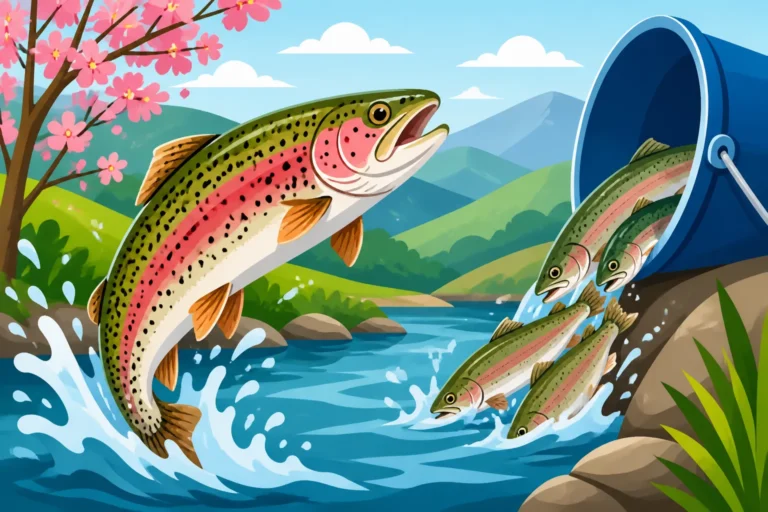
When trout are first stocked, they often exhibit what anglers call a "naive" phase. They're disoriented, sometimes stressed, and primarily focused on finding easy food. This can last for a few days to a week. During this period, they might bite on almost anything that resembles food. After this initial phase, they start to "wise up." They become more wary, more selective, and sometimes revert to their natural instincts if the pond offers enough cover and natural forage. The key is to understand that they're still often less wary than wild fish, making them an excellent target for beginners or those looking for more consistent action. They're used to being fed regularly, so they're often looking for a meal.
Consider how the Tennessee Wildlife Resources Agency (TWRA) manages these stockings. They want to ensure a good experience for anglers, which means these fish are put in places where they can be caught. But even "easy" fish still require a bit of finesse. They're not just jumping onto your hook, though sometimes it might feel that way on a really good day!
Pond Features and Trout Holds
Even in a man-made, stocked pond, trout will seek out certain features. They're still fish, after all, and their basic needs for cover, food, and comfortable water temperatures remain.
- Deeper Areas: Trout prefer cooler water, so deeper sections of the pond are often prime spots, especially during warmer parts of the day or year. These deeper pockets provide a thermal refuge.
- Structure and Cover: Look for fallen trees, rock piles, culverts, or even artificial structures like submerged Christmas trees that some pond owners put in. These provide shelter from predators (like birds of prey or larger fish) and offer ambush points for feeding.
- Inflows/Outflows: Any incoming fresh water, like a small stream or spring, can create a cooler, oxygenated current that trout will gravitate towards. Similarly, areas where water exits the pond might concentrate food.
- Shady Spots: Overhanging trees, docks, or even the shadows cast by banks can offer crucial relief from direct sunlight, which trout generally dislike.
- Wind-Blown Banks: Wind can push insects and other small food items towards one side of the pond, creating a natural feeding lane.
Understanding these elements can guide your casts. Instead of just throwing your line anywhere, you'll start to read the water, just like you would on a wild river. You're trying to figure out where the fish want to be, not just where it's convenient for you to cast.
Essential Gear for Stocked Pond Trout
You don't need a massive investment to get started, which is one of the beauties of fishing stocked ponds. While specialized gear can be fun, a basic setup will absolutely get the job done.
Rod and Reel Setup
For stocked trout, a light to ultralight spinning rod and reel combo is generally your best friend.
- Rod: Look for a rod in the 5-foot to 7-foot range with a light or ultralight action. This sensitivity allows you to feel the subtle bites of trout and makes even a small fish feel like a feisty fighter. A fast action tip will help with casting lighter lures and detecting those delicate takes. Brands like Ugly Stik or St. Croix offer great options that you can often find easily on platforms like Amazon.
- Reel: Pair it with a small spinning reel, typically a 1000 or 2000 series. The key here is smooth drag. Trout, even stocked ones, can make quick runs, and a sticky drag will lead to snapped lines.
- Line: For line, 2-6 pound test monofilament or fluorocarbon is ideal. Monofilament is forgiving, stretches a bit, and is generally easier for beginners to manage. Fluorocarbon is nearly invisible underwater and has less stretch, offering more sensitivity, but it can be a bit trickier to tie knots with. Avoid anything heavier than 6-pound test unless you're specifically targeting much larger, more aggressive trout, as it can be too visible and reduce your bite rate. Learning about different line weights and types is a fundamental part of Spin Fishing Techniques for Trout.
Baits and Lures
This is where the fun begins, and where stocked trout can be surprisingly versatile. Since they're often still quite naive, a wide range of options can be effective.
- Prepared Baits: These are absolute staples for stocked trout. PowerBait (in various forms like nuggets, dough, or PowerWorms) and corn are incredibly popular and effective. Why? Because these fish were often fed a pelletized diet, and these baits mimic that texture and scent profile. Marshmallows, especially small, colored ones, can also work surprisingly well, floating just off the bottom.
- Live Baits: Worms (nightcrawlers, red wigglers) are universally effective. Crickets and small minnows (check local regulations on minnow use) can also entice strikes. The natural movement and scent of live bait are often irresistible.
- Artificial Lures: Small spinners (like Mepps Aglias or Rooster Tails), tiny spoons (Kastmasters, Little Cleos), and small jerkbaits are excellent choices. Vary your retrieve speed and depth until you find what the fish are reacting to. The flash and vibration can mimic fleeing baitfish or insects. For a deeper dive into what works, check out Best Lures for Stocked Rainbow Trout.
- Flies: Don't count out fly fishing, even in a pond! Small nymphs (like Hare's Ear or Pheasant Tail), tiny streamers (Woolly Buggers), or even dry flies if there's a hatch can be deadly. If you're keen to learn more, exploring Fly Fishing Basics for Trout could open up a whole new world.
It's always a good idea to bring a variety of options. What works one day might not work the next, or what one trout prefers, another might ignore. Having a small tackle box or a compact lure assortment, perhaps from Amazon, can really make a difference.
Effective Techniques for Catching Stocked Trout
Now that you have your gear, let's talk tactics. The beauty of stocked ponds is that you can often experiment more freely than in wilder environments.
Still Fishing with Bait
This is arguably the most common and often most effective method for stocked trout, especially when they're fresh from the hatchery. It’s all about presenting a static, enticing meal.
- Bottom Fishing: This involves letting your bait sink to the bottom. Use an egg sinker (or similar sliding sinker) above a small swivel, with a 12-18 inch leader (2-4 lb test) tied to a small hook (size 8-12). This allows the fish to pick up the bait without feeling the weight of the sinker. PowerBait often works best here, molded around the hook to float just off the bottom. This keeps it visible above any weeds or debris.
- Using a Bobber: A simple bobber setup is fantastic, especially for kids or when fish are feeding higher in the water column. Attach a small bobber a few feet above your hook, with a split shot or two crimped on your line a few inches above the hook to help cast and get your bait down. Adjust the depth of your bobber frequently until you find where the fish are holding. This is also a great way to present live baits like worms. Remember, still fishing doesn't mean you don't interact with your bait; give it a little twitch now and then to impart some action and scent!
Casting and Retrieving Lures
When trout are more active, or if the pond has been stocked for a while and they've become more aggressive, casting and retrieving lures can be incredibly exciting.
- Spinners: Cast your small spinner out and begin a steady retrieve. The blade will spin, creating flash and vibration that imitate small prey. Experiment with retrieve speeds – sometimes a slow, steady retrieve is best, other times a quicker, erratic one will trigger a strike. Letting it sink for a few seconds before retrieving can help you cover different depths.
- Spoons: Similar to spinners, spoons flutter and flash as they're retrieved. Cast them out, let them sink to a desired depth, and then retrieve with a wobbling action. You can also try a "lift and drop" retrieve, letting the spoon flutter down on a semi-slack line, which often draws strikes on the fall.
- Small Jerkbaits: These can be highly effective, especially for larger, more acclimated trout. Cast them out, give the rod tip a few sharp jerks to make the lure dart, then pause. Many strikes occur during the pause. Think of it like a distressed minnow trying to escape. Vary your pauses and jerks until you find the cadence that works.
Remember to target those key areas we discussed earlier—deeper water, near cover, or where there's an inflow. A good pair of polarized sunglasses, available from online retailers like Amazon, can help you spot any underwater structure or even cruising fish.
Fly Fishing Techniques
For those who enjoy the art of fly fishing, stocked ponds can offer a fantastic opportunity to practice your casts and presentations without the challenges of river currents.
- Nymphing: This is often the most productive fly fishing method in ponds. Use an indicator (a small bobber-like device) to suspend a weighted nymph pattern (like a Prince Nymph or Copper John) at a specific depth. Cast it out, let it sit, and watch your indicator for any subtle movement, which signals a bite. A slow, almost imperceptible retrieve can sometimes entice a hesitant trout.
- Streamers: Casting and stripping streamers (like Woolly Buggers or Clouser Minnows) can mimic larger baitfish or leeches. Cast them out, let them sink, and then retrieve with short, erratic strips, pausing occasionally. This can provoke aggressive strikes from larger trout.
- Dry Flies: If you see trout rising to the surface, hitting insects, then dry flies are your answer. Match the hatch if possible (meaning use a fly that resembles the actual insects on the water), or try a general attractor pattern like an Elk Hair Caddis or Parachute Adams. The key here is a delicate presentation and a good drift. If you're looking to start, there are many resources on How to Fly Fish for Trout for Beginners.
| Bait/Lure Type | Best Conditions/Behavior | Presentation Tips | Ideal Setup |
|---|---|---|---|
| PowerBait/Dough | Newly stocked, bottom feeders | Mold around hook, float off bottom with egg sinker | Light rod, 2-4lb mono, size 10 hook |
| Worms | All conditions, natural scent | Bottom rig or under a bobber | Light rod, 4lb mono, size 8-10 hook |
| Small Spinners | Active fish, covering water | Steady retrieve, vary speed and depth | Ultralight rod, 4-6lb mono/fluoro |
| Small Spoons | Active fish, deeper water | Lift & drop, erratic retrieve | Ultralight rod, 4-6lb mono/fluoro |
| Nymph Flies | Subsurface feeders, wary fish | Under an indicator, subtle twitches | Fly rod 3-5wt, floating line |
| Streamer Flies | Aggressive fish, imitating bait | Strip retrieve, short pauses | Fly rod 4-6wt, floating/sink-tip line |
Tips for a Successful Day at a Stocked Pond
Beyond just knowing the gear and techniques, a few strategic tips can dramatically increase your chances of success and make your day more enjoyable.
Timing Your Visit
The "when" can be almost as important as the "how" when it comes to stocked trout.
- After Stocking: The days immediately following a trout stocking are often the most productive. The fish are often disoriented and eager to eat anything resembling food. Check the TWRA's stocking schedule or local bait shops for information on when ponds are being replenished. This is when your simpler baits often shine. Learning about the Tennessee Trout Stocking Schedule and Season can give you a significant edge.
- Cooler Weather/Times: Trout are cold-water fish. Early mornings, late evenings, and overcast days are typically better than bright, sunny afternoons, especially as the air temperature rises. During the cooler seasons, like fall and spring, trout will be more active throughout the day. If you're fishing in warmer months, focus on the deepest parts of the pond or areas with cool inflows. The Tennessee Trout Fishing Season Explained can help you plan your trips.
- Weather Fronts: Just like other fish, trout can be affected by weather changes. Often, the fishing is good before a cold front moves in, as fish feed actively. After a cold front, they can become sluggish and less willing to bite. Understanding How Water Temperature Affects Fish Activity is crucial.
Practicing Catch and Release Properly
While stocked ponds often allow for harvest, practicing good catch and release is still important, especially for any fish you don't intend to keep or if you're targeting specific size limits.
- Minimize Handling: Try to keep the fish in the water as much as possible. If you must handle it, wet your hands first to protect its slime coat, which is vital for its health and disease resistance.
- Quick Release: Use barbless hooks or crimp down the barbs on your hooks to make removal easier and quicker. A pair of hemostats or long-nosed pliers, which you can find on Amazon, can also be invaluable for hook removal.
- Revival: If a fish is lethargic, hold it gently in the water, facing upstream (if there's a current) or just gently moving it back and forth to push water over its gills until it's strong enough to swim away on its own. Don't throw it back if it's still stunned. Knowing how to properly release fish contributes to a healthy fishery, even in stocked environments.
Checking Local Regulations and Limits
This is a non-negotiable step before any fishing trip, stocked pond or otherwise. Even though it's a pond, it's still part of Tennessee's regulated fishing system.
- TWRA Regulations: Always check the current TWRA fishing guide for specific rules regarding the pond you're visiting. This will cover bag limits, size restrictions, and any special bait or tackle restrictions. For instance, Tennessee Trout Limits and Season Rules can vary by waterbody.
- Pond-Specific Rules: Some privately managed stocked ponds may have their own additional rules, such as catch-and-release only, specific bait restrictions, or different fee structures. Always check with the pond owner or manager. Ignoring these rules can lead to fines or being banned from the pond.
- Licenses: And, of course, ensure you have a valid Tennessee fishing license. Most stocked ponds are still considered public waters for licensing purposes, or require a specific permit if privately operated. You can find comprehensive information in the Tennessee Fishing License Guide or How to Get a Tennessee Fishing License.
Fishing a stocked pond can be a wonderfully rewarding experience, especially for those new to trout fishing or when you just want a more relaxed outing. By understanding how these fish behave, equipping yourself with the right gear, and applying a few smart techniques, you’ll be well on your way to enjoying some fantastic catches right here in Tennessee. It's about patience, observation, and a willingness to adapt – the true hallmarks of any great angler.
Disclaimer
This article is for general informational purposes only and does not constitute professional advice. Laws, prices and regulations vary by location and change over time. Consult a qualified professional for guidance on your specific situation.