How to Catch Bluegill for Beginners
It can feel overwhelming to start fishing, especially when you’re looking at all the gear and seasoned anglers making it look effortless. But if there’s one fish that absolutely loves to help beginners find their footing, it’s the bluegill. They're abundant, feisty, and usually quite eager to bite, making them the perfect gateway to a lifelong love of fishing in Tennessee. This guide will walk you through everything you need to know to confidently cast your line and start reeling in these fun panfish, no matter your experience level.
Understanding Bluegill: The Perfect Beginner Fish in Tennessee
Bluegill, often affectionately called "bream" or "sunfish" by many folks across Tennessee, are truly the unsung heroes of freshwater fishing, especially for those just starting out. They're not just easy to catch; they're genuinely delightful to pursue, offering consistent action that keeps things exciting, even on slower days.
Why Bluegill are Great for New Anglers
Imagine a fishing trip where you're not constantly wondering if you'll ever get a bite. That's the beauty of bluegill fishing! These fish are incredibly numerous in nearly every pond, lake, and slow-moving river throughout Tennessee. Their aggressive feeding habits mean they're rarely shy about striking a bait, which is exactly what a new angler needs to build confidence. There’s nothing quite like feeling that first tug on your line, and with bluegill, you often get to experience that feeling repeatedly throughout a single outing. It takes away the pressure and lets you focus on the mechanics of casting, reeling, and simply enjoying being out on the water. For parents or grandparents introducing kids to fishing, bluegill are an absolute godsend, keeping young minds engaged and making those first memories on the water truly special. We even have a dedicated article with more tips for Bluegill Fishing Tips for Kids in Tennessee.
Beyond their eagerness, bluegill don't require fancy, expensive gear. You can have a fantastic day with a simple rod and reel setup, which is a huge relief when you're just dipping your toes into the hobby. This accessibility makes it a low-barrier entry point, allowing anyone to try fishing without a significant upfront investment. Plus, they're found practically everywhere, from the smallest farm ponds to the largest reservoirs, meaning you likely have a great bluegill spot just a short drive away.
Identifying Bluegill in Tennessee Waters
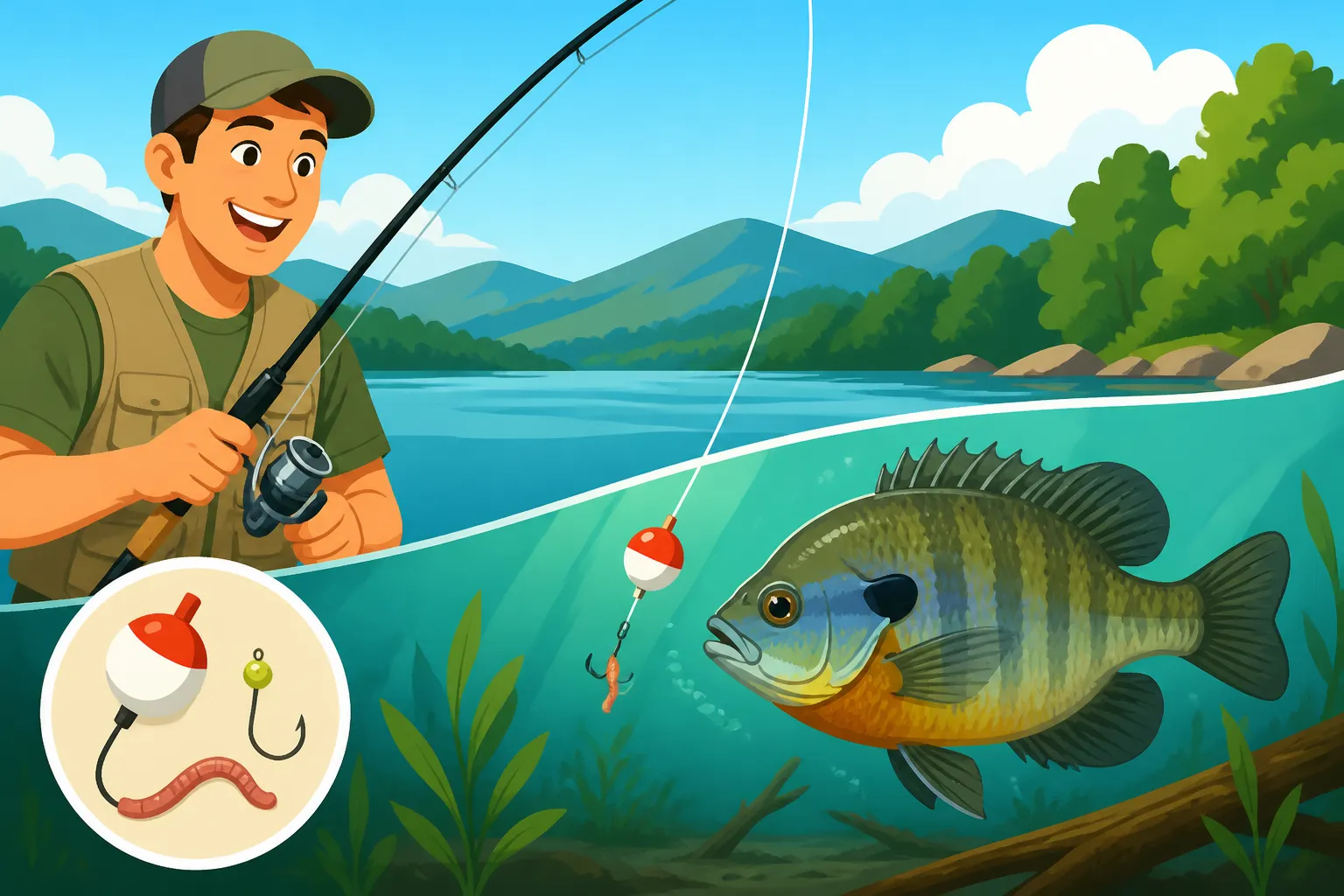
Before you can catch 'em, you've got to know what you're looking for, right? Bluegill are part of the sunfish family, and they have a distinct, disc-shaped body that's usually olive green to dark blue on top, fading to a lighter, sometimes yellowish belly. What really gives them their name is the prominent dark blue or black "ear flap" on their gill cover. This little distinguishing mark is a dead giveaway. You might also notice several dark, vertical bars along their sides, especially when they're pulled from the water. Some have a lovely orange or reddish patch on their breast, particularly the males during spawning season, making them quite vibrant.
These fish typically don't get huge, usually ranging from 6 to 10 inches long, though you can occasionally hook into a true slab that's a bit bigger. They love to hang out around structure—think submerged logs, docks, weed beds, lily pads, or any kind of underwater cover that offers them protection from predators and a place to ambush insects and smaller prey. You'll often find them in relatively shallow water, especially in the spring and early summer when they move closer to shore to spawn. Understanding these characteristics helps you not only identify your catch but also predict where they might be hiding, giving you a serious leg up when you're targeting them.
Essential Gear for Bluegill Fishing in Tennessee
You don’t need to break the bank or fill a tackle shop to get started with bluegill fishing. In fact, keeping it simple is often the best approach, especially for beginners. The key is to have light, sensitive gear that lets you feel those subtle bluegill bites and makes even a small fish feel like a champion.
Rods, Reels, and Line for Panfish
When it comes to picking out a rod and reel for bluegill, think "ultralight." This isn't just about making the fish feel bigger (though it certainly does that!); it's about sensitivity. An ultralight spinning rod, typically 5 to 6 feet long, is perfect. It's flexible enough to cast those tiny baits and lures, and its sensitive tip will telegraph even the faintest nibble. Pair that with a small, lightweight spinning reel, usually a 500 or 1000 series size. These reels are easy to operate, which is a big plus for new anglers, and they balance well with an ultralight rod.
For fishing line, a light monofilament line in the 2 to 4-pound test range is ideal. Monofilament is a great choice for beginners because it's affordable, easy to tie knots with, and has a little stretch, which can be forgiving if you set the hook a bit too hard. The lighter line also allows for better casting of small baits and is less visible to wary bluegill. You can find excellent starter combos – a rod and reel already matched – at most sporting goods stores or easily browse options on popular online retailers like Amazon. Having the right setup will make your entire fishing experience smoother and more enjoyable, right from your first cast.
Beginner Bluegill Gear Quick Guide
| Gear Type | Recommendation | Why it's Great for Bluegill |
|---|---|---|
| Rod | Ultralight Spinning Rod (5-6 feet) | Sensitive tip for detecting light bites, flexible for small fish |
| Reel | Small Spinning Reel (500-1000 series) | Easy to use, balances well with ultralight rods |
| Line | Monofilament (2-4 lb test) | Affordable, good knot tying, less visible, forgiving stretch |
| Hooks | Small, long-shank (sizes 8-12) | Fits bluegill mouths, easier baiting and hook removal |
| Bobber | Small, sensitive (slip or clip-on) | Clearly shows bites, adjustable depth |
| Weights | Small Split Shot Sinkers | Keeps bait at desired depth, minimal splash |
Simple Rigs and Tackle Box Essentials
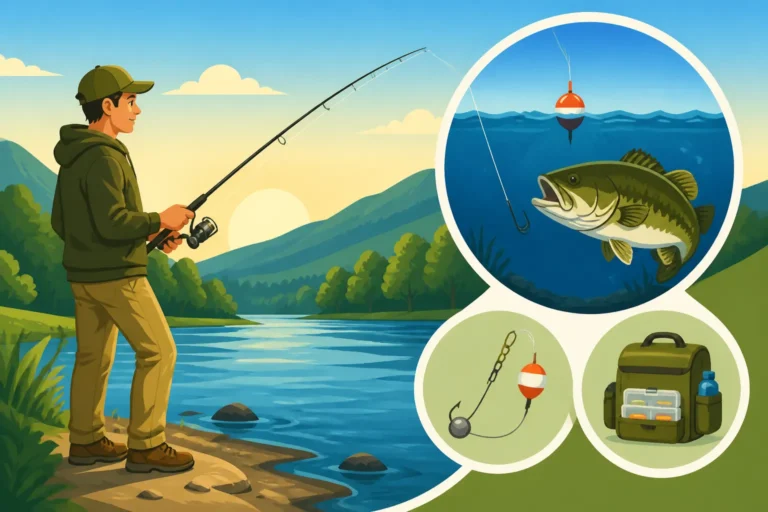
You might hear a lot of complicated terms about fishing rigs, but for bluegill, we're going to keep it wonderfully simple. The most common and effective setup for bluegill is the bobber rig. It’s tried, true, and incredibly easy to understand. All you need is a bobber, a small hook, and a split shot weight or two.
A good tackle box for bluegill doesn't need to be massive. Start with a small, organized box and fill it with these essentials:
- Bobbers: Both clip-on and slip bobbers work great. Clip-on bobbers are simpler to attach at a fixed depth, while slip bobbers allow you to fish deeper water by letting the line slide through the bobber.
- Hooks: Small, long-shank hooks in sizes 8, 10, or 12 are perfect for bluegill's small mouths. The long shank makes it easier to remove the hook from the fish.
- Split Shot Weights: A small assortment of these tiny weights will help you cast farther and get your bait down to the desired depth. Start with just one or two small ones.
- Forceps or Pliers: Essential for safely removing hooks, especially if a fish swallows the bait.
- Line Clippers: Small scissors or clippers for trimming excess line.
- A Small Cooler: To keep your drinks cool and, if you plan to keep some, your catch fresh.
You can often find pre-tied snelled hooks that already have a leader attached, making rigging even easier. Just tie the leader to your main line, add a split shot, clip on your bobber, and you’re good to go. This simple approach ensures you spend more time fishing and less time fumbling with complex setups. If you're looking for a more general guide to stocking your first tackle box, you might find our article on Tackle Box Setup by Species helpful, which often includes great tips for panfish.
Best Baits and Lures for Tennessee Bluegill
One of the most appealing things about bluegill is their lack of pickiness when it comes to food. They're opportunistic eaters, meaning they'll readily snap at a wide variety of offerings, both natural and artificial. This makes them incredibly forgiving for beginners who might be experimenting with different presentations.
Natural Baits That Bluegill Can't Resist
When it comes to bluegill, natural bait is often king. There’s something about the real thing that they just can’t pass up.
- Worms: Hands down, worms are probably the most popular and effective bluegill bait. Red wigglers are fantastic because they're small, active, and stay on the hook well. Nightcrawlers, cut into smaller pieces, also work wonders. You can find these at almost any bait shop, many convenience stores, and even some gardening centers. To rig them, simply thread a small piece of worm onto your hook, making sure the hook point is exposed. A wiggling worm creates enticing action that bluegill can see and feel.
- Crickets and Grasshoppers: These are natural food sources for bluegill, especially during warmer months. Hook them gently through the collar or behind the head so they stay lively on the surface or just below. The natural movement is incredibly attractive.
- Corn: Believe it or not, a kernel or two of canned sweet corn can be incredibly effective. It's cheap, easy to use, and bluegill seem to love its bright color and scent. Just put a single kernel on a small hook.
- Bread Balls: A simple, cost-effective bait. Take a small piece of white bread, moisten it slightly, and roll it into a tight ball around your hook. It can be fragile, but bluegill will gobble it up.
The beauty of these natural baits is their simplicity. There's no special technique required; just put it on the hook, cast it out, and let the bluegill do the rest. You can often find a good selection of fishing-specific live bait and bait accessories on Amazon, which can be convenient for stocking up before a trip. For even more detail on specific baits, check out our guide on the Best Bait for Bluegill and Panfish.
Artificial Options for Active Bluegill
While natural baits are usually a surefire hit, artificial lures can also be incredibly effective, especially when bluegill are actively feeding and you want to cover more water. Plus, using lures means no need to handle live bait, which some anglers prefer!
- Small Jigs: These are tiny weighted hooks with soft plastic bodies, often resembling small minnows, insects, or grubs. Colors like chartreuse, white, and black are popular. You can fish them under a bobber or slowly retrieve them. A 1/32 or 1/64 ounce jig is perfect.
- Tiny Spinnerbaits: Imagine a miniature version of the bass lure, with a small blade that spins to create flash and vibration. These are excellent for covering water and triggering aggressive strikes, especially around weed lines.
- Micro-Plastics: These are very small soft plastic baits, often mimicking worms, crickets, or insect larvae. They come in countless shapes and colors. You can rig them on a bare jig head or even on a small hook with a split shot. The key is to impart subtle action with small twitches of your rod tip.
When using artificial lures, a slow, steady retrieve is usually best. Experiment with different speeds and depths until you find what the bluegill are keying in on. Sometimes a slight pause in the retrieve can trigger a strike. It’s a great way to practice different casting and retrieval techniques, adding another layer of skill to your fishing game. Don't be afraid to experiment! You can often find variety packs of these micro-lures and jigs on Amazon, making it easy to try out different options without committing to large quantities of one specific type.
Techniques for Catching Bluegill in Tennessee
Now that you've got your gear and bait ready, it's time to talk about how to actually get those bluegill to bite. It's not just about throwing a line in the water; there's a little finesse involved, but don't worry, it's easily learned!
Finding Bluegill: Where to Cast Your Line
Bluegill are creatures of comfort and safety, much like many other fish. They seek out areas that offer both food and protection from larger predators. Understanding their preferred habitats is key to locating them, and luckily, these spots are often accessible from the bank or a small boat.
- Structure is King: Bluegill absolutely love cover. Think about places like fallen trees, submerged brush piles, old docks, boat ramps, and even bridge pilings. These structures provide shade, hideaways, and often attract insects and smaller organisms that bluegill feed on. When you're near a lake or pond, scan the shoreline for anything that breaks up the open water – that's often where the bluegill are.
- Weed Beds and Lily Pads: Dense vegetation like lily pads and thick weed beds are prime bluegill territory. They'll cruise the edges and openings within these areas, picking off insects and finding shelter. Casting your bait right up to the edge of these green havens can be incredibly productive.
- Shallow Water in Spring: In the spring and early summer, bluegill move into shallower waters to spawn. Look for saucer-shaped depressions on the bottom in 1-5 feet of water, often clustered together. These are their spawning beds, and the fish will aggressively protect them, making them easy targets.
- Slow-Moving Water: While Tennessee has some incredible fast-flowing trout streams, bluegill prefer calmer waters. Look for them in the quiet coves of large reservoirs like Percy Priest Lake or Old Hickory Lake, slow sections of rivers, or the calm waters of smaller ponds and state park lakes. Our guide to Where to Find Bluegill in Tennessee Ponds offers even more localized insights into prime bluegill habitats. Many of Tennessee's Best State Park Fishing Spots for Family Outings are also excellent for bluegill.
Don't be afraid to move around if you're not getting bites. Fish are rarely everywhere at once, and sometimes a few steps down the bank or a short paddle to a different cove can make all the difference.
Rigging Up and Presenting Your Bait
Once you’ve found a promising spot, it’s time to get your bait in the water. For beginners, the bobber rig is your best friend because it clearly signals when a fish is biting and helps suspend your bait at a consistent depth.
Here’s a simple step-by-step for a classic bobber rig:
- Attach your bobber: If it's a clip-on bobber, simply clip it onto your line about 1-3 feet above where your hook will be. If it's a slip bobber, thread your line through it and then tie on a bobber stop at your desired depth.
- Add your weight: Crimp one or two small split shot weights about 6-12 inches above your hook. This helps your bait sink and keeps it in the strike zone.
- Tie on your hook: Use a simple knot like an Improved Clinch Knot or a Palomar Knot. Make sure it's secure!
- Bait your hook: Thread your worm or attach your artificial lure as described earlier.
Now, for presentation:
- Casting: For bluegill, you don't need to cast a mile. A gentle, accurate cast that places your bait near cover or into a promising pocket of water is far more effective. Practice your wrist flick to get the hang of it.
- Depth: Start with your bait suspended a couple of feet below the bobber. If you're not getting bites, adjust the bobber up or down by 6-12 inches until you find the depth where the fish are holding. This is where slip bobbers really shine, allowing you to fish deeper waters effectively. We have a whole article dedicated to this technique, called How to Rig a Bobber for Bluegill.
- Patience and Observation: Once your bait is in the water, watch your bobber intently. Bluegill bites can be subtle at first, just a little twitch or dip. But often, they'll drag that bobber straight down with enthusiasm! Don't let your bait sit for too long without action; retrieve it slowly with a few twitches, then recast. Sometimes, the movement of the retrieve itself can trigger a bite.
Reading the Bite and Setting the Hook
This is where the excitement really kicks in! Your bobber is your primary indicator of a bite. Bluegill bites can vary from gentle nibbles to aggressive pulls, so it's important to pay attention.
- The Nibble: Sometimes, you'll see your bobber twitch or dip just slightly, then pop back up. This often means a bluegill is investigating your bait or gently mouthing it. Resist the urge to set the hook too early on these subtle signs.
- The Dip or Drag: The classic bluegill bite is when the bobber slowly dips under the water, or starts to drift sideways while submerged. This usually means the fish has the bait in its mouth and is swimming away with it.
- The Plunge: Sometimes, especially with an eager bluegill, the bobber will simply vanish below the surface in an instant. This is a clear sign to set the hook!
When you see a definite bite – the bobber pulling under – it’s time to set the hook. For bluegill and ultralight gear, you don't need a powerful, dramatic hook set. A gentle, upward sweep of the rod tip is usually all it takes. Just raise your rod smoothly, pulling the line taut until you feel the weight of the fish. Too hard, and you might tear the hook out of its delicate mouth or even break your light line. Once you feel the fish, keep your rod tip up and steadily reel it in. Enjoy the fight, even if it's a small one! Every fish landed is a victory and builds confidence for the next one.
Seasonality and Timing for Bluegill Fishing
Just like with any fishing, knowing when to go can make a huge difference in your success. While bluegill are generally cooperative year-round, certain seasons and times of day offer the best opportunities for a productive and enjoyable outing in Tennessee.
Best Times of Day and Year
Bluegill are pretty active fish, but they do have their peak feeding times, which can really enhance your chances of a successful trip.
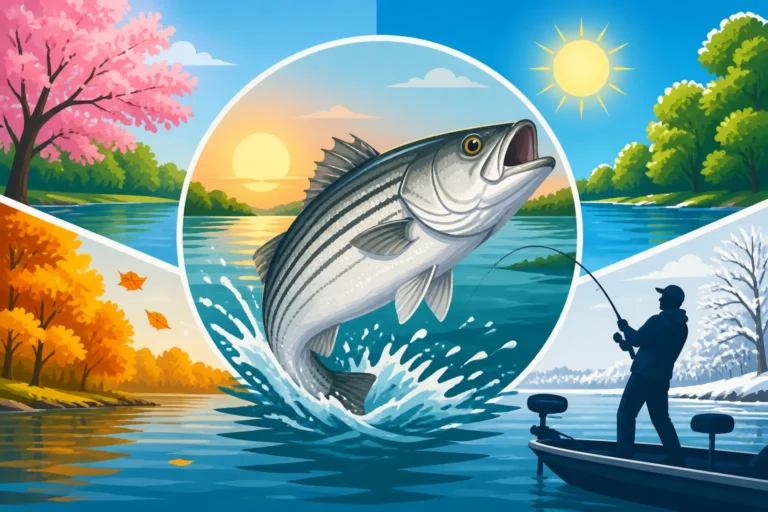
- Spring and Early Summer: This is arguably the absolute best time to target bluegill in Tennessee. As the water warms up after winter, bluegill become incredibly active, feeding aggressively to bulk up for the upcoming spawning season. The spawn itself, typically from late April through June, sees bluegill moving into shallow, accessible areas, often creating visible "beds" on the bottom. They become very territorial and will strike almost anything that comes near their nests, making them easy to catch. This period offers fantastic action for anglers of all skill levels.
- Morning and Evening: Like many fish species, bluegill are often most active during the cooler parts of the day. Dawn and dusk are prime times. The lower light conditions provide them with a sense of security, and many of the insects they feed on are also more active then. During the middle of a hot Tennessee summer day, bluegill might retreat to deeper, cooler water or tight to heavy cover, making them harder to find. But in the morning and evening, they'll venture out more freely. Our post on the Best Time of Day to Catch Bream delves deeper into this topic.
- Water Temperature: Bluegill thrive in moderate water temperatures, generally between 65-75 degrees Fahrenheit. In spring, as temperatures rise into this range, their metabolism speeds up, and they feed voraciously. In summer, if the water gets too hot, they become less active and seek out cooler depths. Conversely, in colder winter months, their metabolism slows significantly, and they are much less inclined to chase bait. Understanding How Water Temperature Affects Fish Activity is a game-changer for any angler. Keep an eye on local water temperature reports if you can, or just observe the weather patterns. A consistent stretch of warm, sunny days in spring usually means great bluegill fishing is ahead.
Tennessee Bluegill Limits and Regulations
While bluegill are plentiful and typically not subject to the same strict regulations as some other game fish, it's absolutely crucial for every angler to be aware of and abide by Tennessee's fishing laws. Responsible angling ensures that everyone can enjoy this fantastic resource for years to come.
- General Statewide Limits: The Tennessee Wildlife Resources Agency (TWRA) sets regulations for all fish species in the state. For bluegill and other sunfish, statewide limits are usually quite generous, often allowing for a large number of fish to be kept per day. However, these limits can vary by specific body of water. For instance, certain TWRA-managed lakes or specific sections of rivers might have unique regulations that override the statewide default.
- Check Local Rules: Before you head out, always make a quick check of the current TWRA fishing guide or their website for the specific lake or river you plan to visit. This is especially important if you're venturing to a new spot, as "lake-specific rules that override statewide limits" are not uncommon. It only takes a few minutes, and it can save you from potential fines or penalties. Our comprehensive Tennessee Fishing Regulations Explained article is a great place to start learning about the broader rules.
- License Requirements: Remember, almost all anglers in Tennessee need a valid fishing license. There are exceptions for very young children and during specific free fishing days, but generally, if you're 13 or older, you need a license. Make sure you have yours before you cast your first line! You can learn all about it in our Tennessee Fishing License Guide.
- Conservation and Release: Even if the creel limit is high, consider practicing catch-and-release, especially if you're just fishing for fun or have caught more than you need for a meal. Handle fish gently, minimize their time out of the water, and release them carefully. This helps maintain healthy fish populations for future generations of anglers.
By understanding bluegill behavior, mastering simple techniques, and respecting the rules, you'll be well on your way to countless enjoyable and successful bluegill fishing trips across the beautiful waters of Tennessee. Happy fishing!
Disclaimer
This article is for general informational purposes only and does not constitute professional advice. Laws, prices and regulations vary by location and change over time. Consult a qualified professional for guidance on your specific situation.