How Heavy Rain Changes Where Fish Feed
We've all been there: you've planned a perfect day on one of Tennessee's incredible lakes or rivers, only to wake up to the drumming of heavy rain. Or perhaps you're already out on the water when the skies open up, leaving you wondering if your fishing trip is completely ruined. It's incredibly frustrating to feel like the fish have vanished when the weather shifts so dramatically. But here’s the thing: heavy rain doesn't necessarily mean bad fishing. It just means the fish change their habits, and with a little understanding and adjustment, you can often find them feeding more aggressively than ever. This guide will help you understand precisely how heavy rain influences where fish feed in Tennessee and how to adapt your strategy to keep those bites coming.
The Immediate Impact of Heavy Rain on Tennessee Waters
When a significant downpour hits, it’s not just about getting wet. The entire aquatic environment undergoes a rapid transformation, and understanding these immediate changes is key to figuring out where the fish have gone and what they’re looking for. It's easy to feel defeated when the conditions change so drastically, but a little knowledge goes a long way.
Water Clarity, Temperature, and Oxygen Levels
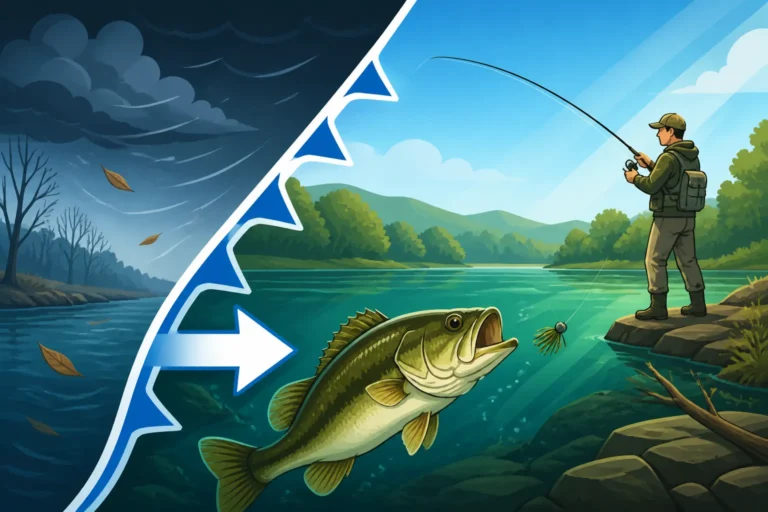
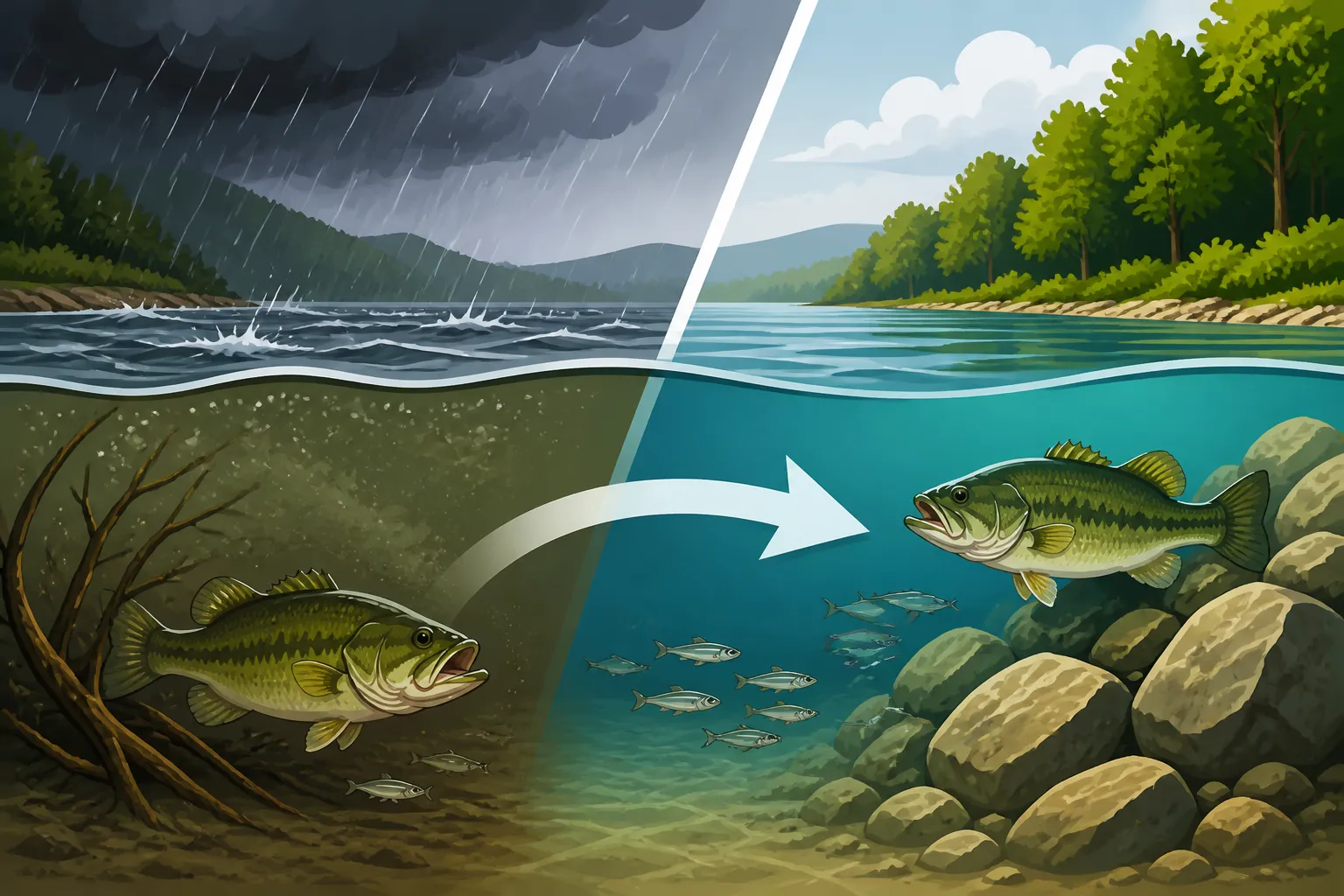
The first, most obvious change after heavy rain is water clarity. That beautiful, clear water you were fishing a few hours ago can quickly turn into a murky, stained mess, often described as "chocolate milk" in areas with high runoff. This happens as the rain washes sediment, dirt, and debris from the surrounding land into the waterways. This reduced visibility might seem like a disadvantage, but it actually gives many fish species a sense of security, making them bolder and more willing to move into shallower areas.
Beyond clarity, heavy rain can also impact water temperature, especially in smaller streams or shallower sections of larger lakes. If the rain is cold, it can drop the surface temperature, driving some fish deeper or to areas where the temperature change is less drastic. Conversely, if it's been a long, hot spell, a cooling rain can actually invigorate fish, making them more active.
Then there's dissolved oxygen, a factor many anglers overlook. While a gentle rain can aerate the water, a heavy downpour, especially coupled with runoff that stirs up organic matter, can sometimes temporarily reduce oxygen levels in certain stagnant areas. However, typically, heavy rain introduces a fresh supply of oxygen, particularly in shallow areas and around inflows, which can be a huge draw for active fish. This rush of oxygen is often one of the main reasons fish become more active and start feeding after a good storm. Understanding How Water Temperature Affects Fish Activity is crucial here.
Initial Fish Reactions: From Frenzy to Fleeing
Fish don't just react uniformly to heavy rain; their initial response can vary greatly depending on the species, the severity of the storm, and the existing conditions. Sometimes, you’ll witness an incredible feeding frenzy, while other times, it feels like every fish has vanished into thin air.
One common reaction, particularly with species like bass, is an initial burst of feeding activity. The sudden influx of fresh water often washes insects, worms, and small baitfish into the main body of water, essentially serving up a buffet for hungry predators. This is especially true if the water was previously hot and stagnant; the cooling effect and increased oxygen can kick-start their metabolism. You might find them aggressively attacking lures or live bait in these newly created food zones. This is often the best time to capitalize on the chaos!
However, if the rain is exceptionally heavy, causing rapid rises in water levels and extreme turbidity, some fish might temporarily hunker down. They might seek refuge in deeper, calmer pockets, or behind structure that breaks the current. Species less tolerant of extreme murkiness might simply wait it out. A sudden, significant cold front accompanying the rain can also shut down the bite, as fish tend to become lethargic in rapidly dropping temperatures. It's a delicate balance, and often the best way to figure it out is to observe and experiment with different spots. Don't let a brief lull convince you that all hope is lost.
Where Fish Go and Why: Adapting to Post-Rain Environments
After the initial deluge, fish aren't just swimming around aimlessly. They're making calculated moves based on where the most food is, where they feel safest, and where the conditions are most comfortable. Your job as an angler is to predict these movements and meet them there. This means forgetting your "usual" spots for a while and thinking like a fish.
The Draw of Inflows and Wash-In Zones
Perhaps the most significant change heavy rain brings is the creation of "wash-in zones." Think about every small creek, ditch, culvert, or even just a sloped bank that drains into the main body of water. When it rains heavily, these areas become conduits, flushing all sorts of terrestrial critters, nutrients, and stirred-up baitfish into the lake or river. This creates a veritable smorgasbord for hungry gamefish.
Areas where feeder creeks dump into larger lakes, like those found around Chickamauga Lake, Tennessee's Top Bass Fishing Destination or Norris Lake Fishing Guide, Tennessee's Clearest Water, become particularly potent. Bass, crappie, and even catfish will congregate in these zones, waiting for an easy meal to be delivered by the current. The edge of the stained water where it meets clearer water is often a prime ambush point. Imagine a largemouth bass sitting just inside the murky water, waiting for a worm or insect to get swept past from the clearer side – easy pickings!
This also applies to smaller-scale inflows. Even a grassy bank where runoff creates a small, muddy current entering the main water can hold fish. These subtle changes in the environment create new hotspots that might not exist in dry weather, offering fantastic opportunities if you're willing to explore beyond your regular fishing grounds. Focusing your efforts around these areas can dramatically improve your success.
Finding New Cover and Ambush Points
The increased turbidity from heavy rain isn't just about food; it's also about cover. In clearer waters, fish often rely on submerged structure, weeds, or deeper water to feel secure from predators. But when the water turns murky, they gain a newfound sense of confidence. This allows them to move into shallower areas, closer to the banks, and into spots they might typically avoid in brighter, clearer conditions.
Muddy water provides an excellent visual barrier, making fish less wary of your presence and less able to spot your line or your boat. This means you might find bass tucked into shallow laydowns right on the bank, or crappie holding tight to flooded bushes that are usually out of reach. Catfish, already accustomed to low-light and murky conditions, will become even more active, scenting out the runoff. For techniques on how to specifically target bass in these conditions, check out How to Catch Bass in Muddy Water.
Additionally, the increased flow from rain can create new current breaks and eddies, especially in rivers or areas of lakes with stronger currents. Fish will naturally seek out these calmer pockets where they can rest out of the main flow while still having access to food being swept by. Look for fallen trees, large rocks, or bends in the river that create these natural sanctuaries. These spots provide both a comfortable resting place and a perfect ambush point for passing prey.
Gear and Tactics: Matching Your Approach to Rainy Conditions
Once you understand where the fish are likely to be, the next step is to adjust how you're trying to catch them. Your go-to lures and techniques for clear, calm days simply won't cut it in muddy, turbulent conditions. It’s time to switch up your tackle and presentation.
Lure Selection for Low Visibility and Increased Flow
When the water turns murky, fish rely more heavily on their lateral line (to detect vibration) and their sense of smell. This means your lure selection needs to emphasize these attributes.
- Color: Forget natural, subtle colors. In stained water, bright, contrasting colors are your friend. Chartreuse, orange, bright pink, and black-and-blue combinations stand out significantly. Firetiger patterns, with their mix of bright green, yellow, and orange, are often incredibly effective. Think about what will create a distinct silhouette or a flash of color in otherwise opaque water. You can find a fantastic selection of these vibrant lures on "Amazon" or at your local tackle shop.
- Vibration: Anything that displaces a lot of water is going to get noticed. Crankbaits with wide wobbles, spinnerbaits with large, thumping blades (especially Colorado blades), and chatterbaits are prime choices. These lures create a strong vibration signature that fish can feel even if they can't see it.
- Scent: Don't underestimate the power of scent in murky water. Adding scent to your soft plastics or using baits that naturally have a strong odor can make a huge difference. Garlic, anise, or even a fish-attractant spray applied to your lures can entice a fish that might otherwise swim right past. If you're looking for Best Bait for Fishing in Muddy Water After Rain, live bait like worms or cut bait for catfish are excellent, too, because of their natural scent.
For a comprehensive look at what works, be sure to check out Best Lures for Fishing After Rain.
Here's a quick reference for lure types and their effectiveness in post-rain conditions:
| Lure Type | Best Conditions | Key Features for Rain | Target Species |
|---|---|---|---|
| Crankbaits | Stained to muddy water, active fish, shallow to medium depth | Wide wobble, rattles, bright/contrasting colors | Bass, Walleye, Stripers |
| Spinnerbaits | Murky water, brush, cover, active fish | Large Colorado blades, bright skirts, vibration | Bass, Pike |
| Chatterbaits | Stained water, current, around grass/cover | Unique vibrating blade, strong thud, bright skirt | Bass |
| Jigs (Soft Plastic) | Deeper water, slow presentation, scent added | Larger profile, dark/bright colors (black/blue, chartreuse), scented | Bass, Crappie, Catfish |
| Live/Cut Bait | Any murkiness, slower bite, catfish, panfish | Natural scent, movement | Catfish, Crappie, Bass |
Precision Casting and Presentation
It's not just about what you throw; it's how you throw it. In post-rain conditions, your presentation needs to be deliberate and often slower.
- Slow Down Your Retrieve: Fish in murky water often have less time to react and rely on feeling the bait rather than seeing it from a distance. A slower retrieve gives them more opportunity to find and strike your lure. For jigs and soft plastics, this means patiently working them along the bottom or through cover.
- Target the Banks and Inflows: Remember those wash-in zones? Cast your lures right up to the bank where runoff is entering the water. Fish will often be sitting in just inches of water, waiting. In rivers, cast upstream of current breaks and allow your lure to drift naturally into the strike zone.
- Bump the Structure: Fish will be relating tightly to any available cover – flooded timber, brush piles, rock formations. Don't be afraid to make contact with these structures. Often, a slight deflection of your lure off a log or rock will trigger a reaction strike from a fish lurking nearby. This is a classic tactic for bass, especially.
- Repetitive Casts: Because visibility is low, fish might not find your lure on the first pass. Make multiple casts to the same promising area from different angles. This increases the chances that a fish will finally detect your bait.
Experimentation is key, but generally, focus on making your presence known to the fish through strong vibrations, bright colors, and enticing scents, and then presenting it in a way that gives them ample opportunity to strike.
Safety, Planning, and Overcoming Common Rainy-Day Worries
Fishing in or after heavy rain isn't just about changing your lures; it's also about prioritizing safety and managing your expectations. It’s easy to get caught up in the excitement of a potential bite, but personal safety must always come first.
Essential Safety Considerations When Fishing in Rain
Heavy rain brings with it several real dangers that anglers often overlook, especially when fishing from the bank or smaller boats.
- Slick Surfaces: Docks, boat ramps, and especially rocky or muddy banks can become incredibly slippery. A wrong step can lead to a serious fall. Always wear appropriate footwear with good grip and take extra caution when moving around.
- Lightning: This is arguably the most serious threat. If you hear thunder or see lightning, get off the water immediately. Don't assume you're safe just because you're in a covered boat. Lightning strikes water, and electricity conducts. Seek solid shelter.
- Swift Currents and Debris: Heavy rain can turn placid streams into raging torrents and create strong currents in areas of lakes where runoff is significant. This can sweep away bank anglers or pose a danger to boaters, especially with increased floating debris like logs and branches. Always be aware of your surroundings and the strength of the current.
- Hypothermia: Even in warmer months, prolonged exposure to rain and wind can lead to hypothermia. Dress in layers, wear waterproof outerwear, and consider bringing a change of clothes. Good quality rain gear is essential and easily available on "Amazon" or at outdoor retailers. For a more general overview of preparedness, remember your Essential Safety Gear Checklist Before a Tennessee Fishing Trip.
It's tempting to push through for that big catch, but no fish is worth risking your life or limb. If conditions become unsafe, pack it in and try again another day.
Beyond the Rain: Understanding Persistent Post-Storm Conditions
The impact of heavy rain doesn't just disappear once the sky clears. The water levels, clarity, and fish behavior can continue to evolve over the next few days, sometimes even a week or more, after the storm passes.
- Lingering Turbidity: Depending on the watershed, water can remain muddy for several days, especially in larger rivers or reservoirs with significant agricultural runoff. This means the tactics for murky water might remain effective for longer than you'd expect.
- Elevated Water Levels: Lakes and rivers can stay high for extended periods after a major rain event. This floods new areas, creating additional cover and foraging grounds for fish. Explore these newly submerged areas, as fish might still be taking advantage of the expanded habitat.
- Delayed Feeding Cycles: Sometimes, especially after a particularly severe storm or cold rain, fish might take a day or two to recover from the shock. Don't be discouraged if the immediate aftermath isn't a feeding frenzy. A day or two later, as conditions stabilize slightly, the bite might pick up significantly. Fish often need to feed heavily after expending energy to adjust to changing conditions. This is where understanding How Rain Affects Fish Feeding Patterns really helps.
Ultimately, heavy rain is not the death knell for a fishing trip; it's an opportunity. It forces you to adapt, to think differently, and often rewards those who are willing to change their game plan. So, next time the forecast calls for rain, instead of packing up your gear, consider putting on your rain jacket, grabbing some vibrating lures, and heading out to explore the new opportunities that Mother Nature has created. Always remember to check Tennessee Fishing Regulations Explained before you go.
Disclaimer
This article is for general informational purposes only and does not constitute professional advice. Laws, prices and regulations vary by location and change over time. Consult a qualified professional for guidance on your specific situation.