Tennessee Trout Guide: Rainbow, Brown, and Brook Trout
There's nothing quite like the crisp air, the sound of rushing water, and the thrill of a bending rod when you're targeting trout. But if you're new to the angling scene in Tennessee, or even if you're a seasoned local, trying to understand the nuances between the different trout species – rainbow, brown, and brook – can feel a bit overwhelming. This comprehensive guide is here to untangle the distinctions, share where and how to find these beautiful fish, and help you prepare for a memorable day on Tennessee's incredible trout waters.
The Allure of Trout Fishing in Tennessee's Waters
Tennessee might be famous for its big bass lakes and abundant crappie, but for those who chase cold-water species, our state offers some truly exceptional trout fishing experiences. From the misty heights of the Great Smoky Mountains to the powerhouse tailwaters below major dams, there’s a diverse range of opportunities for every kind of angler.
Why Tennessee is a Trout Angler's Paradise
Imagine standing in a crystal-clear mountain stream, surrounded by ancient forests, the air cool and fresh even on a warm day. That’s the magic of trout fishing in Tennessee. Our state boasts an incredible variety of aquatic habitats, from high-gradient freestone streams that tumble down mountainsides to vast, cold tailwater rivers that maintain ideal trout temperatures year-round. This diversity isn't just scenic; it provides the perfect conditions for multiple trout species to thrive, whether they are native populations, established wild fish, or regularly stocked beauties. The sheer beauty of the landscape adds another layer to the experience, making every cast feel like a connection to something wild and untamed. It's more than just catching fish; it's about immersing yourself in some of the most serene and picturesque environments Tennessee has to offer.
What truly sets Tennessee apart for trout anglers is the combination of natural beauty and robust management efforts. The Tennessee Wildlife Resources Agency (TWRA) works tirelessly to maintain and enhance trout populations, particularly through extensive stocking programs in designated trout streams and tailwaters. This means that even if you're not trekking into remote wilderness areas for native brook trout, you have numerous readily accessible spots where you can consistently find rainbow and brown trout. This blend of wild opportunities and managed fisheries ensures that both novice anglers and experienced fly fishers have a place to pursue their passion, making Tennessee a genuine paradise for trout enthusiasts.
Understanding Tennessee's Trout Environment
Trout are incredibly sensitive fish, and their presence is a strong indicator of healthy, clean water. In Tennessee, trout thrive in specific types of environments, primarily cold, oxygen-rich waters. This usually means either high-elevation mountain streams, where springs and snowmelt keep temperatures low, or the "tailwaters" below large dams. These tailwaters, like the Clinch River below Norris Dam or the Caney Fork River below Center Hill Dam, release cold water from deep within the reservoir, creating an artificial cold-water fishery often many miles long.
The temperature of the water is absolutely critical for trout survival and well-being. Rainbows, browns, and brook trout generally prefer water temperatures ranging from the mid-40s to the low 60s Fahrenheit. Anything above that, especially sustained temperatures in the 70s, can be lethal. This is why you'll find trout concentrated in specific areas that reliably provide these cool conditions. Understanding this fundamental need for cold water is key to successfully locating and catching trout in Tennessee. You won't find them in warm, slow-moving lakes or rivers during the heat of summer; they'll be in the colder, faster-moving sections or deep pockets where the water remains chilled.
The geology of Tennessee also plays a significant role. Many of our trout streams flow over bedrock, slate, or gravel, which helps keep the water clear and provides excellent spawning habitat for wild trout. The abundance of aquatic insects and small baitfish in these healthy ecosystems further supports robust trout populations. Learning to "read the water" – identifying riffles, runs, pools, and eddies – will tell you where trout are most likely to be holding, feeding, or resting. Each type of water offers different feeding opportunities and challenges for the angler, so knowing your environment is just as important as knowing your tackle.
Rainbow Trout: The Iconic Tennessee Stocker
When most people think of trout fishing in Tennessee, the rainbow trout is often the first image that comes to mind. These vibrant fish are the backbone of many of our put-and-take fisheries, providing countless hours of enjoyment for anglers across the state. They're often the first trout species a new angler catches, thanks to their widespread availability and relatively aggressive feeding habits.
Identifying Rainbow Trout
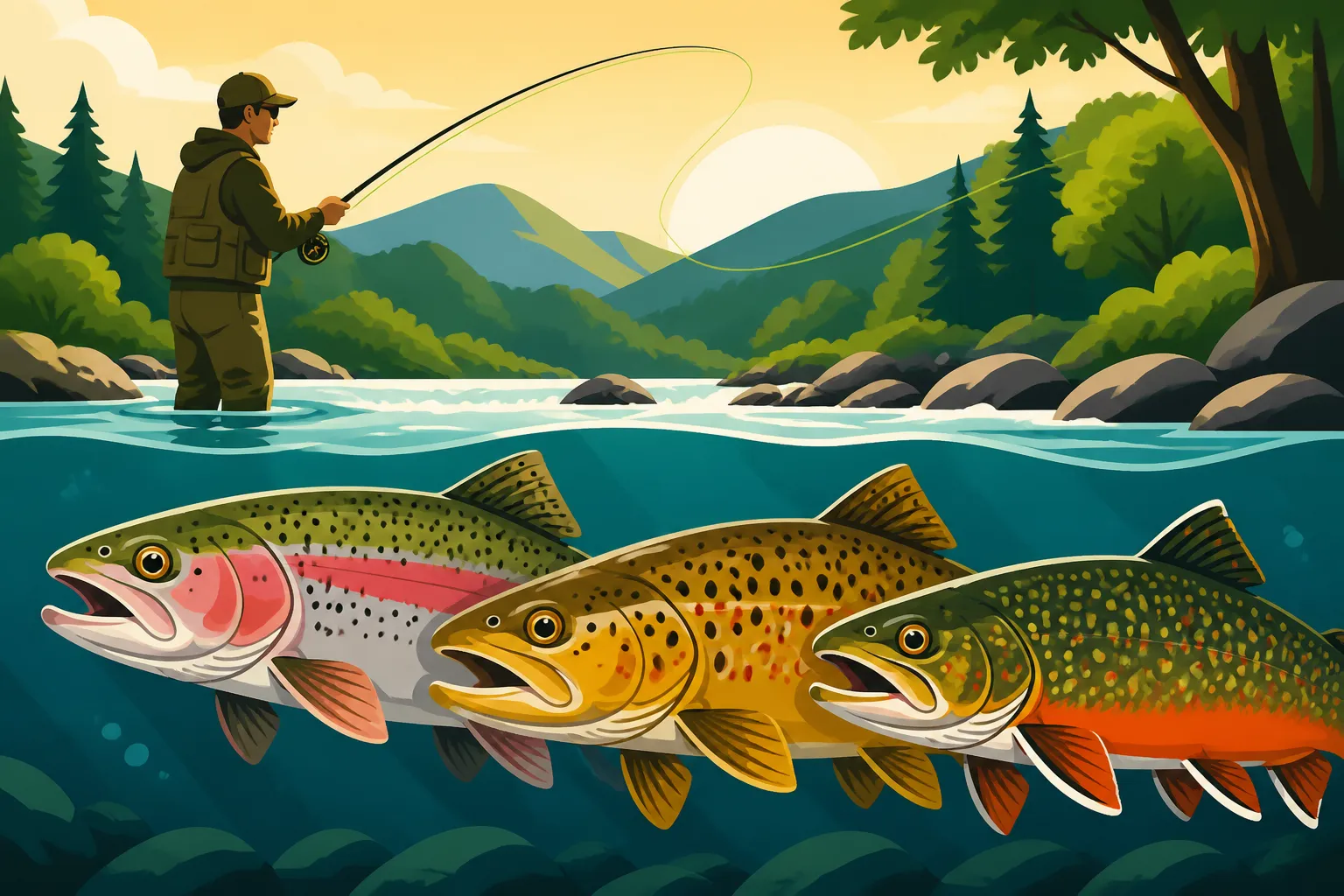
Rainbow trout are undoubtedly one of the most beautiful freshwater fish you’ll encounter. Their name comes from the distinct, iridescent pink or red stripe that runs horizontally along their flanks, especially prominent in mature fish. Their backs are typically olive green to bluish-green, fading to silvery-white on their bellies. Scattered across their backs, sides, and caudal (tail) fin are numerous small, dark spots. These spots are usually fairly evenly distributed, though their intensity can vary depending on the specific water they inhabit and their diet.
You might notice that stocked rainbow trout often have slightly clipped fins or a duller coloration compared to wild-spawned fish that have spent their lives in natural stream environments. Wild or stream-bred rainbows tend to be more brightly colored, often with more defined spotting and healthier fins. Stocked fish, particularly those recently released, are usually between 8 and 14 inches, a perfect size for a delicious meal. However, in nutrient-rich tailwaters or larger rivers, rainbows can grow much larger, with some reaching impressive sizes of several pounds, providing a real battle on light tackle. Their energetic fight and willingness to bite make them a favorite among anglers, from beginners to seasoned veterans.
Where to Find and How to Fish for Rainbow Trout
Rainbow trout are the most widely distributed trout species in Tennessee, thanks to extensive stocking efforts by the TWRA. You'll find them in designated trout streams, cold tailwaters like the Clinch River and the Caney Fork River, and even in some ponds specifically managed for trout. Popular spots include the Holston River, Watauga River, and various streams within the Great Smoky Mountains National Park, though park regulations are distinct from state regulations. If you're looking for where the fish are being released, checking the Rainbow Trout Stocking Schedule Across Tennessee is an excellent strategy.
When it comes to fishing for rainbows, they are generally less finicky than their brown or brook trout cousins. For bait anglers, options like PowerBait (in various colors like chartreuse or rainbow), corn, salmon eggs, or even small worms fished near the bottom with a light sinker are often highly effective. For lure fishing, small inline spinners, like Panther Martins or Rooster Tails, in silver, gold, or black, are perennial favorites. Small spoons and even tiny crankbaits can also elicit strikes. Fly anglers will find success with a wide array of patterns, including nymphs (Prince Nymph, Pheasant Tail), wet flies, and small streamers, especially when fished near structure or in current breaks. Whether you're casting from the bank or wading through a stream, finding structure like fallen logs, rocks, or undercut banks is often key, as rainbows use these spots for cover and ambush points.
Seasonal Considerations for Rainbow Trout
Understanding the seasons is paramount for successful rainbow trout fishing in Tennessee. While you can technically catch them year-round in certain tailwaters that maintain consistent cold temperatures, their activity levels and locations will shift. The most prolific periods for catching stocked rainbows are generally during the cooler months, particularly in spring and fall. These are the primary Rainbow Trout Stocking Season: Fall Through Spring periods, meaning fresh, hungry fish are regularly introduced into the waterways.
In spring, as water temperatures begin to rise but remain cool, rainbows become very active and feed aggressively after the winter slowdown. Fall brings another surge in activity as fish prepare for winter, and stocking efforts replenish populations. During the summer, fishing for rainbows can be challenging in many smaller streams as water temperatures climb. In these conditions, you'll need to seek out deep pools, shady areas, or focus your efforts on the cooler tailwaters. Winter fishing can be excellent, especially on milder days, as trout will still feed, albeit often with a more subtle bite. Always remember to check Tennessee Trout Limits and Season Rules for any seasonal or water-specific regulations that might apply to your chosen fishing spot.
Brown Trout: The Elusive Trophy
While rainbow trout provide consistent action, brown trout are often the species that challenge and captivate serious anglers in Tennessee. Known for their intelligence, wariness, and potential for truly massive sizes, brown trout are the ultimate prize for many who pursue cold-water species in our state. They demand a different approach, a higher degree of stealth, and often, more specialized techniques.
Identifying Brown Trout
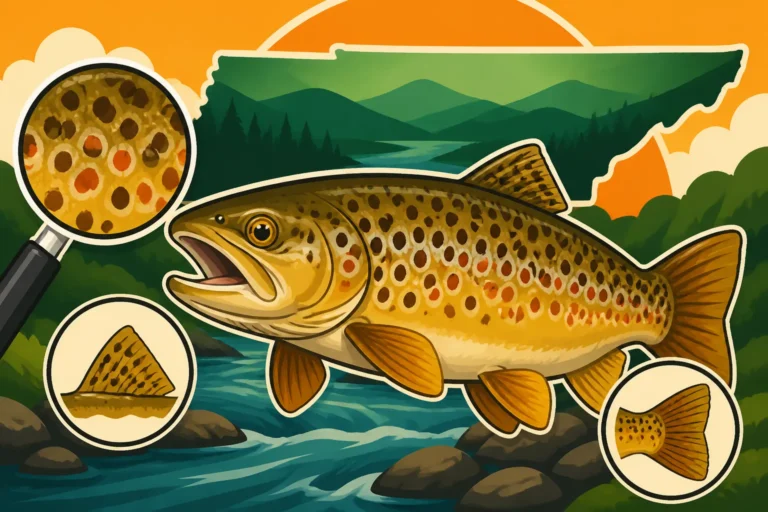
Brown trout possess a distinctive beauty that sets them apart from rainbows and brook trout. Their overall coloration can range from golden brown to olive, often with a bronze or yellowish tint on their flanks and a lighter, cream-colored belly. What truly defines them are the scattered dark spots with pale halos (often red or orange) along their sides. These spots are usually more pronounced and fewer in number than a rainbow's, and they typically extend onto the dorsal (top) fin but rarely onto the tail fin. This pattern of spots is a key identifier when you're trying to figure out if you've hooked a brown.
Brown trout are also known for their powerful jaws and sometimes a more elongated, predatory build, especially in larger specimens. While stocked browns might start around the same size as rainbows, they have a much greater growth potential in Tennessee’s richer tailwaters and rivers. It’s not uncommon for anglers to hook browns weighing several pounds, with true trophy fish pushing double-digit weights. The pursuit of these larger, more elusive fish is a driving force for many anglers. If you're looking to confirm your catch, or just want to learn more, studying Brown Trout Identification Tips for Tennessee Anglers can be incredibly helpful.
Habitat and Behavior of Brown Trout
Brown trout in Tennessee tend to be more elusive than rainbows, preferring stealthy, oxygenated waters with plenty of cover. They aren't as prevalent in small, heavily stocked streams but truly shine in larger tailwaters and medium-to-large rivers with abundant structure. Think deep pools, large boulders, undercut banks, fallen trees, and complex current seams. These provide both ambush points for feeding and protection from predators, including us anglers! Unlike the more open-water tendencies of rainbows, browns are often tucked away, using their natural camouflage to blend into their surroundings.
Their behavior is also notably different. Brown trout are notoriously wary and can be spooked easily by shadows, heavy footsteps, or excessive casting. They often become more active feeders during low light conditions, such as dawn, dusk, and even throughout the night, especially for the larger, more experienced fish. This nocturnal tendency makes night fishing for big browns a popular, albeit challenging, pursuit in some areas. Understanding their preference for cover and their cautious nature is fundamental to successfully targeting them. If you want to dive deeper into their preferred hangouts, exploring resources like Where to Catch Brown Trout in Tennessee can provide specific insights into productive locations.
Techniques for Targeting Brown Trout
Catching a sizable brown trout often requires a blend of skill, patience, and the right approach. Fly fishing is a particularly effective and popular method for brown trout, employing everything from delicate dry flies during a hatch to heavy streamers swung through deep pools. Nymphing, using weighted flies that mimic aquatic insects on the stream bottom, is also highly productive. For those who prefer spin fishing, small jerkbaits, crankbaits, and larger inline spinners (especially those with naturalistic finishes) can entice strikes. Soft plastics rigged on jig heads, mimicking small minnows or sculpins, are also very effective, especially when worked slowly near the bottom.
Stealth is your greatest asset when pursuing brown trout. Approach the water cautiously, cast accurately to cover, and minimize unnecessary movements. Longer casts can help prevent spooking these wary fish. Pay close attention to current seams, eddy lines, and any significant structure in the water. Remember that larger brown trout are often piscivorous, meaning they feed on smaller fish, so offering a larger presentation like a streamer fly or a baitfish imitation lure can often be the ticket to hooking a true trophy. Always be prepared for a strong fight; brown trout are powerful swimmers and will use every bit of cover to their advantage. To enhance your chances, consider what's on their menu by checking out Best Bait for Brown Trout Fishing and Best Fly Patterns for Brown Trout to match local conditions.
Brook Trout: Tennessee's Native Gem
While rainbows and browns are either stocked or introduced species, the brook trout holds a special place in the hearts of many Tennessee anglers because it is our state's only native trout species. These smaller, strikingly beautiful fish are truly wild, existing in the pristine, cold headwater streams of our Appalachian mountains. Fishing for brook trout is less about the size of the catch and more about the experience of connecting with nature in its purest form.
Identifying Brook Trout
Brook trout are, without a doubt, one of the most vividly colored freshwater fish you'll ever see. Their backs are typically an olive green, adorned with distinctive worm-like markings known as "vermiform patterns," which can range from yellowish to olive. Their sides boast a dazzling array of red and yellow spots, many of which are encircled by electric blue halos – these are called "halo spots" and are a key identifier. Their lower fins, especially the pectoral, pelvic, and anal fins, are a fiery orange or reddish-orange, tipped with a crisp white leading edge, often followed by a black stripe. This "white-tipped" fin is another hallmark of the brook trout.
Unlike the heavily spotted rainbows or the larger browns, brook trout are generally much smaller. A "big" brook trout in Tennessee might be 8 to 10 inches long, with many catches being in the 4-to-6-inch range. Despite their modest size, their vibrant colors and wild spirit make them a highly prized catch. Catching one is often considered a badge of honor, a testament to venturing into the rugged beauty of their remote habitats. Learning How to Identify a Brook Trout will help you appreciate the unique characteristics of this native species when you encounter one.
The Delicate Ecosystems of Brook Trout
Brook trout are the ultimate indicator species for pristine water quality. They require the coldest, cleanest, and most oxygenated water of all trout species, typically found only in the headwaters of mountain streams at higher elevations. These streams are usually characterized by dense canopy cover from rhododendron and mature hardwoods, which helps keep water temperatures consistently low. The stream beds are often a mix of gravel and small boulders, providing excellent spawning habitat and plenty of hiding spots. These delicate ecosystems are highly vulnerable to environmental disturbances like deforestation, pollution, and increased water temperatures.
The very presence of brook trout signifies a healthy, undisturbed watershed. Their sensitivity means that where you find brook trout, you are in a truly special, wild place. These streams are often small, narrow, and sometimes require a bit of hiking to access, adding to the sense of adventure and solitude. Their diet primarily consists of aquatic insects and small terrestrial insects that fall into the water. Because they inhabit relatively isolated environments, their populations are often distinct and genetically pure, making their conservation efforts particularly important.
Conservation and Catch-and-Release for Brooks
Due to their specific habitat requirements and sensitivity to environmental changes, brook trout populations in Tennessee are often fragmented and vulnerable. Many streams that once held brook trout have seen their populations decline or disappear due to habitat degradation or competition from introduced rainbow and brown trout. Consequently, conservation efforts for brook trout are paramount, and anglers play a crucial role in their survival. Many of the waters where brook trout reside are managed under special regulations, often requiring catch-and-release only, or strictly limiting the number and size of fish that can be kept.
Practicing ethical angling and catch-and-release techniques is vital when fishing for brook trout. Use barbless hooks, handle fish minimally and with wet hands, and release them quickly and gently back into the water. The goal is to minimize stress and ensure the fish has the best chance of survival. These regulations and practices aren't just rules; they are a commitment to preserving our native heritage for future generations. If you’re interested in supporting these efforts or understanding where these precious fish are protected, researching Tennessee Brook Trout Conservation Waters is a great start. Remember, a picture is often the best trophy when it comes to these beautiful, wild fish.
Essential Gear for Tennessee Trout Fishing
Having the right gear can make all the difference between a frustrating day and a fantastic one when you're targeting trout in Tennessee. Whether you're a fly fisher or prefer spinning tackle, being prepared with appropriate rods, reels, lines, and accessories will enhance your experience and your chances of success. It doesn't have to be the most expensive gear, but it needs to be suited for the task.
Rods, Reels, and Line for Different Species
For trout fishing, lighter tackle is almost always the way to go. The delicate nature of many trout streams and the size of the fish (especially brook trout) mean heavy gear will be overkill and potentially hinder your ability to present baits or lures naturally.
- For Brook Trout: An ultralight spinning rod (4.5 to 6 feet, extra-fast or fast action) paired with a small spinning reel (500 or 1000 size) spooled with 2-4 pound monofilament or fluorocarbon line is ideal. This setup allows for precise casting in tight quarters and makes even a small brook trout feel like a champion. Fly anglers will find a 2-weight or 3-weight fly rod (6.5 to 7.5 feet) perfect for these small streams, allowing delicate presentations without overpowering the fish.
- For Rainbow Trout: A light to ultralight spinning rod (5.5 to 7 feet, fast action) with a 1000 or 2000 size reel spooled with 4-6 pound line is a versatile choice for most stocked waters and tailwaters. This provides enough backbone for larger stocked rainbows while still being sensitive enough for subtle bites. Fly anglers often use a 4-weight or 5-weight fly rod (8 to 9 feet) for general-purpose rainbow trout fishing, capable of handling a variety of fly sizes and casting conditions.
- For Brown Trout: Because brown trout can grow quite large and are often found in bigger water, you might step up slightly. A light to medium-light spinning rod (6 to 7.5 feet, fast action) with a 2000 or 2500 size reel, spooled with 6-8 pound line, gives you the power to fight larger fish and cast heavier lures. For fly fishing, a 5-weight or 6-weight fly rod (9 feet) is suitable for most brown trout situations, particularly when throwing streamers or fishing in windy conditions. Many anglers even size up to a 7 or 8-weight when specifically targeting trophy browns with large fly patterns. Whatever you choose, make sure your line is fresh and your drag is set properly! You can often find a great starter combo or upgrade your existing gear by browsing fishing supplies on Amazon.
Baits, Lures, and Flies to Stock Your Tackle Box
The variety of presentations you can use for trout is vast, but having a core selection will cover most situations.
- Baits: For spinning setups, common and effective baits include PowerBait (often molded into small balls or nuggets, allowing it to float off the bottom), natural earthworms (nightcrawlers cut into pieces), and commercially prepared salmon eggs. Some anglers also have success with corn, especially in heavily stocked areas. These baits appeal to the trout's natural foraging instincts and are often irresistible to freshly stocked fish.
- Lures: Spinners like the classic Mepps Aglia, Rooster Tail, and Panther Martin are deadly for all trout species. Their flashing blades and vibrating action mimic small baitfish or insects, triggering aggressive strikes. Small spoons, such as Phoebe or Kastmaster, are also effective, especially in deeper water. For larger brown trout, small jerkbaits or crankbaits that imitate minnows can be very productive. Always carry a range of colors and sizes to adapt to changing conditions and fish preferences.
- Flies: Fly anglers have an entire universe of patterns. For nymphs, consider staples like the Prince Nymph, Pheasant Tail, Hare's Ear, and Squirmy Wormy. Dry flies such as Elk Hair Caddis, Adams, and Parachute Adams are excellent choices when trout are rising to feed on surface insects. Streamers like Woolly Buggers (in olive, black, or white) and Clouser Minnows are fantastic for predatory brown trout and larger rainbows, mimicking baitfish. Matching the hatch – observing what insects are active and trying to imitate them – is a cornerstone of effective fly fishing.
Waders, Vests, and Other Essential Accessories
Beyond your rod and reel, several other pieces of gear will significantly improve your trout fishing experience in Tennessee.
- Waders and Boots: Unless you're strictly bank fishing, a good pair of waders (neoprene for cold weather, breathable for warmer) and sturdy wading boots are indispensable. They keep you dry and comfortable in cold water, allow you to access prime fishing spots, and provide crucial traction on slippery rocks. Always prioritize safety and stability when choosing wading gear.
- Fishing Vest or Pack: A well-organized fishing vest or backpack is key to carrying all your tackle, tools, and essentials without constantly rummaging through a bulky bag. Look for vests with plenty of pockets for fly boxes, tippet spools, leaders, and tools. This keeps everything easily accessible while you're in the water. For fly anglers, Best Fly Fishing Vests for Wade Fishing offers some excellent considerations.
- Other Essentials: Don't forget a landing net, preferably one with a rubberized mesh to protect the fish's slime coat if you plan on catch-and-release. Forceps or needle-nose pliers are vital for removing hooks quickly and safely. A small pair of line clippers, polarized sunglasses (to see fish and structure underwater), and a hat for sun protection are also must-haves. A small thermometer can be handy for checking water temperature, which can greatly influence fish activity. Keeping a multi-tool or a small knife on hand is always a smart idea for unexpected needs on the water. Many of these essential accessories can be easily found and reviewed by other anglers on Amazon.
Navigating Regulations and Seasons
Understanding Tennessee's fishing regulations and seasonal nuances is not just about staying legal; it's about being a responsible angler and contributing to the health of our fisheries. Laws and rules are put in place to protect fish populations and ensure sustainable angling opportunities for everyone.
Understanding Statewide and Water-Specific Regulations
Tennessee has a comprehensive set of fishing regulations that every angler must follow. First and foremost, you need a valid Tennessee fishing license, and if you plan to fish for trout, you'll almost certainly need to purchase a trout permit (often called a trout stamp) in addition to your basic license. Many anglers are surprised by this extra requirement, so it’s always best to be prepared. Not having the correct license and permit can lead to fines, so make sure you're covered.
Beyond the general license requirements, you must pay close attention to daily creel limits (how many fish you can keep), size restrictions (minimum or maximum lengths), and gear restrictions (e.g., single hook only, no live bait). These rules can vary not only by species but also by specific body of water. A river that flows through multiple counties might have different regulations in different sections, or a specific lake might have its own unique set of rules that override statewide defaults. For example, some stretches of trout water are designated as "catch-and-release only" or "artificial lures only." Always consult the current TWRA fishing guide before heading out, as rules can change annually. Being familiar with Tennessee Fishing Regulations Explained will equip you with crucial knowledge before your trip.
The Tennessee Trout Season Split and Why It Matters
Tennessee's trout season isn't a single, continuous period; it's often described as having a "split" season, which can be confusing if you're not used to it. Generally, the statewide trout limit applies from March 1st through September 30th. During this period, the daily limit for trout is typically seven fish. However, this general rule often shifts dramatically for the cooler months.
From October 1st through the end of February, many of Tennessee's trout streams and tailwaters transition to special water-specific regulations. This is often the time when heavy stocking of trout occurs, and specific sections might have reduced creel limits, different size restrictions, or even become artificial lures only, or catch-and-release. These winter regulations are designed to manage the fisheries through colder months and optimize angling opportunities around stocking events. It's crucial to understand these shifts because what was legal in September might not be in October. Knowing about The Tennessee Trout Season Split Explained: March to September vs October to February is key to planning your winter trout trips. Always double-check the local signage and the TWRA's latest regulations for the exact water you plan to fish.
Protecting Our Trout Fisheries
Adhering to regulations is the bare minimum. Truly protecting our trout fisheries goes beyond simply following the rules; it involves responsible angling practices and a deep respect for the resource. This includes practices like proper catch-and-release techniques to minimize harm to fish you don't intend to keep, never littering, and reporting any suspicious activity that could harm the fishery. The health of our trout populations is directly linked to the quality of their habitat.
Being mindful of How Water Temperature Affects Trout Stocking Timing in Tennessee and trout activity is another aspect of protection. During periods of high water temperature in summer, trout can be under significant stress. Catching and releasing them in these conditions can lead to high mortality rates, even if handled properly. Sometimes, choosing to fish in cooler, more robust tailwaters during these periods, or simply postponing your trip, is the most responsible choice. By being informed, ethical, and proactive, anglers become true stewards of Tennessee's precious trout resources, ensuring these beautiful fish and their pristine habitats remain for generations to come.
Best Practices for a Successful Trout Trip
Beyond gear and regulations, a successful trout fishing trip in Tennessee often boils down to technique, environmental awareness, and good old-fashioned preparedness. It’s about more than just casting; it's about understanding the subtle language of the stream and the fish within it.
Reading the Water and Approaching the Stream
One of the most valuable skills a trout angler can develop is the ability to "read the water." Trout are not randomly distributed; they hold in specific areas where they can expend minimal energy while having access to food and cover. Look for certain features that consistently attract trout:
- Pools: Deeper, slower-moving sections of a stream or river. Trout often rest in the deep parts of pools and feed along the edges where current brings food.
- Riffles and Runs: Shallow, fast-moving water where oxygen content is high and insects are dislodged. Trout will often sit at the tailout of a riffle or in pockets within a run, waiting for food.
- Eddies and Current Seams: Areas where currents meet or where moving water flows alongside slack water. Trout will sit in the slower water of an eddy, letting food flow past in the faster current.
- Structure: Anything that breaks the current or provides cover, such as large rocks, fallen trees, undercut banks, or bridge pilings. These are prime hiding and ambush spots.
Once you've identified a likely spot, your approach is critical. Trout are incredibly wary. Approach the stream cautiously, staying low and out of sight as much as possible. Avoid heavy footsteps on the bank, as vibrations travel through the ground and into the water. Cast from a position that minimizes your shadow falling over the water you're fishing. The first cast into a prime lie is often your best chance, so make it count. Don't be afraid to take your time, observe the water, and plan your casts.
Ethical Angling and Handling Your Catch
Whether you intend to keep your catch or practice catch-and-release, ethical angling is paramount, especially for delicate trout. If you're planning to keep fish for the table, ensure they meet all legal size and creel limits before you even consider harvesting them. For those you plan to release, minimizing stress and injury is key to their survival.
- Wet Hands: Always wet your hands before touching a trout. Dry hands can remove the fish's protective slime coat, making it vulnerable to disease.
- Keep Them Wet: Try to keep the fish in the water as much as possible. If you need a photo, do it quickly with the fish just above the water surface, minimizing its air exposure.
- Barbless Hooks: Using barbless hooks (or crimping the barb down on barbed hooks) makes hook removal much easier and less damaging to the fish's mouth.
- Tools: Carry a pair of hemostats or long-nosed pliers to quickly and safely remove hooks. If a fish is deeply hooked, it's sometimes better to cut the line as close to the hook as possible rather than risk further injury trying to extract it.
- Revive Gently: If a fish is lethargic after a fight, hold it gently in the current until it regains its strength and can swim away on its own. Don't push it forward or backward; let the water flow naturally over its gills.
These practices aren't just for conservation; they reflect a respect for the fish and the natural environment that sustains them.
Safety First on Tennessee's Trout Streams
Trout fishing often takes you into beautiful, but sometimes rugged, environments. Safety should always be your top priority.
- Wading Safety: If you're wading, always use a wading staff for balance and to test depth and footing, especially in unfamiliar waters or strong currents. Wear studded wading boots or those with good traction to prevent slips on slick rocks. Never wade alone in swift, deep water, and always let someone know where you're going and when you expect to return. Be aware that water levels in tailwaters can change rapidly due to dam releases; always consult generation schedules before you go.
- Weather Awareness: Mountain weather can be unpredictable. Check the forecast before you go and be prepared for sudden changes in temperature, rain, or even thunderstorms. Carry appropriate layers of clothing and rain gear.
- Hydration and Snacks: Even on cooler days, staying hydrated is important, especially if you're hiking or actively wading. Pack water and some high-energy snacks.
- First Aid: A small, waterproof first-aid kit is a must for treating minor cuts, scrapes, or blisters.
- Wildlife: Be aware of your surroundings and any local wildlife. While encounters are rare, knowing how to react to snakes, bears, or other animals is important, especially in remote areas of the Great Smoky Mountains National Park.
By planning ahead and being mindful of your safety and the environment, you can ensure a successful and enjoyable trout fishing experience in Tennessee's fantastic waters.
Comparing Tennessee's Trout Species
To wrap things up, here's a quick comparison of the three main trout species you'll encounter in Tennessee. Each offers a unique angling experience and a chance to connect with different facets of our state's diverse aquatic environments.
| Feature | Rainbow Trout | Brown Trout | Brook Trout |
|---|---|---|---|
| Appearance | Pink/red lateral stripe, uniform dark spots. | Golden-brown/olive, dark spots with pale halos, red/orange spots on flanks, no spots on tail. | Olive green vermiculations, red & yellow spots with blue halos, white-tipped lower fins. |
| Habitat | Widely stocked in streams, tailwaters, some ponds; adaptable. | Larger tailwaters, rivers, deep pools, abundant cover. Wary and elusive. | Cold, pristine headwater streams, high elevations. Native and sensitive. |
| Average Size | 8-14 inches (stocked), can reach several pounds. | 10-20 inches (common), can exceed 10+ pounds (trophy). | 4-8 inches (common), rarely exceeds 10 inches. |
| Diet | Insects, crustaceans, small fish, prepared baits. | Larger insects, crustaceans, minnows, other small fish. Predatory. | Aquatic insects, terrestrial insects. |
| Angling Challenge | Moderate; often aggressive feeders, good fight. | High; wary, requires stealth, often nocturnal, strong fighter. | Moderate to High; small streams, delicate presentation, conservation focus. |
| Conservation Status | Stable (heavily stocked). | Stable (wild populations in some areas, supported by stocking). | Vulnerable (native, habitat sensitive, often catch-and-release only). |
Tennessee truly offers an incredible trout fishing experience, no matter which species you choose to pursue. From the readily available rainbows that offer consistent action, to the elusive trophy brown trout that challenge even the most seasoned anglers, and the native brook trout that connect you to the wild heart of our mountains, there's a unique adventure waiting. So grab your gear, understand the rules, and get out there to explore the stunning beauty and thrilling fishing that Tennessee's trout waters provide!
Disclaimer
This article is for general informational purposes only and does not constitute professional advice. Laws, prices and regulations vary by location and change over time. Consult a qualified professional for guidance on your specific situation.