Rainbow Trout Size and Growth in Stocked Streams
It's a common experience for anglers across Tennessee to head out to our beautiful, crystal-clear streams and rivers, tackle box in hand, dreaming of a lunker rainbow trout. But let's be real, often what we pull in isn't quite the monster we've pictured. One of the biggest questions I get is about the actual size and growth potential of those rainbows that the state works so hard to stock for us. It can be confusing trying to understand what to expect from these fish, and frankly, a bit disappointing if you're not prepared for their typical dimensions. This comprehensive guide is here to shed some light on the rainbow trout in Tennessee's stocked streams, specifically focusing on their size and growth, so you know exactly what to anticipate and how these fish are managed for your angling pleasure.
The Role of Stocking Programs in Tennessee's Rainbow Trout Fisheries
Tennessee is blessed with an abundance of diverse waterways, but not all of them naturally support robust trout populations, especially in our warmer regions. That's where the Tennessee Wildlife Resources Agency (TWRA) stocking programs become absolutely vital. They ensure that anglers, whether novice or expert, have opportunities to catch these beautiful and feisty fish throughout the state. Without these programs, many popular fishing spots simply wouldn't have trout.
Why Stocking is Essential for Angler Access
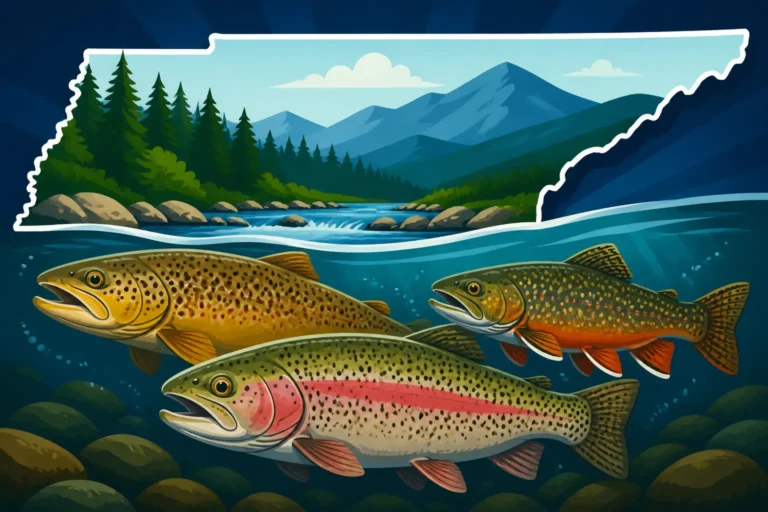
Imagine a pristine stream in the Smokies, fed by icy mountain springs. That's prime natural trout habitat. Now imagine a popular lake or river closer to a major city, where the water might get warmer in summer, or where fishing pressure is incredibly high. These areas often can't sustain a "wild" population of rainbow trout because the conditions aren't ideal for their natural reproduction and survival year-round. This is where stocking bridges the gap. The TWRA raises millions of rainbow trout in hatcheries specifically for release into public waters. This isn't about creating trophy fisheries everywhere, but about ensuring that a catchable population of trout is available for everyone to enjoy. It provides immediate fishing opportunities, especially for families and beginner anglers who want a higher chance of success. This strategy effectively creates put-and-take fisheries where the fish are caught shortly after being released, which is fantastic for consistent angling enjoyment.
The Immediate Size of Stocked Trout
When these rainbow trout are released into Tennessee streams, they're not tiny fry, nor are they usually lunkers. They're typically what we call "catchable size," meaning they're big enough to put up a decent fight and be a satisfying catch. Most of the time, these fish will be anywhere from 8 to 12 inches long. Sometimes you'll encounter a batch of slightly smaller fish, perhaps 6 to 8 inches, but it's rare to find truly tiny ones from a stocking truck. The goal is to release fish that are ready to be caught right away. This standard stocking size is a balance between the cost of raising fish to a larger size and providing a fun, accessible fishing experience. They’ve been fed a steady diet in the hatchery, growing efficiently until they reach this standard. You can often find details about when and where fish are stocked on the TWRA website, giving you a heads-up on potential sizes. This information helps you target your efforts, and if you're looking for where they stock, check out the Tennessee Trout Stocking Schedule and Season.
What Influences the Size and Growth of Stocked Rainbow Trout
Once rainbow trout are released into a stream, their growth trajectory isn't quite as straightforward as it was in the hatchery. They're now in a wild environment, facing new challenges and opportunities that will dictate how much they grow and, ultimately, their maximum size.
Environmental Factors: Water Quality, Food, and Competition
The success of a stocked rainbow trout in growing beyond its initial release size depends heavily on its new home. First, water quality is paramount. Trout need cool, clean, well-oxygenated water to thrive. If a stream experiences warm summer temperatures or low oxygen levels, it will stress the fish, hindering growth and even leading to mortality. Streams that maintain consistent cool temperatures, often found in higher elevations or spring-fed systems, offer the best conditions for growth.
Food availability is another massive factor. In a hatchery, they get a perfectly balanced diet delivered right to them. In a stream, they have to hunt. They'll feed on aquatic insects like nymphs and caddisflies, terrestrial insects that fall into the water, small minnows, and even worms. If a stream is rich in these food sources, the trout will have the energy to grow larger. Conversely, a sparse food environment means slower growth. Competition also plays a significant role. If a stream is heavily stocked or has a strong wild fish population, there's more competition for limited food resources, which can stunt growth for all fish. When you’re considering your next trip, understanding these factors helps set expectations for what you might catch.
Genetics and Survival Rates Post-Stocking
The genetic makeup of the stocked trout also plays a role, though perhaps less so than environmental factors in a put-and-take scenario. Hatchery fish are often bred for fast growth and disease resistance in a controlled environment. While these traits help them reach catchable size quickly, they might not always have the same genetic hardiness or instincts as wild trout when faced with natural predators, fluctuating water levels, or finding natural food sources.
Survival rates after stocking are a big challenge. Many stocked trout are caught within days or weeks of their release. This is exactly what the "put-and-take" model intends. However, those that do survive longer face a gauntlet of predators (birds, otters, larger fish), fishing pressure, and environmental changes. The longer a stocked trout survives, the more opportunity it has to grow, but this often means moving into less accessible areas or adapting to a more natural diet and evasive behaviors. Very few stocked rainbows will live long enough to reach truly large sizes in most put-and-take streams. This is especially true in areas with high angler traffic where the fish are rapidly removed.
Typical Size Ranges for Rainbow Trout in Tennessee's Stocked Waters
It's helpful to have realistic expectations when you're fishing for stocked rainbow trout. While every once in a while you'll hear a tale of a giant, most of what you'll encounter will fall into a predictable range.
The "Stockie" Size: 8-12 Inches
The overwhelming majority of rainbow trout caught in Tennessee's stocked streams will be in that 8 to 12-inch range. These are the fish that were recently released and haven't had much time to grow, or perhaps they're from an earlier stocking and have managed to put on an inch or two. They're fat, healthy, and eager to bite, having been raised on a diet that makes them quite accustomed to feeding readily. They’re perfect for a family outing or for new anglers because they provide consistent action. When you catch one of these, you’ll notice they might have slightly worn fins from their time in the hatchery, or sometimes a duller coloration compared to a wild trout.
This is the bread and butter of our stocked fisheries. If you're using light tackle and focusing on areas where fresh fish have been introduced, these are the ones you're most likely to encounter. They are a blast to catch, and if you're looking for dinner, they're perfect pan-sized fish. Don't be fooled by their modest size; they can still put up a spirited fight on appropriate gear. For more details on identifying these fish, check out How to Identify Rainbow Trout in Tennessee Streams.
The Occasional "Holdover" and How They Grow
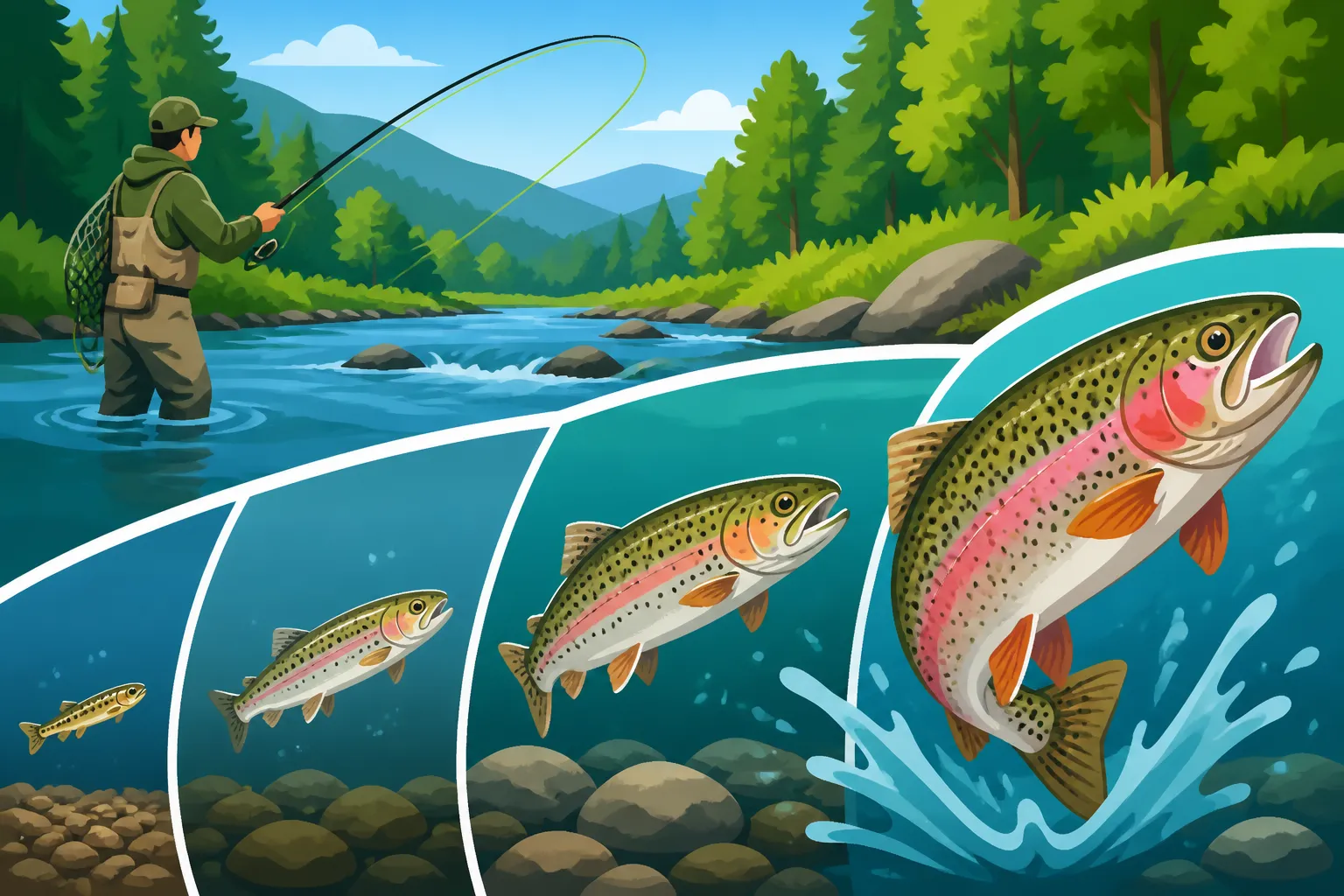
Sometimes, a few stocked trout manage to evade anglers and predators, surviving for months or even a year or more. These are what we call "holdovers." These fish have successfully adapted to the wild environment, found consistent food sources, and developed stronger survival instincts. It's these holdovers that have the potential to grow larger, sometimes reaching 14 to 18 inches, or even a bit more in exceptional circumstances.
Holdovers are typically found in parts of the stream that offer better cover, deeper pools, or less fishing pressure. They'll often be more wary and selective in their feeding, acting much more like wild fish. Catching a holdover is a real treat because they are usually stronger, more colorful, and present a greater challenge. They've earned their size! These bigger fish are often the result of having consistent, colder water and a plentiful natural food supply, allowing them to pack on pounds. Finding them can be trickier, requiring a bit more skill and patience, perhaps with more natural baits or carefully presented flies. If you’re serious about finding these, you might even consider researching specific streams to see if they’re known for producing larger holdovers. You can find gear that helps with this on platforms like Amazon, from specialized fishing lines to fish finders.
Here's a quick comparison of typical sizes you might encounter:
| Trout Type | Typical Length (Inches) | Growth Rate Post-Stocking | Catch Difficulty |
|---|---|---|---|
| Recently Stocked Rainbow | 8 – 12 | Minimal | Easy |
| Holdover Rainbow | 12 – 18+ | Moderate to Significant | Medium to Hard |
| Wild Rainbow (Native) | 6 – 15 (variable) | Natural, slower | Medium to Hard |
Tips for Catching Larger Stocked Rainbow Trout in Tennessee
So, you're hoping to bump into one of those impressive holdovers or just maximize your chances of a respectable fight? It takes a bit more strategy than just showing up after the stocking truck leaves. While fishing "fresh stockers" can be a blast, targeting the larger, more elusive fish requires a slightly different approach.
Timing Your Trip and Choosing Your Location Wisely
One of the biggest keys to finding larger trout is timing. While most anglers rush to the stream right after a stocking event, those larger holdovers tend to be more active and less pressured in the weeks or even months after the initial frenzy. The fish that survive the immediate angling pressure become wiser and stronger. Look for periods when fishing pressure is lower, perhaps on weekdays, or during less popular times of day. Also, consider the Tennessee Trout Limits and Season Rules for any specific water bodies.
Location is equally important. Don't just fish the easily accessible pools near parking lots. Larger fish often move to areas with more cover: deep runs, undercut banks, fallen trees, or large boulders that create eddies and slack water. They seek refuge from predators (both human and animal) and prefer spots where they can ambush prey without expending too much energy fighting the current. Think about hiking a bit further upstream or downstream from the popular spots. Sometimes, exploring a new section of river can lead to surprising finds. Water temperature also plays a critical role; fish will seek out cooler water in the summer, often moving to deeper areas or finding spring seeps.
Using the Right Gear and Techniques for Warier Fish
For the average stocked rainbow, a simple worm or power bait on a hook under a bobber works wonders. But for those smarter holdovers, you'll need to step up your game. These fish are more accustomed to natural food sources and are warier of unnatural presentations.
Consider using lighter line, perhaps 4-6 pound test, to make your presentation more subtle. Smaller hooks are also key, especially if you're using natural baits like red wigglers, wax worms, or even small minnows. Lures that mimic natural prey, like small spinners (e.g., Rooster Tails or Mepps Aglias) or spoons, can be very effective. If you’re into fly fishing, matching the hatch with appropriate nymph or dry fly patterns is the way to go. For ideas on what to use, check out Best Bait for Rainbow Trout Fishing or learn some new methods with Spin Fishing Techniques for Trout and Fly Fishing Techniques for Trout.
Remember that presentation matters. Casting upstream and allowing your bait or lure to drift naturally downstream without drag is often more effective than simply casting out and reeling straight in. For fly anglers, a perfect drift is critical. Being patient and observant of the water will also increase your success. Watch for subtle rises or dark shapes in deeper water. And don't forget to pack a good pair of polarized sunglasses; they can help you spot fish or hidden structure, and you can easily find quality options on Amazon.
Understanding and Respecting the Fishery
Finally, a big part of maximizing your enjoyment and helping to sustain our fisheries is understanding and respecting the rules. Always know the Tennessee Fishing Regulations Explained for the specific body of water you're fishing. Trout limits can vary, and some areas may have special regulations like single-hook artificial lures only, or catch-and-release requirements.
If you're practicing catch and release, especially with those hard-earned holdovers, do so carefully. Use barbless hooks, handle the fish minimally with wet hands, and release them quickly to give them the best chance of survival. A net can be an invaluable tool to safely land and release fish, protecting them from damage on rocks or banks. You can find excellent landing nets that collapse for easy carrying on Amazon. These small actions contribute to the overall health of the fishery and ensure that there are plenty of fish for everyone to enjoy for years to come. Ultimately, understanding the life cycle and management of these fish helps us all be better, more informed anglers.
Disclaimer
This article is for general informational purposes only and does not constitute professional advice. Laws, prices and regulations vary by location and change over time. Consult a qualified professional for guidance on your specific situation.