Where to Find Bluegill in Tennessee Ponds
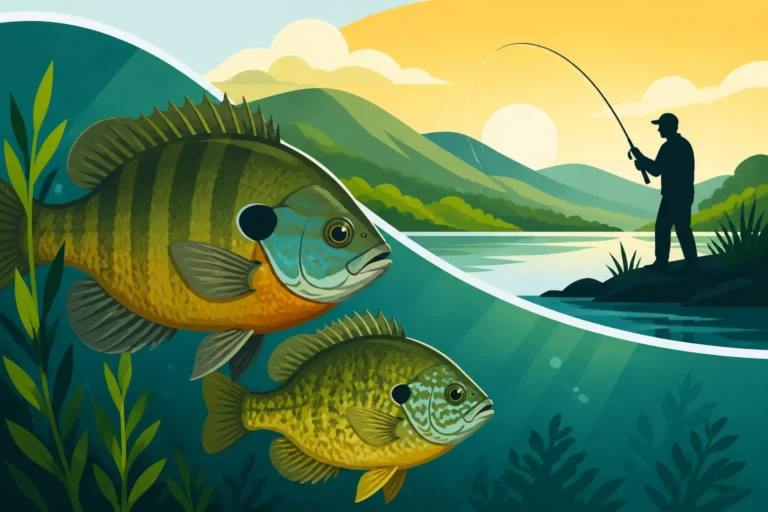
If you've ever cast a line into a quiet Tennessee pond, only to wonder where all the fish are hiding, especially those feisty bluegill, you're not alone. It can be frustrating to know bluegill are typically abundant, yet somehow they manage to elude your bait. This guide is all about peeling back the layers of mystery around bluegill behavior, helping you understand precisely where these panfish prefer to hang out in Tennessee's countless ponds, and giving you the know-how to find them consistently.
Understanding Bluegill Behavior in Ponds
Bluegill, or "bream" as many of us lovingly call them, are one of Tennessee's most accessible and enjoyable fish to catch. They're often the first fish a child catches, sparking a lifelong love for angling. But even though they're common, they're not just randomly swimming around. Bluegill are masters of their environment, and understanding their basic instincts is your first step to finding them in any pond.
Why Bluegill Seek Cover and Structure
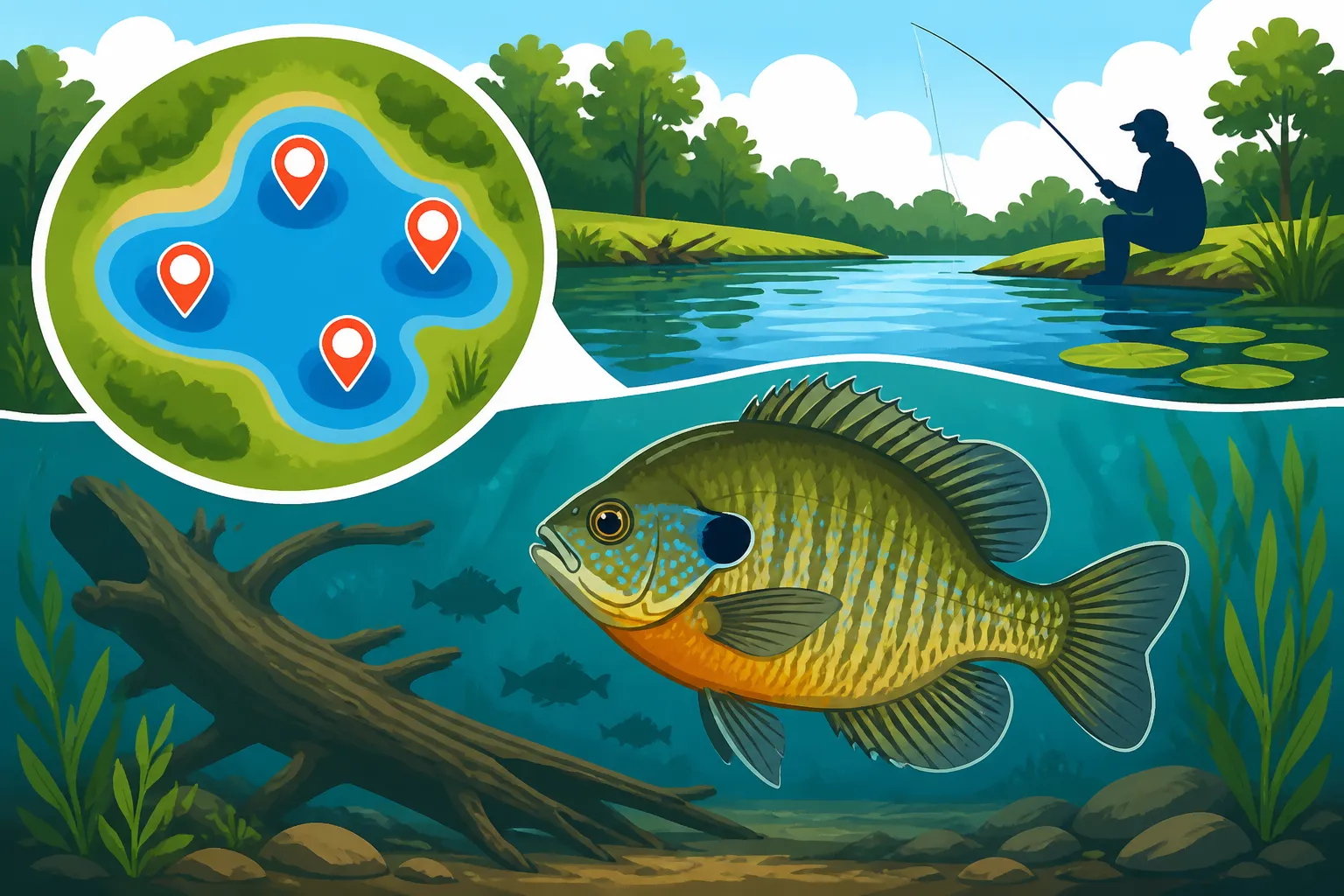
Think of bluegill as homebodies; they love a good hideout. This isn't just for comfort, but primarily for safety and food. Ponds, while appearing simple, have a surprising amount of underwater real estate that bluegill utilize. They instinctively seek out areas that offer protection from larger predators like bass, herons, and even otters. This cover can be anything from submerged timber to thick aquatic vegetation. It's their sanctuary, a place where they can feel secure enough to feed without constantly looking over their shoulder.
Beyond safety, these covered areas are often buzzing with life. Small insects, larvae, and tiny crustaceans thrive in and around dense vegetation or sunken logs. This means a bluegill's home is often also its dining room. If you can identify these key pieces of underwater furniture, you're well on your way to locating a school of hungry bluegill. Knowing Bluegill Fishing Tips for Kids in Tennessee often starts with understanding this fundamental need for cover.
The Importance of Depth and Water Temperature
While bluegill might seem content in shallow water, their preferences for depth can shift dramatically based on environmental factors, especially water temperature. During cooler months, or even on hot summer afternoons, bluegill will often retreat to deeper, more stable water where temperatures are more consistent. This isn't just about comfort; it's about their metabolism. When the water gets too hot, they become sluggish and less active, seeking cooler thermoclines. When it's too cold, they also slow down, again seeking more moderate depths.
Conversely, during ideal temperatures, often in the spring and fall, you'll find them much shallower, soaking up the sun and actively feeding. Even within a small pond, there can be significant depth variations, from gradual sloping banks to sudden drop-offs. Learning How Water Temperature Affects Fish Activity is crucial for all species, and bluegill are no exception. Observing how different areas of a pond warm up or cool down can give you a significant advantage in finding where these fish are holding.
Key Pond Features That Attract Bluegill
Not all parts of a pond are created equal when it comes to bluegill habitat. Some areas are just magnets for these panfish, offering a perfect blend of safety, food, and comfort. Learning to "read" a pond and identify these hotspots will dramatically increase your success.
Aquatic Vegetation: Weeds, Lilies, and Grasses
Dense aquatic vegetation is arguably the number one bluegill attractor in any pond. Whether it's lily pads, cattails, submerged grass beds, or even thick algae mats, these green havens provide everything a bluegill needs. The shade from lily pads on a bright summer day offers relief from the sun, while the intricate root systems and stems of submerged grasses create a labyrinth of hiding spots. These areas are also nurseries for countless small invertebrates and insects, which are prime food sources for bluegill.
When you approach a pond, keep an eye out for any patches of green. Even small clumps of weeds can hold fish. Cast your bait, whether it's a small worm or a tiny jig, right on the edge of these patches, or even try to drop it into small openings within the denser stuff. You'll often find bluegill holding just inside the cover, ready to ambush anything that swims by. For Best Bait for Bluegill and Panfish, a simple red worm often does the trick near these areas.
Submerged Structure: Logs, Rocks, and Brush Piles
Beyond vegetation, bluegill absolutely love hard structure in the water. This includes fallen trees, sunken logs, rock piles, old stumps, and even artificial brush piles that anglers or pond owners might have strategically placed. These structures serve the same purpose as vegetation: they offer vertical cover, a break from current (if any), and an ambush point for feeding. A single fallen tree can be a bluegill apartment complex, with fish inhabiting every branch from shallow to deeper water.
When you're fishing a pond, pay close attention to the shoreline for any signs of these structures extending into the water. A partially submerged log might have dozens of bluegill nestled underneath or along its length. If you have a small boat or a Best Kayaks for Tennessee River Fishing to get around, you can explore further out into the pond to locate these hidden treasures. Dropping a small offering right next to or slightly over these structures can be incredibly effective.
Docks, Piers, and Overhanging Trees
Man-made structures also play a huge role in attracting bluegill, especially in ponds frequented by people. Docks and piers offer shade, vertical cover from pilings, and often attract algae growth which in turn attracts smaller organisms. These spots are fantastic for bluegill, providing a safe haven close to shore. Similarly, trees whose branches hang low over the water, or even dip into it, provide overhead cover and drop insects into the water, creating a natural feeding station.
These areas are often overlooked by anglers focused on "natural" features, but they can be incredibly productive, especially on hot, sunny days when bluegill seek the shade. Approach these spots quietly, and try dropping a light bait or a small bobber rig right up against the pilings or under the overhanging foliage. You might be surprised at the numbers you can pull out from under a simple dock. For How to Catch Bluegill From the Bank, these spots are often your most accessible and productive.
Seasonal and Time-of-Day Considerations
Bluegill, like all fish, are influenced by the changing seasons and even the time of day. Their activity levels and locations will shift throughout the year, making it important to adjust your approach.
Spring: The Spawn and Shallow Water Frenzy
Ah, spring in Tennessee! This is arguably the best time to target bluegill in ponds. As water temperatures rise, typically into the high 60s Fahrenheit, bluegill move into shallow water for their spawning ritual. They'll create circular "beds" on hard bottom areas, often in clusters that look like lunar craters. These beds are usually found in 1-3 feet of water, close to protective cover like weeds or submerged timber. During this time, bluegill are aggressively protective of their nests and will readily strike at anything that approaches.
Finding these beds is often as simple as walking the shoreline on a sunny day and looking for light-colored circles on the bottom. Once you locate a bed, nearly any small bait or lure presented gently will get a strike. This is a fantastic time to introduce new anglers, especially kids, to fishing, as the action can be non-stop. Just remember to be mindful of the spawn; catch and release is often a good practice to ensure future generations of bluegill. If you're wondering How to Find Bluegill in Shallow Water, spring is your golden ticket.
Summer: Deeper Retreats and Early/Late Bites
Once the Tennessee summer really heats up, bluegill behavior changes. The scorching midday sun can drive them out of the shallows and into deeper, cooler water. You'll often find them holding on those submerged structures or around drop-offs that lead to deeper sections of the pond. While they might still visit shallow areas, their peak activity will often shift to the cooler parts of the day.
Your best bets for summer bluegill will be during the early morning hours, right at dawn, or in the late afternoon and evening as the sun begins to set. During these cooler periods, they'll venture back into the edges of weed beds or along shaded banks to feed. During the middle of the day, focus your efforts on those deeper structures or areas with consistent shade. How to Catch Bream in Summer often means adapting to these conditions and being patient.
Fall and Winter: Slowing Down and Deeper Holds
As autumn brings cooler temperatures, bluegill will experience a brief burst of activity, fattening up before winter. They'll still be found around cover, but may start to congregate in slightly deeper water as the overall water temperature drops. This can be a productive time, especially on sunny days.
Once winter sets in, bluegill become much less active. They'll typically move to the deepest parts of the pond, congregating in schools near significant structure or bottom irregularities. While you can still catch them, your presentations will need to be much slower and more subtle. Tiny jigs tipped with a micro-plastic or a small piece of worm, fished vertically, are often the most effective. Persistence is key during these colder months, but the reward of a fresh bluegill on a crisp winter day is certainly worth it.
Practical Tips for Locating Bluegill in Any Tennessee Pond
Finding bluegill isn't just about knowing where they should be, but also having a strategy for how to locate them efficiently. Here are some actionable tips to put you on the fish.
Start Shallow, Work Deep
A great general rule of thumb when fishing any new pond is to start by exploring the shallow areas. Bluegill are often found in water from 1 to 5 feet deep, especially during prime feeding times or the spawn. Walk the bank and look for visual cues like weed lines, lily pads, or overhanging cover. Make a few casts into these obvious shallow hotspots. If you don't find them there, or if the day is particularly hot or cold, then begin to systematically work your way out to deeper water.
Use a simple rig with a small bobber, which allows you to cover different depths by adjusting the distance between the bobber and your bait. This progressive approach allows you to efficiently eliminate unproductive water and zero in on where the bluegill are holding. Don't be afraid to try multiple spots; bluegill can be surprisingly localized.
Pay Attention to Bottom Composition and Topography
Bluegill prefer certain types of bottom. During the spawn, they seek out harder bottoms like gravel or sand. Throughout the rest of the year, they might prefer softer, muckier bottoms that hold more invertebrate life, but will still relate to harder structure. If you're fishing from a boat or kayak, a basic fish finder can reveal not just depth changes but also the type of bottom (hard vs. soft) and any submerged contours like humps or ledges.
Even without electronics, you can learn a lot by simply feeling your bait hit the bottom. A soft thud indicates mud, while a sharper tap suggests rock or gravel. Pay attention to how the shoreline extends into the water – a rocky bank often means a rocky bottom. Tennessee's 291 Native Fish Species and 52 Sport Fish Explained covers how diverse these habitats can be, even for a common fish like bluegill.
Utilize Visual Cues and Observation
Never underestimate the power of observation. When you arrive at a pond, take a few minutes before casting to simply watch the water. Look for rises on the surface indicating feeding fish, or ripples that might suggest a school of bluegill moving. Birds like kingfishers or herons can be excellent indicators, as they often hunt in areas where baitfish (and thus bluegill) are abundant.
Also, look for subtle changes in water color or current, even in a seemingly still pond. These can be clues to deeper channels or feeder creeks that bring in nutrients and attract fish. Sometimes, the bluegill themselves might be visible, darting in and out of cover, especially in clear water. This kind of "scouting" can save you a lot of time and effort. Many anglers enjoy the simplicity of a Simple Bluegill Rig for Kids to get them started with visual fishing.
| Pond Feature | Optimal Depth | Typical Season | Fishing Strategy |
|---|---|---|---|
| Lily Pads/Weed Beds | 1-4 feet | Spring, Summer | Cast to edges, drop into openings |
| Submerged Logs/Stumps | 2-8 feet | Year-round | Target immediate vicinity, cast parallel |
| Docks/Piers | 2-6 feet | Spring, Summer | Cast under and around pilings, especially in shade |
| Gravel/Sand Flats | 1-3 feet | Spring (Spawn) | Look for beds, slow retrieve across bottom |
| Deep Drop-offs | 6-15+ feet | Summer, Winter | Vertical jigging, slow retrieve near bottom |
| Overhanging Trees | Surface to 3 feet | Spring, Summer | Target shaded areas, let bait fall naturally |
Gear Up Smartly (But Keep it Simple)
You don't need a fancy boat or expensive electronics to find bluegill, especially in a pond setting. A lightweight spinning rod, some 4-6 pound test line, and a handful of basic terminal tackle are all you really need. Small hooks (size 8-12), split shots, and small bobbers are essential. As for bait, live worms (red wigglers or nightcrawlers) are classic bluegill magnets. Small crickets, grasshoppers, or even pieces of bread can also work wonders. If you prefer artificials, tiny jigs (1/32 to 1/16 oz) with small plastic bodies are incredibly effective.
When considering gear, places like Amazon can be a convenient spot to stock up on essentials like hooks, bobbers, and small tackle boxes. Having a small, portable tackle box filled with bluegill essentials means you're always ready when you find that perfect pond. Remember, bluegill are not typically line-shy, but lighter line still offers better presentation and feel.
Patience and Persistence Pay Off
Finally, don't get discouraged if you don't find bluegill immediately. Ponds can be tricky, and fish behavior changes from day to day, even hour to hour. If a spot isn't producing, move to another. Experiment with different depths, baits, and presentation styles. Sometimes, it's just a matter of trying one more cast into that brush pile, or moving to the other side of the pond. Bluegill are there, and with a bit of patience and by applying these tips, you'll be enjoying the thrill of a bending rod in no time. For more general advice on Where to Fish in Tennessee by Region, remember that local ponds are often the most overlooked gems.
Disclaimer
This article is for general informational purposes only and does not constitute professional advice. Laws, prices and regulations vary by location and change over time. Consult a qualified professional for guidance on your specific situation.