What Are Tennessee’s 52 Recognized Sport Fish Species?
It can feel overwhelming to navigate the sheer diversity of fish swimming in Tennessee's waters. When you hear about "sport fish," it's not just a casual term; it refers to a specific list of species recognized by the state for their angling appeal, and frankly, it can be a bit confusing to keep them all straight! This guide aims to demystify that list, walking you through the vibrant array of fish that make Tennessee a true angler's paradise, covering the types of fish you're most likely to encounter and why they hold a special place in our fishing culture.
Understanding Tennessee's Rich Aquatic Biodiversity
Tennessee is truly blessed with an incredible variety of aquatic life, and it's not just by chance. Our state's unique geography, from the Appalachian Mountains in the east to the Mississippi River lowlands in the west, provides a vast spectrum of habitats that support a staggering number of fish species. This biodiversity is what makes fishing here such an enriching experience, offering something for every type of angler, whether you prefer tranquil streams or vast reservoirs. It’s this natural bounty that contributes to Tennessee being home to Tennessee's 291 Native Fish Species and 52 Sport Fish Explained.
Why Tennessee is a Fish Haven: Geographic and Hydrological Factors
Think about it: we have cold, clear mountain streams tumbling down from the Smokies, feeding into mighty rivers like the Tennessee and Cumberland, which then expand into massive reservoirs. Each of these environments offers distinct conditions – varying water temperatures, flow rates, depths, and bottom structures – that cater to different fish species. For example, the oxygen-rich, colder waters of East Tennessee are perfect for trout, while the warmer, slower-moving currents and vast open spaces of our major lakes create ideal conditions for various bass and catfish. The rich food sources, from abundant insect life in smaller creeks to large baitfish populations in the reservoirs, also play a crucial role in sustaining these healthy fish populations. It's like a natural buffet spread out for every fish's preference!
Warmwater vs. Coldwater Habitats and Their Inhabitants
When we talk about fishing in Tennessee, a fundamental distinction to understand is between warmwater and coldwater habitats, as these directly dictate which species you'll find where.
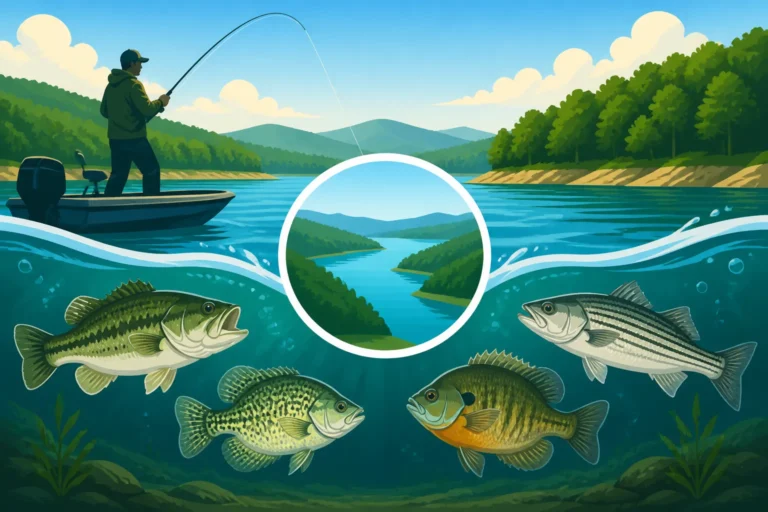
- Warmwater Habitats: These are predominantly our large reservoirs, slower-moving rivers, and many smaller ponds across the state. The water temperatures here typically remain warmer for longer periods throughout the year, especially in summer. This environment is ideal for species like various bass, crappie, bluegill, and catfish. These fish are adapted to thrive in these conditions, often seeking out structure, submerged timber, or deeper pockets during the hottest months to stay comfortable and find food. Our major lakes like Chickamauga Lake, Kentucky Lake, and Percy Priest Lake are prime examples of thriving warmwater fisheries. You can learn more about these in Warmwater Gamefish Found in Tennessee.
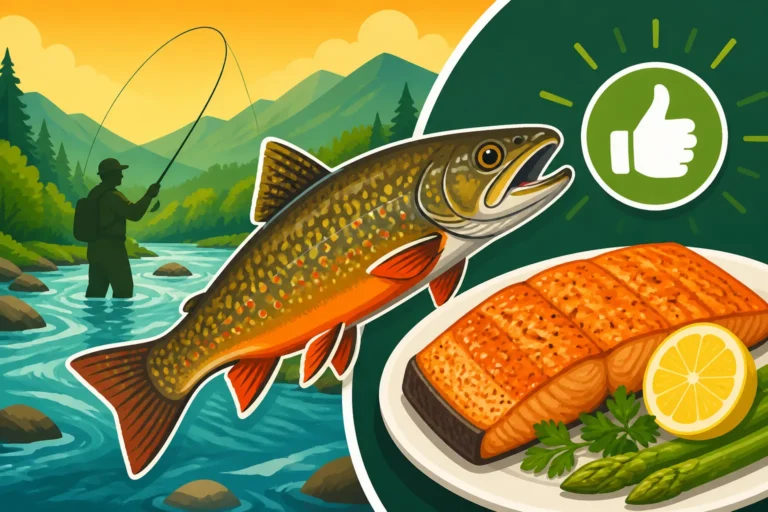
- Coldwater Habitats: Primarily found in the eastern part of the state, these include high-elevation mountain streams, tailwaters below large dams (where water released from the bottom of the reservoir is consistently cold), and certain spring-fed creeks. These waters are characterized by their lower temperatures, typically below 70°F even in summer, and higher oxygen levels. These are the domains of trout species like rainbow, brown, and brook trout. Anglers targeting these species will often find themselves in incredibly scenic, often remote, locations, requiring different gear and techniques than warmwater fishing. Cold-Water Trout Species in Tennessee delves deeper into these fantastic fisheries.
Understanding this distinction is key to knowing what you're likely to catch and where to focus your efforts, helping you choose the right gear and bait for a successful day on the water.
The Core 52: Breaking Down Tennessee's Recognized Sport Fish Species
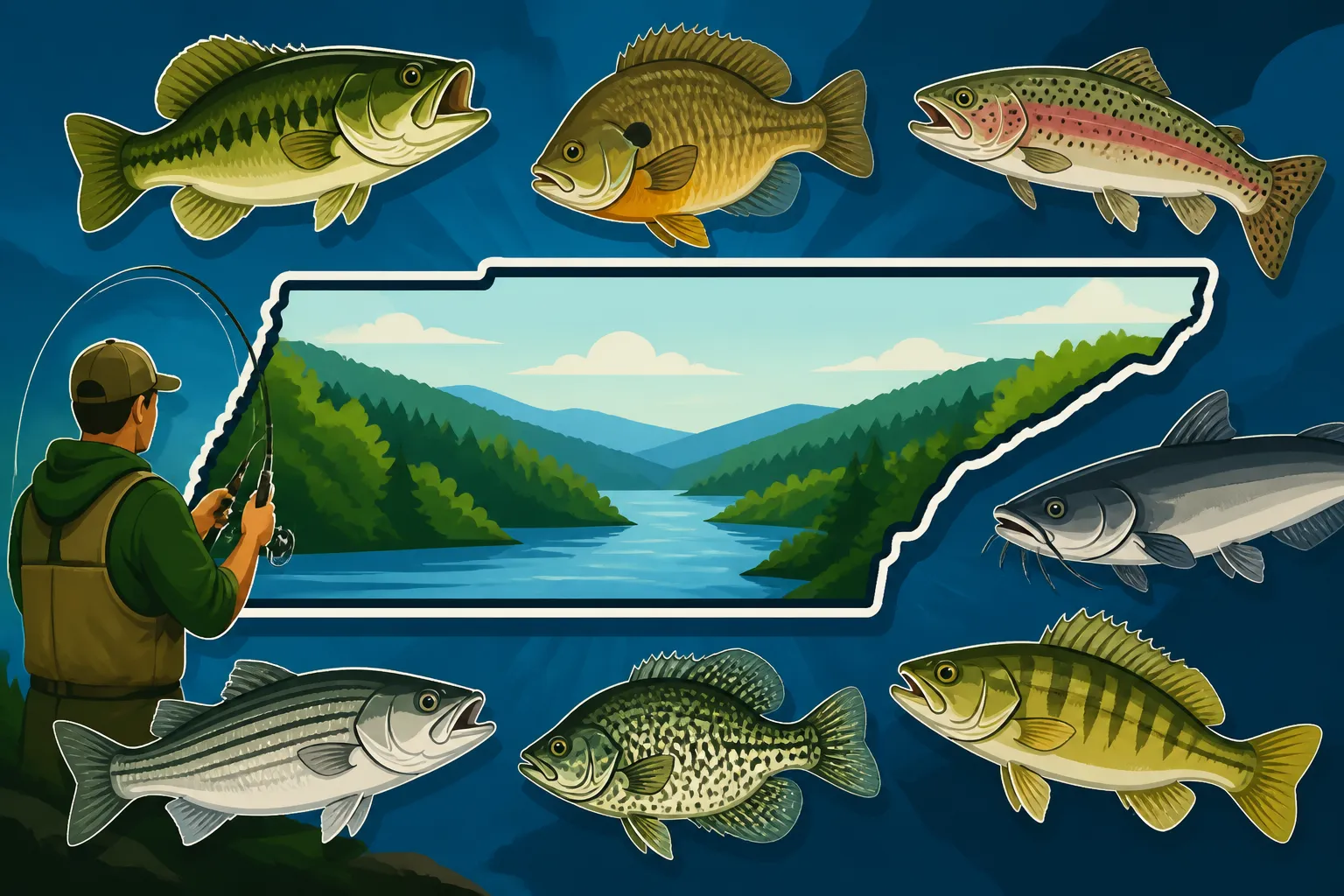
So, what exactly are these 52 species that get the "sport fish" designation? While we can't list every single one without turning this into a textbook, we can certainly explore the main categories and highlight the most popular and prominent ones that make up the vast majority of angling opportunities in Tennessee. These are the fish that anglers specifically target for their fighting ability, their culinary value, or simply the challenge of the chase.
The Mighty Bass Family
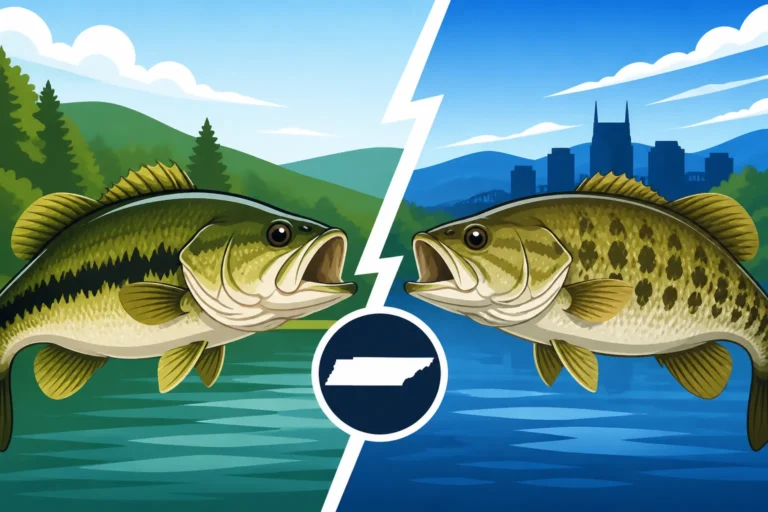
Without a doubt, bass are kings in many Tennessee waters, offering thrilling action whether you're a seasoned pro or just starting out. Our state is particularly famous for its bass fishing. A Complete Guide to Tennessee Bass Species reveals just how diverse this family is here.
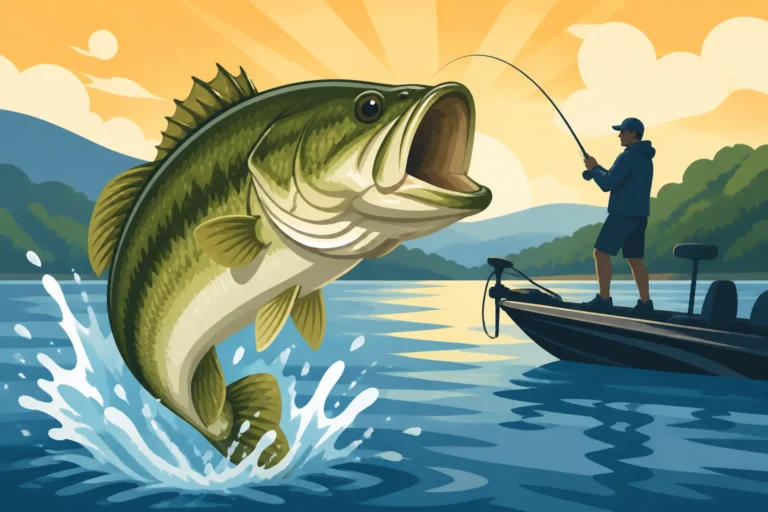
- Largemouth Bass: The iconic green fish, known for its explosive topwater strikes and powerful fights. Largemouth thrive in our reservoirs, lakes, and slower river sections, often holding tight to submerged cover like lily pads, fallen trees, and boat docks. They are often targeted with a wide array of lures, from crankbaits to soft plastics.
- Smallmouth Bass: Revered for their incredible fighting spirit and acrobatic leaps, smallmouth prefer cooler, clearer waters, often found in rocky areas of reservoirs and swift-flowing rivers. Tennessee even recognizes the smallmouth bass as one of its official state fish, a testament to its popularity and sporting value. Dale Hollow Lake, for example, is world-renowned for its trophy smallmouth.
- Spotted Bass: Sometimes mistaken for largemouth, spotted bass are common in many of our reservoirs and larger rivers. They often school up and are aggressive, providing consistent action. They typically don't grow as large as largemouth but put up a solid fight.
- Redeye Bass (Coosa Bass): Found primarily in the streams of the southeastern part of the state, these smaller, colorful bass are a favorite for fly anglers due to their preference for clear, flowing water.
Crappie and Panfish: Smaller but Fierce
Don't let their size fool you; crappie and other panfish offer incredible angling fun, especially for families and those looking for a delicious meal. They are often easier to catch and can provide fast-paced action.
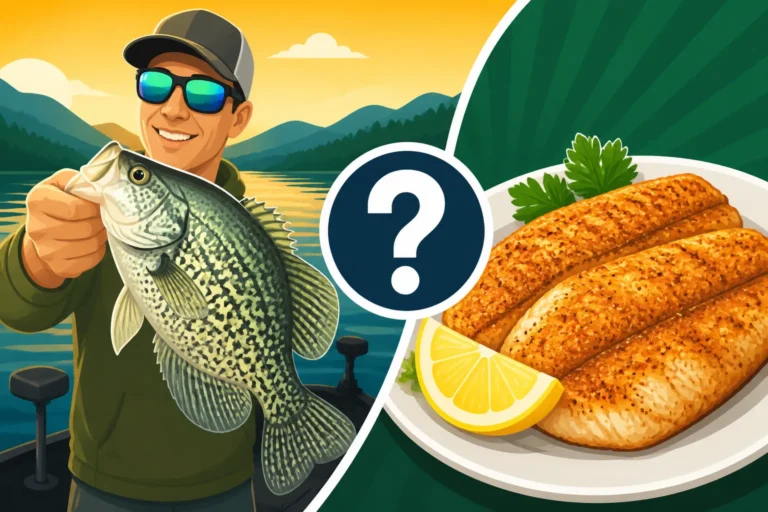
- Black Crappie and White Crappie: These two species are incredibly popular throughout Tennessee's lakes and slow-moving rivers. Known for schooling around submerged brush piles, docks, and timber, crappie are delicious and relatively easy to catch on small jigs or minnows. Spring during the spawn is a prime time, but they can be caught year-round. Dive into Tennessee Crappie Fishing: Black Crappie and Where to Find Them for more specific tactics.
- Bluegill, Redear Sunfish, and Other Panfish: These "bream" species are the perfect target for a relaxing day on the water, especially for kids or beginners. They are abundant in nearly every pond, lake, and river system, readily biting on worms, crickets, or small artificial lures. They are often found in shallow, weedy areas. To get started, check out Bluegill and Panfish Guide for Tennessee Anglers. For anyone setting up a beginner's tackle box, a simple closed-face reel and some hooks, bobbers, and small weights from an online retailer like Amazon can get you going for panfish.
The Whiskered Warriors: Catfish Species
Tennessee's waters are home to some truly massive catfish, providing a heavy-hitting challenge for anglers targeting big fish. They are powerful, resilient, and renowned for their table fare.
- Channel Catfish: The other official state fish of Tennessee! Channel cats are widely distributed and can be found in rivers, lakes, and ponds across the state. They are often caught on a variety of baits, from cut bait to chicken livers, and offer a respectable fight.
- Blue Catfish: These can grow to enormous sizes in our major rivers and reservoirs, with individuals weighing well over 100 pounds not uncommon in places like Kentucky Lake or Watts Bar. Targeting them often requires heavy tackle and patience.
- Flathead Catfish: Known for their predatory nature, flatheads prefer live bait and often inhabit rocky, woody cover in rivers and large lakes. They are powerful fighters and are highly sought after by dedicated catfishermen. You can learn more about these species in Catfish Species Found in Tennessee Waters.
Coldwater Gems: Trout and Other Salmonids
For those who love the tranquility of mountain streams or the challenge of fly fishing, Tennessee's trout fisheries are a true treasure.
- Rainbow Trout: By far the most common trout species in Tennessee, rainbow trout are extensively stocked by the TWRA in streams, rivers, and even some ponds. They are beautiful fish that put up a strong fight, especially in cold, flowing water.
- Brown Trout: Known for their wary nature and larger size potential, brown trout are highly prized by anglers. They are found in many of the same coldwater streams as rainbows, particularly in tailwater fisheries below dams and in the Great Smoky Mountains National Park.
- Brook Trout: Tennessee's only native trout species, brook trout are smaller and found exclusively in the coldest, most pristine headwater streams of the Appalachian Mountains. Catching a native brook trout in its natural habitat is a special experience for any angler. Discover more about where to find these beautiful fish in Tennessee Trout Guide: Rainbow, Brown, and Brook Trout.
The Elusive Striped Bass and Hybrids
These hard-fighting predators offer a unique challenge in Tennessee's larger reservoirs, often requiring specialized techniques.
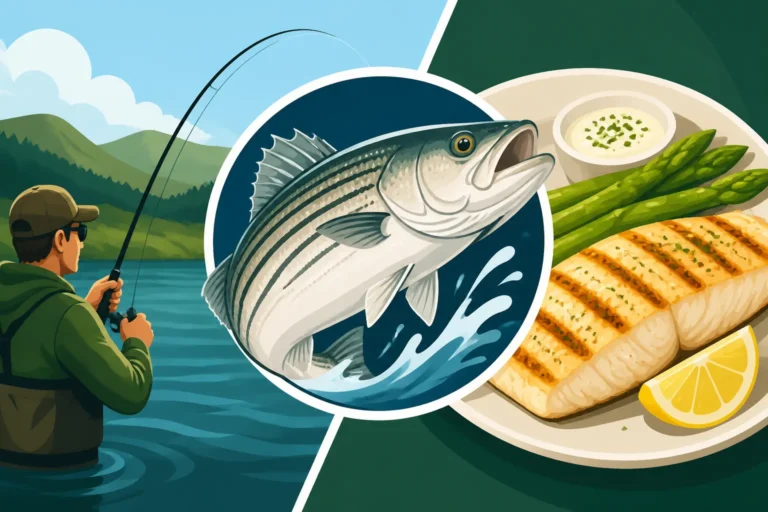
- Striped Bass: Purebred stripers are powerful, open-water predators that chase baitfish in large schools. They can grow very large and provide an incredible battle, especially when hooked on light tackle. Norris Lake and Watts Bar Lake are prime spots for these. Check out Striped Bass Fishing in Tennessee Reservoirs for more details.
- Hybrid Striped Bass (Wipers): A cross between a striped bass and a white bass, hybrids are often stocked to provide additional sportfishing opportunities. They are extremely aggressive, grow quickly, and are known for their strong fights.
Other Notable Sport Fish
While the above categories cover the main players, Tennessee's 52 recognized sport fish also include other species that provide excellent angling opportunities.
- White Bass: These smaller schooling fish offer fast and furious action, especially during their spring spawning runs in rivers. They are aggressive and fun to catch on light tackle.
- Walleye and Sauger: Found in larger rivers and reservoirs, walleye and sauger are prized for their delicate white flesh. They are often targeted by drifting or trolling jigs and crankbaits.
- Muskellunge: The "fish of a thousand casts," muskies are elusive and massive predators found in specific river systems like the Collins and Clinch rivers. Catching one is a badge of honor for any dedicated angler.
- Various Sunfish (e.g., Green Sunfish, Longear Sunfish): While often grouped with bluegill as "panfish," several distinct sunfish species offer colorful catches and feisty fights on ultralight gear.
Here's a quick summary of the major categories and some examples of Tennessee's sport fish:
| Category | Common Species Examples | Typical Habitat | Angling Style Focus |
|---|---|---|---|
| Bass | Largemouth, Smallmouth, Spotted, Redeye | Lakes, Reservoirs, Rivers, Rocky Streams | Lure casting, topwater, jigging, fly fishing |
| Crappie | Black Crappie, White Crappie | Lakes, Reservoirs, Slow Rivers (near structure) | Jigging, minnow fishing, spider rigging |
| Catfish | Channel, Blue, Flathead | Rivers, Reservoirs, Ponds (deep holes, muddy bottoms) | Bottom fishing, trotlines, jug fishing, cut bait, live bait |
| Trout | Rainbow, Brown, Brook | Cold Mountain Streams, Tailwaters | Fly fishing, spin fishing (small lures, bait) |
| Striped Bass | Striped Bass, Hybrid Striped Bass (Wipers) | Large Reservoirs (open water, chasing baitfish) | Trolling, casting large lures, live bait |
| Panfish | Bluegill, Redear Sunfish, Green Sunfish | Ponds, Lakes, Rivers (shallow, weedy areas) | Bobber fishing, worms, crickets, ultralight jigs |
| Other Gamefish | Walleye, Sauger, White Bass, Muskellunge | Rivers, Reservoirs (deep, rocky areas, open water) | Trolling, jigging, specialized lure casting, live bait |
This table provides a glimpse into the incredible diversity that makes up the 52 recognized sport fish. Each species offers a unique challenge and rewards anglers with different experiences. You can find gear for all these species, from simple bobbers to specialized bass lures, readily available online, perhaps on Amazon, ensuring you’re well-equipped for your next outing.
Beyond the List: What "Sport Fish" Really Means for Anglers
Understanding the specific species is one thing, but appreciating why they are designated as "sport fish" is another. It goes beyond just identifying them; it delves into the experience they provide, the challenges they present, and the collective efforts to protect them for future generations.
The Thrill of the Catch: Why These Species Matter
When a fish is dubbed a "sport fish," it generally means it offers an exciting challenge to anglers, whether through its fighting ability, its elusive nature, or its impressive size. For many, the thrill isn't just in landing the fish, but in the entire process: learning their habits, choosing the right bait or lure, mastering a technique, and the anticipation of a bite. Think about the heart-pounding moment a largemouth explodes on a topwater lure, or the relentless tug-of-war with a trophy blue catfish. Even the subtle strike of a wily brown trout on a tiny fly can provide immense satisfaction. These are the experiences that draw people to the water year after year, fostering a deep connection with nature and providing healthy outdoor recreation. Every cast holds the promise of a memorable encounter with one of these incredible species.
Identification and Conservation Efforts
Accurate identification is crucial for every angler. Not only does it help you understand what you're catching and refine your techniques, but it's also vital for adhering to Tennessee Fishing Regulations Explained. Different species have different size and creel limits, and knowing what you've caught ensures you're fishing legally and responsibly. For instance, correctly identifying a spotted bass from a largemouth can sometimes mean the difference between staying within the limit or inadvertently breaking a rule, especially if there are specific lake-based regulations. Resources like Freshwater Fish Identification Guide for Anglers can be invaluable.
More importantly, the "sport fish" designation often comes with dedicated conservation programs. The Tennessee Wildlife Resources Agency (TWRA) actively manages these populations through stocking programs, habitat restoration, and careful regulation of catch limits and seasons. Anglers play a critical role in these efforts by purchasing licenses, adhering to regulations, and practicing responsible catch-and-release, especially for sensitive species or larger, breeding fish. This ensures that the diverse and thrilling fishing opportunities Tennessee offers today will continue to thrive for generations to come. When you buy a license or report a poacher, you’re directly contributing to the health of these vital sport fish populations.
Disclaimer
This article is for general informational purposes only and does not constitute professional advice. Laws, prices and regulations vary by location and change over time. Consult a qualified professional for guidance on your specific situation.