Best Catfish Lakes in Tennessee
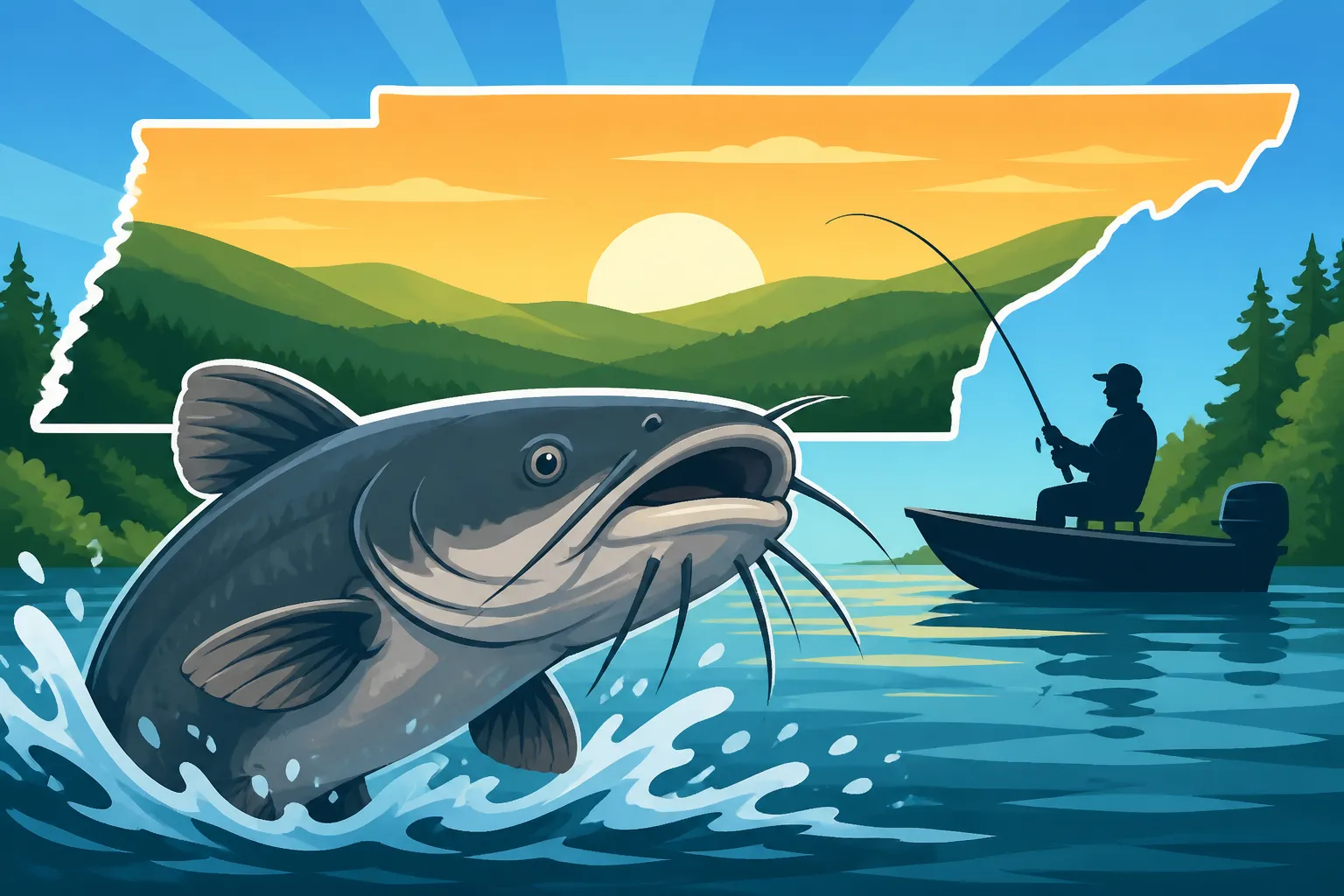
Finding the absolute best catfish lakes in Tennessee can feel like searching for a needle in a haystack, especially with so many incredible waterways across our beautiful state. It's tough to know where to start, what species to target, or which spots consistently produce those trophy-sized whiskerfish. This comprehensive guide is here to cut through the confusion, taking you on a journey through Tennessee's most renowned catfish hotspots and equipping you with the knowledge to land your next big catch.
Why Catfish are a Tennessee Favorite
Let's be honest, there's something uniquely captivating about catfishing in Tennessee. It's not always about the flashiest lures or the most complex techniques; often, it's about patience, the anticipation of a strong bite, and the sheer power of these bottom-dwelling giants. For many, it’s a cherished tradition passed down through generations, bringing families and friends together on the water. Catfish offer a blend of challenge, reward, and delicious eating that few other species can match.
The Thrill of the Fight
Anyone who has hooked into a substantial blue or flathead catfish can attest to the sheer power they possess. Unlike some other sportfish that might make acrobatic leaps, a big catfish digs deep, using its broad, flat tail to pull relentlessly, often feeling like you've snagged a submerged log that suddenly decides to fight back. This raw power is incredibly addictive, turning a peaceful day on the lake into an adrenaline-pumping battle of wills. Imagine reeling in a fish that makes your rod bend almost double, your drag scream, and your arms ache—that's the thrill of a Tennessee catfish. It’s a primal tug-of-war that keeps anglers coming back for more, year after year, hoping to best their personal record or perhaps even catch a state record. The anticipation of that first powerful run is what makes the long waits worthwhile.
Delicious Table Fare
Beyond the fight, catfish are hands-down one of the most delicious freshwater fish you can catch. Their firm, flaky, white meat is incredibly versatile, lending itself perfectly to a classic Southern fried catfish dinner, grilling, baking, or even smoking. There's nothing quite like fresh-caught catfish, lightly seasoned and fried to a golden crisp, served with hushpuppies and coleslaw. This culinary appeal adds another layer to the catfishing experience, transforming a day on the water into a feast for the whole family. Even if you're a catch-and-release angler for most species, many find it hard to resist taking home a few catfish for the dinner table. Smaller channel catfish, in particular, are often considered the best eating, offering a milder flavor profile.
Accessibility for All Anglers
One of the greatest things about catfishing is its accessibility. You don't necessarily need a fancy bass boat or expensive gear to get started. Catfish can be caught effectively from the bank, off docks, or from a simple jon boat. This makes it a fantastic sport for beginners, kids, and seasoned pros alike. Whether you're casting a simple bottom rig with a piece of chicken liver from shore or running a sophisticated trotline setup from a fully equipped fishing vessel, the opportunity to catch catfish is there for everyone. Many public access areas, state parks, and even urban ponds hold populations of catfish, making it easy to find a spot close to home. This widespread availability and straightforward approach mean that a fun day of fishing is never too far away.
Understanding Tennessee's Catfish Species
Tennessee is truly blessed with a diverse range of freshwater fish, and catfish are certainly no exception. While many anglers simply refer to them as "catfish," understanding the distinct characteristics of the different species inhabiting our waters can significantly improve your chances of success. Each species has its preferred habitat, feeding patterns, and size potential, making certain lakes better suited for targeting one over another. Tennessee even recognizes two official state fish: the channel catfish and the smallmouth bass.
Channel Catfish: The Widespread Favorite
The Channel Catfish: Tennessee's Other Official State Fish is probably the most commonly recognized and caught catfish species across Tennessee. They are abundant in almost every major river system, lake, and even many smaller ponds. Channel catfish are identifiable by their deeply forked tails, scattered black spots (though these can fade in larger, older fish), and a more slender body profile compared to their blue and flathead cousins. They typically range from 1 to 10 pounds, but can grow much larger, with some individual fish pushing into the 30-pound range.
These opportunistic feeders aren't particularly picky, which is part of their charm for anglers. They'll readily strike a wide variety of baits, from cut bait and chicken livers to prepared stink baits and even artificial lures. You can often find them in moderate currents in rivers, or cruising the open waters and shallower flats of lakes, especially around submerged cover like brush piles or weed beds. They are active both day and night, making them a reliable target for anglers looking to put some fish in the cooler. Their widespread distribution makes them an excellent target for family outings and beginner anglers.
Blue Catfish: The True Giants
If you're chasing truly massive catfish, the blue catfish is your main target in Tennessee. These are the undisputed heavyweights of the whiskerfish world, known for growing to enormous sizes. Blue catfish hold many state and even world records, with fish exceeding 100 pounds not uncommon in some of our larger reservoirs. You can often identify them by their distinctively high dorsal fin, a slightly bluish-gray coloration, and a deeply forked tail that is less rounded than a channel cat's. They also have a noticeable "hump" on their back just behind the head, especially in larger specimens.
Blue catfish prefer large river systems and deep, open reservoirs with strong current and abundant forage. They are primarily piscivores, meaning they feed heavily on other fish like shad, herring, and smaller carp. Therefore, fresh cut bait, especially from oily fish, is often the most effective for enticing these behemoths. Targeting blue catfish requires heavier gear, robust tackle, and a lot of patience, but the potential reward of landing a fish of a lifetime makes it all worthwhile. Their sheer power and impressive size make them a dream catch for trophy hunters, and you'll find them in the deep channels of the Tennessee and Cumberland Rivers, as well as the larger impoundments.
Flathead Catfish: Ambush Predators
The flathead catfish is a distinct and formidable species, known for its unique appearance and predatory nature. Unlike the channel and blue catfish, flatheads have a flattened head (hence the name), a protruding lower jaw, and a rounded or slightly notched tail, rather than a deeply forked one. Their coloration varies but is often mottled brown and yellow, providing excellent camouflage against rocky bottoms and submerged timber. They also have smaller eyes compared to other catfish species, hinting at their preference for low-light feeding.
Flatheads are primarily solitary ambush predators that prefer live bait. They are not scavengers like channel and blue catfish; instead, they lie in wait in heavy cover—think log jams, root wads, and deep holes—and strike unsuspecting prey. Live bream, bluegill, or other small panfish are irresistible to a hungry flathead. Targeting them often means fishing around heavy structure in rivers and the upper ends of reservoirs. Landing a big flathead requires not only patience but also the ability to extract a powerful fish from dense cover without getting snagged. They can also grow quite large, often reaching 50 pounds or more, offering a tough fight that combines brute strength with a determined dive for cover. Understanding Flathead Catfish Habitat in Tennessee Rivers is crucial for successful encounters.
Key Factors for Prime Catfish Waters
What makes one lake a catfish paradise while another, seemingly similar one, struggles to produce? It often boils down to a combination of environmental factors that create the ideal habitat for these bottom dwellers. From the contours of the lakebed to the availability of their favorite meals, several elements come together to create a thriving catfish fishery. Anglers who understand these factors are much better equipped to locate productive spots and consistently catch fish.
Depth and Structure
Catfish, particularly the larger blues and flatheads, are often associated with deeper water and significant underwater structure. Think old river channels, humps, ledges, submerged timber, rock piles, and artificial fish attractors. These features provide cover, ambush points, and thermal refuge. During the warmer months, catfish might move shallower to feed, especially at night, but they typically retreat to deeper, cooler waters during the heat of the day.
For channel catfish, structure can be anything from riprap along a causeway to brush piles in a cove. Blue catfish, on the other hand, often patrol the main river channels of large reservoirs, following contour lines and stacking up on deep ledges. Flatheads will almost always be found tucked into the densest cover imaginable, such as massive log jams or undercut banks. Understanding the underwater topography using a good fish finder is invaluable when targeting these species, helping you pinpoint those crucial depth changes and structural elements where catfish like to hold. Knowing where the old riverbed winds through a reservoir or where a significant drop-off occurs can make all the difference in finding these fish.
Forage and Food Sources
A healthy catfish population relies heavily on an abundant food supply. For channel catfish and especially blue catfish, vast schools of baitfish, such as shad (gizzard and threadfin), herring, and skipjack, are critical. These baitfish populations dictate where the predatory catfish will congregate. Lakes with strong, self-sustaining baitfish populations will almost always support excellent catfish fisheries.
Flathead catfish, as mentioned, prefer live prey, so a lake with a good population of smaller sunfish, bream, or even carp provides the necessary forage. In river systems, mussel beds can also be a significant food source for blue catfish. The presence of these food sources dictates not only the quantity but also the quality and size of the catfish in a particular water body. When you find areas where baitfish are abundant, you're often in the right place to find feeding catfish. Pay attention to birds diving or baitfish flickering on the surface—these are tell-tale signs of a healthy food chain in action.
River Systems and Reservoir Connections
Many of Tennessee's best catfish lakes are actually impoundments of major river systems, like the Tennessee River and the Cumberland River. These river-fed reservoirs offer a dynamic environment with varying currents, a constant influx of nutrients, and diverse habitats that are ideal for catfish. The connection to a flowing river means that fresh oxygenated water and baitfish are continuously moving through the system, creating prime feeding opportunities.
Lakes that are part of a larger river chain, such as Kentucky Lake or Watts Bar, benefit from the migration of fish and the extensive network of river channels that carve through them. These old riverbeds, now submerged, act as highways for catfish, guiding their movements and concentrating them in certain areas. Understanding how these river systems connect and influence the various reservoirs is key to developing a successful catfishing strategy. A lake that might be known for its bass fishing might also have incredible catfishing in the deeper, more riverine sections, often overlooked by anglers focused on other species. You might find guides on platforms like FishingBooker that specialize in targeting the unique features of these interconnected waterways.
Top Catfish Lakes in East Tennessee
East Tennessee is a region of stunning natural beauty, characterized by the Appalachian Mountains, rolling foothills, and, of course, some truly phenomenal fishing opportunities. Its lakes, many of which are impoundments on the Tennessee River system, offer deep, clear, and productive waters that are ideal for growing trophy catfish. If you're looking to hook into some serious whiskerfish, these spots should be at the top of your list.
Watts Bar Lake: A Catfish Powerhouse
Watts Bar Lake, Tennessee's Largest Lake for Fishing, is a sprawling reservoir on the Tennessee River, boasting over 39,000 acres of water and more than 700 miles of shoreline. While known for its bass and crappie, Watts Bar is an absolute powerhouse for catfish, particularly blue and channel cats. The lake's vast size, diverse structure, and connection to the Tennessee River provide an ideal environment for these fish to thrive and grow to impressive sizes.
Anglers frequently report catching blue catfish exceeding 50 pounds, with the occasional monster pushing the 80-pound mark. The deep river channel, extensive creek mouths, and numerous submerged humps and ledges are prime locations. Fishing cut bait (shad or skipjack) on bottom rigs in depths ranging from 20 to 60 feet is a highly effective strategy here. Look for channel catfish in shallower coves and around riprap, especially during low-light hours. The lower section of the lake, closer to the dam, often sees strong currents and deeper water, making it a hotspot for blues. The sheer volume of water and the robust baitfish population mean there's always a chance for a trophy here, and many professional guides specifically target catfish on Watts Bar.
Chickamauga Lake: Beyond the Bass
Chickamauga Lake, while world-renowned for its trophy largemouth bass, also harbors an incredible, often overlooked, catfish fishery. This Tennessee River impoundment near Chattanooga offers deep ledges, abundant submerged timber, and a consistent flow of current, making it an excellent home for channel, blue, and flathead catfish. Anglers here can expect a good number of eaters, but the lake also produces some truly massive blue cats, especially in the deeper channels.
The areas around the main river channel, especially where it bends or converges with large creek arms, are prime spots for targeting blues with fresh cut bait. Flatheads are often found lurking in the dense laydowns and log jams in the upper reaches of the lake or in the mouths of major tributaries like the Hiwassee River. For channel catfish, shallower flats and points with access to deeper water are productive, particularly at night. Don't let the bass reputation fool you; Chickamauga Lake is a fantastic destination if you're looking for a serious catfish battle. The heavy cover that makes it so challenging for bass can be a haven for big flatheads, offering a different kind of thrill for those willing to seek them out.
Fort Loudoun Lake: Convenient and Productive
Nestled near Knoxville, Fort Loudoun Lake is another significant Tennessee River reservoir that offers convenient access and surprisingly productive catfishing. It might not get the same attention as Watts Bar or Chickamauga for catfish, but it consistently produces excellent numbers of channel catfish and a respectable population of blue cats. Its close proximity to a major metropolitan area makes it a popular choice for local anglers looking for a quick and rewarding trip.
The lake features a mix of deep channels, rocky banks, and numerous docks and marinas that provide ample cover for catfish. Anglers often find success targeting channel catfish in the feeder creeks and shallower coves using traditional baits like chicken livers, nightcrawlers, or prepared stink baits. For blue catfish, focus on the main river channel, especially around sharp bends or deeper holes where current creates natural holding points. The areas downstream from the dam can also be particularly fruitful due to the oxygenated water and concentrated baitfish. While you might not find as many record-breaking giants here as in some other lakes, Fort Loudoun offers consistent action and plenty of good eating-sized fish.
Premier Catfish Destinations in Middle Tennessee
Middle Tennessee, with its mix of rolling hills, vibrant cities, and historical waterways, is also home to some outstanding catfish lakes. The Cumberland River system flows through this region, creating a series of productive reservoirs that are teeming with whiskerfish. These lakes offer fantastic opportunities for both numbers of fish and the chance at a true monster.
Old Hickory Lake: Riverine Giants
Just northeast of Nashville, Old Hickory Lake Fishing Spots is a U.S. Army Corps of Engineers reservoir on the Cumberland River. This lake is legendary for its catfish, particularly for its massive blue and flathead catfish. Its riverine characteristics, with a strong current in the main channel and abundant deep holes and log jams, create a perfect habitat for these powerful fish. Old Hickory regularly produces blue cats well over 50 pounds, and flatheads of similar size are not uncommon.
The deep river channel, especially from the dam upstream to the Carthage area, is a prime hunting ground for blue catfish. Anglers often drift cut bait along the bottom or anchor up on prominent ledges and humps in the current. Flatheads tend to relate to the extensive log jams and submerged timber found throughout the lake, particularly in the upper river sections and major creek arms. Live bait is the key for these ambush predators. Channel catfish are abundant in the shallower backwaters, coves, and around riprap, making them accessible to bank anglers and those using lighter tackle. Old Hickory Lake is a truly exceptional catfish fishery, offering both quantity and quality for dedicated anglers. Searching for guides on FishingBooker for Old Hickory will often turn up experts in catfish.
Percy Priest Lake: Unexpected Catfish Action
Percy Priest Lake, located just southeast of Nashville, might be better known for its bass and crappie fishing, but it surprisingly offers some fantastic catfishing, particularly for channel catfish and some respectable blues. This sprawling reservoir on the Stones River provides a diverse environment, from deep, rocky main lake points to shallow, brushy coves, all of which hold catfish. While it might not produce the same sheer number of trophy blues as Old Hickory, it offers consistent action and a good chance at solid eating-sized fish.
Channel catfish are widespread throughout Percy Priest, inhabiting everything from the riprap along the dam and bridges to the numerous creek channels and shallow flats. They are often caught on a variety of baits, including chicken livers, worms, and stink baits, making them a great target for casual anglers and families. Blue catfish tend to concentrate in the deeper sections of the lake, especially around the main river channel and submerged structure. Targeting them with cut bait on deep ledges can yield some impressive catches. Night fishing for catfish on Percy Priest is particularly popular and effective, as the fish move shallower to feed under the cover of darkness. This lake serves as a fantastic, close-to-home option for Nashville-area anglers seeking catfish.
Cheatham Lake: Underrated and Rewarding
Cheatham Lake, another Cumberland River reservoir located downstream from Old Hickory, is an often-overlooked gem for catfishing. While smaller than some of its counterparts, Cheatham offers a highly productive and consistent fishery for all three major catfish species: channel, blue, and flathead. Its strong riverine influence, coupled with ample structure and forage, makes it a rewarding destination for those in the know.
The main river channel through Cheatham Lake is a hotspot for blue catfish, with many anglers reporting excellent catches of fish ranging from 10 to 40 pounds, and opportunities for much larger specimens. Drifting or anchoring with cut bait in the deeper sections, especially around bends and current seams, is a proven tactic. Flathead catfish lurk in the countless log jams and heavy cover along the banks and in the major creek arms; live bait is essential for these elusive predators. Channel catfish are abundant in the shallower areas, backwaters, and around rocky banks, making them readily available to anglers fishing with lighter tackle and simpler baits. Cheatham Lake provides a fantastic, less crowded alternative for serious catfish anglers seeking quality fish on the Cumberland River system.
West Tennessee's Catfish Havens
Venturing into West Tennessee brings us to some of the most legendary catfish waters in the entire country, particularly the expansive reservoirs shared with Kentucky and Mississippi, and the unique cypress swamps of the far western region. These lakes are synonymous with big catfish and offer incredible opportunities for both numbers and trophy potential.
Kentucky Lake: Legendary Catfish Water
Kentucky Lake Fishing on the Tennessee Side is arguably the most famous body of water in Tennessee, and for good reason. This massive reservoir, formed by the impoundment of the Tennessee River, is renowned not just for its bass and crappie but also for its truly world-class catfish fishery. Spanning over 160,000 acres, the Tennessee portion of Kentucky Lake alone offers incredible opportunities for blue, channel, and flathead catfish. It regularly produces blue cats exceeding 80 pounds, and the sheer volume of water means there's always a chance for a new personal best.
The main river channel, which winds its way through the entire length of the lake, is the primary highway for blue catfish. Anglers often target them by drifting fresh cut bait (shad or skipjack) on bottom rigs in depths ranging from 30 to 70 feet, especially along ledges and humps. The extensive flats, creek channels, and submerged structure throughout the lake also hold large numbers of channel catfish, which readily take a variety of natural baits. For flatheads, the dense log jams and timber in the upper reaches of the lake and in major tributaries are key, requiring live bait presented carefully. Whether you're a seasoned trophy hunter or a casual angler, Kentucky Lake offers an unparalleled catfishing experience, making it a must-visit destination for anyone serious about catching big whiskerfish. Many guides found on platforms like FishingBooker specifically focus on the giant catfish of Kentucky Lake. For more specific spots, check out Kentucky Lake Catfish Fishing Spots.
Pickwick Lake: Sharing the Bounty
Sharing a border with Mississippi and Alabama, Pickwick Lake Bass and Catfish Fishing is another outstanding Tennessee River reservoir that offers exceptional catfishing. Located directly below Wilson Dam in Alabama and upstream from Kentucky Lake, Pickwick benefits from its location in the rich Tennessee River system. It's a prime destination for blue, channel, and flathead catfish, offering similar quality and quantity to its upstream and downstream neighbors.
The tailwaters below Wilson Dam are particularly productive, with strong currents and abundant baitfish creating a feeding frenzy for all catfish species. Anglers often fish these areas with heavy tackle, targeting large blue cats that congregate in the turbulent water. The main river channel and its numerous deep ledges and humps are also excellent for blue catfish, especially when drifting cut bait. Flatheads are found in the abundant log jams and submerged timber throughout the lake, particularly in the major creeks. Channel catfish are widespread, providing plenty of action in shallower areas and around cover. Pickwick Lake provides a fantastic opportunity for anglers to experience the thrill of Tennessee River catfishing in a slightly different setting, often yielding impressive results. Don't forget to check out specific tips for Pickwick Lake Catfish Fishing Spots, Tennessee.
Reelfoot Lake: Unique Swamp Fishing
For a truly unique catfishing experience in West Tennessee, look no further than Reelfoot Lake. This shallow, cypress-filled lake, formed by a series of earthquakes in the early 19th century, offers a completely different landscape and fishing challenge compared to the large TVA reservoirs. While it's particularly famous for its crappie and bass, Reelfoot also holds a fantastic population of channel and flathead catfish. Its shallow, nutrient-rich waters and abundant cover provide an ideal environment for these species to thrive.
The dense cypress trees, stumps, and lily pads that characterize Reelfoot Lake create countless ambush points for flathead catfish. Anglers targeting flatheads here often use live bait, carefully navigating through the maze of timber to present their offerings in likely hiding spots. Channel catfish are abundant throughout the lake, readily taking traditional baits like worms, cut bait, and stink baits. Due to the lake's shallow nature (average depth is only 5-10 feet), catfish can be found in relatively shallow water, even during the day, especially in deeper holes or under thick cover. Fishing in Reelfoot requires specialized knowledge of navigating the cypress trees and understanding the unique patterns of its fish, but the rewards can be incredible. It’s an experience you won't find anywhere else, offering a true taste of swamp catfishing. For those seeking this specific experience, you might find local guides on FishingBooker that specialize in the unique challenges of Reelfoot Lake Catfish Fishing Spots.
Essential Gear and Techniques for Tennessee Catfish
You've got the lakes picked out; now it's time to talk about what you'll need to actually bring those magnificent catfish to the boat or bank. While catfishing can be accessible with basic gear, having the right tools for the job can dramatically increase your success, especially when targeting larger specimens or specific species. Matching your tackle to the size of the fish and the conditions you expect to encounter is paramount.
Rods, Reels, and Line Selection
When it comes to rods and reels for catfishing, durability and strength are your watchwords. For general channel catfishing, a medium-heavy to heavy action spinning or baitcasting rod, typically 7 to 8 feet long, paired with a robust reel capable of holding at least 150-200 yards of line, is usually sufficient. This setup provides enough backbone to cast heavy baits and handle fish up to 20 pounds.
For targeting larger blue and flathead catfish, you'll want to step up your game significantly. Heavy to extra-heavy action rods, often 7 to 10 feet in length, are preferred, especially for boat fishing where you might be battling fish in strong currents or heavy cover. These rods need serious power to control a surging 50-pound fish. Pair them with large, sturdy baitcasting reels that have a reliable drag system and can hold 250-400 yards of line. Popular choices include reels from brands like Penn, Abu Garcia, or Daiwa, known for their strength and smooth performance.
Line choice is equally critical. Monofilament line in the 20-50 pound test range is a good all-around choice for many catfishing scenarios due to its stretch and abrasion resistance. However, for maximum sensitivity and strength, especially when fishing in deep water or heavy current, braided line in the 50-100 pound test range is often preferred. Braided line has minimal stretch, allowing you to feel even the lightest taps and set the hook effectively, but it's crucial to use a monofilament or fluorocarbon leader to protect against abrasion on rocks or mussel beds. Always check your Tennessee Fishing Regulations Explained for any specific line requirements, though generally, line strength is an angler's preference.
Best Baits and Rigs
The age-old question in catfishing: "What bait should I use?" The answer largely depends on the species you're targeting. For channel catfish, variety is key. They are opportunistic feeders and will strike a wide range of offerings. Classic baits include chicken livers, cut pieces of shad, nightcrawlers, shrimp, and various prepared "stink baits" or dip baits. These are often fished on a simple Carolina rig or a three-way swivel rig, designed to keep your bait on the bottom.
For blue catfish, fresh cut bait is king. Oily fish like shad, skipjack herring, or even carp cut into chunks are irresistible to blues. The fresher the bait, the better. Many anglers believe that the bloodier and smellier, the more effective. Blue cats also respond well to whole small baitfish. These are best presented on a robust Carolina rig or a slip-sinker rig with a heavy weight to hold bottom in current. Circle hooks, ranging from 6/0 to 10/0, are highly recommended for all catfishing, as they tend to hook the fish in the corner of the mouth, minimizing harm if you plan to release them and making for more solid hooksets. Check out Best Bait for Bottom Fishing Catfish for more specific recommendations.
Flathead catfish are the pickiest of the bunch, almost exclusively preferring live bait. Live bream, bluegill, small carp, or suckers are their top choices. Presenting these live baits on a heavy slip-sinker rig or a three-way swivel rig near heavy cover is the most effective method. Use a sturdy hook appropriate for the bait size, usually a 5/0 to 9/0 circle hook. Keeping your bait alive and active is paramount for enticing a flathead. Beyond traditional rod and reel, many serious catfishermen in Tennessee employ tactics like How to Set Up a Trotline for Catfish or Jug Fishing for Catfish Explained to cover more water and increase their chances, especially for larger specimens.
Fishing from Boat vs. Bank
Both bank fishing and boat fishing offer excellent opportunities for catching catfish in Tennessee, each with its own advantages and challenges.
Bank Fishing: This is the most accessible way to fish for catfish. You can target channel catfish effectively from almost any public access point, dock, or pier on the state's lakes and rivers. Look for areas with access to deeper water, current, or submerged cover near shore. Bridges, riprap, and mouths of creeks are often productive. Bank fishing is fantastic for beginners and families, requiring minimal gear (a few rods, a cooler, and some bait). The best times for bank fishing are often early morning, late evening, or throughout the night, when catfish move shallower to feed. Night fishing can be incredibly rewarding, and mastering How to Catch Catfish at Night is a great skill for bank anglers.
Boat Fishing: Fishing from a boat opens up a world of possibilities, allowing you to access deeper water, vast river channels, and dense cover that are unreachable from shore. Boaters can employ various tactics like drifting cut bait along deep ledges for blue catfish, anchoring over humps or brush piles, or slowly trolling specific areas. A boat also allows you to target flatheads in heavy timber or to set up complex rigs like trotlines or jug lines. Having a good fish finder is invaluable for boat anglers to locate structure, baitfish schools, and even individual large catfish. Safety is paramount when boating, especially at night or in strong currents. Always have the appropriate safety gear and know how to operate your vessel responsibly. When fishing from a boat, knowing How to Anchor for Catfish in a River can be a game-changer for staying on productive spots.
Navigating Regulations and Seasons
Understanding the rules and knowing the best times to fish are just as important as having the right gear. Tennessee has specific regulations designed to protect its fisheries and ensure sustainable angling for generations to come. Staying informed means a successful and worry-free day on the water.
Understanding Statewide and Lake-Specific Limits
Like all game fish, catfish in Tennessee are subject to statewide and sometimes lake-specific regulations concerning daily creel limits (how many you can keep) and possession limits. Generally, there are no statewide size limits on catfish, meaning you can keep any legal-sized fish you catch, up to the daily creel limit. However, some specific lakes or river sections might have length or slot limits, particularly for larger blue or flathead catfish, designed to protect trophy-sized fish.
For instance, the statewide daily creel limit for channel catfish is 10, for blue catfish it's 20, and for flathead catfish, it's 5. However, these numbers can change, so it's absolutely crucial to always consult the current Tennessee Wildlife Resources Agency (TWRA) fishing guide before you head out. This guide is updated annually and can be found online or at bait and tackle shops. Ignoring these rules can lead to significant fines and penalties. When you visit a specific lake, always look for posted regulations at boat ramps or access points, as these can supersede statewide rules. For a comprehensive overview, make sure to read the Tennessee Fishing Season and Catch Limits guide.
Best Times of Year to Target Catfish
Catfish can be caught year-round in Tennessee, but certain seasons offer more consistent action and better opportunities for trophy fish.
- Spring (March-May): As water temperatures rise, catfish become very active. This is an excellent time for channel catfish as they move into shallower areas to feed heavily before their spawning season. Blues and flatheads also become more active, especially in the river channels and major creek arms.
- Summer (June-August): Summer is prime time for catfishing, especially at night or during low-light conditions. Catfish, particularly blues and flatheads, move to deeper, cooler water during the day but will venture shallower to feed in the evenings and overnight. This is often the most popular season for big blue cats in the main river channels. Night fishing is incredibly popular and effective during these months.
- Fall (September-November): As water temperatures cool, catfish go on another feeding spree, fattening up for winter. This can be an excellent time to target large blues and flatheads as they gorge on baitfish. They might be found shallower than in mid-summer, making them more accessible.
- Winter (December-February): While challenging, winter can produce some of the largest catfish of the year. Big blue catfish often congregate in massive schools in deep holes along the main river channel, making them vulnerable to anglers who can locate them. This requires specialized deep-water techniques and patience, but the reward can be a true giant. Understanding Best Time of Year to Catch Catfish can greatly improve your success.
Licenses and Permits
Before you even make your first cast in Tennessee, you absolutely need a valid fishing license. This isn't just a suggestion; it's a legal requirement for almost everyone aged 13 and older, residents and nonresidents alike. The Tennessee Wildlife Resources Agency (TWRA) issues various types of licenses to suit different needs.
- Annual Licenses: These are the most common, covering a full year of fishing. Tennessee residents can opt for a basic annual license or a more cost-effective Tennessee Resident Combination Hunt and Fish License.
- Short-Term Licenses: If you're just visiting Tennessee for a short trip, or if you're a resident who only fishes occasionally, short-term options like a 1-day, 3-day, or 10-day license are available for nonresidents.
- Trout Stamp/Permit: While not directly related to catfish, if you plan on fishing in designated trout waters, you'll need a trout stamp or permit in addition to your regular fishing license. Always double-check if your chosen fishing spot has such a requirement, even if you're targeting other species.
- Exemptions: Children under 13 generally do not need a license. There's also the annual Bobby Wilson Free Fishing Day in Tennessee, usually in early June, where no license is required for anyone.
You can purchase your Tennessee Fishing License Guide online through the TWRA website, at most bait and tackle shops, Walmart, or other authorized license agents across the state. Always carry your license with you while fishing, either a physical copy or a digital version on your phone. Getting caught without one can result in fines.
Catfish Lake Comparison Table
To help you visualize the differences and choose your next catfishing adventure, here's a handy comparison of some of Tennessee's top catfish lakes:
| Lake Name | Primary Catfish Species | Key Features | Best Baits | Typical Size Range (lbs) | Trophy Potential (50+ lbs) | Accessibility |
|---|---|---|---|---|---|---|
| Watts Bar Lake | Blue, Channel, Flathead | Large, deep river sections, diverse structure | Cut bait (shad, skipjack), chicken liver | 5-40 | High | Excellent (boat ramps, guides) |
| Chickamauga Lake | Blue, Channel, Flathead | Deep ledges, extensive timber, current | Cut bait, live bait (bream), chicken liver | 5-30 | High | Excellent (boat ramps, guides) |
| Fort Loudoun Lake | Channel, Blue | Convenient near Knoxville, diverse structure | Chicken liver, worms, cut bait | 2-20 | Moderate | Good (bank, boat ramps) |
| Old Hickory Lake | Blue, Flathead, Channel | Strong river current, deep holes, log jams | Cut bait, live bait (bream, sunfish) | 10-60+ | Very High | Excellent (boat ramps, guides) |
| Percy Priest Lake | Channel, Blue | Close to Nashville, varied structure, night fishing | Chicken liver, stink bait, cut bait | 2-25 | Moderate | Excellent (bank, boat ramps) |
| Cheatham Lake | Blue, Flathead, Channel | Riverine, strong current, log jams | Cut bait, live bait (bream, sunfish) | 5-40 | High | Good (boat ramps) |
| Kentucky Lake | Blue, Channel, Flathead | Massive, deep river channel, endless structure | Cut bait (shad, skipjack), live bait | 10-80+ | Very High | Legendary (boat ramps, guides) |
| Pickwick Lake | Blue, Channel, Flathead | Below dam, strong current, deep ledges | Cut bait (shad, skipjack), live bait | 10-70+ | Very High | Excellent (boat ramps, guides) |
| Reelfoot Lake | Channel, Flathead | Shallow, cypress swamps, unique cover | Live bait (bream, sunfish), worms, cut bait | 5-40 | High | Moderate (specialized boats) |
Disclaimer
The information provided in this guide is for general informational purposes only and is subject to change. Fishing regulations, license requirements, and fish populations can vary. Always consult the latest Tennessee Wildlife Resources Agency (TWRA) regulations before engaging in any fishing activities. Personal safety is paramount; always wear a life jacket when boating, and be aware of weather conditions. The author and publisher are not responsible for any incidents or accidents that may occur as a result of using this information.