Tennessee’s Most Remote Fishing Spots
Ever feel like your favorite fishing spot is starting to feel more like a community swimming pool than a peaceful sanctuary? It’s a common frustration in Tennessee, especially with our incredible popularity as an outdoor destination. If you’re dreaming of casting a line in untouched waters, far from the roar of bass boats and the chatter of crowded banks, you’ve come to the right place. This guide is your passport to uncovering Tennessee’s hidden gems, those truly remote fishing spots where the fish are wilder, the scenery is breathtaking, and the only sounds you’ll hear are the whispers of the wind and the splash of your lure.
Why Seek Remote Fishing Spots in Tennessee?
There’s a certain magic that draws us to the wild places, isn't there? In our fast-paced world, the idea of truly disconnecting and immersing ourselves in nature has become more appealing than ever. For anglers, this often translates to a quest for solitude on the water, far from the well-worn paths and crowded ramps.
The Quest for Solitude and Unpressured Fish
Let's be honest, nothing sours a fishing trip faster than arriving at your "secret" spot only to find three other boats already there. The allure of remote fishing in Tennessee isn't just about escaping other people; it's about finding fish that haven't seen every lure in the tackle shop. Unpressured fish are often more aggressive, less wary, and can offer a truly exhilarating fight. You'll spend less time dodging other lines and more time focusing on the subtle bite, the rhythm of the cast, and the pure joy of the catch. It’s a chance to feel like a true explorer, discovering pockets of pristine water that few others bother to reach. The effort involved in getting there just makes the reward of landing a beautiful fish all the sweeter.
Imagine hiking through dense woods or paddling miles up a winding river, knowing that every stroke and every step brings you closer to a place where the fish are eager and the experience is uniquely yours. This isn't just about catching more fish; it's about the quality of the fishing, the challenge, and the profound sense of accomplishment that comes from earning your catch in a truly wild setting.
Deeper Connection with Nature
Beyond the thrill of the catch, remote fishing offers an unparalleled opportunity to forge a deeper connection with the natural world. When you're far from urban noise and light pollution, your senses awaken. The air smells cleaner, the sounds of birdsong and rustling leaves become prominent, and the starry night sky seems infinite. You might spot deer grazing at the water's edge, eagles soaring overhead, or otters playing in the currents. These are the moments that elevate a fishing trip from a mere hobby to a profound experience.
The act of fishing itself becomes more meditative in a quiet environment. Without distractions, you can truly observe the subtle changes in the water, the insects hatching, and the intricate ecosystem around you. It’s a chance to disconnect from the digital world, to silence the constant notifications and demands, and to simply be in the moment. This kind of immersion can be incredibly restorative, offering mental clarity and a sense of peace that’s hard to find anywhere else. For many, the fish are almost a bonus; the real prize is the unspoiled wilderness itself.
Characteristics of a Truly Remote Fishing Spot
So, what exactly defines a "remote" fishing spot in Tennessee? It's more than just being a little out of the way. It involves a combination of factors that deter casual visitors and reward those willing to put in the effort.
Beyond the Pavement: Access Challenges
The first and most obvious characteristic of a truly remote fishing spot is its lack of easy access. We're talking about places where you can't just pull up in your truck and launch your bass boat in minutes. Often, these spots require significant effort to reach, meaning you'll likely need to hike several miles, paddle a canoe or kayak through winding waterways, or even navigate rough, unpaved roads that demand a high-clearance vehicle. These aren't the places with well-maintained trails or designated parking areas. You might be bushwhacking through dense undergrowth, crossing shallow creeks, or portaging around rapids.
Consider the upper reaches of our major river systems, far from any established boat ramps or even gravel roads. Or imagine the secluded pockets deep within a national forest, accessible only by a long trek on foot. The lack of infrastructure is precisely what preserves these areas from overcrowding. This challenging access acts as a natural filter, ensuring that only the most determined and prepared anglers make it to these pristine waters. The journey itself becomes an integral part of the adventure, a rite of passage that makes the eventual fishing all the more rewarding.
The Wild and Untouched Vibe
Once you arrive, a remote fishing spot exudes an undeniable wildness. There's a distinct absence of human footprint – no discarded tackle, no graffiti, no sound of distant traffic or machinery. Instead, you'll be greeted by an environment that feels untouched, where nature reigns supreme. The landscape is raw and untamed, with natural structures like fallen trees, exposed rock formations, and dense, undisturbed vegetation forming the dominant features.
Wildlife is often more abundant and less wary in these areas. You might encounter larger, healthier specimens of native fish, or observe animals that shy away from more populated regions. The water itself often reflects this wildness; it might be crystal clear in a mountain stream, hinting at its purity, or murky and intricate in a cypress-filled slough, signaling its complex ecosystem. These spots offer a genuine sense of escape, a feeling of stepping back in time to a more primitive, unspoiled world. It's a place where you can truly feel connected to the wilderness, far from the madding crowd, and experience fishing as it was meant to be.
Untamed Rivers and Wild Trout Streams
Tennessee is blessed with an incredible network of rivers and streams, and for those willing to venture off the beaten path, these waterways hold some of the state's most remote and rewarding fishing opportunities, especially for trout.
Hidden Corners of East Tennessee's Rivers
East Tennessee, with its rugged mountains and dense forests, is a goldmine for anglers seeking solitude on its river systems. While some rivers, like the Little Tennessee or the Holston, have popular, easily accessible sections, their more remote stretches offer a completely different experience.
Take the Clinch River below Norris Dam, for example. While the sections right below the dam are famous and often crowded, if you're willing to paddle a few miles downstream or trek through some brush away from the main access points, you can find stretches where the trout are less educated and the solitude is profound. These areas might require navigating shallow sections or portaging around obstacles, but the reward is wild brown and rainbow trout in a tranquil setting. Our guide on Clinch River Trout Fishing in East Tennessee offers a great overview, but remember to look beyond the popular spots.
Similarly, the Hiwassee River in the Cherokee National Forest, while known for its excellent fishing, also holds secluded sections. Above the town of Reliance, or deep within the wilderness areas it borders, you can discover stretches that feel truly wild. Here, the current whispers through ancient rocks, and the only company you'll likely have is the occasional deer or osprey. These hidden corners often demand a canoe, kayak, or even wading with a backpack, but the pristine conditions and the challenge of catching smart fish make every effort worthwhile.
Exploring the Headwaters and Tributaries
For the ultimate remote trout fishing experience, you need to turn your attention to the headwaters and smaller tributaries that feed into the larger river systems, especially those within protected wilderness areas. These are often cold, oxygen-rich streams where native brook trout thrive alongside wild rainbow and brown trout.
The Tellico River and its tributaries within the Cherokee National Forest are legendary among serious trout anglers. While some sections are stocked, venturing into the designated wilderness areas like the Citico Creek Wilderness will put you on wild, native brook trout in incredibly remote settings. Access often involves significant hiking with all your gear, sometimes for hours, but the opportunity to catch brilliantly colored brookies in their pristine, original habitat is an experience unlike any other. Be sure to check with the TWRA for specific regulations and any required permits for fishing in these special management areas.
Another fantastic, though challenging, option is exploring the myriad of smaller streams and headwaters within the Great Smoky Mountains National Park. While the larger rivers in the park see considerable traffic, many of the park's smaller tributaries are extremely remote, requiring serious bushwhacking, map reading, and navigation skills to reach. These hidden gems are often teeming with wild trout. Our guide on Tennessee's Best Trout Streams will point you in the right direction, but finding the truly secluded pockets means studying topographical maps and being prepared for a genuine wilderness adventure. You won't find boat ramps or even clear trails to many of these spots, just raw, untamed nature and the promise of solitude.
Secluded Lakes and Hidden Coves in Tennessee Reservoirs
Tennessee is famous for its massive reservoirs, but even these expansive bodies of water hold remote secrets for those willing to look beyond the main channels and crowded marinas.
Navigating Expansive Reservoirs for Solitude
It might seem counterintuitive to find solitude on a lake the size of Watts Bar or Kentucky Lake, but these huge reservoirs often have vast, intricate shorelines with numerous arms, fingers, and shallow backwaters that are difficult for larger boats to access. These areas become natural sanctuaries for anglers seeking peace.
Consider the upper reaches of Watts Bar Lake, particularly where the Clinch River and Emory River feed in near Kingston. As you move further upstream into these riverine sections, the water often becomes shallower and more timber-filled, making it less navigable for big cruisers or fast bass boats. This makes it perfect for kayaks, canoes, or small jon boats. Here, you can find incredible bass and crappie fishing in environments that feel a world away from the main lake. Similarly, the long, winding arms of Norris Lake, especially those extending far into the valleys, can offer surprising pockets of tranquility, particularly during weekdays or off-peak seasons. These are spots where the echoes of nature replace the drone of jet skis, offering an opportunity to genuinely enjoy the Best Fishing Lakes in Tennessee in a much more intimate way.
The trick is to study bathymetric maps (depth charts) and satellite imagery, looking for areas with minimal road access, shallow water near the shore, or narrow channels that deter heavy boat traffic. Often, these spots are where the river meets the lake, creating complex transitions that hold plenty of fish but few other anglers.
Lesser-Known Lakes and Impoundments
Beyond the massive TVA reservoirs, Tennessee also boasts several smaller, often less-developed lakes and impoundments that inherently offer a more remote feel. These lakes typically have fewer amenities, smaller access points, and consequently, far less fishing pressure.
Cordell Hull Lake on the Cumberland River is a prime example. Compared to giants like Dale Hollow or Center Hill, Cordell Hull is often overlooked. It offers a beautiful, meandering riverine lake experience with plenty of secluded coves and steep bluffs that limit shoreline development. It’s an excellent spot for bass, crappie, and catfish, and you'll find far fewer crowds, especially if you explore its narrower upper sections. The tranquility here is palpable, providing a refreshing contrast to the bustling recreation areas found on larger reservoirs.
Another fantastic option is the upper reaches of Watauga Lake in Northeast Tennessee. While Watauga itself is a popular destination, the far eastern and northern arms of the lake, particularly those stretching deep into the surrounding national forest, can feel incredibly remote. These areas are characterized by steep, undeveloped shorelines and crystal-clear mountain water. Access might involve launching a smaller boat from a less-trafficked ramp or even paddling in from a remote shoreline access point. Here, you can find smallmouth bass, walleye, and even trout in a truly spectacular, mountainous setting. These lakes are perfect for anglers who prioritize peace and natural beauty over bustling activity.
Small Ponds and Backwater Areas: Overlooked Gems
While the big rivers and lakes grab all the headlines, some of Tennessee's most accessible remote fishing can be found in smaller, often overlooked waters: the humble pond and the intricate backwater.
TWRA Managed Ponds in Wildlife Management Areas
The Tennessee Wildlife Resources Agency (TWRA) manages numerous small ponds across the state, many of which are located within Wildlife Management Areas (WMAs). These ponds are typically designed for public fishing and are often stocked, but because they usually require a walk-in or are a bit off the main road, they see far less pressure than the major lakes.
For example, WMAs like Cheatham WMA or Prentice Cooper WMA in Middle Tennessee often have several small ponds or impoundments. These spots are usually accessible via gravel roads or short hikes from designated parking areas, but their relative seclusion means you often have them all to yourself, especially during weekdays. They're fantastic places for panfish like bluegill and redear sunfish, and many hold healthy populations of largemouth bass and catfish. They serve as excellent Family-Friendly Fishing at Percy Priest Lake, Tennessee alternatives if Percy Priest's popular areas are too busy, and perfect for teaching kids without the chaos of a busy boat ramp. Always check the specific WMA regulations before you go, as some might have unique rules regarding bait or catch limits. These hidden gems offer a chance for a peaceful outing and a good chance to bend a rod without needing a boat.
Remote Sloughs and Cypress Swamps
For a truly unique remote fishing experience in Tennessee, look to the enigmatic world of sloughs and cypress swamps, particularly in the western part of the state. These intricate ecosystems offer a labyrinth of waterways that are both incredibly productive and wonderfully secluded.
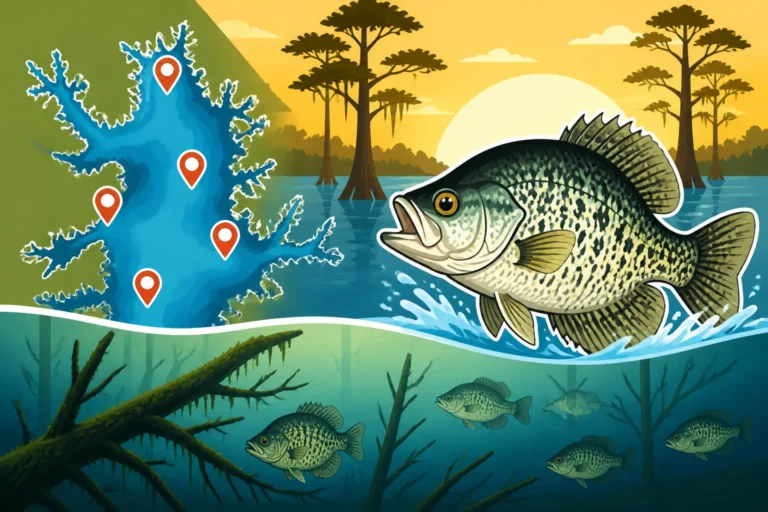
The prime example is Reelfoot Lake, Tennessee's only natural lake. While portions of Reelfoot can be popular, its vastness, combined with its unique cypress tree landscape and shallow, interconnected sloughs, means there are countless remote pockets to explore. To find true solitude here, you'll need a shallow-draft boat (like a jon boat or kayak) and excellent navigation skills, as the channels can be confusing and unmarked. Venturing deep into the eastern sloughs or exploring the more overgrown sections will put you in a world dominated by cypress knees, water lilies, and abundant wildlife. This is prime habitat for crappie, bass, and catfish, often providing incredible action away from any crowds. Our detailed guide on Reelfoot Lake Fishing, Tennessee's Cypress Swamp Lake gives you a deeper dive, but always remember that getting truly remote here means preparing for the wilderness. The atmosphere is otherworldly, and the fishing can be exceptional, offering a remote feel even on a well-known body of water.
Accessing the Wilderness: Getting to Your Remote Destination
Finding a remote fishing spot is only half the battle; the other half is successfully getting there. This is where your adventure truly begins, demanding a mix of planning, physical effort, and the right equipment.
The Journey is Part of the Adventure: Hiking and Paddling
Many of Tennessee's most remote fishing spots are simply unreachable by vehicle. This means you’ll need to rely on your own two feet or the power of a paddle. Hiking into a secluded stream or pond can be incredibly rewarding. It allows you to explore areas deep within national forests or wilderness areas where roads simply don't exist. This often requires navigating unmarked trails, crossing streams, and sometimes even a bit of bushwhacking. Packing light but efficiently is key, as every ounce will be felt on a long trek.
For water-based remote locations, kayaks and canoes are your best friends. These nimble crafts can access shallow backwaters, narrow river channels, and tight coves that larger motorboats simply can’t reach. They are perfect for exploring the upper reaches of reservoirs or venturing into the intricate sloughs of a cypress swamp. Paddling offers a silent approach, allowing you to get closer to wildlife and fish without disturbance. If the idea of tackling remote waters on your own feels a bit daunting, remember that services like FishingBooker can help connect you with experienced local guides who specialize in these hard-to-reach areas, providing expertise and peace of mind. They can lead you to productive spots and teach you the nuances of navigating these untouched environments. Our Kayak Fishing Gear Checklist for Tennessee Rivers can help you get started with the right equipment for a successful paddling adventure.
Navigating Unmarked Trails and Waters
Once you leave the paved roads and marked boat ramps behind, navigation becomes critical. You won't find clear signage or buoys in truly remote areas. This is where modern technology combined with old-school skills comes into play. A reliable GPS device or a robust mapping app on your smartphone (download maps offline!) is essential. Devices like a Garmin InReach or a Spot device also offer satellite communication and SOS capabilities, which are invaluable when out of cell service. Always carry a physical map and compass as a backup, and know how to use them. Understanding how to read topographical maps will help you identify potential access points, steep terrain, and winding river bends that might hold fish.
When on the water, understanding currents, water levels, and potential hazards like submerged timber or rapids is crucial. Before heading out, make sure your fishing license is up to date – you can find a comprehensive guide on how to obtain one in our Tennessee Fishing License Guide – and understand the Tennessee Fishing Regulations Explained for any specific water body. Always inform someone of your itinerary, including your planned route and expected return time. Safety in remote areas is paramount, and preparation is your best defense against unexpected challenges.
Essential Gear for Remote Angling Adventures
Venturing into Tennessee's remote fishing spots requires a different approach to gear. It’s about efficiency, versatility, and self-reliance. You won't have the luxury of running back to the truck for a forgotten item, so every piece of equipment needs to earn its place in your pack.
Lightweight Tackle and Minimalist Approach
When you’re hiking miles or paddling long distances, every ounce matters. This is where a minimalist tackle setup shines. Forget the giant tackle box; instead, opt for a small, compact selection of versatile lures and baits. Multi-piece or telescopic rods are ideal as they pack down small and are easy to carry. A medium-light spinning rod and reel combo is often sufficient for a variety of species you might encounter in remote streams and ponds, from panfish to smaller bass and trout.
Focus on a few proven lures like small spinners, inline minnows, jigs, and perhaps some soft plastics or a compact fly box. If bait fishing, bring a small container of worms or a versatile artificial bait. The goal is to have enough options to adapt to different conditions without being overloaded. This approach not only makes the journey easier but also forces you to be more deliberate and thoughtful in your fishing, often leading to a more satisfying experience. Remember, the fish in these remote areas haven't seen everything, so simpler presentations can often be incredibly effective.
Safety, Navigation, and Emergency Preparedness
In remote areas, your safety gear is just as important as your fishing tackle. Being self-reliant is key, as help can be hours away. A comprehensive first-aid kit, tailored for wilderness use, is non-negotiable. This should include bandages, antiseptic wipes, pain relievers, and any personal medications. Water purification tablets or a portable filter are vital for ensuring you have clean drinking water, especially on longer trips. A reliable headlamp or flashlight with extra batteries is essential, even if you plan to be back before dark, as delays can happen.
Navigation tools, as mentioned earlier, are critical. Always have a fully charged phone with offline maps, a dedicated GPS device, and a physical map and compass. For areas with no cell service, a satellite messenger (like a Garmin inReach or Spot device) is a wise investment for emergency communication. Dress in layers, using moisture-wicking materials, and pack rain gear, even if the forecast looks clear. Sturdy, waterproof hiking boots are a must for traversing uneven terrain. Don't forget bug spray, sunscreen, and a whistle for signaling. If you're on the water, a personal flotation device is legally required and can be a lifesaver; our guide on Life Jacket Rules for Kayaks and Canoes in Tennessee provides all the details you need. While this guide aims to empower you to explore on your own, don't hesitate to consider a local guide found through resources like FishingBooker for your first few trips into truly wild country, especially if you're new to remote angling. They can provide not only fishing expertise but also invaluable safety guidance.
Conservation and Ethics in Remote Fishing
The privilege of accessing Tennessee's most remote fishing spots comes with a profound responsibility. These pristine environments are fragile and easily impacted, so practicing stringent conservation and ethical angling is paramount to preserve them for future generations.
Leave No Trace Principles
The cornerstone of wilderness ethics is the "Leave No Trace" philosophy. This means minimizing your impact on the environment to the greatest extent possible. Every item you pack in must be packed out – and that means absolutely everything, including fishing line scraps, bait containers, and any food wrappers. Even biodegradable items should be packed out, as they take a long time to decompose and can attract wildlife or create an unsightly mess.
Stay on existing trails as much as possible to avoid trampling vegetation, and if there are no trails, spread out to minimize impact. Avoid building new fire rings unless absolutely necessary and permitted, and always ensure any fires are completely extinguished. When you leave a remote fishing spot, it should look as though you were never there. This dedication to preserving the pristine nature of these areas is what allows them to remain remote and beautiful for everyone who seeks them out. By adhering to these principles, you contribute directly to the longevity and health of these unique ecosystems.
Responsible Angling Practices
Beyond general wilderness ethics, responsible angling practices are crucial in remote settings, especially since fish populations here are often wild and more sensitive to pressure. Catch and release should be your default practice for many species, particularly wild trout in smaller streams. If you do keep fish, only take what you need for a meal and always adhere strictly to all local and statewide regulations. Even when fishing remote areas, you'll still need to be aware of Tennessee Fishing Regulations Explained and follow proper limits, which often vary by species, as detailed in our guides like the Tennessee Trout Fishing Season Explained, Tennessee Bass Fishing Seasons and Patterns, and Tennessee Crappie Fishing Guide by Season. These rules are in place for a reason – to manage fish populations and ensure healthy fisheries.
Use barbless hooks to minimize harm to fish you intend to release, and handle them as little as possible, keeping them in the water if you can. If you need to take a photo, do it quickly, with wet hands, and support the fish horizontally. Avoid introducing non-native species, bait, or organisms into remote waters, as this can severely disrupt delicate ecosystems. By being mindful of your actions, you help ensure that these remote havens remain vibrant and productive fisheries, offering incredible experiences for those who follow in your footsteps.
Navigating Tennessee's Remote Fishing Havens
Finding true solitude in Tennessee's angling landscape isn't about stumbling upon secret spots, but about deliberate choice and preparation. From the high mountain trout streams to the secluded arms of vast reservoirs, the Volunteer State offers unparalleled opportunities for those willing to venture beyond the usual. The effort required for these trips—the extra hike, the longer paddle, the minimalist gear—is precisely what preserves their wild character.
This table highlights just a few types of remote fishing experiences you can find, and the typical access they require:
| Fishing Spot Type | Example Location (General) | Primary Target Species | Typical Access Method | Effort Level |
|---|---|---|---|---|
| Wild Trout Streams (Headwaters) | Tellico River / Citico Creek Wilderness | Brook, Rainbow, Brown Trout | Hike-in (several miles) | High |
| Secluded River Stretches | Upper Clinch River / Hiwassee River (remote) | Brown, Rainbow Trout, Bass | Paddle (canoe/kayak) or long wade | Medium-High |
| Remote Reservoir Arms/Coves | Upper Watts Bar Lake, remote Norris Lake arms | Bass, Crappie, Catfish | Small boat/kayak/canoe, often long paddle | Medium |
| WMA Ponds / Small Impoundments | Cheatham WMA ponds | Bass, Panfish, Catfish | Short to medium hike-in | Low-Medium |
| Cypress Swamps / Backwaters | Remote sloughs of Reelfoot Lake | Crappie, Bass, Catfish | Shallow-draft boat (jon boat), navigation skills | Medium |
Remember, the beauty of these remote spots lies not just in the fish you might catch, but in the entire journey – the quiet moments, the wildlife encounters, and the deep sense of accomplishment that comes with earning your adventure. Before you head out, make sure to visit the Tennessee Wildlife Resources Agency (TWRA) website for the most current regulations, license requirements, and any specific alerts for the areas you plan to explore. Consider checking out our articles on Tennessee River Fishing Access Points to help plan your approach to some of the state's larger waterways, or dive deeper into Caney Fork River Trout Fishing for another great, though sometimes busy, trout option. Pack smart, fish responsibly, and cherish every moment of your remote Tennessee fishing expedition.
Disclaimer
The information provided in this guide is for general informational purposes only and is not intended as legal advice. Fishing regulations, license requirements, and access rules can change frequently. Always consult the official Tennessee Wildlife Resources Agency (TWRA) website or relevant local authorities for the most current and accurate information before planning any fishing trip. Safety in remote areas is your sole responsibility; ensure you are adequately prepared and informed before venturing into the wilderness.