Tennessee Crappie Fishing Guide by Season
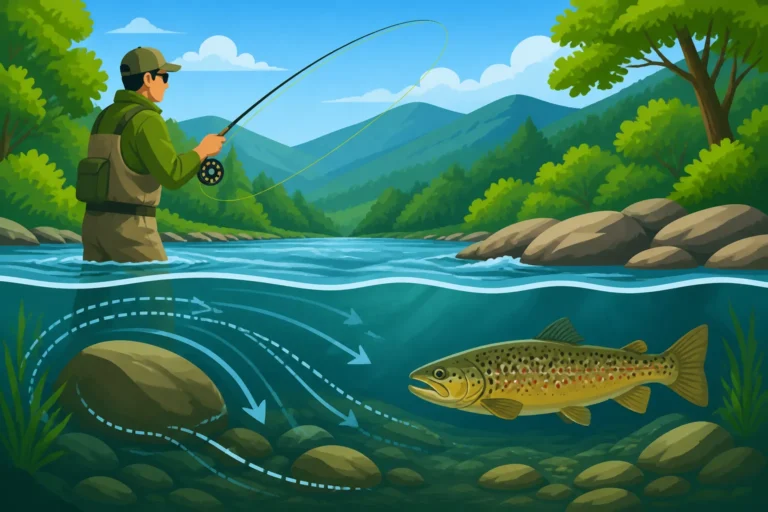
Trying to consistently catch crappie in Tennessee can feel like a game of hide-and-seek, especially when the seasons change and they seem to vanish right when you thought you had them figured out. The truth is, these popular panfish behave completely differently depending on the water temperature and time of year, making it incredibly frustrating to apply a single technique year-round. This comprehensive guide is here to break down the seasonal patterns of crappie in Tennessee, offering you the insights and tactics you need to keep your cooler full, no matter what month it is.
Understanding Tennessee Crappie Species and Their Habits
Tennessee's waters are teeming with crappie, offering fantastic fishing opportunities for anglers who know how to find them. However, crappie aren't just one type of fish; primarily, we're talking about black crappie and white crappie. While they share many similarities, understanding their subtle differences and overarching behavioral patterns is key to consistent success. It's not just about knowing where to fish, but why they're there.
Black Crappie: The Tennessee Favorite
Black crappie are often the stars of the show in many Tennessee lakes, particularly in clearer waters with abundant vegetation. You can usually identify them by their darker, speckled appearance and the fact that they have 7 or 8 dorsal spines – which is a little technical, but can be a tell-tale sign if you're ever in doubt. These fish tend to prefer cooler, clearer water and are frequently found around submerged timber, brush piles, lily pads, and other natural cover that offers both ambush points for feeding and protection from predators. The Tennessee Wildlife Resources Agency (TWRA) frequently focuses on Black Crappie Stocking by TWRA in Tennessee to maintain healthy populations in many of our reservoirs.
Anglers often find black crappie to be a bit more predictable in their movements once you locate a good brush pile or deep creek channel edge. They'll relate tightly to structure, making them prime targets for vertical jigging techniques. Their diet consists mostly of smaller minnows, insects, and crustaceans, which is why minnows and small jigs are almost always effective. Think about their habitat preference: if you're on a lake known for its clear water and lots of standing timber, chances are you'll be running into a lot of black crappie.
White Crappie: Often Overlooked but Abundant
White crappie, while perhaps not as iconic as their black-speckled cousins in some areas, are incredibly prolific throughout Tennessee, especially in more turbid or stained waters and large river systems. They have a lighter, often silverish body, and usually sport 5 or 6 dorsal spines. Unlike black crappie's tendency to scatter their spots, white crappie often have more organized vertical bars or bands on their sides. These fish are a bit more tolerant of murkier water and slightly warmer temperatures, making them a dominant species in many of Tennessee's larger reservoirs fed by rivers.
You'll frequently find white crappie congregating in open water areas, often suspending over deep channels, ledges, and river bends, or around large areas of submerged cover. They're often schooling fish, so when you find one, you're likely to find many more. This schooling behavior makes them excellent targets for trolling, spider rigging, and casting to open-water humps or points. Don't underestimate the white crappie; they can grow to impressive sizes and put up a fantastic fight, providing an abundance of delicious fillets for the dinner table.
Key Crappie Behavior Throughout the Year
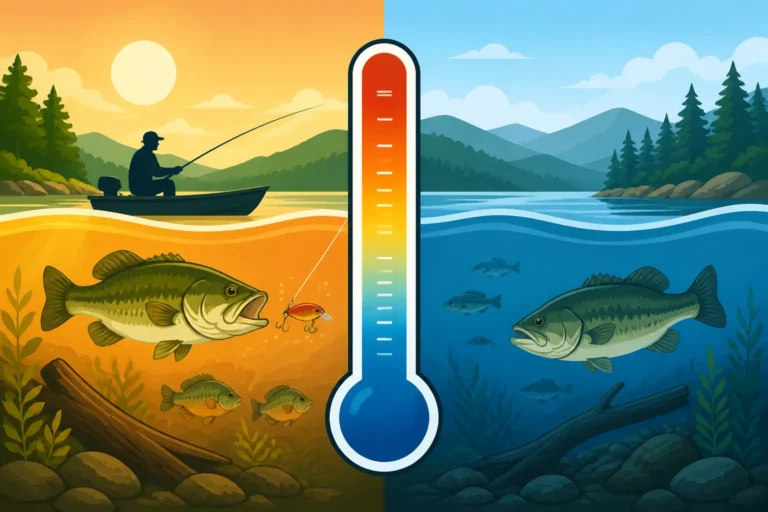
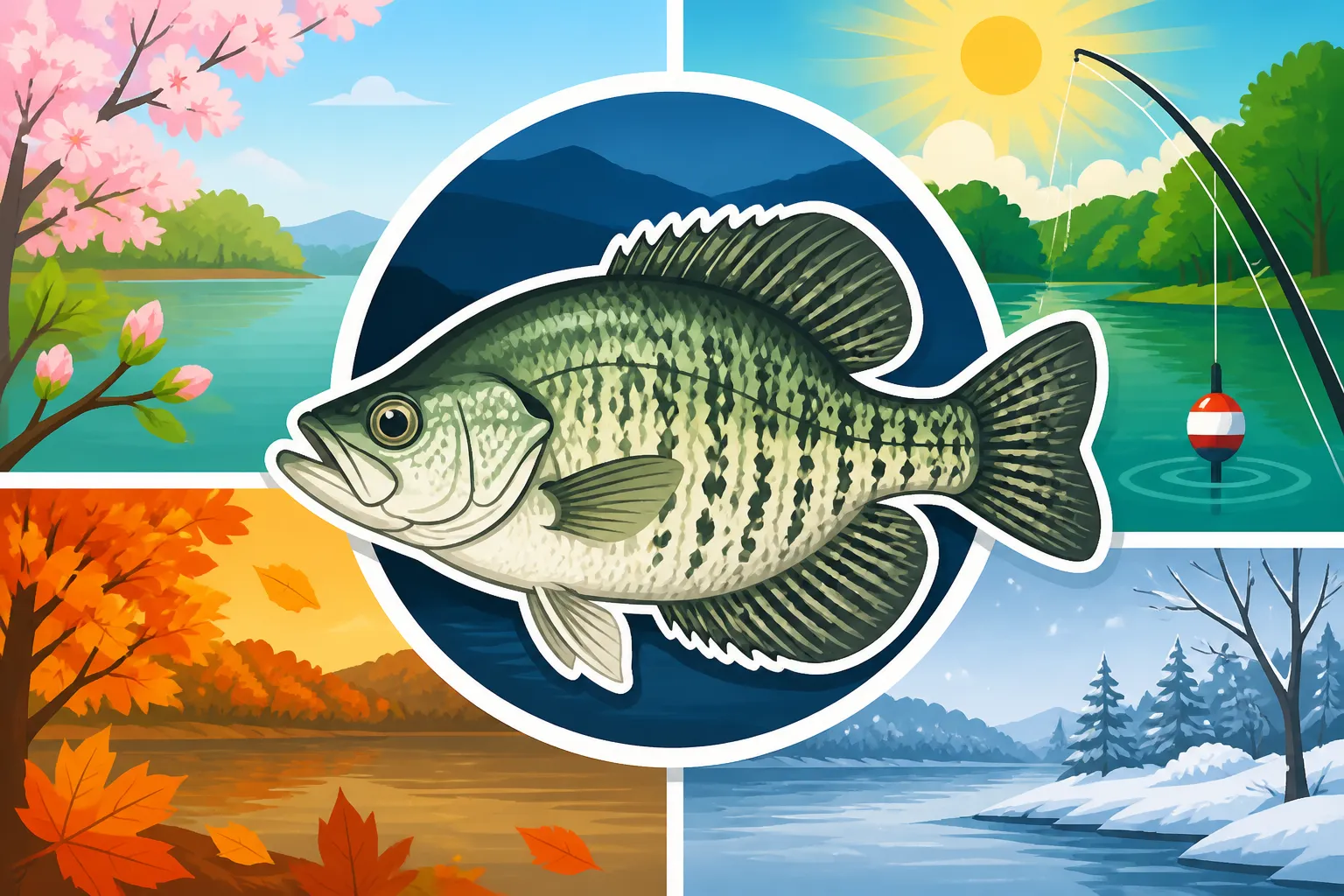
Regardless of species, crappie are highly sensitive to water temperature. This is the single biggest factor dictating their movements, feeding habits, and where you'll find them. During the colder months, they seek stability in deeper, more consistent temperatures. As spring arrives, the warming water triggers their migration towards shallower spawning grounds. Summer heat drives them back to deeper, cooler waters, often suspending or relating to thermoclines. Fall sees a resurgence of activity as temperatures cool, prompting a major feeding push before winter sets in again.
Understanding this cyclical movement is crucial. For example, if you approach a lake in March with the same deep-water tactics you used in January, you're likely to come up empty-handed. Similarly, chasing them in the shallows in August is often a fruitless endeavor. Crappie are constantly adapting to their environment, moving vertically and horizontally across the water column to find comfortable temperatures, oxygen levels, and food sources. Your job as an angler is to predict these movements and adapt your techniques and locations accordingly.
Spring Crappie Fishing: The Spawn Frenzy
Ah, spring crappie! For many anglers, this is the most anticipated time of the year. The weather is warming, the trees are budding, and crappie are on the move, getting ready for their annual spawn. It's a period of intense activity, offering some of the best fishing opportunities of the year, but it's not a static event. There are distinct phases within the spring that require different approaches.
Pre-Spawn Tactics: Finding the Staging Grounds
As late winter gives way to early spring, usually when water temperatures reach the low 50s Fahrenheit, crappie begin to shake off their winter lethargy. They move from their deep winter haunts into what we call "staging areas." These are typically slightly deeper areas adjacent to their shallower spawning grounds, like creek channel bends, secondary points, submerged timber lines on flats, or the edges of deeper brush piles. They're waiting for the water to warm just a few more degrees before making their final push.
During this pre-spawn phase, crappie are hungry and aggressive, packing on calories for the energy-intensive spawning ritual. This is a fantastic time for active fishing. Look for them concentrated in these staging areas, often suspending or relating to the top or sides of submerged structures. Long-lining jigs or slow-trolling small crankbaits can be incredibly effective for covering water and finding these schools. A common tactic is to use a 1/16 or 1/8 oz jig tipped with a minnow or a small plastic grub, casting it to structure and slowly retrieving it, allowing it to fall naturally. They'll often hit on the fall.
Peak Spawn Strategies: Shallow Water Gold
This is what most people picture when they think of spring crappie fishing: fish moving into the absolute shallows to lay their eggs. The magic number for crappie spawning typically falls between 60 and 70 degrees Fahrenheit, though it can vary slightly by species and lake. Once these temperatures are reached, crappie will move into water as shallow as 1-5 feet, seeking out protected areas like submerged brush, laydowns, lily pads, and cattails. These areas provide ideal cover for nesting and egg protection. This is also the time when you might learn about Spring Crappie Spawn Timing in Tennessee and adjust your plans.
When crappie are on their beds, they become very territorial and are often visible in clear water. This is when vertical presentations shine. Flipping or pitching small jigs (1/32 or 1/16 oz) or live minnows under a float directly into cover is deadly. You don't need fancy retrieves; simply drop your bait right into their face. You might find several crappie on a single piece of cover. Bank anglers also have incredible success during this period, as fish come within casting distance of the shore. Remember, while they are shallow, they still love cover, so target anything from stump fields to flooded willows.
Post-Spawn Recovery: Where Do They Go Next?
The post-spawn period can be a bit trickier, and it’s often where anglers lose the crappie bite. After the rigors of spawning, crappie are typically exhausted and dispersed. Males often guard the nests for a short period, while females move off to recover. Water temperatures are still rising, pushing them out of the extreme shallows, but they haven't yet settled into their deep summer patterns. They are usually found in areas adjacent to their spawning grounds, perhaps slightly deeper creek channels or points, but not yet out in the main lake basins.
The key to finding post-spawn crappie is to think about transition zones. They'll often be resting in 8-15 feet of water, often still relating to some form of cover like brush piles or stump fields, but they may be suspended off the bottom. Slow presentations are still effective, but you might need to cover more water. Trolling small jigs or spider rigging with multiple rods at different depths and bait combinations can help you pinpoint their new preferred hangout. Keep an eye on your fish finder, as schools of post-spawn crappie might appear as scattered arcs rather than tightly packed blobs. Patience and persistence are key during this recovery phase.
Summer Crappie Fishing: Deep Water Challenges
When the heat of summer truly sets in across Tennessee, crappie fishing shifts dramatically. The shallow water bite often dies off as surface temperatures soar, forcing crappie to seek refuge in deeper, cooler, more oxygenated waters. This can be a frustrating time for many anglers who struggle to adapt, but with the right techniques, summer can still be incredibly productive. It's all about going deep.
Locating Crappie in Warm Waters
During the dog days of summer, crappie will migrate to the cooler, more stable temperatures found in the deeper parts of our reservoirs. They'll often position themselves near the thermocline – the layer of water where temperature changes most rapidly with depth – or around deep-water structures. This could mean deep creek channels, submerged humps, ledges, or standing timber in 15-30 feet of water, sometimes even deeper depending on the lake and time of day. They're also following their primary food source: schools of baitfish, which also seek out these more comfortable conditions.
Your fish finder becomes your absolute best friend during the summer. Spend time idling over promising deep water structures, looking for those tell-tale arches that signify crappie schools or bait balls. Don't just look on the bottom; crappie are notorious for suspending at specific depths over open water. For example, if the thermocline is at 20 feet, you might find crappie holding at 18-22 feet, even if the bottom is 40 feet deep. Knowing How to Find Crappie in Summer is a game-changer for summer success.
Deep Water Techniques: Spider Rigging and Trolling
Once you've located summer crappie, the challenge is presenting your bait effectively at their depth. This is where specialized techniques like spider rigging and deep-water trolling really shine. Spider rigging involves setting out multiple rods (often 6-10) from the front or sides of your boat, each rigged with a different depth and bait combination, slowly moving over known crappie haunts. This allows you to cover a wide range of depths and presentations simultaneously until you figure out what they want.
For spider rigging, use medium-light action rods, often 10-14 feet long, with light line (4-6 lb test). Jigs, tipped with minnows or just plastics, are common. You can use different jig weights (1/8 to 1/2 oz) to reach varying depths quickly. Another highly effective method is deep-water trolling. This involves using lead core line, diving crankbaits, or planer boards to present jigs or crankbaits at specific depths while slowly moving the boat. This technique is excellent for covering large areas of open water where crappie might be suspended. For those looking for more direct approaches, learning Tightlining Techniques for Crappie can be invaluable for presenting baits vertically in deep water.
Night Fishing for Summer Crappie
When the summer sun beats down mercilessly during the day, many savvy crappie anglers switch to night fishing. The cooler air and water temperatures after dark bring crappie shallower, and they become more active feeders. Additionally, artificial lights used by anglers can attract plankton, which attracts baitfish, and in turn, attracts crappie. This creates a fantastic feeding frenzy right under your boat.
To night fish effectively, you'll need good lights. Submersible green or white lights are popular choices, hung over the side of the boat to draw in the food chain. Position your boat over a known deep-water crappie hangout or a brush pile near a channel. As the night progresses, crappie will often move up in the water column, sometimes suspending just below the lights. Vertical jigging with small jigs (1/32 to 1/16 oz) or live minnows is the ticket. Pay attention to the depth at which you get bites; it can change throughout the night. Always prioritize safety when night fishing, ensuring you have proper navigation lights and a reliable anchor.
Fall Crappie Fishing: The Feeding Spree
As the scorching summer heat gives way to cooler autumn air and falling water temperatures, Tennessee crappie enter a period of renewed activity. This is often referred to as the "fall feeding frenzy," and it rivals spring for some of the best crappie fishing of the year. Crappie are instinctively trying to bulk up for the lean winter months ahead, making them aggressive and relatively easy to catch if you know where to look.
Autumn Migration Patterns
The cooling water temperatures in fall trigger a reverse migration for crappie. They begin to move out of their deepest summer haunts and spread out, often venturing into creek arms, coves, and onto main lake flats that were too warm in the summer. They're following schools of baitfish, which are also very active during this time, gorging themselves on available forage. You'll find crappie relating to a variety of structures: old roadbeds, submerged timber, rock piles, ledges, and even open water humps.
Unlike the tightly packed schools of summer or the shallow concentrations of spring, fall crappie can be more scattered. They're actively patrolling areas where baitfish are abundant. The trick is to cover water efficiently until you intercept a school. As temperatures continue to drop into late fall, they'll often start to concentrate more around deeper cover as they anticipate the coming winter, but generally, they are more mobile and widespread than in other seasons.
Targeting Fall Crappie: Vertical Jigging and Casting
With crappie actively feeding and more spread out, a variety of techniques can be highly effective in the fall. Vertical jigging over brush piles or deep cover is always a solid choice. Look for brush piles in 10-25 feet of water in creek channels or off main lake points. You can drift over these structures, dropping a small jig (1/16 to 1/8 oz) or a live minnow directly into the cover. For those wanting to perfect this technique, a detailed guide on How to Jig for Crappie can really help.
Casting small crankbaits or bladed jigs (like the Bobby Garland Stroll'R or a Blakemore Road Runner) to shallower flats, points, or the edges of vegetation can also be incredibly productive. Retrieve them slowly, allowing them to tick off the bottom or swim just above cover. Trolling, similar to summer, remains a great way to cover water, especially in the early fall when crappie might still be suspended in deeper creek channels. Experiment with different depths and speeds until you find the sweet spot.
The Importance of Forage in Fall
More than any other season, locating crappie in the fall heavily depends on finding their food source. As temperatures cool, shad, minnows, and other baitfish become extremely active, feeding heavily and schooling up. Crappie will be right there with them, pursuing these bait balls relentlessly. If you can find the bait, you'll find the crappie.
Keep a close eye on your electronics for large schools of baitfish. They might be suspended in open water, relating to ledges, or bunched up in creek channels. Watch for bird activity, as diving birds often indicate baitfish pushed to the surface. When you locate a concentration of bait, fish around and under it. Matching the hatch with your lures – using jigs or crankbaits that mimic the size and color of the local baitfish – will give you a significant advantage. The fall offers some of the most consistent action, but it demands that you pay attention to the entire food chain, not just the crappie themselves.
Winter Crappie Fishing: The Cold Water Grind
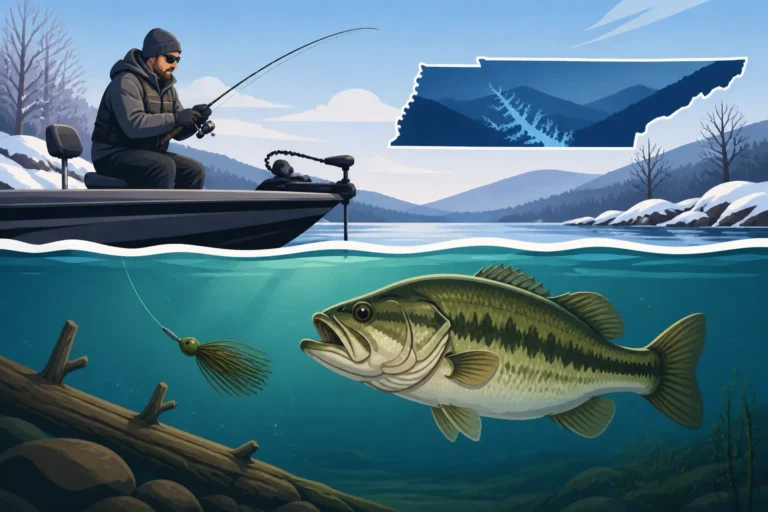
When winter descends upon Tennessee, crappie fishing becomes a game of patience and precision. The water gets cold, and crappie metabolism slows dramatically. They become less active and tend to congregate in deep, stable areas, making them challenging to locate and entice. However, for those willing to brave the chill and adapt their tactics, winter can offer surprisingly good catches of large, healthy crappie. It's not about speed or aggressive presentations; it's about finesse.
Targeting Deep Structures and Cover
In winter, crappie seek thermal refuge in the deepest parts of our lakes and reservoirs where water temperatures are most stable. This usually means main lake channels, deep creek bends, submerged river beds, and very deep brush piles or standing timber, often in 20-40 feet of water or even deeper. They typically hold tight to these structures, preferring dense cover that offers protection and a stable environment. They won't move far from these areas unless absolutely necessary.
Your fish finder is again paramount for pinpointing these deep-water havens. Look for distinct schools of fish clustered tightly on or near the bottom, or suspended just above deep structures. It's often not about finding wide-ranging schools, but rather small, concentrated groups of crappie tucked away in their winter hideouts. Don't be afraid to fish vertical directly over these spots using your electronics to guide your bait placement.
Slow Presentations and Finesse Tactics
With their metabolism slowed, winter crappie are rarely aggressive. They won't chase down a fast-moving bait. Instead, you need to present your lures slowly, subtly, and directly to them. Finesse is the name of the game. Tiny jigs (1/32 or 1/64 oz) tipped with a small plastic grub or, even better, a live minnow, are incredibly effective. Often, simply suspending a minnow under a slip bobber over a deep brush pile or dropping a small jig vertically and barely twitching it is all it takes.
The key is to keep your bait in the strike zone for as long as possible. A common technique is called "dead sticking," where you drop a bait to the desired depth and hold it as still as possible, or use minimal, almost imperceptible twitches. Another method is "tight lining" or vertical jigging, allowing you to feel even the slightest tap. You might barely feel a subtle weight or a slight slackening of your line; these are often winter crappie bites. Using sensitive, ultralight rods and light line (2-4 lb test) will help you detect these subtle takes.
The Art of Patience and Persistence
Winter crappie fishing truly tests an angler's patience. Bites can be few and far between, and you might spend a lot of time idling around trying to find the fish. However, when you do locate them and present your bait correctly, the rewards can be significant. Winter crappie are often larger, healthier fish that haven't been pressured as much as their spring counterparts.
Dress warmly, bring a thermos of hot coffee, and be prepared for slow action. But don't give up! Sometimes moving just 20 feet to another deep brush pile or adjusting your depth by a foot can make all the difference. The calm, quiet solitude of winter fishing, combined with the challenge of outsmarting lethargic crappie, makes it a uniquely rewarding experience for dedicated anglers.
Essential Crappie Gear and Techniques for Every Season
Having the right equipment and understanding how to use it is paramount for successful crappie fishing throughout the year. While the core principle of presenting a bait to a crappie remains, the nuances of rods, reels, lines, and lures shift with the seasons, impacting your ability to detect bites and effectively land fish. Investing in quality, versatile gear will make your time on the water much more enjoyable and productive.
Rods, Reels, and Line: Matching Your Setup
For crappie, a balanced setup is crucial. You're typically dealing with lighter lures and often subtle bites, so sensitivity is key.
- Rods: Most crappie anglers prefer light to medium-light action spinning rods. Lengths can vary widely:
- 5-6 feet: Great for close-quarters casting around dense cover or when space is limited.
- 7-9 feet: Excellent all-around rods for casting jigs, dipping into brush piles, or light trolling.
- 10-14+ feet: These long rods are staples for "spider rigging" (using multiple rods spread out from the boat, often from the front) or for reaching distant cover from the bank. The extra length helps keep multiple lines separated and offers more leverage for controlling fish. Knowing What Rod Length Works Best for Tennessee Crappie Fishing? can greatly enhance your setup.
- Reels: Small spinning reels (sizes 1000-2500) are perfect for crappie. They need to be smooth, have a good drag system, and be capable of handling light lines. A quick retrieve ratio is less critical than smoothness and sensitivity.
- Line:
- Monofilament (4-6 lb test): This is a popular choice for its affordability, stretch (which helps cushion crappie's soft mouths), and ease of use. It's a great all-around line.
- Fluorocarbon (4-6 lb test): Less stretch than mono, virtually invisible underwater, and very sensitive. It's a fantastic choice for vertical jigging or when you need more feel. It can be a bit pricier.
- Braided Line (6-10 lb test, with fluorocarbon leader): Offers maximum sensitivity and no stretch, making it excellent for detecting the lightest bites, especially in deep water. However, its visibility often necessitates a 2-4 foot fluorocarbon leader tied to your jig or hook.
Baits and Lures: Jigs, Minnows, and Cranks
The world of crappie baits is vast, but a few staples will cover most situations:
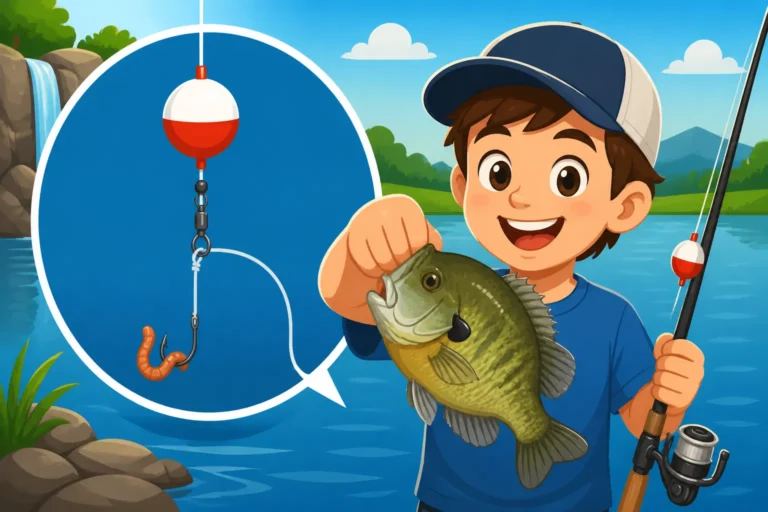
- Live Minnows: The undisputed king of crappie bait. Minnows, especially small shiners or fatheads, are irresistible to crappie. They can be fished under a bobber, tight-lined, or trolled. Always have a good supply on hand, especially in tough conditions.
- Jigs (Plastic Grubs/Bodies): The most versatile artificial lure. Jigs come in countless shapes, sizes, and colors.
- Size: 1/32 oz for shallow, calm water; 1/16 oz for general use; 1/8 oz for deeper water or windy conditions.
- Colors: Vary widely. Favorites include chartreuse, white, black/chartreuse, pink, and various natural shad imitations. Often, brighter colors work in stained water, while more natural colors excel in clear water. Experimentation is key, and having a variety in your tackle box is essential. You can find a huge selection of Best Jig Colors for Spring Crappie on Amazon.
- Action: Curly-tail grubs, paddle-tail plastics, tubes, and straight-tail minnow imitations all have their place.
- Crankbaits: Small, shallow-diving or deep-diving crankbaits can be incredibly effective, especially for trolling or casting to aggressive fish in fall and early spring. Choose colors that mimic baitfish or are bright for attracting attention.
- Spinnerbaits/Road Runners: Small crappie spinnerbaits with a single blade provide flash and vibration, making them great search baits or for fishing in slightly murky water. The Blakemore Road Runner is a classic for a reason.
Electronics and Boat Setup for Crappie Success
Modern electronics have revolutionized crappie fishing.
- Fish Finders: A good fish finder is no longer a luxury; it's a necessity, especially for finding deep-water crappie in summer and winter. Look for units with clear sonar, down imaging, and side imaging capabilities. These technologies allow you to see individual fish, bait balls, and submerged structures with incredible detail. Knowing Do You Need a Fish Finder for Crappie Fishing in Tennessee? can help you decide on your next purchase.
- GPS: Integrated GPS on your fish finder or a dedicated unit allows you to mark productive brush piles, ledges, and channels, ensuring you can return to them later. It's also vital for navigating large reservoirs, especially at night or in foggy conditions.
- Trolling Motor: A quiet, efficient electric trolling motor (preferably with GPS spot-lock capabilities) is invaluable for precise boat positioning, especially when spider rigging, vertical jigging over structure, or holding your boat in current. It allows you to maintain control without spooking fish. Many anglers find great deals on these accessories on Amazon.
- Rod Holders: For those employing spider rigging or multiple-rod trolling techniques, quality rod holders that can be easily adjusted are essential. They keep your rods secure and spread out, preventing tangles.
By matching your gear to the season and the techniques you're using, you'll be much better equipped to handle whatever Tennessee's crappie throw your way.
Top Tennessee Lakes for Crappie Fishing
Tennessee is blessed with an abundance of fantastic crappie fishing opportunities. From the sprawling reservoirs in the west to the clear waters of the east, there's a crappie hotspot for every angler. However, not all lakes are created equal, and understanding the unique characteristics of each can significantly improve your chances of success. Let's dive into some of the state's premier crappie destinations.
Crappie Hotspots Across the State
Tennessee boasts a remarkable list of lakes renowned for their crappie populations. Each lake offers a slightly different experience, dictated by its size, depth, clarity, and the amount of available cover. For a more exhaustive list, be sure to check out Best Crappie Fishing Lakes in Tennessee.
- Kentucky Lake (West Tennessee): Arguably Tennessee's most famous crappie fishery, especially on the Tennessee side near Paris and Big Sandy. This massive reservoir of the Tennessee River is a crappie factory, known for both numbers and size. It features extensive submerged creek channels, river ledges, standing timber, and abundant brush piles. Spider rigging and trolling are king here, particularly during the summer and fall. The sheer size of the lake means fish can be spread out, but when you find them, the action can be phenomenal. Early spring also offers a strong shallow water bite in its numerous bays and backwaters.
- Reelfoot Lake (West Tennessee): A truly unique natural lake, Reelfoot is famous for its cypress trees and shallow, fertile waters. This lake is a crappie angler's dream, especially for those who love fishing heavy cover. The crappie here are abundant and often found among the cypress knees, stumps, and lily pads. Jigging and dipping with minnows or small jigs around visible cover are the primary tactics. This lake fishes particularly well in the spring and fall, but even in summer, the crappie stay in the shade of the cypress trees.
- Pickwick Lake (Southwest Tennessee): Another excellent Tennessee River impoundment, Pickwick offers diverse crappie habitat. Its lower end has a strong current, but the numerous creek arms and backwaters provide excellent crappie fishing. Look for crappie around submerged timber, brush piles, and the edges of creek channels. The lake is known for healthy populations of both black and white crappie. Trolling and spider rigging are effective in open water, while vertical jigging dominates around structure.
- Watts Bar Lake (East Tennessee): One of the larger lakes in East Tennessee, Watts Bar offers great crappie fishing throughout its length. It features extensive standing timber, ledges, and numerous creek arm tributaries. Crappie here can be found in a wide range of depths, from shallow brush in spring to deep channels in winter. Trolling, especially with multiple rods, is a popular method to cover water, but don't overlook targeting specific brush piles with vertical presentations.
- Percy Priest Lake (Middle Tennessee): Located near Nashville, Percy Priest is a popular recreational lake that also holds a solid crappie population. Crappie here often relate to rocky points, submerged humps, and brush piles. The lake is known for a good spring bite in its coves and shallow flats. As the season progresses, crappie move deeper, making trolling and deep-water jigging more effective.
Understanding Lake-Specific Patterns
While general seasonal patterns apply across all Tennessee lakes, each body of water has its own quirks and nuances. For instance, a shallow, turbid lake like Reelfoot will fish differently than a deep, clear reservoir like Norris Lake. The presence of current, the density of cover, the primary baitfish species, and even the clarity of the water all play a role in how crappie behave and where they can be found.
Always check local fishing reports or talk to bait shop owners when visiting a new lake. They can offer invaluable, up-to-the-minute information on water conditions, recent catch locations, and preferred baits. What works for Best Time of Year to Catch Crappie on Tennessee's Kentucky Lake might not be the exact strategy for Watts Bar. Pay attention to contour maps to identify key structures like creek channels, humps, and flats that might hold crappie. Over time, as you gain experience on specific lakes, you'll develop a deeper understanding of their unique crappie patterns, allowing you to consistently find and catch these delicious fish.
Crappie Limits and Regulations in Tennessee
Fishing in Tennessee is a privilege that comes with responsibility. The Tennessee Wildlife Resources Agency (TWRA) sets specific regulations to ensure the sustainability of our fisheries for future generations. Ignoring these rules can lead to fines and penalties, ruining an otherwise great day on the water. It’s crucial for every angler, regardless of experience level, to be aware of and adhere to the current crappie limits and regulations.
Statewide Crappie Limits
For most of Tennessee's public waters, the statewide crappie regulations are straightforward. You can find comprehensive details in the Crappie Limits Under Tennessee Fishing Rules guide.
- Daily Creel Limit: The statewide daily creel limit for crappie (both black and white crappie combined) is 20 fish per person. This means you can keep up to 20 crappie in a 24-hour period.
- Size Limit: Of your 20-fish daily limit, no more than 5 crappie may be 12 inches or longer. This regulation is designed to protect larger, spawning-size crappie, allowing them to reproduce and maintain healthy populations. The remaining 15 fish can be of any legal size under 12 inches.
These limits are designed to strike a balance between allowing anglers to harvest fish and ensuring the long-term health of crappie populations. It’s always a good idea to measure your fish, especially those that appear to be around the 12-inch mark, to avoid any violations. A simple ruler or measuring board kept in your boat or tackle box can prevent costly mistakes.
Lake-Specific Exceptions
While the statewide limits are a good general guideline, it’s absolutely critical to remember that certain lakes or specific water bodies in Tennessee may have special regulations that override the statewide rules. These lake-specific rules are often implemented by the TWRA to address unique population dynamics, habitat conditions, or management goals for that particular fishery.
For example, a lake might have a more restrictive daily limit, a higher or lower minimum size limit, or even slot limits where fish within a certain size range must be immediately released. These exceptions are usually posted prominently at boat ramps and access points, and they are always detailed in the current Tennessee Fishing Guide published annually by the TWRA. Before fishing any new body of water, or even one you haven't visited in a while, it's your responsibility to check the latest regulations for that specific location. Ignorance of the rules is never an acceptable excuse. Always consult the official TWRA fishing guide, which you can often find online or at local bait and tackle shops, before making your first cast.
Crappie Fishing by Season Summary Table
To help you visualize the seasonal shifts in crappie behavior and effective tactics, here's a handy summary table. Remember, these are general guidelines, and specific conditions on any given day or lake can alter the patterns.
| Season | Water Temperature (°F) | Typical Depth (Feet) | Preferred Cover/Habitat | Primary Techniques | Best Baits/Lures | Notes |
|---|---|---|---|---|---|---|
| Spring | 50-70 | 1-15 | Shallow brush, laydowns, creek channel edges, docks | Vertical jigging, casting, dipping | Live minnows, small jigs (1/32-1/16 oz) | Pre-spawn staging, peak shallow spawn, post-spawn recovery. Fish aggressive early, subtle later. |
| Summer | 75-90+ | 15-40+ | Deep channels, ledges, humps, standing timber (near thermocline) | Spider rigging, deep trolling, night fishing | Live minnows, 1/8-1/4 oz jigs, deep diving cranks | Crappie suspend or relate to deep structure. Mornings/evenings, or night fishing for best results. |
| Fall | 55-75 | 5-25 | Creek arms, main lake flats, ledges, brush piles, baitfish schools | Casting jigs/cranks, vertical jigging, trolling | Live minnows, small jigs (1/16-1/8 oz), small crankbaits | "Feeding frenzy" as crappie fatten up. Follow baitfish. Can be widespread, cover lots of water. |
| Winter | 35-50 | 20-50+ | Deep channels, river bends, dense brush piles, standing timber | Vertical jigging, dead sticking | Live minnows, tiny jigs (1/32-1/64 oz) | Crappie are lethargic, tightly schooled. Finesse is key. Sensitive gear to detect subtle bites. |
Disclaimer
The information provided in this Tennessee crappie fishing guide is for general informational purposes only and should not be considered legal advice regarding fishing regulations. Fishing rules and regulations, including license requirements, bag limits, and size restrictions, are subject to change at any time by the Tennessee Wildlife Resources Agency (TWRA). It is the angler's sole responsibility to consult the most current official TWRA fishing guide or website before fishing to ensure compliance with all applicable laws and regulations. Local regulations can vary significantly from statewide rules; always check for specific water body rules. We do not accept liability for any errors or omissions in this content or for any actions taken based on this information.