Best Season to Fish Chickamauga Lake in Tennessee for Trophy Bass
The quest for a truly massive bass, a genuine trophy, is a passion that drives countless anglers to Tennessee's legendary waters. If you've been eyeing Chickamauga Lake, dreaming of that lunker, you know it holds giants, but figuring out when to chase them can feel like solving a complex puzzle. This guide cuts through the guesswork, helping you pinpoint the best seasons and strategies to land those bucket-list bass on Chickamauga.
Understanding Chickamauga Lake's Trophy Bass Potential
Chickamauga Lake isn't just another body of water; it's practically a pilgrimage site for bass anglers, especially those with their sights set on a true trophy. This lake, part of the Tennessee River system, has consistently produced some of the biggest bass in the country, earning it a formidable reputation. But what makes it so special? It's a combination of factors that create a near-perfect environment for bass to thrive and grow to gargantuan sizes.
Why Chickamauga is a Bass Angler's Dream
For starters, Chickamauga Lake offers an incredible diversity of habitat. We're talking about vast expanses of hydrilla and milfoil, deep river channels, submerged timber, rocky ledges, and countless creek arms. This varied terrain provides bass with ample cover for ambushing prey, protection from predators, and comfortable resting areas throughout the year. The Tennessee Wildlife Resources Agency (TWRA) has also done an outstanding job managing the fishery, ensuring healthy populations and implementing regulations that encourage growth. This dedication to conservation means the lake isn't just a flash in the pan; its consistent performance for trophy bass is a testament to careful management and natural abundance. Anglers often flock here to experience what many consider to be Chickamauga Lake: Tennessee's Top Bass Fishing Destination.
Moreover, the sheer volume of baitfish available in Chickamauga is astounding. Gizzard shad, threadfin shad, bluegill, and various other forage species literally explode in population here, providing an endless buffet for growing bass. This abundant food source is the primary engine behind the lake's ability to produce such oversized fish. When a bass has a constant, high-quality food supply, it can put on weight at an incredible rate, transforming from a respectable keeper into a true monster. The fertile waters and long growing season also play a significant role, allowing bass more time to bulk up compared to lakes in colder climates.
The Importance of Habitat and Forage
When you're chasing trophy bass on Chickamauga, understanding the interplay between habitat and forage is absolutely critical. Bass are masters of efficiency, always positioning themselves in areas where they can expend the least amount of energy to catch the most food. This means they'll often be found near dense cover, sharp drop-offs, or submerged structures that provide a prime ambush point for passing baitfish. During different seasons, their preferred habitat will shift as water temperatures and light penetration change, and as baitfish move.
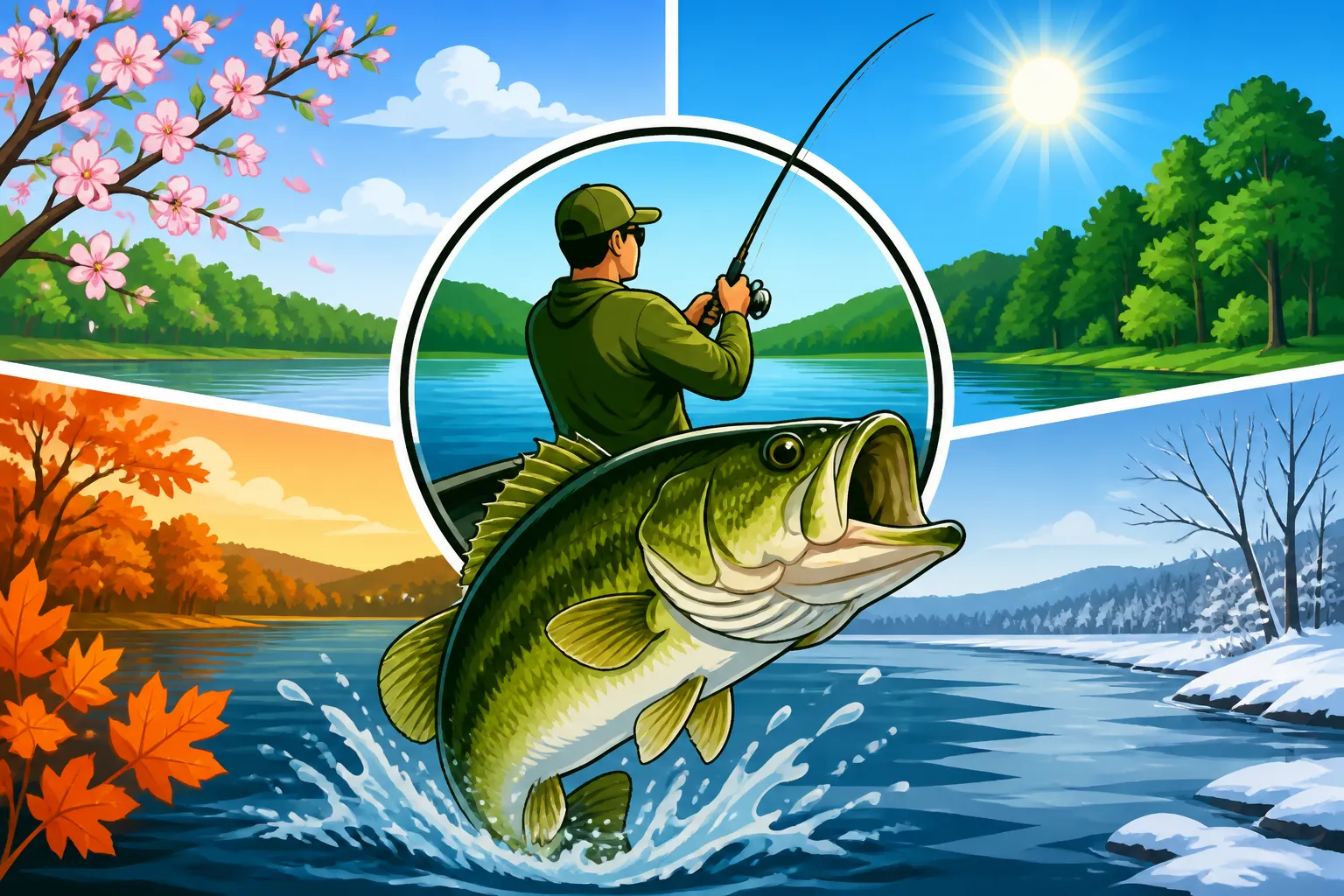
Forage availability dictates much of the bass's behavior. In the spring, when shad and bluegill are moving into shallower waters to spawn, bass will follow them closely. During the hot summer months, both bass and baitfish often retreat to deeper, cooler waters, concentrating around ledges and submerged brush piles. In the fall, as water temperatures begin to drop, shad will school up in massive balls, and bass will embark on a frantic feeding binge, gorging themselves in preparation for winter. Knowing these patterns, and having a good fish finder to locate both bait and structure, can be the difference between a slow day and a record-breaking catch. Keep in mind that a good Fish Finders and Electronics for Tennessee Reservoirs can be a game-changer for identifying these crucial zones.
Spring: The Reigning Season for Trophy Bass
If there's one season that stands head and shoulders above the rest for catching trophy bass on Chickamauga Lake, it's undeniably spring. This is when the entire ecosystem awakens, and the bass, driven by the primal urge to spawn, become incredibly active and often highly concentrated. The transition from cold winter water to warming spring temperatures triggers a predictable, yet exciting, migration from deeper wintering grounds to shallower spawning areas. This period offers multiple distinct phases, each with its own strategies for success.
Pre-Spawn Aggression: March and Early April
The pre-spawn phase, typically running from early March through early April, is perhaps the most exhilarating time to target Chickamauga's biggest bass. As water temperatures climb into the 50s Fahrenheit, these fish, especially the females, begin to move from their deep winter haunts toward shallower staging areas. They are driven by an intense need to feed, bulking up on protein to fuel the upcoming spawn. This is when you'll find them aggressive, often willing to chase down a variety of baits. They are hungry and on the move.
During this time, look for bass to stage on points, channel swings, and secondary ledges leading into major spawning coves and flats. These fish are not yet on the beds but are preparing, meaning they're often grouped up in transition areas. Lipless crankbaits, big spinnerbaits, jerkbaits, and medium-diving crankbaits are excellent choices for covering water and locating these aggressive fish. A popular choice among anglers is a vibrant lipless crankbait that can be retrieved quickly to trigger reaction strikes. You might find a wide selection of these effective lures on online retailers like Amazon, making it easy to stock up. This is also a fantastic time for throwing big swimbaits, as the trophy bass are looking for substantial meals. Knowing How to Fish for Bass in Spring is crucial during this peak period.
The Spawning Window: Mid-April to Mid-May
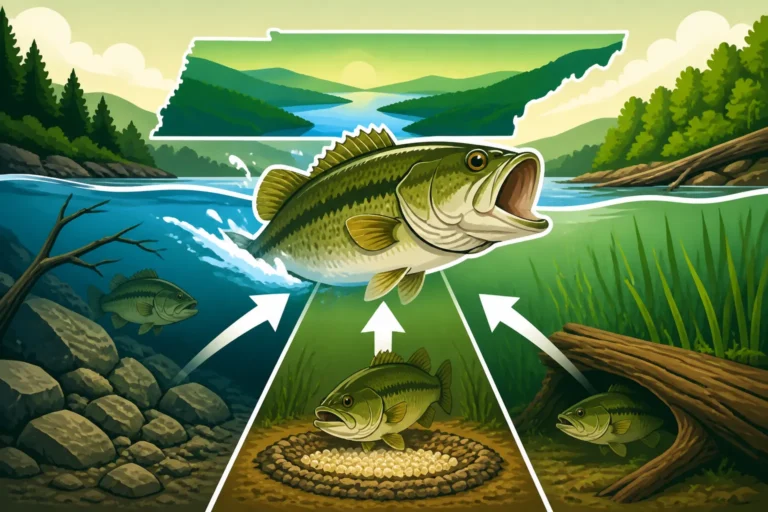
As water temperatures consistently reach the high 50s and low 60s, typically from mid-April to mid-May, the bass move onto their beds to spawn. This is a highly visual time for many anglers, as you can often spot large females sitting on their nests in clear, shallow water. While some consider it unethical to target bedding fish, others see it as a prime opportunity for a trophy. Regardless of your stance, understanding this phase is vital, as it dictates fish location and behavior. The Bass Spawn Timing in Tennessee Lakes can vary slightly year to year based on weather patterns, so paying attention to water temperatures is key.
When bass are spawning, they become highly territorial and protective of their nests. Baits that mimic intruders or simply annoy the bass into striking are most effective. Soft plastics like lizards, creature baits, and jigs are popular choices, pitched directly onto or very near the bed. The key is to irritate the bass until it commits to moving the "intruder." However, remember that once a bass is caught from a bed, it's crucial to release it quickly and gently to allow it to return and protect its eggs. Always prioritize the health of the fishery. If you're targeting bedding bass, consider using heavier line and a stout rod to quickly land the fish and minimize its stress.
Post-Spawn Recovery and Feeding Frenzy: Late May and June
After the rigors of spawning, both male and female bass need a period of recovery and intense feeding to regain their strength. This post-spawn phase, from late May through June, can be a phenomenal time for trophy bass, as these fish are often shallow, hungry, and relatively easy to pattern. They’ve finished their reproductive duties and are now solely focused on eating. This makes them predictable targets if you know where to look.
Bass will often linger in the shallower areas for a week or two after spawning, feeding on fry, bluegill, and any other available forage before slowly migrating back to deeper cover. During this time, look for them around remaining shallow cover like docks, lily pads, and grass lines adjacent to deeper water. Topwater lures, buzzbaits, poppers, and walking baits can be incredibly effective, especially during low light conditions or on cloudy days, as bass will aggressively strike at anything that looks like an easy meal. Furthermore, creature baits and stick worms fished weightless or with a light Texas rig can be deadly in and around sparse vegetation. This stage is a great opportunity to explore various presentations, as bass can be found at multiple depths as they transition. The right Best Lures for Post-Spawn Bass Fishing can make all the difference.
Summer: Deep Water and Early Morning Giants
While spring gets all the glory, don't write off Chickamauga Lake in the summer for trophy bass. It presents a different challenge, forcing anglers to adapt their tactics to combat the heat and declining oxygen levels in shallower water. The scorching Tennessee summer sun pushes bass into deeper, cooler, and more oxygenated parts of the lake. This means a shift from sight fishing and shallow water power fishing to more precise, deep-water techniques. Patience and a good understanding of electronics become paramount during these months.
Beating the Heat: Early Mornings and Late Evenings
The most productive times for summer bass fishing on Chickamauga are often during the low-light hours of early morning and late evening. As the sun rises and temperatures climb, bass retreat from the shallow flats and pockets they might have visited during the night to feed. During these cooler periods, bass are more likely to move into shallower water to hunt, offering brief but intense feeding windows. Topwater bites can be explosive during the first hour after sunrise or the last hour before sunset.
Focus your efforts on areas with easy access to deep water. Points, bluff walls, and creek channel swings that extend into shallower coves can be prime locations. Look for baitfish activity on your sonar, as bass will often be close by. Frogs worked over lily pads or thick grass mats, walking baits along seawalls, and buzzbaits ripped over submerged vegetation can elicit aggressive strikes. Even during the heat of the day, shaded areas like under boat docks or overhanging trees can hold active bass, providing a brief respite from the bright sun and offering another opportunity to cast a Texas-rigged worm or a jig.
Targeting Deep Structure and Ledges
Once the sun is high and water temperatures soar, Chickamauga's trophy bass relocate to deeper, more comfortable zones. This is where your electronics, like a good fish finder with side imaging, really shine. Bass will congregate on offshore humps, deep rock piles, current breaks along the old river channel, and especially on the many ledges that define Chickamauga's underwater landscape. These ledges are essentially underwater highways, providing bass with ample ambush points and easy access to both shallow and deep water.
The key to success here is precision. You'll need to pinpoint specific pieces of structure or cover that are holding fish. Once you locate a school or individual fish, a variety of techniques can be effective. Deep-diving crankbaits are excellent for covering water along ledges, colliding with structure to trigger reaction strikes. Carolina rigs, football jigs, and large Texas-rigged worms are also staples for working these deep spots, allowing you to present a bait directly in the strike zone for longer. Many anglers find high-quality deep-diving lures and robust jig heads on platforms like Amazon, ensuring they have the right tools for this demanding style of fishing. Remember, current can also play a huge role in deep-water bass behavior, so understanding the generation schedule of the Tennessee River can give you a significant advantage.
Fall: The Feeding Binge Before Winter
Fall on Chickamauga Lake is a magical time for bass fishing. As the oppressive summer heat gives way to cooler temperatures, the lake undergoes a dramatic transformation, signaling a massive shift in bass behavior. This season is often characterized by a "feeding binge," as bass sense the approaching winter and work to pack on calories. It's a fantastic time to catch both numbers of fish and some truly exceptional trophies, as the bass are active, aggressive, and often less pressured than during the spring spawn. Learning How to Catch Bass in Fall can lead to some incredible days on the water.
Following the Baitfish: September and October
As daylight hours shorten and water temperatures gradually drop through September and October, the entire food chain in Chickamauga Lake becomes highly active. Baitfish, particularly shad, begin to school up in enormous numbers, pushing into the backs of creeks and coves in search of warmer water and phytoplankton. The bass are right behind them, literally gorging themselves on this abundant food source. This period is all about finding the bait, because when you find the bait, you'll find the bass.
Look for signs of schooling baitfish and chasing bass on the surface, especially during calm mornings or evenings. Diving birds can often point the way to massive schools of shad. Spinnerbaits, swimbaits, lipless crankbaits, and topwater lures like poppers and walking baits are incredibly effective when bass are actively chasing bait. It's often a game of matching the hatch – if the bass are feeding on small shad, use lures that imitate that size and profile. The bass can be found in a variety of depths, from shallow flats to the mouths of creek channels, so being versatile with your lure choices is key. This is the perfect time to burn a crankbait over submerged grass or rip a lipless bait through schooling fish.
Late Fall Transition: November
By November, Chickamauga Lake begins its transition into full winter patterns, but there can still be some incredible trophy bass fishing if you know where to look. Water temperatures continue to drop, pushing baitfish and bass out of the very shallowest areas and into deeper water, though they often remain accessible near structure. The frenetic topwater action of early fall might slow down, but the bass are still actively feeding, just with a slightly different approach.
During late fall, bass will often congregate on main lake points, channel swings, and deeper bluff walls, especially those with rock or timber. They are looking for cover and easy access to slightly warmer, stable water. Blade baits, jigs, and slow-rolling spinnerbaits can be highly effective. Vertical jigging spoons can also be deadly when bass are suspended over deep structure or schooled tight to the bottom. It's a time for slower presentations and precise bait placement. Remember to dress warmly, as those November mornings on the water can be quite chilly, but the reward of a giant bass can certainly warm you up.
Winter: The Patience Game for Giants
Winter on Chickamauga Lake might not be as popular as spring or fall for sheer numbers of bass, but it is absolutely a prime time for targeting the biggest fish in the lake. The cold water forces bass to become lethargic and consolidate in specific areas, often in deeper water, making them challenging but rewarding to locate. If you have the patience and the right techniques, winter can produce some of the most memorable trophy catches. It's a true test of an angler's skill and persistence.
Cold Water Challenges and Rewards
Fishing in cold water presents unique challenges. Bass metabolism slows significantly, meaning they don't need to eat as often or expend as much energy. They'll be less aggressive, and their strike zones will shrink considerably. However, this also means they tend to group up in predictable deep-water wintering holes. Finding these concentrations of fish is the biggest challenge, but once you do, you can often catch multiple giants from the same spot. The rewards can be substantial, as winter bass are often at their heaviest, having gorged themselves during the fall.
The key to winter success is understanding that bass will seek out the most stable water temperatures, which are usually found in the deepest parts of the lake. They'll also orient themselves to structure that offers warmth retention, such as rock piles, steep bluff walls, and deep timber. Fishing for these sluggish giants requires a slow, methodical approach. Patience is not just a virtue in winter fishing; it's a necessity. You might make dozens of casts for one bite, but that one bite could be the fish of a lifetime. These Winter Bass Fishing Techniques are truly for the dedicated angler.
Slow Presentations in Deep Holes
When fishing Chickamauga in winter, your presentation must be incredibly slow and precise. Fast-moving reaction baits that are so effective in spring or fall will largely be ignored by lethargic bass. Instead, focus on baits that can be kept in the strike zone for extended periods and that offer a subtle, enticing action. Jigs are paramount during this time. Football jigs or arkie-style jigs in darker colors, paired with craw trailers, worked painstakingly slow along the bottom are deadly. You're not trying to make the bass chase; you're trying to put the bait right in front of its nose and tempt it with an easy meal.
Spoons, particularly flutter spoons or jigging spoons, can also be highly effective when bass are suspended over deep structure. Vertical jigging requires a keen sense of feel for those subtle bites. Another fantastic winter technique is the Alabama Rig, especially when bass are loosely schooled and feeding on larger baitfish in deep water. This rig presents multiple swimbaits, creating a school of baitfish illusion that can trigger strikes from even the most inactive bass. Remember to use heavier line, as these big bass often live in snag-filled environments, and you don't want to lose a trophy to a frayed line after a hard-won battle.
Essential Gear and Techniques for Chickamauga Trophy Bass
Chasing trophy bass on Chickamauga Lake isn't just about knowing when to go; it's also crucially about having the right tools for the job and knowing how to use them. The lake's diverse environment and the sheer size of its fish demand robust gear and versatile techniques. Investing in quality equipment appropriate for the task will not only improve your chances of landing that monster but also enhance your overall fishing experience.
Rods, Reels, and Line Choices
When you're after trophy bass on Chickamauga, you can't skimp on your tackle. You'll need a range of rods and reels to handle different techniques and lure weights. For power fishing with crankbaits, spinnerbaits, or swimbaits, a medium-heavy to heavy power casting rod, 7 to 7'6" in length, is ideal. Pair this with a high-quality baitcasting reel with a fast gear ratio (7.1:1 or higher) for quick retrieves and taking up slack, especially when a bass charges the boat. For bottom-contact baits like jigs and Texas rigs, a slightly more moderate action rod with a sensitive tip is preferred to detect subtle bites. Many anglers swear by a 7'3" heavy action rod for punching through thick grass or pulling big fish out of cover. These are generally the Best Rods for Largemouth Bass.
Line choice is equally critical. Fluorocarbon is a favorite for most applications due to its low visibility and sensitivity, especially for jigs and worms. For heavier cover or topwater presentations, braided line offers superior strength and no-stretch properties, allowing for powerful hooksets and easier retrieval through vegetation. A good setup might involve 15-20 lb fluorocarbon for crankbaits and open water jigs, and 50-65 lb braided line with a fluorocarbon leader for flipping and pitching into dense cover. You can find excellent options for all these on Amazon, ensuring you're ready for any situation Chickamauga throws at you.
Go-To Lures and Baits by Season
Matching your lure selection to the season and current conditions is paramount for Chickamauga trophy bass. While a vast tackle box is nice, focusing on a few key categories for each season will serve you better than trying to throw everything.
-
Spring: This is prime time for reaction baits. Lipless crankbaits like a Bill Lewis Rat-L-Trap or a Strike King Red Eye Shad are workhorses. Spinnerbaits with Colorado and willow blade combinations, jerkbaits, and medium-diving crankbaits are excellent for covering water and triggering strikes from aggressive, pre-spawn fish. Once bass move shallow to spawn, soft plastics such as creature baits, lizards, and straight-tail worms become essential for pitching to beds. The Best Bait for Chickamauga Lake Tennessee Trophy Bass in Spring often includes those big, juicy soft plastics.
-
Summer: As bass move deep, your lure selection shifts. Deep-diving crankbaits that can reach depths of 15-25 feet are crucial for targeting ledges and humps. Football jigs, especially in natural crawfish colors, paired with bulky trailers, are excellent for slow-dragging along the bottom. Large Texas-rigged worms, Carolina rigs, and jigging spoons also dominate the deep-water arsenal. For low-light periods, don't forget topwater walking baits and frogs fished over grass mats.
-
Fall: This is another excellent season for a wide array of baits. Lipless crankbaits, spinnerbaits, and crankbaits that imitate shad are top producers as bass chase baitfish. Jerkbaits are also incredibly effective as water temperatures start to drop. As fall progresses and bass move a bit deeper, jigs and creature baits remain strong performers.
-
Winter: Slow and subtle is the name of the game. Football jigs, arkie jigs, and shaky head jigs with small worms are essential for presenting a tempting, easy meal to sluggish bass. Blade baits and vertical jigging spoons can also produce when bass are suspended. The Alabama Rig, especially when fishing deeper creek channels, can be a secret weapon for larger, wintering bass.
Local Knowledge and Resources
Fishing Chickamauga Lake, especially for trophy bass, can be a complex endeavor. While general seasonal patterns are helpful, local knowledge can often make the difference between a good day and a truly exceptional one. The lake is dynamic, and conditions can change rapidly, from water clarity to current generation schedules. Tapping into local insights and resources is a smart angler's move.
Consulting Tournament Results and Local Reports
One of the best ways to gain hyper-local, up-to-date knowledge about Chickamauga Lake is to follow local tournament results and fishing reports. Professional and amateur tournaments held on Chickamauga regularly showcase where the big fish are being caught, what techniques are working, and what patterns are emerging. Websites dedicated to Tennessee fishing, local tackle shops, and even social media groups often post results and detailed reports from anglers. These reports can provide invaluable clues about specific creek arms, depths, or types of cover that are currently holding trophy-sized bass.
Beyond tournaments, connecting with local bait and tackle shops like those in Chattanooga or Dayton, Tennessee, is a goldmine. The folks working there are often avid anglers themselves and hear daily reports from dozens of people hitting the water. They can tell you about recent water levels, clarity changes, and what baits have been hot. Don't underestimate the power of a friendly chat over a cup of coffee at a local tackle shop. They can even provide real-time updates on conditions that might affect Tennessee Bass Fishing Seasons and Patterns.
Understanding Lake-Specific Rules
While Tennessee has statewide fishing regulations, many of its larger lakes, including Chickamauga, have specific rules that override or add to these general guidelines. It is absolutely crucial to be aware of any lake-specific size limits, creel limits, or special designations for bass on Chickamauga. For instance, sometimes a particular lake might have a slot limit for bass, meaning you can only keep fish below a certain size or above another, with a protected slot in between. This is designed to protect the trophy-producing potential of the fishery.
Always check the current Tennessee Wildlife Resources Agency (TWRA) fishing guide for the most up-to-date regulations before heading out. This guide is usually available online, at license agents, and at TWRA offices. Ignoring these specific rules, even unknowingly, can lead to fines and penalties. For example, some Tennessee lakes set catch limits that override the statewide defaults, so assuming statewide rules apply everywhere could land you in trouble. A quick review can prevent a legal headache and ensure you're contributing to the sustainability of this incredible trophy bass fishery.
Disclaimer
The information provided in this guide is for general informational purposes only and does not constitute professional advice. Fishing conditions, regulations, and fish behavior can change rapidly. Always consult the latest official regulations from the Tennessee Wildlife Resources Agency (TWRA) before fishing. The author and publisher are not responsible for any actions taken based on the information in this guide.