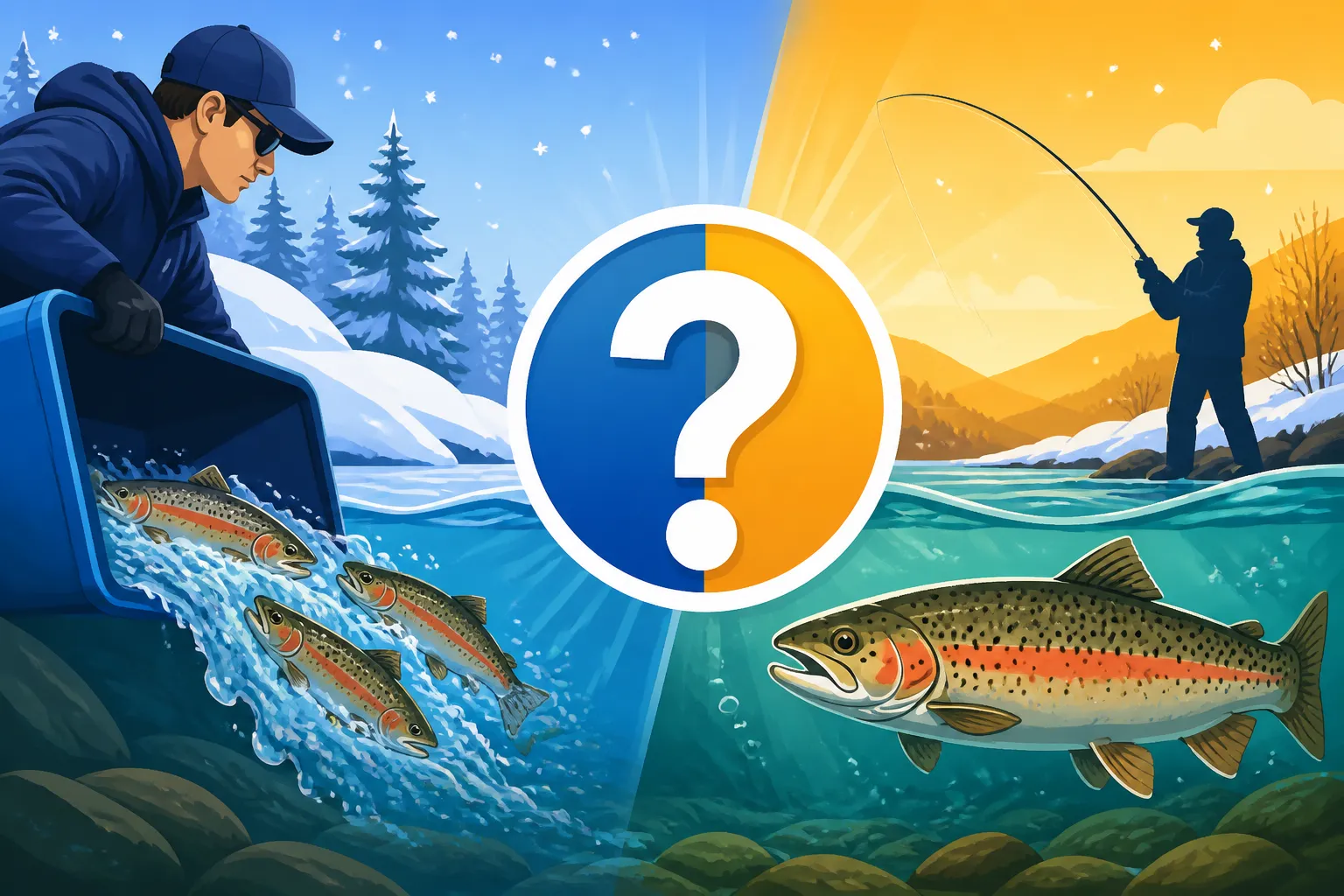
Does Tennessee Stock Trout in Winter?
Many Tennessee anglers lament the colder months, mistakenly believing that the prime trout fishing season ends with the vibrant fall foliage. It's a common frustration to feel like you have to pack away your favorite ultralight rod for months, waiting for spring. But here’s some fantastic news: the Tennessee Wildlife Resources Agency (TWRA) actually maintains a robust trout stocking program right through the winter, providing incredible opportunities for dedicated cold-weather fishing. This guide will dive deep into Tennessee's winter trout stocking, where to find these fish, and how to successfully reel them in when the mercury drops.
The Truth About Tennessee's Winter Trout Stocking Program
It's a persistent myth that trout fishing in Tennessee is solely a spring and summer affair. Many assume that once the water temperatures drop, so do the chances of catching a freshly stocked trout. However, the reality for dedicated anglers is far more exciting: winter is a prime time, albeit a different kind of prime.
Dispelling the Myth: Yes, They Do!
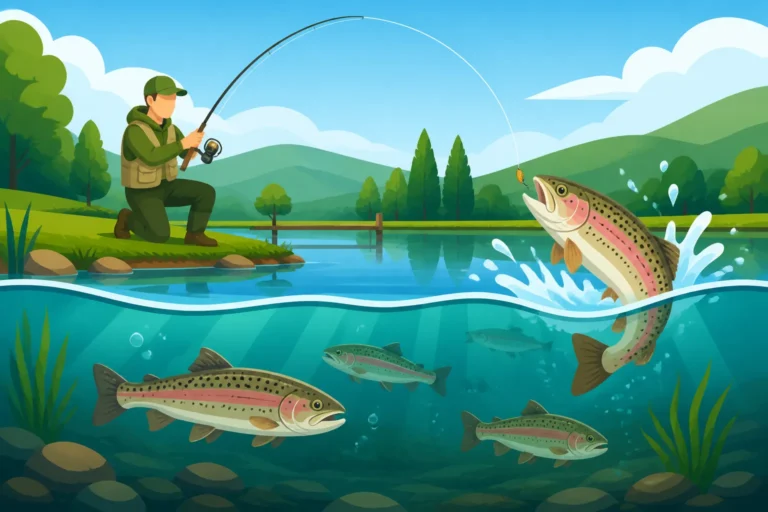
The Tennessee Wildlife Resources Agency (TWRA) is incredibly active in managing our state's fisheries, and that commitment extends well beyond the fair-weather months. While the widespread, larger-scale stockings might peak in spring and fall, TWRA absolutely continues to stock trout throughout the winter, particularly in specific "put-and-take" streams and lakes designed to provide consistent angling opportunities. These are often community fishing lakes or specific river sections chosen for their accessibility and ability to hold trout in colder conditions. This means that even as snow flurries might dance in the air, you can still find vibrant, eager rainbow, brook, and brown trout waiting. You just need to know where to look and understand the nuances of the season. It’s not just about surviving winter; it’s about thriving in it, rod in hand.
Understanding the Trout Season Split
One of the most important things to grasp when considering winter trout fishing in Tennessee is how the season regulations are structured. The state doesn't have a single, rigid trout season; instead, there's a significant distinction between the warmer months and the colder ones. For a detailed breakdown, you might want to check out The Tennessee Trout Season Split Explained: March to September vs October to February. From March through September, the statewide trout limit is generally seven fish per day, with specific rules for brown trout, usually limiting them to two of that total.
However, once October rolls around and stretches through February, those statewide rules often give way to water-specific regulations. This is where you really need to pay attention, because the limits and sometimes even the permissible methods can vary wildly from one stream or lake to another. This shift is intentional, allowing TWRA to manage different types of trout fisheries uniquely. Some waters might become strictly catch-and-release during these months, while others maintain a harvestable limit, often sustained by those critical winter stockings. Always consult the latest TWRA fishing guide or website for the specific rules of the water you plan to fish, especially during this October-February period. Understanding Tennessee Trout Limits and Season Rules is paramount to avoiding unintentional violations.
Why Winter Stocking is a Game-Changer for Anglers
For those willing to brave the chill, winter trout stocking opens up a whole new world of angling possibilities. It's not just about having fish to catch; it's about the unique experience that comes with it.
Accessibility and Less Crowds
Let's be honest: fewer people are enthusiastic about standing by a cold riverbank when the wind is biting. And that's precisely why winter fishing can be so incredibly rewarding! The colder temperatures naturally deter many casual anglers, leaving popular trout waters significantly less crowded. Imagine having a stretch of the Caney Fork River, often bustling with fishermen in spring, almost entirely to yourself. This solitude can be a truly serene and deeply satisfying experience, allowing you to connect with nature without the constant pressure of other anglers.
Furthermore, many of the waters that receive winter stockings are often more accessible, including urban community lakes or easy-to-reach sections of rivers. This means you don't always need to hike deep into the wilderness to find fish. It’s a fantastic opportunity for a quick trip after work or on a quiet weekend, without having to fight for a parking spot or a prime casting lane. You might even find your local spots surprisingly productive with fresh stock, making it easier to enjoy a peaceful day out.
Unique Fishing Opportunities and Healthier Fish
Winter trout fishing isn't just a consolation prize; it offers a distinct set of advantages. Trout, being cold-water species, are often much more active and vibrant in colder water, which can make for some fantastic fights. While their metabolism might slow down, they still need to feed, and with less angling pressure, they might be less wary.
Moreover, the cold water typically holds more dissolved oxygen, which is great for the trout's health and vitality. You're likely to encounter strong, energetic fish. Plus, the clear water conditions often associated with winter allow for incredible sight fishing opportunities, where you can spot individual trout before making your cast. This can be a challenging but immensely rewarding aspect of winter angling. Understanding How Cold Water Changes Trout Fishing in Tennessee's Smoky Mountains will help you adapt your approach and truly appreciate the unique dynamics of this season. It's an experience that truly differentiates the fair-weather angler from the dedicated four-season enthusiast.
Finding Your Winter Trout Hotspots
So, where exactly does TWRA sprinkle these cold-weather gems? It's not always advertised as loudly as the spring stocking schedule, but the information is readily available for those who know where to look.
Key Rivers and Lakes for Winter Trout
When it comes to Tennessee's winter trout program, certain waterways consistently stand out. These locations are often selected because they can sustain trout populations through colder temperatures and provide reasonable access for anglers.
The Caney Fork River near Carthage is a phenomenal tailwater fishery that receives regular trout stockings and is a year-round destination, with specific sections managed for different fishing types. Its cold, consistent flows from Center Hill Dam make it ideal for trout, even in the dead of winter. Similarly, the Clinch River below Norris Dam, another tailwater, is a celebrated cold-water fishery that sees continuous trout activity and stocking. Anglers here can experience world-class fly fishing and spin fishing for robust rainbows and browns. For those in East Tennessee, the Hiwassee River is another fantastic choice, known for its beautiful scenery and steady trout fishing opportunities throughout the winter months. These major tailwaters are the backbone of Tennessee's year-round trout program. You can learn more about specific access points and conditions in our guide to Clinch River Trout Fishing in East Tennessee and Caney Fork River Trout Fishing.
Beyond these marquee rivers, many smaller community fishing lakes and ponds across the state are also part of TWRA's winter stocking efforts. These are often easily accessible, family-friendly locations in or near urban areas, making them perfect for a quick trip. Always check the TWRA website for specific pond schedules.
Tools and Resources for Locating Stocked Waters
The best and most accurate resource for current stocking information is the Tennessee Wildlife Resources Agency (TWRA) website. They maintain an updated stocking schedule, often broken down by region and specific waterway. This is your go-to source for knowing When Tennessee Stocks Rainbow Trout Each Year and other trout species. Don't rely on old information; stocking schedules can change based on weather, water levels, and fish availability.
Beyond the official TWRA resources, local bait and tackle shops are invaluable. The folks working there are often lifelong anglers themselves and have their ears to the ground, knowing which spots are hot and when the trucks have been through. Online fishing forums and local social media groups dedicated to Tennessee fishing can also be excellent resources, providing real-time reports and tips from fellow anglers.
Finally, having good topographical maps or fishing apps can help you identify access points, stream sections, and potential holding areas for trout. A high-quality waterproof map or a reliable GPS unit, perhaps sourced from a wide selection on Amazon, can make all the difference in navigating unfamiliar territory and pinpointing those prime winter spots.
Gear and Techniques for Cold-Water Success
Fishing in winter isn't just about bundling up; it requires a slight adjustment in your gear and tactics to maximize your chances of success. Trout behave differently when water temperatures plummet, and a nuanced approach pays dividends.
Essential Cold Weather Gear
Your comfort on the water directly impacts your enjoyment and endurance, especially in winter. Layering is absolutely crucial. Start with a moisture-wicking base layer, add insulating layers like fleece or down, and top it off with a waterproof and windproof outer shell. Don't forget your extremities: a warm hat that covers your ears, insulated gloves (fingerless options are great for maintaining dexterity while tying knots), and waterproof, insulated boots are non-negotiables. You might even consider investing in a quality pair of waders, like those discussed in Best Waders for Smoky Mountains Trout Streams, to keep you dry and warm if you plan on wading.
Bringing a thermos filled with hot coffee, tea, or even soup can be a real morale booster when the temperatures really drop. Hand warmers are also fantastic to tuck into gloves or pockets. Think about durability and warmth when acquiring new gear; reputable brands found on Amazon offer a wide range of insulated clothing and accessories that can make your winter outing much more pleasant. It's better to be slightly overdressed and shed a layer than to be shivering and miserable.
Effective Winter Trout Techniques
Trout in cold water are often less aggressive and their metabolism slows down, meaning they aren't going to chase a fast-moving lure like they might in summer. Slower, more deliberate presentations are usually the key.
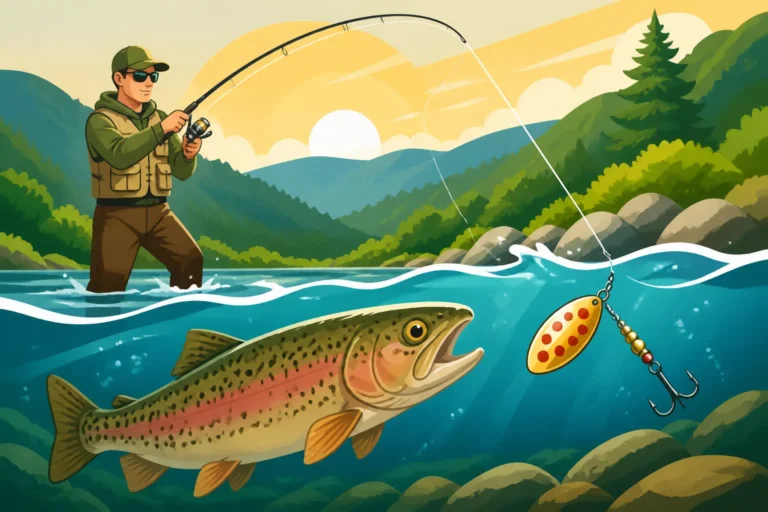
For spin anglers, small inline spinners (like Panther Martin or Mepps), tiny jigs (1/32 to 1/16 ounce) often tipped with a piece of PowerBait or a small plastic grub, and small spoons can be highly effective. The retrieve should be agonizingly slow, often with pauses. Drifting natural baits like PowerBait (corn, cheese, or garlic scents are popular), salmon eggs, or small worms under a sensitive bobber or with a bottom rig can also produce excellent results. Remember that trout often hold in deeper, slower pools or behind structure where they can conserve energy, so focus your efforts there. You'll find more specific tips on How to Catch Trout in Cold Water.
Fly anglers will also need to adjust their tactics. While dry flies might be king in spring and summer, winter typically calls for subsurface presentations. Small nymphs (like a zebra midge, pheasant tail, or prince nymph) fished deep under an indicator, or even small streamer patterns, can be highly effective. The key is to match the hatch, which in winter often means tiny midges or small aquatic insects. Check out Best Fly Patterns for Stocked Trout for some ideas. A slow, subtle drift is paramount, mimicking the natural movement of these insects. Learning How to Read Water When Trout Fishing becomes even more critical in winter to identify those subtle holding lies. For those looking to get into the sport, a comprehensive fly fishing setup, including fly rods and lines, can be conveniently purchased online from retailers like Amazon.
Here's a quick comparison of summer versus winter trout fishing:
| Feature | Summer Trout Fishing | Winter Trout Fishing |
|---|---|---|
| Crowds | Generally higher, especially on popular waters | Significantly lower, offering more solitude |
| Water Temp | Warmer, can stress trout in shallow areas | Colder, ideal for trout health and activity |
| Regulations | Often statewide limits (e.g., 7 fish/day) | Often water-specific rules (check TWRA guide!) |
| Fish Activity | More aggressive, chase faster retrieves | Slower metabolism, more lethargic, subtle bites |
| Typical Baits | Spinners, crankbaits, dry flies, worms, PowerBait | Small jigs, nymphs, midges, PowerBait, salmon eggs, worms |
| Locations | Broad range of rivers, streams, and lakes | Focus on tailwaters and community stocked lakes/ponds |
| Clothing | Light layers, sun protection | Heavy, waterproof, insulated layers; gloves, hat, warm boots |
So, next time the cold weather sets in, don't despair! Instead, grab your warmest gear, check the latest TWRA stocking schedule, and head out to experience the quiet beauty and fantastic fishing that Tennessee's winter trout program has to offer.
Disclaimer
Fishing regulations and stocking schedules are subject to change by the Tennessee Wildlife Resources Agency (TWRA). Always consult the official TWRA website or current fishing guide for the most up-to-date rules and information before planning your fishing trip. This guide is for informational purposes only and does not supersede official regulations.