How to Fish a Crankbait in Cold Water
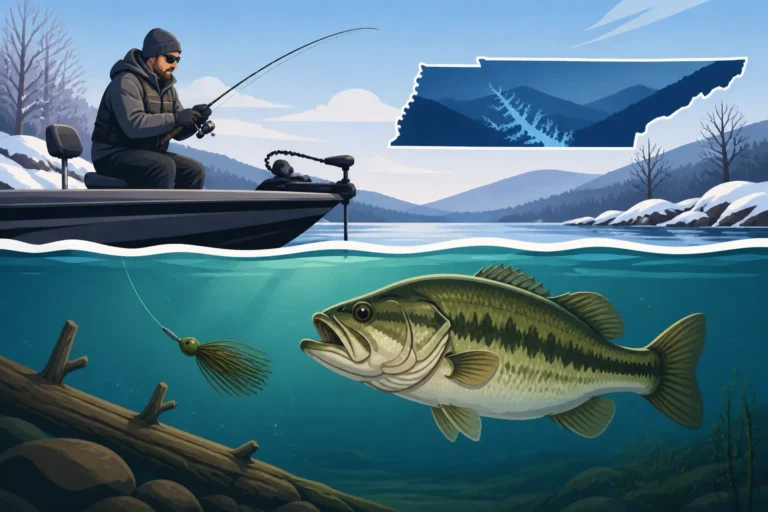
That biting chill in the air can make you think the bass have completely shut down for the winter, packing their bags until spring. It’s a common frustration among anglers here in Tennessee, especially when the water temperature dips into the low 50s or even 40s. Many just stow their gear, believing it's impossible to get a good bite. But trust me, those cold-water bass are still there, they're just acting a little differently. This comprehensive guide will walk you through exactly how to effectively fish a crankbait in cold water, helping you unlock bites when others are heading home.
Understanding Cold Water Bass Behavior
When the water temperatures plummet, fish metabolism slows down significantly. This isn't just a Tennessee thing; it's a universal truth for cold-blooded creatures. They don't need to eat as often, and when they do, they're looking for an easy, high-calorie meal that doesn't require much effort to chase. Understanding this fundamental shift in behavior is the first step to success.
Why Bass Slow Down in Cold Water
Imagine trying to sprint a marathon in freezing weather – you'd conserve every ounce of energy, right? Bass operate similarly when the water gets cold. Their bodily functions, including digestion and movement, become sluggish. This means they aren't going to chase a fast-moving bait across an entire flat. Instead, they're often grouped up tightly, conserving energy, and waiting for an opportune meal to come to them. Their strike zone shrinks dramatically, meaning your bait needs to be practically nose-to-nose with them to trigger a reaction.
It’s not just about being slow; it’s about being deliberate. They're not looking for a chase; they're looking for a convenient snack. This makes bait presentation incredibly important. A bass might let a crankbait whiz by five feet away, but if that same bait slowly wobbles right in front of its face, that's a different story. This is also why understanding How Water Temperature Affects Bass Feeding is so crucial; even a few degrees can make a world of difference in their activity levels.
Key Cold Water Holding Areas
In cold water, bass gravitate towards areas that offer three things: stability, warmth (even slight differences), and ambush points. They are actively seeking refuge from the cold and places where they can ambush prey without expending too much energy.
One of the most common cold water haunts is deep structure. Think about offshore humps, ledges, creek channels, and even deep points that drop off quickly into deeper water. These areas provide vertical relief, allowing bass to move up and down the water column with minimal effort to find their preferred temperature and prey. For instance, on a massive lake like Kentucky Lake, the deeper ledges and river channels become absolute magnets for bass during colder months. They might be suspended just off the bottom or hugging tight to cover within these deeper zones. If you want to refine your approach, reading up on How to Fish Deep Structure for Bass in Winter can give you even more insights into these crucial locations.
Another prime location is rocky banks or riprap. Rocks absorb and retain heat from the sun better than mud or sand, often creating a subtle temperature difference that can attract baitfish, and in turn, bass. Bridges, causeways, and dam faces with significant rock formations are excellent targets. Lastly, don't overlook standing timber or brush piles in deeper water. These offer both cover and a degree of thermal stability, acting as natural condos for lethargic bass. They might not be actively chasing, but a slow-moving crankbait bumping through a submerged cedar tree can definitely trigger a reaction.
Selecting the Right Crankbait for Cold Water
Choosing the correct crankbait isn't just about what looks good to you; it's about what looks enticing and "easy" to a sluggish, cold-water bass. There are specific characteristics that make certain crankbaits shine when the thermometer drops.
Crankbait Types and Their Cold Water Applications
When the water is cold, subtlety and a tight wobble are your best friends.
- Flat-Sided Crankbaits: These baits are champions in cold water. Their slender profile and flat sides give them a much tighter, more subtle wobble than their round-bodied counterparts. This tight wiggle perfectly imitates a cold-stunned or dying baitfish, which is exactly what a lethargic bass is looking for. They also tend to "flash" more prominently with each wobble, catching the light and drawing attention without being overly aggressive. Brands like Bagley's Balsa B or Strike King KVD Flat Side are popular choices that you can often find readily on Amazon.
- Lipless Crankbaits: While often associated with aggressive retrieves, lipless crankbaits have a secret weapon in cold water: their ability to sink and be jigged vertically. When bass are tight to the bottom in deep channels or suspended in timber, you can cast a lipless crankbait, let it sink to their depth, and then yo-yo it or slow-roll it just above the cover. The vibration it creates, even on a slow retrieve, can be incredibly effective at drawing strikes. Just remember, the retrieve is key here – think slow, not fast.
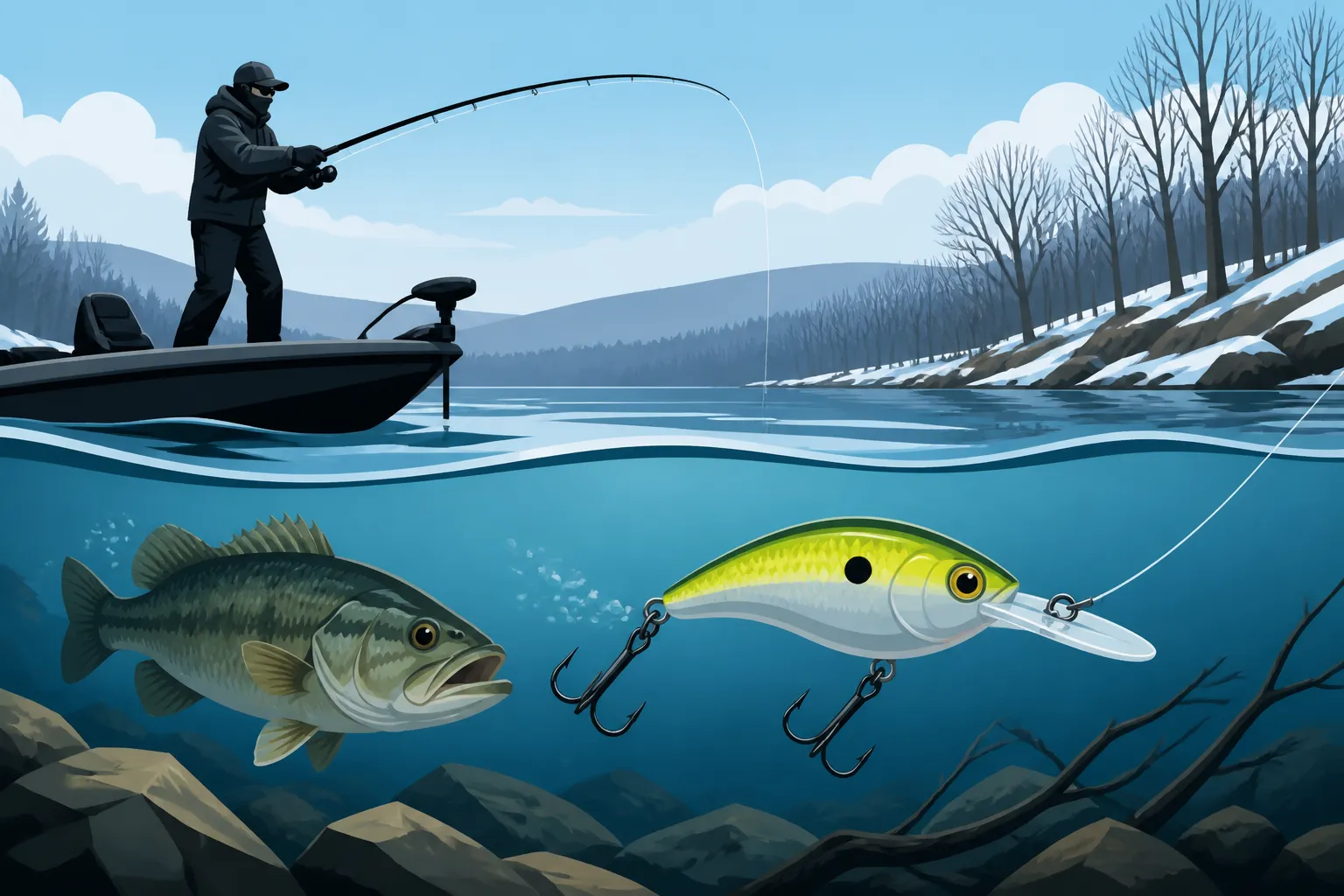
- Diving Crankbaits (Deep Divers): For targeting those deep ledges and creek channels, deep-diving crankbaits are essential. Look for models that can reach the depth where you're marking fish. The key isn't just getting it down there, but making it bounce off the bottom or tick against cover. Deflection is a huge strike trigger in cold water. You'll want a bait that can dive to 15, 20, or even 25 feet, depending on your target depth.
Color and Size Considerations
Just like with retrieve, subtlety is often key in cold water crankbait colors, but it's not a hard and fast rule.
- Natural Baitfish Patterns: When the water is clear, natural colors that mimic local baitfish are often the most effective. Shad, bluegill, or crawfish patterns in subtle, muted tones can be incredibly lifelike and convincing to a wary bass. Think about translucent grays, browns, and soft blues. The clarity of the water dictates this heavily; in the clearer waters of Norris Lake, for example, natural patterns would almost always outperform something flashy.
- "Flash" and Contrast: Don't completely shy away from a little flash, especially if the water has some stain or the skies are overcast. Chrome, silver, or gold sides can offer a flash that mimics a struggling baitfish, drawing attention from a distance. Sometimes, a bait with a bit of chartreuse or orange on the belly can provide just enough contrast to stand out without being overpowering.
- Size Matters: Generally, smaller to medium-sized crankbaits are preferred in cold water. Bass are not looking to expend much energy, so a smaller meal is often more appealing than a large one they have to work harder to digest. A 1.5 to 2.5-inch bait is often a good starting point, though matching the hatch (the size of prevalent baitfish) is always a smart move.
Here's a quick reference table for cold water crankbait selection:
| Crankbait Type | Ideal Water Conditions | Retrieve Style | Key Feature | Example Patterns |
|---|---|---|---|---|
| Flat-Sided | Clear to light stain, 40-55°F | Slow roll, stop-and-go, subtle twitches | Tight wobble, subtle flash | Shad, threadfin, crawfish |
| Lipless | Any clarity, 35-50°F | Yo-yo (vertical jig), slow roll, bottom contact | Strong vibration | Chrome, red craw, natural baitfish |
| Deep Diver | Any clarity, 40-55°F | Slow grind, bottom deflection, long pauses | Depth, deflecting ability | Shad, bluegill, crawfish |
Mastering Cold Water Crankbait Retrieve Techniques
This is where many anglers miss the boat. You can have the perfect cold-water crankbait, but if you're retrieving it like it's summertime, you're not going to get bites. The retrieve needs to be painstakingly slow, deliberate, and full of pauses.
Slow Rolling and Pauses
The "slow roll" is a classic for a reason. Cast your crankbait out and retrieve it just fast enough to get the bait to wobble, then slow it down even further. This isn't about covering water; it's about keeping the bait in the strike zone for as long as possible. Think of a dying baitfish lazily fluttering along, barely moving. That's the imitation you're going for.
Incorporating pauses is absolutely critical. After a few slow turns of the reel handle, pause for 3-5 seconds, sometimes even longer. Let the bait suspend or slowly float up (depending on if it's suspending or slow-floating). Many times, a sluggish bass will strike the bait right as it's pausing or just beginning to move again. This unexpected change in action often triggers a reaction strike from even the most unwilling fish. This technique is particularly effective when you're fishing near known bass holding structures. Consider combining this with lessons from How to Catch Bass in Fall, as some of those slow-down tactics transition well into early winter.
Experiment with the length of your pauses. Some days, a quick 1-second pause is enough. Other days, you might need to count to five or even ten to get a reaction. The bass will tell you what they prefer through their bites (or lack thereof). Also, make sure your gear is set up to detect these subtle bites. You don't want to miss that faint "thump" that often signifies a cold-water bass taking your bait.
Bottom Bouncing and Deflection
Cold water bass love to hug the bottom and any cover they can find there. This makes bottom bouncing and deflection incredibly effective. The idea is to make your crankbait purposefully crash into submerged objects like rocks, stumps, or logs. When the bait deflects off these objects, it creates an erratic, sudden movement that often triggers a predatory instinct in otherwise inactive bass.
To achieve this, choose a crankbait that dives slightly deeper than the depth you're fishing. For example, if you're fishing a 12-foot ledge, use a crankbait rated for 15-18 feet. This ensures the bait will dig into the bottom. Cast it out, let it dive, and then slowly reel, feeling the bait "grind" along the bottom. When you feel it hit an object, give your rod a slight twitch or pause, allowing the bait to kick off the cover. This sudden, evasive action often provokes a strike. It’s a technique that takes a bit of feel, but once you get the hang of it, it can be deadly. Many anglers will purchase their deeper diving crankbaits from Amazon, where a wide selection from brands like Rapala and Spro are available.
This method works wonders on those Tennessee lakes with abundant rocky bottom structures or submerged timber, such as parts of Watts Bar Lake or Chickamauga Lake. It mimics a baitfish trying to escape a predator, and the sudden change in direction is often more than a bass can resist, even when it’s feeling lethargic. You'll find that this contact with cover also helps to keep your bait in the optimal strike zone for longer periods.
Essential Gear for Cold Water Crankbait Fishing
Using the right rod, reel, and line can significantly improve your success rate when crankbait fishing in cold water. You need gear that enhances sensitivity, allows for precise retrieves, and can handle the occasional fight with a cold-water lunker.
Rod, Reel, and Line Choices
- Rod: A medium-heavy to heavy power rod with a moderate-fast action is generally ideal for crankbait fishing. The moderate action allows the rod to load up properly on the cast, helping to launch those heavier crankbaits, and provides enough flex to absorb the shock of a bass strike without pulling the hooks out of a lightly biting fish. For cold water, a slightly longer rod (7' to 7'6") can also aid in longer casts and give you better line pickup for those slow retrieves. When looking for a quality rod, you can often find great deals and a wide selection on Amazon. If you're specifically targeting bigger bass, you might want to consider Best Rods for Largemouth Bass that offer more backbone.
- Reel: A baitcasting reel with a gear ratio in the 5.1:1 to 6.4:1 range is perfect for cold water cranking. These slower gear ratios force you to retrieve the bait slowly, which is exactly what you need in cold conditions. A slow reel also gives you more power to winch in bigger fish and helps you maintain better control over the bait's depth and action. Smooth drag is always a plus, especially when fishing for larger bass that might make a surprising run. For reliable options, check out Best Baitcasting Reels for Bass Anglers.
- Line: Monofilament line is often favored for crankbait fishing, especially in cold water. Its stretch provides a forgiving buffer, preventing hooks from tearing out when a bass surges. The slight buoyancy of mono also helps some crankbaits achieve their optimal dive depth and action. A line weight of 10-14 lb test is a good starting point, adjusting based on the size of your crankbait and the cover you're fishing. Fluorocarbon can also be used, particularly for deeper presentations, as its low stretch and sinking properties help baits dive deeper and provide increased sensitivity.
Adding Sensitivity and Feel
In cold water, bites can be incredibly subtle – a slight tick, a mushy feeling, or just added weight on your line. Maximizing sensitivity is crucial to detecting these faint takes.
- Rod Material: Graphite rods typically offer more sensitivity than fiberglass. While fiberglass rods are excellent for their parabolic bend in crankbait fishing, a blended graphite/fiberglass composite or a higher-end graphite rod can give you the best of both worlds: good loading for casting and enough sensitivity to feel those light cold-water bites.
- Line Color: While perhaps secondary, some anglers prefer low-visibility fluorocarbon or monofilament in clear cold water. However, the most important aspect of line is its condition – always use fresh line for optimal performance and sensitivity.
- Keep Your Hands Warm: This might sound obvious, but cold, numb hands will make it incredibly difficult to feel subtle bites. Invest in good quality fishing gloves. Being comfortable and warm allows you to focus on the feel of your bait, which is paramount when bass are barely breathing on your crankbait. It's often the slight pause or change in your bait's vibration that tells you a fish has inhaled it, not a violent tug. Regularly checking your line for nicks and abrasions, especially after contacting cover, is also key, as damaged line significantly reduces sensitivity and can lead to lost fish.
Disclaimer
Fishing involves inherent risks, including but not limited to, injuries from hooks, sharp objects, wildlife, and drowning. Always prioritize safety by wearing appropriate safety gear, understanding local regulations, and being aware of your surroundings. This guide provides general information and recommendations, but individual conditions and experiences may vary. The author and publisher are not responsible for any accidents, injuries, or losses incurred while following the advice presented herein. Always fish responsibly.