Do Fish Bite Better Before a Storm?
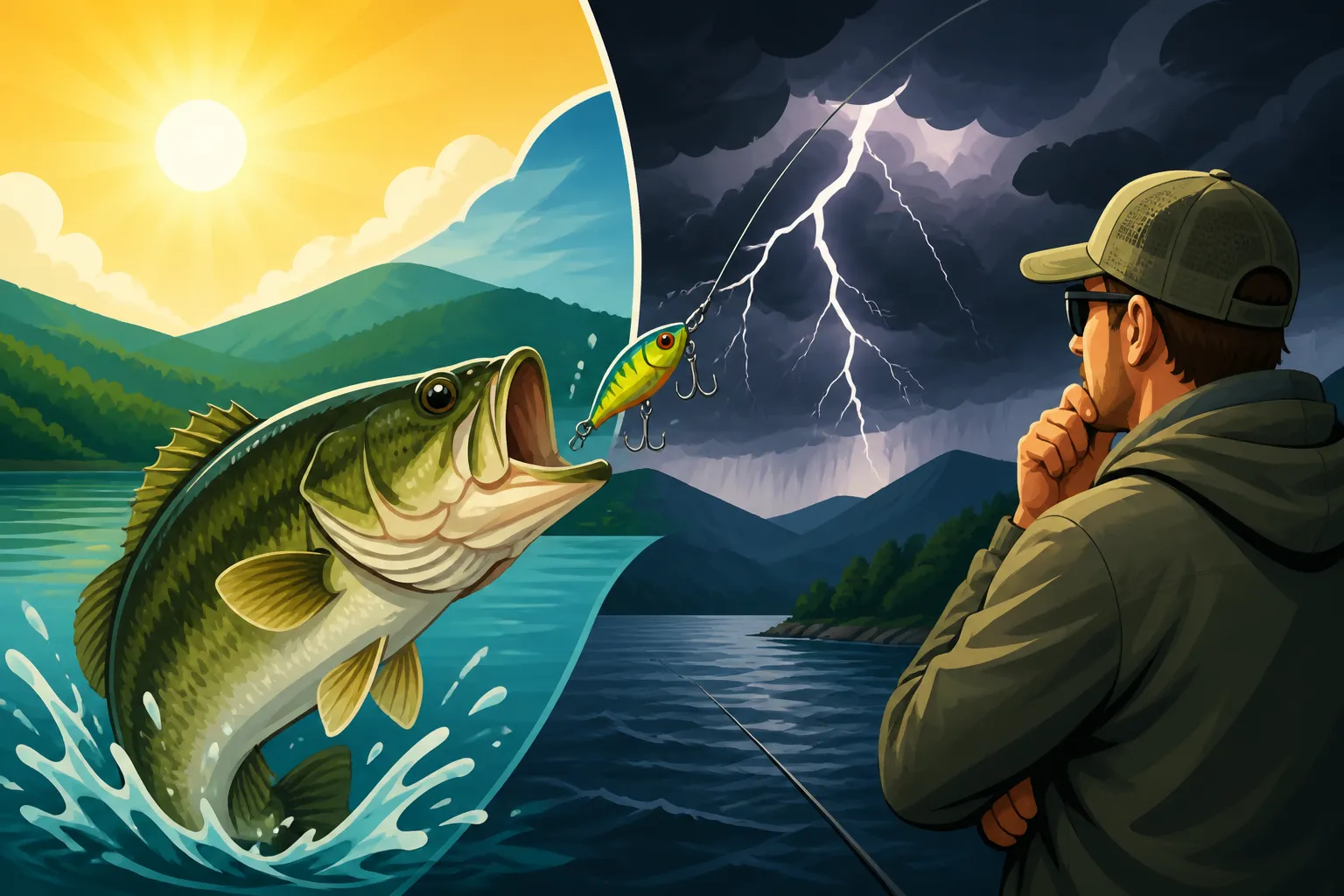
The age-old angler's question, "Do fish bite better before a storm?" is something almost every fishing enthusiast in Tennessee has pondered while watching the clouds roll in. It's a common belief, often passed down through generations, that fish get into a feeding frenzy right before a weather front hits. But is there real truth to this, or is it just another fishing myth? Understanding the science and the subtle cues can dramatically improve your chances of success on the water, turning an impending storm into an opportunity rather than a washout.
The Myth and Reality of Pre-Storm Fishing in Tennessee
Let's cut right to it: yes, fish can often bite better before a storm, but it's not a universal guarantee, and it's certainly not a sustained phenomenon. It's a nuanced dance with atmospheric pressure, light, and water conditions, and knowing the specifics can make all the difference between a bust and a banner day on your favorite Tennessee lake or river.
The Barometric Pressure Rollercoaster
The biggest factor influencing fish behavior before a storm is barometric pressure. Think of it like this: fish have a swim bladder, which is an air-filled sac that helps them maintain buoyancy. As atmospheric pressure changes, so does the pressure exerted on their swim bladders. When a storm is approaching, the barometric pressure typically begins to fall.
Initially, a slow, steady drop in pressure can be fantastic for fishing. This is often the prime "feeding window." Fish, particularly predatory species like bass and crappie, feel less pressure on their bodies, which can make them more comfortable and active. They might move into shallower waters, feeling less constrained, and actively look for food. Imagine you're fishing a shallow cove on Percy Priest Lake or working the weed lines of Chickamauga Lake; this is when those fish might be more willing to chase a lure. Many dedicated anglers even carry a small, portable barometer or check specialized fishing apps that track barometric pressure, some of which are readily available to purchase on Amazon. They understand that a gradual decline in pressure is often their cue to hit the water.
However, it's a fine line. A rapid, steep drop in pressure, or sustained low pressure once the storm is directly overhead, usually has the opposite effect. Fish can become lethargic, uncomfortable, and often seek deeper, more stable water where the pressure changes are less drastic. They might "shut down" completely, becoming incredibly difficult to coax into biting. So, while the initial drop is a green light, a plummeting barometer signals it's time to consider packing up.
Cloud Cover and Light Conditions
Along with falling barometric pressure, approaching storms bring increased cloud cover. This reduction in direct sunlight can be a huge advantage for anglers, especially on bright, clear days. Many fish species, particularly those that are more active during dawn and dusk, can be quite shy in intense sunlight. Reduced light penetration means they feel less exposed to predators – including you! – and are more likely to venture out from heavy cover.
On a sunny day, largemouth bass might be buried deep in submerged timber or under thick mats of vegetation in places like Watts Bar Lake. But as storm clouds roll in, darkening the sky, these fish often become bolder. They'll move to the edges of cover, cruise open flats, or suspend higher in the water column, actively hunting. This low-light condition can make topwater baits or spinnerbaits incredibly effective, as fish are more willing to look up and strike. It also reduces visibility, meaning your presentation doesn't have to be quite as subtle. Consider how these conditions contrast with bright, midday fishing, which often requires different tactics.
Understanding the "Feeding Frenzy" Window
The "feeding frenzy" isn't a continuous state; it's usually a distinct, often short-lived window of opportunity that occurs right before a storm truly arrives. Fish are incredibly tuned into their environment, and they sense the impending weather change. Their instinct tells them that feeding might become difficult or unsafe once the storm hits, especially if it brings heavy rain, strong winds, or turbulent water.
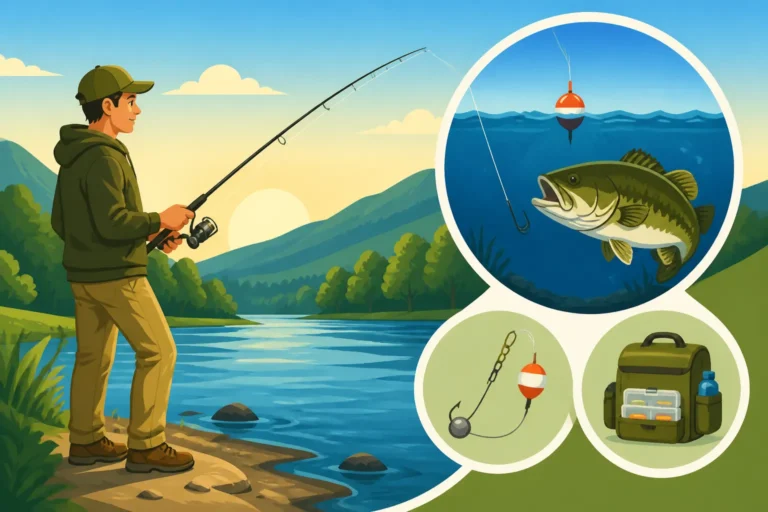
So, just as you might stock your pantry before a blizzard, fish will often gorge themselves during this pre-storm period. This surge in activity can last anywhere from an hour to a few hours, typically during that sweet spot of slowly falling pressure and darkening skies. If you can time your outing to coincide with this window, you could experience some of the most aggressive bites of your season. It's about being prepared and being on the water when that window opens. Having your favorite lures and gear easily accessible, perhaps in a well-organized tackle box you grabbed from Amazon, can really make a difference in capitalizing on this brief opportunity. Being aware of Tennessee Bass Fishing Seasons and Patterns can also help you predict when fish might be more inclined to feed aggressively in general.
How Weather Changes Influence Fish Behavior
Beyond just barometric pressure and light, other environmental factors tied to an approaching storm play a significant role in how fish react. Understanding these can further refine your strategy.
Oxygen Levels and Water Movement
The onset of a storm, especially with accompanying wind and rain, can dramatically impact the oxygen content and movement of water. Before a storm, particularly on hot, still days, the oxygen levels in the upper water column can sometimes drop, making fish sluggish. However, as the wind picks up and rain starts to fall, it stirs the surface, introducing fresh oxygen into the water.
This increased oxygen can act like an energy drink for fish. It revitalizes them, boosting their metabolism and making them more active and eager to feed. In rivers like the Cumberland or the Hiwassee, heavy rainfall can also increase current flow, dislodging food sources from the bottom or banks, which can attract opportunistic feeders. Conversely, extremely heavy rains can sometimes reduce visibility too much or cause rapid temperature drops, but the initial stages of a storm often bring that beneficial oxygen boost. It’s a delicate balance that significantly influences How Water Temperature Affects Fish Activity.
Predator-Prey Dynamics in Changing Weather
The altered conditions before a storm also shift the dynamics between predator and prey. With reduced light penetration from cloud cover and potentially choppy water from wind, baitfish and other smaller prey species have a harder time spotting approaching predators. This reduced visibility gives an advantage to the hunters.
Predatory fish like largemouth bass, smallmouth bass, stripers, and crappie become more confident in these conditions. They'll often move out of the secure cover they rely on during clear, sunny days and actively hunt in more open areas or shallower water. For instance, smallmouth bass in Dale Hollow Lake might move onto rocky points, while striped bass in Norris Lake could be found shallower than usual, chasing schools of baitfish. They know their camouflaged bodies are harder to spot, and the prey is less likely to escape. This is a prime time for using lures that mimic struggling baitfish, capitalizing on their hunting advantage.
Species-Specific Responses to Approaching Storms
It's important to remember that not all fish species react identically to an impending storm. While many game fish do become more active, there are nuances.
- Bass (Largemouth, Smallmouth, Spotted): These are perhaps the most famous for a pre-storm "feeding frenzy." Falling pressure and low light often trigger aggressive feeding. They might move shallow and hit reaction baits with vigor. This is when knowing Tennessee's Smallmouth Bass Limit Explained might come in handy!
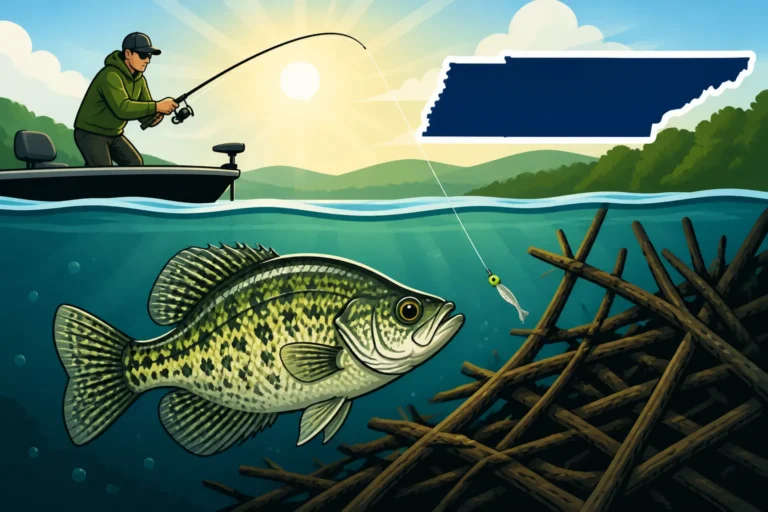
- Crappie: Crappie also tend to become very active. They'll often move out of dense brush piles and suspend higher in the water column or along the edges of structure, making them easier to target. Jigging or fishing minnows in these areas can be incredibly productive. Make sure you are aware of Crappie Limits Under Tennessee Fishing Rules while you are out there.
- Catfish: Bottom-dwelling catfish, like Channel, Blue, and Flathead, might be less affected by light changes but can be spurred into activity by increased water movement or runoff that washes food into the lake or river. They might move closer to creek mouths or river channels.
- Trout: In the colder waters of the Great Smoky Mountains or rivers like the Caney Fork, trout can also become more active. Changes in atmospheric pressure can trigger insect hatches, and the general increase in oxygen can make them more aggressive feeders. Understanding Tennessee Trout Fishing Season Explained is crucial if you're targeting these finicky fish.
Knowing the typical behavior of your target species can help you fine-tune your approach and increase your odds of success.
Adapting Your Approach for Pre-Storm Success and Safety
So, you've checked the forecast, you see the clouds gathering, and the barometer is slowly dropping – it's go-time! But just showing up isn't enough. You need to adjust your tactics for these unique conditions.
Lure and Bait Selection for Aggressive Bites
When fish are in that pre-storm feeding mode, they're often less cautious and more willing to strike. This is the perfect opportunity to use "reaction baits" – lures designed to provoke an instinctive strike rather than a careful inspection.
- Bass: For bass, this means spinnerbaits, ChatterBaits, lipless crankbaits, or even topwater lures like buzzbaits or poppers (if the surface is relatively calm but cloudy). The erratic action and flash of these lures can trigger an aggressive response. Don't be afraid to go with slightly larger or brighter lures than you might typically use on a clear, calm day. In stained water that often accompanies an approaching storm, chartreuse, white, or dark-colored lures can stand out better. Remember, Best Lures for Pre-Spawn Bass Fishing often work well in these pre-storm scenarios too, as fish are in a similar aggressive feeding mindset.
- Crappie: For crappie, brighter colored jigs (chartreuse, pink, orange) tipped with a minnow or a scented soft plastic can be deadly. Active jigging or slow trolling with multiple rods can help you cover water and find active schools.
- Catfish: For catfish, traditional baits like cut bait, chicken liver, or stink baits are usually effective, especially if there's some current. The stirred-up water can disperse the scent more widely.
Consider carrying a variety of lure types and colors. You can find a huge selection of fishing tackle on Amazon, ensuring you're ready for any condition.
Targeting Pre-Storm Hotspots
Fish don't just become active everywhere; they'll often move to specific locations that offer advantages in changing conditions.
- Shallow Cover: Look for fish moving into shallower flats, points, and the edges of weed lines or submerged brush. These areas often warm up faster (if the storm is preceded by warmer weather) and can concentrate baitfish.
- Transition Areas: Focus on areas where deep water transitions to shallow water, such as bluff ends, creek channel swings, or river bends. Fish use these as highways to move up and down in the water column as conditions change.
- Current Breaks: In rivers and reservoirs with current, look for eddies, seams, and other current breaks where fish can ambush prey without expending too much energy. These are also places where dislodged food might accumulate.
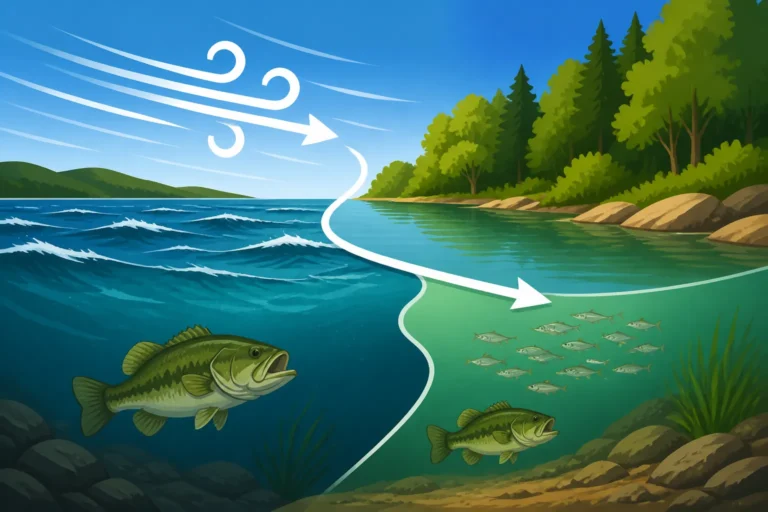
- Mud Lines: If the initial stages of the storm bring some rain that starts to muddy the water, fish often position themselves on the cleaner side of a "mud line" – the boundary between clear and turbid water. They can see out into the clearer water to hunt, while feeling secure in the murkier water. This strategy is also useful when learning How to Catch Bass in Muddy Water. Using a good fish finder, many of which can be ordered easily from Amazon, can help you quickly locate these specific features and concentrations of fish or bait. Consider exploring various Best Fishing Lakes in Tennessee and how these principles apply to them.
| Condition | Barometric Pressure | Light Conditions | Water Oxygen Levels | Typical Fish Behavior (General) | Suggested Strategy |
|---|---|---|---|---|---|
| Approaching Storm (Early) | Slowly Falling | Decreasing/Cloudy | Increasing | Increased feeding activity, bolder | Aggressive lures, target shallow cover and points |
| Imminent Storm (Late Pre-Storm) | Rapidly Falling | Dark/Low | Variable | Less active, seek deeper water | Slower presentations, deep structure. Prepare to leave. |
| During Storm | Low/Unstable | Very Low | High (turbulent) | Inactive, seek shelter, stressed | PRIORITIZE SAFETY. Do not fish. |
| Post-Storm (Clearing) | Rising | Variable | High | Resume feeding, possibly spread out | Search for active fish, adapt to water clarity; focus on fresh runoff areas |
Safety First: Prioritizing Your Well-being
While the potential for a fantastic bite before a storm is undeniable, safety absolutely must be your top priority. Tennessee weather can be unpredictable, and storms can develop or intensify rapidly. No fish is worth risking your life or limb.
- Monitor Forecasts Constantly: Before you even leave the house, check the most up-to-date weather forecast. Once on the water, keep an eye on radar via a waterproof device or a weather radio, which you can purchase from Amazon.
- Watch for Warning Signs: Don't rely solely on technology. Be observant of your surroundings: dark, ominous clouds, sudden drops in temperature, strong winds picking up, distant thunder, or lightning flashes are all clear signals to head for shore immediately.
- Know When to Retreat: If the storm appears to be moving in quickly or becoming severe, cut your trip short. It’s always better to be safe than sorry. Trying to squeeze in "one last cast" could put you in a dangerous situation.
- Essential Gear: Ensure your boat is equipped with all required safety gear, including properly fitting life jackets for every person on board. Essential Safety Gear Checklist Before a Tennessee Fishing Trip is not just a suggestion, it's a critical guide. If you're night fishing, make sure you have the proper navigation lights, as discussed in Do You Need Navigation Lights for Night Fishing in Tennessee?, before the conditions worsen.
- Lightning Risk: Being on open water or holding a carbon fiber fishing rod during a lightning storm is extremely dangerous. Seek substantial shelter on land, away from tall trees or metal objects.
Always err on the side of caution. There will always be more fish to catch, but you only have one life. Enjoy the pre-storm bite, but always do so responsibly and with a keen awareness of the weather. For additional knowledge about responsible angling, it's always a good idea to review Tennessee Fishing Regulations Explained.
Disclaimer
This article is for general informational purposes only and does not constitute professional advice. Laws, prices and regulations vary by location and change over time. Consult a qualified professional for guidance on your specific situation.