Bluegill and Panfish Guide for Tennessee Anglers
If you've ever felt overwhelmed by the thought of getting into fishing, or maybe you're a seasoned angler looking for a relaxing day on the water with guaranteed bites, then Tennessee's abundant bluegill and panfish populations are your unsung heroes. So many folks get caught up chasing trophy bass or elusive trout, but the real joy, especially for families and beginners, often lies in the feisty fight of a feisty bluegill. This guide is all about embracing the fun, accessible world of bluegill and other panfish, ensuring your next outing in the Volunteer State is filled with smiles and full stringers.
Understanding Tennessee's Panfish Family: More Than Just Bluegill
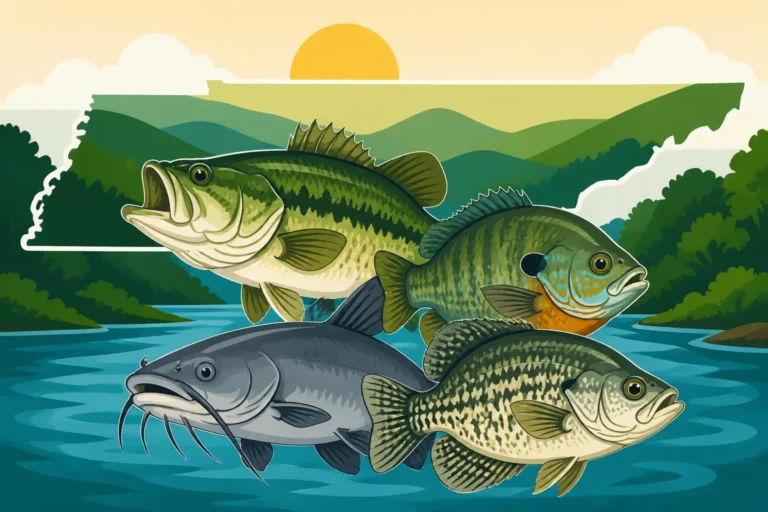
When we talk about "panfish" in Tennessee, we're really talking about a delightful group of smaller, often brightly colored fish from the sunfish family. They're called panfish because, well, they fit perfectly in a frying pan! While bluegill are undoubtedly the star of the show for many, there's a whole cast of characters that make for fantastic fishing experiences. Knowing a little about each can help you tailor your approach and appreciate the diversity biting your hook.
The Ever-Popular Bluegill
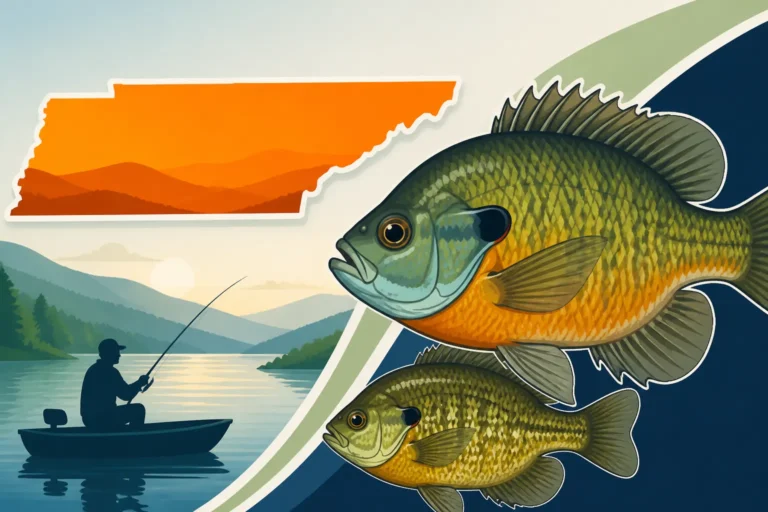
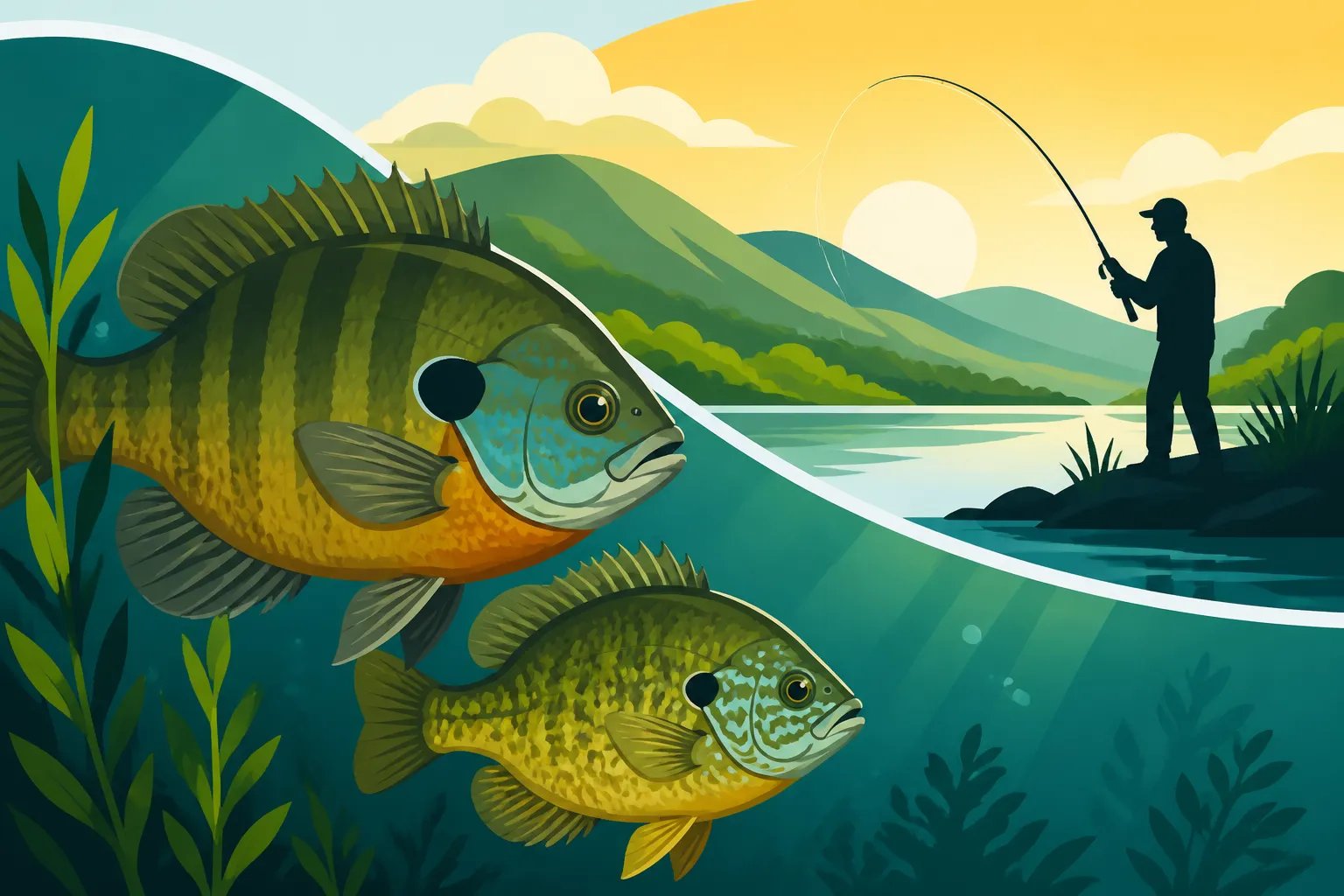
Ah, the bluegill. This is the fish that has probably introduced more kids to the joy of fishing than any other. They're truly America's sweetheart of the angling world, and Tennessee's waters are absolutely brimming with them. You can usually identify a bluegill by its deep, compressed body, small mouth, and that distinctive dark "ear flap" on its gill cover, often with a brilliant blue edge. They also typically have a dark spot at the base of their dorsal fin.
Bluegill are incredibly prolific and adaptable, thriving in a wide range of habitats from large reservoirs to small farm ponds. They're opportunistic eaters, which is why they're so easy to catch. Think about it: a fish that readily eats worms, crickets, small insects, and even tiny artificial lures? That's a recipe for a good time! Their aggressive nature, despite their size, makes for a surprisingly fun fight on light tackle. They may not be enormous, but they pull hard, especially the bigger ones, giving you that satisfying bend in your rod.
Redear Sunfish: The Shellcracker Specialists
Often living alongside bluegill, you'll find the redear sunfish, affectionately known as "shellcrackers" by many Tennessee anglers. These guys are a bit more specialized in their diet compared to the bluegill. As their nickname suggests, they have pharyngeal teeth (located in their throat) that allow them to crush the shells of snails and mussels, which are a major part of their natural diet. This makes them a fantastic biological control for snail populations in lakes and ponds!
You can usually tell a redear apart from a bluegill by its slightly larger size, often a bit more robust body, and, most notably, a distinct reddish-orange margin on the gill flap, instead of the blue or black you see on a bluegill. They tend to be a little pickier than bluegill, often preferring baits like worms or small pieces of shrimp, but once you find them, they can be just as much fun to catch. They fight with a strong, steady pull, often diving deep, making them a worthy opponent on light gear.
Other Sunfish Varieties: Longear, Green, and Warmouth
Tennessee is home to several other sunfish species that, while perhaps not as widely targeted as bluegill or redear, still contribute to the panfish bounty and can offer delightful surprises on your line. The longeared sunfish is a vibrant beauty, known for its incredibly long, dark opercular flap (the "ear flap") that can extend well past the rear edge of its gill cover, along with striking blue and orange markings. They are often found in streams and rivers, but also in some lakes.
Green sunfish are another common catch, particularly in smaller streams, ponds, and slower-moving waters. They have a slightly more elongated body than a bluegill, a larger mouth, and often a mottled green-bronze coloration. They're tenacious fighters for their size and will hit just about anything, making them great for kids. Then there's the warmouth, which resembles a small bass with its chunkier body, larger mouth, and mottled brown-green patterns. They prefer weedier, warmer waters and can be quite aggressive, often striking at small lures or minnows. All these species, when caught, offer a fun, often brightly colored, addition to your cooler.
Where to Find Tennessee's Abundant Panfish Populations
One of the best things about bluegill and panfish fishing in Tennessee is their sheer ubiquity. You don't need a fancy boat or to travel to a remote wilderness spot to find them. They are practically everywhere, making them incredibly accessible for anglers of all ages and skill levels. Knowing their preferred hangouts will definitely increase your chances of a successful outing.
Lake and Reservoir Hotspots
Tennessee's vast network of lakes and reservoirs, from the mighty Kentucky Lake to the clearer waters of Norris Lake, are prime panfish habitats. These larger bodies of water offer diverse environments that bluegill and other sunfish absolutely love. Look for them in shallower areas, especially those with some kind of cover or structure. Think about where the water meets the land and where fish might hide from predators or ambush insects.
Common hotspots include coves, shallow flats with submerged vegetation (like lily pads or hydrilla), rocky points, fallen trees, and around docks and marinas. Bluegill will often school up, especially during their spawning season, which can lead to incredible action once you locate a bed. Even in deeper lakes, they'll move into shallower areas during warmer months, typically less than 10-15 feet deep, often much shallower. Places like Percy Priest Lake near Nashville and Old Hickory Lake also boast excellent panfish opportunities, offering plenty of easy-access spots from the bank or small boats. Family-Friendly Fishing at Percy Priest Lake, Tennessee is a great resource if you're in that area.
Ponds, Creeks, and Smaller Waterways
Don't overlook the countless smaller bodies of water scattered across Tennessee. Farm ponds, local park ponds, and slow-moving creeks are absolute goldmines for panfish. These smaller waters often hold dense populations of bluegill and green sunfish, and because they're less pressured than major lakes, the fish can be quite eager to bite. These are perfect spots for a quick afternoon outing, especially if you're just looking to get a bending rod in your hands or introduce a youngster to fishing.
When fishing creeks and small rivers, look for calmer pools, eddies behind rocks, and areas with submerged logs or overhanging brush. Panfish aren't usually found in fast-moving currents, preferring the slack water where food accumulates and they can conserve energy. Many state parks also have ponds specifically managed for family fishing, often stocked with panfish and other species, providing excellent, convenient options. These smaller waterways also present fantastic opportunities for Shore Fishing Access at Percy Priest Lake, Tennessee or similar spots, allowing you to easily reach prime areas without a boat.
Identifying Panfish Habitat Features
To really hone in on panfish, you need to think like a panfish. What do they need? Food, cover from predators (like larger bass or birds), and suitable spawning areas. They are sight feeders, so clear to moderately clear water is usually preferred, but they can tolerate some turbidity. Submerged aquatic vegetation, often called weeds, is a huge draw because it provides both food (insects, small crustaceans) and protection. Overhanging trees or bushes create shade, which is especially important on sunny days, and often drop insects into the water.
Rock piles, brush piles (natural or man-made), and old submerged timber are also excellent structure. These provide nooks and crannies for them to hide and ambush prey. During the spawn, which typically happens from late spring into early summer and can repeat several times, bluegill will create visible "beds" – circular depressions in shallow, sandy or gravelly bottoms, often clustered together. If you spot these, you've hit the jackpot for consistent action. Even in winter, panfish will often school up in deeper channels or around structure in the warmest water they can find, though their feeding will slow down considerably.
Essential Gear for Panfish Angling in Tennessee
One of the most appealing aspects of panfishing is that you don't need to break the bank on expensive equipment. In fact, simpler is often better! This makes it an incredibly accessible entry point for beginners and a budget-friendly option for seasoned anglers looking for pure, uncomplicated fun.
Rods and Reels: Keeping it Light
For bluegill and other panfish, light tackle is not just a preference, it's pretty much a requirement for maximum enjoyment. A lightweight rod allows you to feel those subtle nibbles and truly appreciate the fight of even a small fish.
- Rods: A good ultralight or light action spinning rod, typically 5 to 6.5 feet long, is ideal. These rods are flexible enough to absorb the lunges of a feisty panfish but still have enough backbone to cast light baits and lures. Graphite or fiberglass rods are both great choices; graphite offers more sensitivity, while fiberglass is often more durable and forgiving. You can find excellent, affordable options that will last for years.
- Reels: Pair your ultralight rod with a small spinning reel (typically a 1000 or 2000 series size). These reels are designed for lighter lines and baits, and their smooth drag systems are crucial for preventing small hooks from pulling out of a panfish's soft mouth. Look for a reel that feels balanced with your rod and has a comfortable retrieve. Many reputable brands offer fantastic entry-level spinning combos that include both a rod and reel, perfect for getting started. You can often find a wide selection of these combos on Amazon, making it easy to get set up quickly.
Line, Hooks, and Bobbers: The Simple Setup
This is where simplicity truly shines. You don't need heavy lines or complicated rigs for panfish.
- Fishing Line: Stick to light monofilament line, usually 4 to 6-pound test. Monofilament is forgiving, ties knots easily, and has a bit of stretch, which helps cushion the fight. Heavier line is overkill and will make it harder to cast small baits, plus the fish are more likely to see it.
- Hooks: Small hooks are key. Panfish have small mouths, so anything too large will make it difficult for them to get hooked. Size 6, 8, or even 10 hooks (remember, the higher the number, the smaller the hook) are perfect. Aberdeen hooks are a popular choice because they have a long shank, making it easier to remove them from a fish's mouth, and they're thin enough to bend out if snagged, preventing you from losing your whole rig.
- Bobbers/Floats: This is the classic panfish indicator! A small, sensitive bobber is incredibly effective. Slip bobbers are great for fishing at specific depths, especially in deeper water or around submerged structure, as they allow your bait to sink unimpeded. Fixed clip-on bobbers work perfectly for shallower water. The key is to use a bobber that is just large enough to support your bait and sinker without too much resistance, so you can detect even the slightest bite.
- Sinkers: Small split shot sinkers are all you need. They add just enough weight to get your bait down to the desired depth and help with casting. Start with one or two small split shots, placed a few inches above your hook, and adjust as needed depending on current or wind conditions.
Essential Bait and Lure Options
Panfish aren't particularly picky, which is fantastic news for anglers. You've got a ton of effective options!
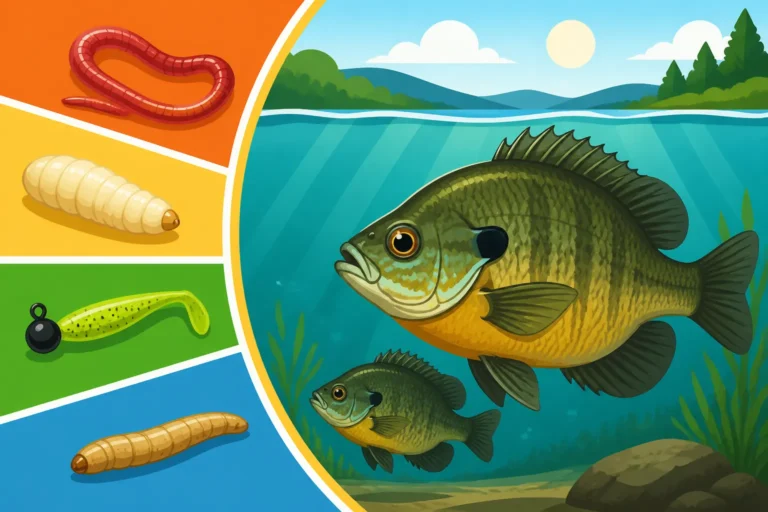
- Live Bait: This is the undeniable champion for panfish. Worms (red wigglers, nightcrawlers cut into pieces) are universally effective and readily available. Crickets are another fantastic choice, especially for bluegill and redear, and their chirping can even attract fish before they hit the water! Small minnows can work for larger panfish like crappie or bigger green sunfish, but for pure bluegill fun, stick to worms and crickets. You can often buy these at local bait shops or even larger retailers, and storing them in a small container is easy.
- Artificial Lures: Don't count out artificials! Tiny jigs (1/32 to 1/16 ounce) tipped with a small plastic grub, tube, or even just a piece of PowerBait can be incredibly effective, especially for more active fish. Micro-spoons and tiny spinners (like a Rooster Tail or a Mepps Comet) can also entice aggressive panfish. These are great if you want to be more active in your fishing, casting and retrieving to cover more water. When assembling your tackle box, consider picking up a few different colors and styles of these small lures – you can find a huge variety online, with many anglers preferring to stock up on Amazon for convenience and selection.
- Other Options: Even household items can work! Small pieces of corn, bread balls, or even tiny chunks of hot dog can tempt panfish in a pinch. The beauty is in their willingness to bite. For beginners, Best Bait for Bluegill and Panfish provides even more detail.
Mastering Panfish Techniques: Simple, Effective, and Fun
The real charm of panfishing lies in its straightforward nature. You don't need complex rigs or advanced casting techniques. The focus is on presentation and letting the fish tell you what they want. These simple methods are why panfishing is so popular for teaching new anglers and enjoying a relaxed day on the water.
The Classic Bobber and Bait Setup
This is the quintessential panfish technique, and for good reason: it works! It’s perfect for beginners, kids, and anyone who wants to enjoy a visually engaging fishing experience. The setup is simple: tie on your small hook, add a split shot or two a few inches above it, and then clip on a bobber at your desired depth.
Cast your rig near cover—those submerged logs, lily pads, or dock pilings we talked about. Watch your bobber intently. A subtle dip, a quick twitch, or a sudden disappearance means a fish has taken your bait. Give it a moment, then set the hook with a gentle upward flick of the wrist. No need for a huge, theatrical sweep; panfish mouths are delicate. This method allows you to visually track your bait and react to bites, making it incredibly exciting for kids. It’s also very forgiving, giving new anglers time to react. You can fish it from the bank, a dock, or a boat, making it truly versatile.
Bottom Fishing Without a Bobber
Sometimes, especially if you're targeting redear sunfish who often feed closer to the bottom, or if the fish are a bit deeper than your bobber allows, going without a bobber can be more effective. This technique involves a weighted line that rests on the bottom, with your bait either directly on the bottom or suspended a few inches above it.
A popular rig is a simple Carolina rig or just a hook tied directly to your main line with a small weight a foot or so above it. Cast your bait out and let it sink to the bottom. Keep a slight tension on your line and watch your rod tip for bites. Panfish bites can be very subtle when bottom fishing – a gentle tap, a slight bend in the rod tip, or even just the line going slack. This method requires a bit more feel, but it can be incredibly rewarding, especially for larger panfish that might be shying away from a surface-visible bobber. It's also great for when you want to put a specific bait, like a small piece of cut worm or a shrimp, right on the bottom where bottom-feeders are cruising.
Sight Fishing in Clear Waters
On clear days and in clear waters, especially during the spring spawning season, you might be able to see the panfish beds or even individual fish cruising. This opens up the fun world of sight fishing. It's incredibly exciting because you can cast directly to the fish you want to catch!
Walk quietly along the bank, or use polarized sunglasses from a boat, to spot those circular depressions that bluegill make, or simply see schools of fish hanging out. Once you spot them, cast your bait or a tiny jig gently a few feet beyond them and slowly retrieve it into their zone. Watch their reaction. Sometimes they'll rush the bait immediately; other times, you might need to twitch it slightly to get their attention. This is a very active and engaging way to fish, almost like hunting, and it's a fantastic way to understand fish behavior firsthand. Just remember to be stealthy – sudden movements or shadows can spook them quickly.
Jigging and Artificial Presentation
While live bait is king, don't underestimate the power of a tiny jig or spinner, especially for more active panfish. This method requires a bit more finesse and movement but can be incredibly rewarding.
- Jigging: Use a tiny 1/32 or 1/16 ounce jig head paired with a small soft plastic grub, tube, or curly tail. Cast it out and let it sink, then retrieve it with a slow, steady reel punctuated by gentle jerks or "jigs" of the rod tip. This makes the lure dart and pause, mimicking a small insect or minnow. Focus on areas where you know fish are holding, like brush piles or weed lines. The vertical presentation of jigging can be very effective when fish are concentrated.
- Spinners: Small inline spinners are also very effective, especially for covering water. Cast them out and retrieve them steadily. The blade spinning through the water creates flash and vibration that can trigger aggressive strikes. These are particularly good for green sunfish and larger bluegill.
- Tipping with Bait: If the fish are finicky, try "tipping" your artificial lure with a tiny piece of worm or a cricket. This adds scent and a natural texture, often enough to convince a hesitant fish to bite. Experimentation is key with artificials: try different colors, sizes, and retrieve speeds until you find what the fish are responding to on a given day. For more on beginner techniques, check out Bluegill Fishing Tips for Kids in Tennessee.
Seasons and Best Times for Panfish in Tennessee
Understanding when and where panfish are most active in Tennessee can significantly improve your success rate. While they can be caught year-round, certain seasons and times of day offer prime opportunities. It's all about following their natural cycles and anticipating their behavior based on water temperature and food availability.
Spring: Spawn and Post-Spawn Frenzy
Spring is arguably the best time to target panfish in Tennessee. As water temperatures rise into the 60s Fahrenheit, usually from late April through June, bluegill and other sunfish move into the shallows to spawn. This is when they are highly concentrated, aggressive, and relatively easy to catch.
During the spawn, look for those visible "beds" in sandy or gravelly areas in just a few feet of water. Males aggressively guard these nests, making them very susceptible to baits dropped right into their territory. This can lead to incredible catch rates and some of the largest panfish of the year. The post-spawn period, extending into early summer, is also fantastic. The fish are still shallow and hungry after their strenuous spawning efforts, actively feeding to replenish energy. This is a great time for both live bait and small artificials, as the fish are very active. This is also often when you find Tennessee's Free Fishing Week for Kids, which is a perfect time to take the young ones out.
Summer: Early Mornings and Evenings
As Tennessee's summer heat sets in, bluegill and panfish can become a bit more challenging to catch during the middle of the day, especially in open, shallow water. The midday sun often drives them deeper or into thick cover where they can find cooler water and shade.
Your best bet during the summer is to fish early in the morning, just after sunrise, or late in the evening, as the sun begins to set. During these cooler periods, panfish will move back into shallower areas to feed actively. Look for them in shaded spots, around dense weed beds, under docks, or near submerged timber. While they might not be as concentrated as during the spawn, they are still eager to bite a well-placed worm or cricket. Night fishing for panfish isn't as common as for catfish, but sometimes a light under a dock can attract insects, which in turn attracts panfish, creating a fun evening activity.
Fall: Transition and Feeding Frenzy
Fall is another fantastic, often overlooked, season for panfish in Tennessee. As the water temperatures begin to cool, the fish sense the impending winter and go on a feeding binge to bulk up. They become very active, chasing baitfish and insects, making them eager biters.
During the fall, panfish will often move out of the very shallow, warm areas and begin to relate more to deeper cover, channel edges, and drop-offs, especially in larger lakes. However, they will still make forays into the shallower flats during warmer parts of the day. Look for them around points, humps, and submerged structure. They'll readily take worms, crickets, and often become more receptive to small artificial lures as they actively forage. The beautiful fall foliage also adds to the enjoyment of a day on the water, making it a truly pleasant time to be out.
Winter: Slow and Deep
Winter is generally the toughest time for panfishing in Tennessee, as the cold water slows down their metabolism and feeding activity. However, it's not impossible, and often the fish you do catch can be some of the largest, as they conserve energy.
During winter, panfish will generally move to deeper waters, often congregating in large schools around thermal refuges, deep structure, or along channel breaks in reservoirs. They'll be much less active, requiring a slow, subtle presentation. Tiny jigs, often tipped with a crappie nibbler or a small piece of worm, fished vertically right on their noses, can entice bites. Look for them with fish finders if you have access to a boat, or focus on known deep-water fishing spots from the bank in areas that stay slightly warmer. Patience is key during winter panfishing, but the reward can be a stringer of plump, cold-water fish.
The Joy of Panfish: Why They're Perfect for Everyone
Panfishing isn't just about catching fish; it's about connecting with nature, sharing experiences, and finding joy in the simple things. For many, it's their first taste of fishing, and for others, it's a cherished tradition. The humble panfish plays an incredibly important role in fostering a love for the outdoors.
Beginner-Friendly and Family-Focused
Let's be honest, fishing can sometimes feel intimidating with all the specialized gear, complex techniques, and the pressure to catch something "big." Panfish fishing, however, strips away all that pressure. It's incredibly forgiving and inherently rewarding, making it the perfect gateway to the sport. Best Beginner Fish Species for Kids in Tennessee definitely highlights bluegill for a reason!
- Easy to Catch: Panfish are abundant and eager biters, meaning new anglers, especially kids, are almost guaranteed to get bites. This immediate success is crucial for building confidence and maintaining interest. Nothing squashes a child's enthusiasm faster than hours of staring at a motionless bobber.
- Simple Gear: As we've discussed, you don't need fancy equipment. A basic rod, reel, line, hook, and bobber setup is all you need. This low barrier to entry makes it affordable and accessible for everyone.
- Accessible Locations: You don't need a boat to catch panfish. Ponds, docks, and easy-access shorelines mean you can literally walk up to the water and start fishing. This makes impromptu fishing trips easy to plan.
- Fun for All Ages: While kids absolutely love the action, adults often find immense satisfaction in the simplicity and nostalgia of panfishing. It's a wonderful way to unwind, de-stress, and bond with family and friends. It's about spending quality time together, creating memories, and experiencing the thrill of a tug on the line, no matter the size of the fish.
Excellent Table Fare
Beyond the thrill of the catch, panfish are also incredibly delicious! Their white, flaky meat is mild and sweet, making them a favorite for many anglers who love to eat their catch. There's nothing quite like a meal of fresh-caught panfish, especially when prepared just hours after they came out of the water.
Frying panfish whole or as fillets (for larger ones) is a classic preparation, often involving a light breading or cornmeal crust. They cook quickly and are relatively easy to clean once you get the hang of it. For families, this adds another layer of reward to the fishing experience – not just the fun of catching, but the joy of sharing a meal you harvested yourself. It's a fundamental part of the outdoor lifestyle that many people cherish.
Conservation and Catch & Release
While panfish populations are robust, and keeping a mess of them for dinner is part of the tradition, it's also important to practice responsible angling. Catch and release plays a role, even with panfish, especially if you're targeting larger specimens or if you simply don't need to keep a lot of fish.
Handle fish gently, especially if you plan to release them. Wet your hands before touching them to protect their protective slime coat. Remove hooks quickly and cleanly. If a fish is deeply hooked, it's sometimes better to cut the line rather than try to tear the hook out. For those you plan to keep, consider bringing a small cooler with ice to keep your catch fresh until you can clean them. By being mindful of limits (like Tennessee's Crappie Limit Is 20 Per Day, Only 5 Over 12 Inches for instance, though bluegill often have no statewide size limit, only a daily creel limit) and practicing ethical handling, we ensure healthy panfish populations for future generations of Tennessee anglers.
Planning Your Tennessee Panfish Adventure
Ready to grab your gear and head out? A little planning can go a long way in making your panfish trip a memorable one. From understanding local regulations to packing the right essentials, these tips will help you make the most of your time on Tennessee's waters.
Licensing and Regulations: Stay Legal
The first and most important step before casting a line in Tennessee is ensuring you have the proper fishing license. While panfish are abundant, they are still subject to state fishing regulations.
- Tennessee Fishing License: All residents and non-residents 13 years of age and older need a valid Tennessee fishing license. Children under 13 typically do not need a license. There are various types of licenses available, from annual to short-term options, depending on your residency and how often you plan to fish. You can easily purchase or renew a license online through the TWRA website, at most sporting goods stores, or local bait shops. Tennessee Fishing License Costs and Types and Tennessee Fishing License Guide offer detailed information on specific requirements.
- Trout Stamp: While bluegill and panfish don't require a trout stamp, if you plan to fish in designated trout waters or if your license package includes trout fishing, you might need one. Always double-check the regulations for the specific body of water you intend to fish. Do You Need a Trout Permit With Your Tennessee License can clarify this for you.
- Creel Limits: While many panfish species like bluegill often have very generous daily creel limits (or sometimes none at all for smaller sunfish), it's always wise to consult the current TWRA regulations. Crappie, which are also considered panfish, do have specific size and creel limits that anglers must adhere to. These rules are put in place to ensure sustainable fish populations.
| Species | Typical Length (Inches) | Best Baits | Habitat Preference | Season Peak |
|---|---|---|---|---|
| Bluegill | 6-10 | Worms, Crickets, Jigs | Weeds, Docks, Shallow Cover, Spawning Beds | Spring-Summer |
| Redear Sunfish | 7-12 | Worms, Small Shrimp | Near Bottom, Shellfish Beds, Deeper Weeds | Spring |
| Green Sunfish | 4-8 | Worms, Crickets, Jigs | Small Streams, Ponds, Shallow Weedy Areas, Rocks | Spring-Fall |
| Black Crappie | 8-15 | Minnows, Jigs | Brush Piles, Submerged Timber, Deep Structure | Spring, Fall |
Packing Your Essentials: Beyond the Rod
A successful fishing trip, even for panfish, involves a bit more than just your rod and reel. Think about comfort, safety, and convenience.
- Sun Protection: Tennessee sun can be intense! Pack sunscreen, a wide-brimmed hat, and polarized sunglasses. Polarized sunglasses are particularly helpful for spotting fish or submerged structure in clear water.
- Water and Snacks: Stay hydrated, especially during warmer months. A small cooler with water, juice, and some easy-to-eat snacks makes a day on the water much more pleasant.
- First Aid Kit: Always a good idea to have a basic first aid kit for minor cuts, scrapes, or hook accidents.
- Pliers/Forceps: Essential for safely removing hooks from fish, especially smaller ones, and for cutting line.
- Stringer or Cooler: If you plan to keep your catch, a stringer to hold fish in the water or a small cooler with ice to keep them fresh is crucial.
- Bug Spray: Depending on the location and time of year, mosquitoes and other biting insects can be a nuisance.
- Chair or Blanket: For bank fishing, a comfortable folding chair or a blanket to sit on can make a long day much more enjoyable.
- Measuring Tape/Scale: While not always necessary for panfish, if you're interested in knowing the size or weight of your catch, these are handy. For families, Best Fishing Gear for Beginners can help you gather all the necessities.
Respecting the Environment and Fellow Anglers
Fishing in Tennessee is a privilege, and it's up to all of us to keep our waters clean and enjoyable for everyone.
- Leave No Trace: Pack out everything you pack in. This includes old fishing line, bait containers, and any food wrappers. Litter not only spoils the natural beauty but can also be harmful to wildlife.
- Be Mindful of Others: If you're fishing in a popular spot, be courteous to other anglers. Give them space, avoid casting over their lines, and keep noise levels down.
- Understand Property Rights: Always ensure you have permission to fish on private land, such as farm ponds. Public access points are clearly marked, but it's important to respect private property boundaries.
- Handle Fish Responsibly: Whether you're keeping or releasing, handle fish with care. Minimize their time out of the water, especially during hot weather.
By following these guidelines, you're not just ensuring a great day of fishing for yourself; you're contributing to the health of Tennessee's aquatic ecosystems and promoting a positive outdoor experience for the entire community.
Beyond the Basics: Taking Your Panfishing to the Next Level
Once you've mastered the basics and are consistently catching bluegill and other panfish, you might find yourself wanting to explore new challenges and refine your techniques. There's always more to learn, even with these accessible fish!
Exploring Different Panfish Species
While bluegill are a blast, remember that Tennessee offers a rich diversity of panfish. Try actively targeting redear sunfish (shellcrackers) with specific baits like small pieces of nightcrawler on the bottom, or seek out vibrant longear and green sunfish in smaller streams and creeks. Each species offers a slightly different fight and often responds to subtle variations in bait or presentation.
Don't forget about crappie, either! While often grouped separately because of their larger size and slightly different habits, crappie are technically part of the panfish family and are highly prized for their excellent table fare. Targeting crappie usually involves techniques like vertical jigging with minnows or small jigs around brush piles and submerged timber, often at different depths than bluegill. Tennessee Crappie Fishing Guide by Season is an excellent resource if you want to dive into crappie fishing specifically. The learning curve for each species adds another layer of fun to your angling adventures.
Advanced Techniques and Presentations
Even with panfish, there are ways to refine your approach. For instance, experimenting with ultralight fly fishing gear can bring a whole new dimension to bluegill fishing. Casting tiny poppers, nymphs, or wet flies to rising bluegill can be an incredibly delicate and rewarding challenge. For those sticking with spinning gear, try using unweighted baits for a more natural fall, or experiment with different retrieves for small artificials.
- Ultralight Jigging: Sometimes, a tiny jig, barely weighted, fished almost weightless under a bobber can be deadly. The slow, natural fall can entice wary fish.
- Downsizing: If fish are being picky, go even smaller on your line, hook, and bait. Sometimes dropping from 6-pound test to 4-pound, or from a size 8 hook to a size 10, makes all the difference.
- Trolling: For crappie and sometimes larger bluegill in open water, slow trolling with small jigs or minnows can be effective, especially if you have a boat. This allows you to cover a lot of water and find scattered schools of fish.
Using Technology to Your Advantage
While not strictly necessary for panfishing, some basic technology can enhance your experience, especially on larger bodies of water. A simple fish finder, even a portable, castable one, can help you locate schools of fish and identify submerged structure where they might be hiding. GPS capabilities on your phone or a dedicated unit can help you mark productive spots to return to later. Best Fish Finders for Tennessee Reservoir Fishing offers a deeper dive into options.
Learning to read maps of lakes and reservoirs, especially those showing depth contours, can give you a huge advantage in understanding where panfish might be holding at different times of the year. For example, during colder months, they might congregate along the edges of deep creek channels, and a good map can point you to these subtle underwater highways. Even for the most traditional angler, a little bit of data can help you spend more time catching and less time searching.
Teaching Others and Mentoring New Anglers
Perhaps the most rewarding "next level" of panfishing is sharing your knowledge and passion with others. Introduce a child, a friend, or a family member to the joys of catching bluegill. Witnessing their first fish, seeing their excitement as the bobber disappears, and helping them reel in their catch is an experience that often surpasses catching a trophy fish yourself.
Mentoring new anglers, teaching them about fish species, conservation, and responsible outdoor practices, is how we ensure the future of fishing. It's about passing on a legacy and creating new memories. After all, the best way to enjoy Tennessee's incredible fishing opportunities, especially for bluegill and panfish, is often in good company. You might even find yourself reflecting on your own first fishing experiences and appreciating just how impactful those initial successes were.
Disclaimer
This article is for general informational purposes only and does not constitute professional advice. Laws, prices and regulations vary by location and change over time. Consult a qualified professional for guidance on your specific situation.