Rainbow Trout Stocking Schedule Across Tennessee
If you've ever found yourself wondering where all those beautiful rainbow trout come from in our Tennessee rivers and lakes, or why some spots seem to be brimming with them while others are devoid, you're not alone. The Tennessee Wildlife Resources Agency (TWRA) works tirelessly behind the scenes to ensure our waters are stocked, providing fantastic angling opportunities. This guide is here to unravel the mysteries of the rainbow trout stocking schedule across Tennessee, giving you the inside scoop on when and where to find these vibrant fish.
Understanding Tennessee's Trout Stocking Program
Tennessee's trout stocking program is a vital part of our state's recreational fishing landscape. Many of the waters where you'll find rainbow trout simply aren't cold enough year-round, or don't have the natural habitat for these fish to reproduce on their own in sustainable numbers. That's where the dedicated efforts of the TWRA come in, ensuring that anglers, from seasoned fly casters to families enjoying a first fishing trip, have a chance to catch these popular game fish.
Why Trout Are Stocked in Tennessee
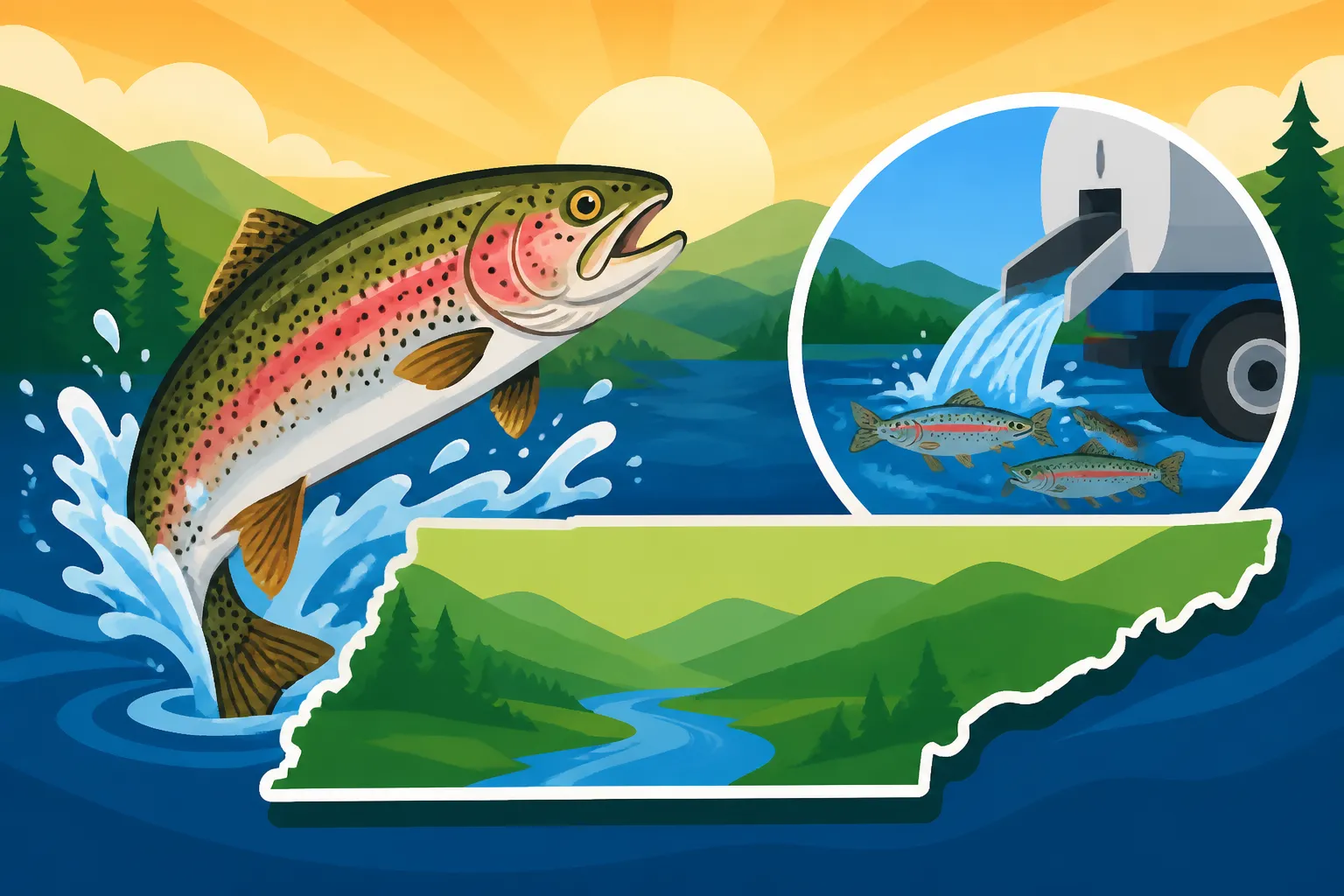
The primary reason for stocking rainbow trout in Tennessee is to create "put-and-take" fisheries. This means trout are raised in hatcheries and then released into suitable waters specifically for anglers to catch. They aren't expected to reproduce in most of these locations; rather, they are stocked to provide immediate fishing opportunities. This approach is particularly important in areas where stream temperatures rise too high in summer for trout to thrive naturally, or where natural populations are limited. It ensures a consistent supply of fish, making trout fishing accessible to more people across the state, even in areas that wouldn't typically support a wild trout population.
Think about it: without stocking, many of us wouldn't have the joy of reeling in a shimmering rainbow trout just a short drive from home. It's a way to enhance our outdoor experiences and introduce new generations to the thrill of fishing. The TWRA's hatcheries work year-round to grow these fish to a catchable size, often around 10-12 inches, before they are released.
The Role of the TWRA Hatcheries
Our state is fortunate to have several TWRA trout hatcheries, such as the Buffalo Springs Hatchery, Erwin National Fish Hatchery (federally managed but works closely with TWRA), and Flintville Hatchery. These facilities are the backbone of the stocking program. They painstakingly manage the entire life cycle of the trout, from egg to mature fish, under controlled conditions. This involves careful feeding, water quality management, and disease prevention to ensure healthy fish are introduced into our waterways.
The dedicated staff at these hatcheries are true unsung heroes, working in all seasons to ensure a steady supply of trout. Their efforts are crucial for maintaining the quality and quantity of trout fishing available in Tennessee. It's a complex operation, balancing genetics, growth rates, and environmental factors to produce robust fish that can withstand the transition to their new watery homes.
When to Expect Rainbow Trout Stocking: The Seasonal Rhythm
The timing of rainbow trout stocking in Tennessee is heavily influenced by water temperatures and angler demand. While there isn't one single "schedule" that covers every single water body at once, there's definitely a seasonal rhythm you can learn to anticipate. Generally, the cooler months are prime time for stocking, but efforts extend into other parts of the year too.
Fall Through Spring: Peak Stocking Season
If you're keen on fishing freshly stocked waters, your best bet is to focus on the period from fall through spring. This is when water temperatures are consistently cooler, making the transition less stressful for the trout and increasing their survival rate. Starting in late September or October, and continuing all the way through March and April, many of Tennessee's smaller streams, lakes, and even some urban ponds receive regular deliveries of rainbow trout.
During these months, you'll find that the TWRA is very active, moving fish from the hatcheries to dozens of locations. This is often when you'll hear about specific "fall stocking streams" or "winter stocking lakes." Anglers often find that fishing is fantastic in the days and weeks immediately following a stocking event, as the trout are often eager to bite. Rainbow Trout Stocking Season: Fall Through Spring is definitely the time to dust off your gear.
Summer Stocking and Special Events
While the majority of stocking happens in cooler weather, some waters that maintain consistently cold temperatures year-round, such as certain tailwater fisheries below dams or high-elevation mountain streams, might receive trout even in the summer months. These unique ecosystems provide the necessary cold-water refuges that trout require, even when the rest of the state is sweltering.
Beyond the regular schedule, the TWRA also coordinates special stocking events. These might be for community fishing days, youth fishing rodeos, or other recreational events designed to get people out and fishing. These special stockings are often announced well in advance and can be a fantastic opportunity for families or new anglers to experience the excitement of trout fishing in an accessible setting. Always keep an eye out for these announcements from the TWRA!
Key Stocking Locations Across the Volunteer State
Tennessee is a big state, and trout stocking happens in a diverse array of water bodies, from pristine mountain streams to urban impoundments. Knowing the types of locations that typically receive trout can help you narrow down your search for the best fishing spots.
Streams and Rivers
Our state boasts a fantastic network of streams and rivers, and many of these are regularly stocked with rainbow trout. In East Tennessee, especially near the Great Smoky Mountains, you'll find numerous streams that benefit from stocking. Areas like the Clinch River below Norris Dam are renowned tailwater fisheries that support year-round trout populations, heavily augmented by stocking. Other rivers like the Caney Fork River and the Hiwassee River also see significant stocking efforts, creating incredible opportunities for both spin anglers and fly fishermen.
These river and stream stockings are designed to provide a natural-feeling fishing experience, allowing anglers to wade or bank fish in picturesque settings. When planning a trip to one of these spots, it's always a good idea to check specific regulations, as some areas might have different Tennessee Trout Limits and Season Rules or special restrictions, particularly for fly-fishing-only sections. If you're heading out to these picturesque spots, a good pair of waders can be a game-changer – you can find a wide range of options on Amazon to suit your needs and budget.
Lakes and Ponds
Not all trout fishing happens in moving water! Many of Tennessee's lakes and ponds are also prime candidates for rainbow trout stocking, especially during the cooler months. These can range from smaller community ponds in urban areas to larger reservoir coves. The beauty of lake and pond stocking is that it often makes trout fishing very accessible. You don't always need a boat or specialized wading gear; many of these locations offer excellent bank fishing opportunities.
Examples include local city park ponds, TWRA-managed lakes, and even some smaller state park lakes. These are fantastic spots for beginners or families with young children, as the fish are often easier to locate and catch. The TWRA sometimes designates specific lakes as "winter trout lakes" which receive multiple stockings throughout the colder part of the year, offering consistent action. How to Fish for Trout in a Stocked Pond can be a really rewarding experience.
Here's a general overview of common stocking locations and their characteristics:
| Location Type | Typical Stocking Season | Angling Access | Notes |
|---|---|---|---|
| Tailwater Rivers | Year-round (peak Fall-Spring) | Wade, Bank, Boat | Cold, consistent flows; often have special regulations. |
| Small Streams | Fall-Spring | Wade, Bank | Often smaller, more intimate settings; popular with fly anglers. |
| Community Ponds | Fall-Spring | Bank | Highly accessible, great for families and beginners. |
| Reservoir Coves | Fall-Spring | Bank, Boat | Larger bodies of water; fish can spread out more. |
| State Park Lakes | Fall-Spring | Bank, Boat | Scenic, often with amenities; check park-specific rules. |
Factors Influencing the Stocking Schedule
You might wonder why the TWRA doesn't just stick to a perfectly predictable, unchanging schedule. The truth is, a lot of variables go into planning and executing a successful stocking program. It's a delicate balance of science, logistics, and responding to environmental conditions.
Water Temperature and Oxygen Levels
The most critical factor influencing trout stocking is water temperature. Rainbow trout are cold-water fish, and they simply cannot survive in water that's too warm or has insufficient oxygen. This is why you see the bulk of stocking happening from When Does Tennessee Start Stocking Rainbow Trout in Fall? all the way into spring. As summer approaches, rising temperatures force the TWRA to scale back stocking in many locations, reserving efforts for those rare, consistently cold-water spots.
High water temperatures can cause severe stress, illness, or even death for freshly stocked trout. TWRA biologists constantly monitor water conditions in potential stocking locations to ensure that when trout are released, they have the best possible chance of survival and acclimatization. This careful monitoring ensures that resources are used effectively and that the fish have a good environment.
Logistics and Hatchery Production
Operating a statewide stocking program is a massive logistical undertaking. The TWRA needs to coordinate fish availability from their hatcheries, truck transport, and the personnel to physically stock the fish into various waterways. Hatchery production can sometimes be impacted by natural factors, meaning the number of fish available might fluctuate slightly from year to year. Also, the sheer number of locations to stock requires careful planning of routes and timing.
Think of it like a complex ballet, where everything needs to be choreographed perfectly for the show to go on. Road accessibility to stocking points, truck maintenance, and staff availability all play a role. A good selection of gear like rods, reels, and tackle can be found easily online. If you need some new jigs or spinners, Amazon is a great place to browse for options that work well for stocked trout.
Weather Conditions and Water Levels
Mother Nature can throw a wrench into even the best-laid plans. Heavy rainfall can cause rivers to swell and become muddy, making it unsafe for stocking crews and potentially stressful for the fish being released. Conversely, drought conditions can lead to critically low water levels in streams and ponds, making them unsuitable for stocking. The TWRA often has to adjust schedules on the fly based on prevailing weather patterns and hydrological conditions.
For example, a sudden cold snap might delay stocking if the roads become impassable, or a period of prolonged dry weather might mean certain smaller streams are temporarily removed from the stocking list. These aren't arbitrary changes; they're decisions made to ensure the welfare of the fish and the safety of the stocking teams.
How Anglers Can Stay Up-to-Date on Stocking Information
You don't have to guess where and when the next trout delivery is happening! The TWRA provides several excellent resources to help anglers stay informed. Knowing these resources is key to planning a successful trout fishing trip.
TWRA Website and Social Media
The official Tennessee Wildlife Resources Agency website is your absolute best friend for stocking information. They typically have a dedicated section for trout stocking, which is updated regularly. This is where you'll find the most up-to-date schedule, often broken down by region or specific water body. They often list the dates of recent stockings and sometimes even upcoming plans.
Beyond the website, the TWRA maintains active social media channels. Following them on platforms like Facebook or Twitter can provide real-time updates, photos of recent stockings, and important announcements that might affect your fishing plans. It’s a great way to get immediate notifications directly to your phone.
Local Bait Shops and Outdoor Retailers
Never underestimate the power of local knowledge! Your local bait and tackle shop owners, as well as staff at larger outdoor retailers, are often in the know. They live and breathe fishing, and they often have direct contact with TWRA personnel or hear about stocking events through their angling network. A quick chat with them can reveal invaluable insights into recent stockings or local hotspots that are fishing well.
These folks are part of the angling community, and they're usually happy to share tips and information, especially if you're buying some bait or tackle from them. They might even be able to tell you what specific lures or Best Bait for Rainbow Trout Fishing have been effective on freshly stocked fish.
Community Fishing Programs and Hotlines
In some areas, especially around larger metropolitan centers, the TWRA might run specific "Community Fishing Programs" that include regular trout stockings in easily accessible ponds. These programs often have dedicated web pages or even a hotline where you can get information tailored to those specific local spots. These are excellent resources for urban anglers or families looking for convenient fishing opportunities.
Always check to see if your local municipality or county parks department partners with the TWRA for any such programs, as they can sometimes offer additional details on stocking events in your immediate area. And remember, you'll need a Tennessee Fishing License Guide to participate in all these fantastic opportunities.
Maximizing Your Chances: Fishing Freshly Stocked Waters
Okay, so you've got the schedule, you know where the trout are going. Now, how do you make the most of it? Fishing freshly stocked waters can be a blast, but a few tips can help you increase your catch rate.
Gear Up Properly
Before you even leave the house, make sure your gear is in order. For stocked rainbow trout, you don't necessarily need heavy-duty equipment. A light to ultralight spinning rod and reel combo, spooled with 4-6 pound test line, is often perfect. This setup allows for sensitive bites and offers good sport. If you're into fly fishing, a 3-5 weight fly rod is generally sufficient for most stocked trout.
Don't forget the essentials: a small selection of artificial lures like inline spinners (think Rooster Tails or Mepps), small spoons, or soft plastics designed for trout. PowerBait, corn, or small worms are also classic bait choices. A small net is also a good idea, especially one with rubberized mesh to protect the fish if you plan on releasing them. You can find a vast array of these fishing essentials, from rods and reels to a good fishing net, on Amazon.
Best Techniques for Stocked Trout
Stocked trout are often less wary than their wild counterparts, at least initially. They're used to being fed regularly, so they're often quite opportunistic feeders.
- Spin Fishing: For spin anglers, casting and retrieving small inline spinners or spoons can be incredibly effective. Vary your retrieve speed until you find what works. If the fish are sluggish, try bait fishing with PowerBait or corn fished off the bottom with a small sinker and a short leader, or suspended under a bobber. Best Lures for Stocked Rainbow Trout will often mimic their hatchery food.
- Fly Fishing: Fly anglers can have great success with attractor patterns like Woolly Buggers, or small nymph patterns that imitate common aquatic insects. Often, the key is simply getting a good drift. Don't be afraid to try brightly colored flies initially; stocked trout aren't always picky. Best Fly Patterns for Stocked Trout are often readily available.
Ethical Angling and Regulations
While it's exciting to catch a lot of fish, always remember to practice ethical angling. If you're going to keep fish, only take what you plan to eat and adhere strictly to the daily Tennessee Trout Limits and Season Rules. If you're releasing fish, handle them gently with wet hands, and try to minimize their time out of the water. Barbless hooks can also make releasing fish easier and reduce harm.
Make sure you have your How to Get a Tennessee Fishing License before you cast a line. Most stocked waters fall under general statewide regulations, but some specific areas, especially tailwaters or designated trout streams, might have unique rules regarding tackle, catch limits, or even whether you can keep fish. Always check the TWRA regulations guide for the specific water body you plan to fish to avoid any unintentional violations.
Table: General Stocking Timeline by Region
While specific dates change, here's a general idea of when different regions in Tennessee often see their primary rainbow trout stocking efforts:
| Region | Primary Stocking Period | Common Water Types Stocked | Example Locations (General) |
|---|---|---|---|
| East Tennessee | Fall, Winter, Spring (Year-round for tailwaters) | Rivers, Streams, Reservoirs, Ponds | Clinch River, Hiwassee River, Little River |
| Middle Tennessee | Fall, Winter, Early Spring | Rivers, Reservoirs, Community Ponds | Caney Fork River, Harpeth River, Local Ponds |
| West Tennessee | Winter, Early Spring | Community Ponds, Some Lakes | Various city/county ponds, small lakes |
This guide should give you a solid foundation for understanding the nuances of Tennessee's rainbow trout stocking program. With a little planning and the right information, you'll be well on your way to enjoying some fantastic trout fishing in the Volunteer State.
Disclaimer
This article is for general informational purposes only and does not constitute professional advice. Laws, prices and regulations vary by location and change over time. Consult a qualified professional for guidance on your specific situation.