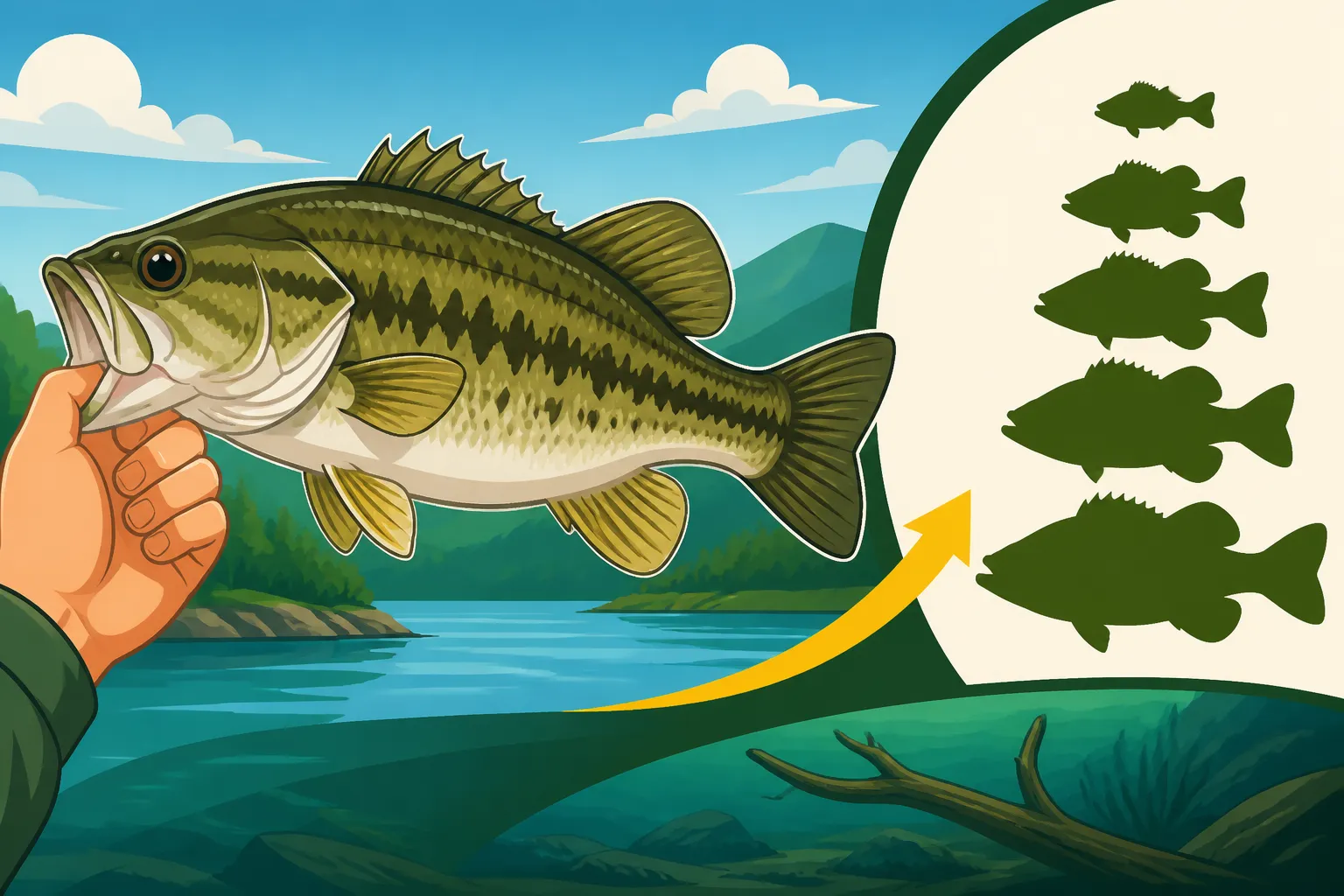
Spotted Bass Size and Growth Expectations
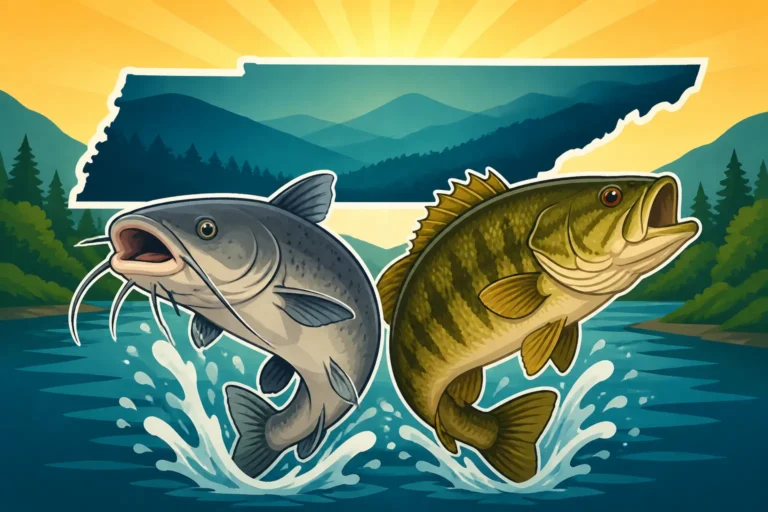
It's a common dilemma for anglers in Tennessee: you pull in a beautiful bass, and while it definitely puts up a fight, you find yourself wondering, "Is this a really big spotted bass, or just an average one?" Understanding the typical size and growth expectations for spotted bass in our Tennessee waters can really help set your expectations and even refine your fishing strategies. This guide will dive deep into what you can realistically expect from spotted bass in terms of their dimensions, how fast they grow, and what factors in their environment contribute to their size.
Understanding the Spotted Bass: More Than Just a Smaller Cousin
Before we talk about how big spotted bass get, let's really nail down what we're talking about. The spotted bass, often affectionately called a "spot" or "Kentucky spotted bass" in our neck of the woods, is a distinct species that can sometimes get confused with its more famous relatives, the largemouth and smallmouth. But make no mistake, spots have their own unique characteristics and growth patterns that make them a fantastic target for anglers across Tennessee. They might not reach the sheer trophy size of some largemouth bass, but they often make up for it with their scrappy fighting spirit and a tendency to school up, offering exciting action.
Identifying Your Catch: Spotted Bass vs. Other Bass
One of the biggest hurdles in understanding spotted bass size is often correctly identifying them in the first place. Many anglers new to Tennessee's waters, or even seasoned veterans in a new area, might mistake a small largemouth for a spotted bass, or vice versa. The key features to look for on a spotted bass include a patch of teeth on its tongue (a rough patch you can feel with your finger), a jawline that typically doesn't extend beyond the eye (unlike a largemouth), and distinct rows of dark spots below a lateral line that usually look like faint, diamond-shaped blotches. Unlike the smallmouth, which has a distinct bronzy color and vertical bars, the spotted bass often has a greener, sometimes yellowish tint. Knowing these distinctions is crucial because if you're measuring a "spotted bass" that's actually a young largemouth, your size expectations will be way off! For a more detailed look, check out Spotted Bass Identification in Tennessee Reservoirs.
Why Size and Growth Matter for Anglers
Understanding the typical size and growth expectations of spotted bass isn't just about bragging rights; it's genuinely helpful for your fishing approach. If you know that a 15-inch spotted bass is considered a really solid fish in a particular lake, you'll adjust your gear, lures, and even your mental game. You might opt for lighter tackle that maximizes the fight, rather than trying to overpower them with heavy-duty largemouth gear. Knowing their growth patterns also helps manage expectations for different waterways. Some lakes simply have the right conditions for spots to grow larger and faster, while in others, they might remain on the smaller side. This knowledge can guide you to specific fishing locations known for quality spotted bass, rather than just chasing records that might not exist for this particular species in that water.
Typical Size Ranges and Growth Rates in Tennessee
Let's get down to the numbers that most anglers are really looking for. Spotted bass in Tennessee typically don't reach the immense sizes of their largemouth cousins, but they can still grow into impressive fish that offer a thrilling fight on appropriate tackle. Their growth is influenced by a myriad of factors, making each body of water a unique case study.
Average Length and Weight Expectations
For most anglers in Tennessee, a "good" spotted bass will fall into the 12 to 15-inch range, often weighing between 1 to 2.5 pounds. A spotted bass pushing 3 pounds and beyond 16 inches is generally considered a trophy-class fish in many of our impoundments and rivers. While we've all heard tales of giant bass, the state record spotted bass in Tennessee is significantly smaller than the largemouth record, highlighting their inherent biological limits on size. However, don't let that deter you! A 3-pound spotted bass can pull harder pound-for-pound than many 5-pound largemouth, especially in current.
Here's a general guide to spotted bass sizes you might encounter:
| Size Category | Length (inches) | Weight (pounds) | Description |
|---|---|---|---|
| Small/Young | 6-10 | 0.5-1 | Common, active, great for learning. |
| Average Keeper | 11-14 | 1-2 | Solid, healthy fish, good action. |
| Good/Large | 15-17 | 2.5-3.5 | Desirable catch, puts up a strong fight. |
| Trophy Potential | 18+ | 4+ | Rare, exceptional fish for Tennessee waters. |
Remember, these are averages, and conditions in specific lakes can cause fish to be slightly larger or smaller. Always check the specific regulations for the water you're fishing, as some impoundments might have slot limits or specific size rules for bass, including spots.
How Fast Do Spotted Bass Grow?
The growth rate of spotted bass is a fascinating subject and one that greatly impacts the fishing experience. In their first year, spotted bass can grow quite rapidly, reaching lengths of 6-8 inches. After that, their growth typically slows down. Achieving those trophy sizes of 3-4 pounds can take several years, often 5 to 7 years or even more, depending on the environment. Early rapid growth is often fueled by an abundance of small prey fish and insects. As they mature, their diet shifts to larger forage, and their metabolic rate slows, meaning it takes more effort and time to add significant length and weight. Water temperature also plays a massive role; spots in warmer, nutrient-rich reservoirs with a long growing season will generally outgrow those in colder, less fertile rivers. You can often find resources on sites like Amazon that offer detailed regional fishing guides which might touch upon specific growth rates for bass in particular Tennessee waters.
Factors Influencing Spotted Bass Growth
Just like humans, fish don't all grow at the same rate or to the same maximum size. There's a whole host of environmental and biological factors that play into how big a spotted bass will get in any given Tennessee waterway. Understanding these factors can help you predict where you might find larger fish and why certain areas produce more consistently.
Diet and Forage Availability
This is perhaps the most critical factor. A spotted bass needs a consistent and high-quality food source to grow large. Lakes and rivers with abundant forage fish like threadfin or gizzard shad, alewives, or plentiful populations of bluegill and other panfish tend to produce bigger, healthier spotted bass. If the spots have to compete heavily for limited food, their growth will be stunted, and they might mature at smaller sizes. Conversely, in systems where there's an explosion of baitfish, spotted bass can pack on the pounds quickly. Areas like Watts Bar Lake or Chickamauga Lake, known for their abundant baitfish, often see faster growth rates in many fish species, including bass. Tennessee's Top Bass Fishing Lakes often highlight spots with superior forage.
Water Quality and Habitat
Clean, well-oxygenated water is essential for healthy fish growth. Pollution or prolonged periods of low oxygen can stress fish, slowing their growth and even leading to disease. Spotted bass prefer clear to moderately turbid water and are often found around rocky structures, ledges, points, and humps. Lakes with diverse habitats offering plenty of cover and ambush points, as well as distinct deep-water areas for summer and winter holding, provide optimal conditions for spotted bass to thrive. Reservoirs with stable water levels and good inflow/outflow patterns generally offer more consistent conditions for growth. Understanding Spotted Bass Habitat in Tennessee Lakes is key to finding where these factors converge.
Fishing Pressure and Genetics
Fishing pressure can certainly impact the average size of fish. In heavily fished areas, larger, older fish are more likely to be removed from the population, meaning fewer individuals reach maximum size. While catch-and-release practices help, repeated stress from being caught can still affect a fish's growth. On the genetic side, some populations of spotted bass simply have the genetic predisposition to grow larger than others. Just like humans, there's a natural variance. A spotted bass from a strain known for reaching larger sizes, combined with optimal environmental conditions, will have the best chance of becoming a true trophy. Furthermore, the overall health of the ecosystem and the specific genetics of a fish population are intertwined; a robust population often indicates a healthy gene pool.
Comparing Spotted Bass Size to Other Bass Species
When we talk about "bass" in Tennessee, it's a broad category. Anglers are usually targeting largemouth, smallmouth, or spotted bass. While they share some similarities, their typical size and growth expectations are quite different, and understanding these distinctions is important for setting realistic goals and appreciating each species for what it is.
Spotted Bass vs. Largemouth Bass
The largemouth bass is generally the largest of the three primary black bass species in Tennessee. It's not uncommon to catch largemouth in the 3-5 pound range in many Tennessee lakes, and trophy largemouth can easily exceed 8-10 pounds, with the state record being significantly higher than that of spotted bass. Spotted bass, as discussed, typically top out around 3-4 pounds. The difference in potential maximum size is primarily due to genetics and diet; largemouth simply have the biological capacity to grow larger and often target bigger prey items earlier in their life. However, spotted bass often inhabit deeper, clearer water than largemouth, and their schooling behavior means you can sometimes catch more of them in a single outing. If you're looking for sheer size, the largemouth is usually your best bet, but if you want consistent action and a feisty fight on lighter tackle, spots are fantastic. Learning How to Identify a Largemouth Bass in Tennessee is helpful for telling them apart.
Spotted Bass vs. Smallmouth Bass
Smallmouth bass, often regarded as the hardest-fighting freshwater fish pound-for-pound, can also grow larger than spotted bass, though typically not to the extent of largemouth. In Tennessee, a healthy smallmouth can easily reach 3-5 pounds, and trophy smallmouth can push 6-8 pounds, especially in lakes like Dale Hollow. The state record smallmouth is considerably larger than the spotted bass record. Smallmouth are known for their bronze coloration and tend to prefer cooler, clearer water with rocky or gravel bottoms, often in rivers and specific reservoirs like Norris Lake. Spotted bass, while also enjoying rocky areas, are a bit more adaptable to a wider range of habitat conditions. While a 16-inch spotted bass is a true giant, a 16-inch smallmouth is a fantastic fish, but not necessarily a "trophy" in the same rare sense. Knowing How to Identify Tennessee's State Fish, the Smallmouth Bass is crucial for distinguishing these hard-fighting species. For a direct comparison of features, check out Spotted Bass vs Largemouth Bass: Key Differences.
Implications for Angling and Gear
Because of these size differences, your gear choices might shift. For spotted bass, many anglers opt for medium-light to medium action spinning gear with lighter lines (6-10 lb test). This setup allows for longer casts with smaller baits, and it truly lets you feel the fight of a feisty 2-pound spot. When targeting larger largemouth, you might reach for heavier baitcasting gear with 15-20 lb line. For smallmouth, a versatile medium action spinning or baitcasting rod is often preferred to handle their powerful runs. You can find a vast array of appropriate tackle on platforms like Amazon, from ultralight rigs perfect for panfish and smaller spots, to heavy-duty setups for monster largemouth. Matching your gear to the target species and its expected size range will significantly enhance your fishing experience and success. The techniques also adapt; smaller jigs, finesse worms, and crankbaits often shine for spotted bass, while larger swimbaits and heavy jigs are more common for trophy largemouth.
Disclaimer
This article is for general informational purposes only and does not constitute professional advice. Laws, prices and regulations vary by location and change over time. Consult a qualified professional for guidance on your specific situation.