The Tennessee Trout Season Split Explained: March to September vs October to February
It can be incredibly frustrating to plan a fishing trip to Tennessee, only to realize that the rules for something as specific as trout can change dramatically depending on the time of year. You’ve probably heard whispers about different seasons or wondered if the limits are the same year-round, making you feel like you need a law degree just to cast a line. This comprehensive guide is here to untangle the Tennessee trout season split, explaining why it exists, what it means for your fishing plans, and how to successfully navigate both distinct periods to make the most of your angling adventures.
Understanding the Tennessee Trout Season Split
Tennessee, with its incredible diversity of waterways, from pristine mountain streams to sprawling reservoirs, offers fantastic trout fishing opportunities. But what often confuses anglers, especially those new to the state or visiting, is that the "trout season" isn't a single, continuous stretch. Instead, the Tennessee Wildlife Resources Agency (TWRA) implements a two-tiered system, splitting the year into very distinct periods: March through September and October through February. This isn't just a bureaucratic quirk; it's a carefully designed strategy to balance conservation efforts for wild trout populations with opportunities for recreational angling, particularly for stocked trout. Ignoring these distinctions can lead to a less successful trip or, worse, unintended violations.
The March to September Season: General Regulations and Stocking Focus
During the warmer months, roughly from March to September, Tennessee's trout regulations tend to be more generalized across various waters, often aligning with a statewide default. This period is heavily influenced by the TWRA's robust stocking programs. Many rivers and streams that can support trout are regularly stocked with rainbow trout, and sometimes brown and brook trout, to enhance recreational fishing. The goal here is to provide abundant opportunities for anglers to catch and keep trout, making it an excellent time for families and those who enjoy a productive day of fishing.
The regulations during this period typically reflect the availability of these stocked fish. For instance, the general statewide daily creel limit for trout is set at seven fish per day, with specific allowances for different species, such as a limit of two brown trout within that total. This generous limit allows anglers to take home a nice stringer, and it's a time when you’re more likely to encounter cooperative, recently stocked fish eager to bite. It’s the period where you can often rely on general rules without needing to dive too deep into hyper-specific water regulations, though always double-check.
The October to February Season: Water-Specific Rules and Wild Trout Emphasis
As the calendar turns from September to October and the air begins to cool, Tennessee's trout season transitions dramatically. The October to February period sees a shift from broad, statewide regulations to much more localized, water-specific rules. This change is fundamentally driven by two key factors: the natural spawning cycles of wild trout and the environmental conditions that make certain waters prime habitat for these native and naturalized populations during colder months.
Many of Tennessee's most prized wild trout streams, particularly those in the higher elevations or with consistent cold-water flows, enter their spawning periods in the fall and winter. To protect these vulnerable populations and ensure their sustainability, the TWRA implements more restrictive regulations on specific stretches of water. You'll often find special regulations like catch-and-release only, artificial lures only, or reduced creel limits on these designated "special regulation" waters. This means that while some streams might still allow for a small harvest, others are strictly managed for the protection and propagation of wild trout, demanding a different approach and mindset from anglers. It’s crucial to understand that during this time, a blanket statewide limit simply doesn't apply; you must know the rules for the exact section of water you plan to fish.
Diving Deep into March to September Regulations
The "warm season" for trout fishing in Tennessee, spanning from March to September, is often seen as the more approachable period for many anglers. This is when the TWRA really focuses on getting stocked fish into accessible waters, providing plenty of action for those looking to enjoy a day on the stream or lake. It's a time of relative consistency in regulations, making planning a trip somewhat simpler, but there are still important details to grasp.
Statewide Daily Limits and Size Restrictions
During this primary trout season, the overarching rule for most waters is a daily creel limit of seven trout. This generous allowance is designed to maximize angler enjoyment and enable harvest, given the steady supply of stocked fish. However, it's not a free-for-all when it comes to species. Within that seven-fish limit, there's a crucial sub-limit for brown trout: you're allowed to keep no more than two brown trout per day. Rainbow trout and brook trout typically make up the rest of the limit. This differentiation exists because brown trout, while stocked, also have significant wild populations in many Tennessee streams, and a slightly more conservative approach helps manage their numbers.
What's often overlooked by new anglers are the subtle nuances. While there isn't usually a statewide minimum size limit during this period for rainbow or brook trout, many individual waters might have their own specific regulations. For instance, some of the larger trophy trout streams might impose an 18-inch minimum for brown trout or even specific slot limits. It’s easy to get caught up in the excitement of a bite, but taking a moment to confirm the specific rules for your chosen spot, especially if it’s a well-known trout fishery, is paramount. This adherence to both general and localized rules is part of what makes Tennessee Fishing Regulations Explained so important to review before you head out.
The Role of Stocking During Warmer Months
The sheer volume of trout fishing opportunities during the March to September season is largely thanks to the Tennessee Wildlife Resources Agency's extensive trout stocking program. Throughout the spring and into early summer, thousands of hatchery-raised rainbow, brown, and brook trout are released into rivers, streams, and even some public lakes and ponds across the state. This initiative ensures that even waters that might not naturally sustain year-round trout populations due to warmer temperatures still offer fantastic fishing.
These stocking efforts are strategic, often targeting popular, easily accessible locations near urban centers like Nashville, Knoxville, and Chattanooga, as well as renowned mountain streams. The timing of stocking runs often coincides with peak recreational periods, such as weekends and holidays, to maximize angler success. Anglers often keep an eye on the Tennessee Trout Stocking Schedule and Season to plan their trips around these releases. It's a fantastic way to introduce new anglers, especially kids, to the sport, as stocked trout tend to be less wary and more aggressive feeders. You might even consider picking up a beginner-friendly spinning rod and reel combo, easily found on Amazon, for these highly anticipated stocking events.
Popular Streams and Lakes for Summer Trout Fishing
During the warmer March to September season, many of Tennessee's renowned trout waters truly shine, offering diverse experiences from serene mountain streams to more open tailwaters. One of the crown jewels is the Clinch River below Norris Dam, which remains a cold-water haven year-round thanks to the dam's deep-water release. It’s famous for its prolific hatches and the chance to catch impressive rainbow and brown trout. Another highly popular spot is the Caney Fork River below Center Hill Dam, known for its consistent trout populations and ease of access. Here, you'll often find anglers wading or drifting, targeting stocked and wild fish alike.
Beyond these tailwaters, many smaller streams throughout the Great Smoky Mountains National Park and Cherokee National Forest offer excellent opportunities. While the park has its own specific regulations, many of the surrounding streams, like those fed by the Hiwassee River, are part of the TWRA's stocking program during the spring and summer. These locations provide a more traditional "trout stream" experience, often requiring a bit more hiking and finesse, but rewarding anglers with beautiful catches in stunning natural settings. For those interested in expanding their horizons, a deeper dive into Tennessee's Best Trout Streams can reveal even more prime locations during this active period.
Navigating October to February's Unique Challenges
The transition into the colder months, from October through February, brings a completely different set of rules and a new kind of challenge for Tennessee trout anglers. This isn't just a slight adjustment; it's a fundamental shift in how, where, and why you can fish for trout. Many experienced anglers actually prefer this season, as it often means fewer crowds and a greater focus on the art of catching wild, wary trout.
Why Regulations Become Water-Specific in Colder Weather
The most significant change in the October to February period is the move from a general statewide trout limit to highly localized, water-specific regulations. This shift is primarily driven by the biological needs of wild trout. Fall and winter are critical spawning times for brown trout, and to a lesser extent, brook trout, which are native to Tennessee's cold-water streams. During these months, these fish migrate to specific areas to reproduce, making them vulnerable.
To protect these spawning populations and ensure future generations of wild trout, the TWRA designates many key wild trout waters as "special regulation" areas. This can mean strict catch-and-release rules, limitations on tackle (often artificial lures only with single, barbless hooks), or significantly reduced creel limits, sometimes as low as one fish per day. These regulations are designed to minimize stress on spawning fish and prevent overharvest, allowing wild populations to thrive. It’s a conservation-first approach that directly impacts where and how anglers can fish, making it absolutely imperative to check the specific rules for any river or stream segment before casting a line. This is the heart of How the Trout Season Splits Between Spring and Fall in Tennessee, highlighting the state's commitment to both recreation and conservation.
Targeting Wild Trout and Catch-and-Release Zones
For many dedicated trout anglers, the October to February season is when the real game begins: the pursuit of wild trout. Unlike their hatchery-raised counterparts, wild trout are incredibly elusive and require a refined skill set. These fish have adapted to their natural environments, developing keen senses and a cautious demeanor. During this colder period, particularly in catch-and-release zones, the focus isn't on filling a cooler but on the challenge of outsmarting a truly wild fish and the satisfaction of a successful release.
Catch-and-release zones, often found on prime wild trout waters like specific sections of the Caney Fork or quality streams within the Cherokee National Forest, become popular destinations. Anglers using fly rods or light spinning gear with artificial lures become common. The emphasis here is on minimizing harm to the fish; using single, barbless hooks, landing fish quickly, and handling them gently are all part of the unwritten code. It’s a rewarding experience that connects anglers directly with the health of the ecosystem and fosters a deep respect for the resource. Many find specialized fly-fishing gear, including waders and specific fly patterns for trout, available through online retailers like Amazon, to be essential for these nuanced outings.
Essential Gear and Tactics for Winter Trout
Fishing for trout in Tennessee during the colder October to February months demands some adjustments to your gear and tactics. Water temperatures drop, fish metabolism slows, and trout often hold in deeper, slower pools, conserving energy. This means your approach needs to be more subtle and precise than during the warmer, more active stocking season.
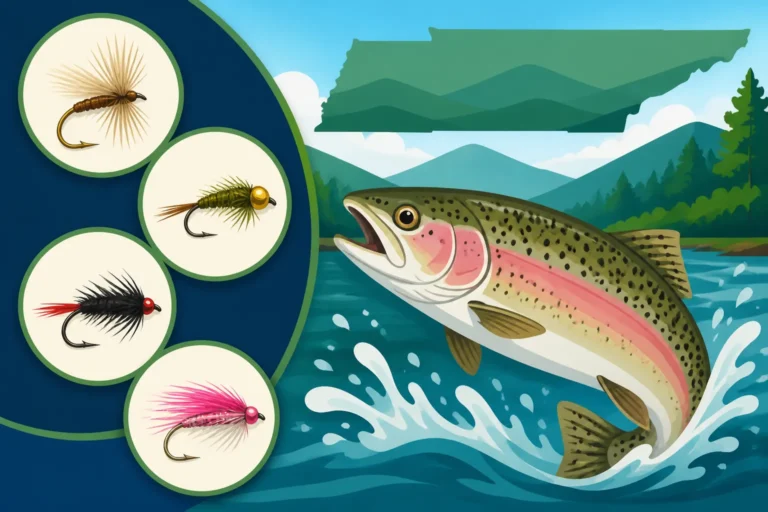
When it comes to gear, finesse is key. Lighter line, in the 2-4 pound test range, is often necessary to avoid spooking wary fish. For bait anglers, small offerings like Berkley PowerBait or corn, if permitted, can be effective, but often, artificial lures become the go-to. Small inline spinners, micro-jigs, and spoons are excellent choices for spinning gear. For fly fishermen, the colder months are prime time for nymphing. Patterns mimicking aquatic insects like Midges, Pheasant Tails, and Hare's Ears are incredibly productive. During this time, fish are less likely to chase and more likely to feed opportunistically on subsurface fare. Warm clothing is also non-negotiable; layering is crucial, and waterproof waders can make a huge difference in comfort, especially when fishing chilly tailwaters. A good pair of insulated waterproof gloves, easily found on Amazon, can save your fingers from freezing. Consider exploring Fly Fishing Basics for Trout or Spin Fishing Techniques for Trout for more in-depth strategies.
Key Differences and Why They Matter to Anglers
Understanding the Tennessee trout season split isn't just about memorizing dates; it's about appreciating the underlying reasons for the differences and how those impact your strategy on the water. The shift from a harvest-oriented, stocked fishery to a conservation-focused, wild trout pursuit fundamentally changes the angling experience.
Stocked vs. Wild Trout Opportunities
The most palpable difference between the March-September and October-February seasons is the primary target species and their origin. During the warmer months, most anglers are primarily chasing stocked trout. These fish, raised in hatcheries, are often less wary, more accustomed to human presence, and more aggressively take a wider range of baits and lures. This makes the spring and summer an excellent time for beginners, families, and those seeking a higher probability of catching fish to take home. The focus is often on high-volume action in easily accessible waters.
Conversely, the colder season from October to February emphasizes wild trout. These fish are born and raised in the stream, having survived predators, floods, and lean times. They are inherently more cautious, exhibit natural instincts, and are often concentrated in specific habitats. Catching a wild trout is considered a significant achievement by many experienced anglers, often requiring more technical skill and a deeper understanding of trout behavior. While some stocked trout may still be present, especially from late-season stockings that carry over, the core experience shifts to the challenge of a truly wild adversary. This distinction is crucial for setting expectations and choosing the right gear and approach.
Gear and Technique Adjustments Across Seasons
The changing nature of the trout populations and their behavior across the seasons necessitates significant adjustments in gear and technique. In the March to September period, when stocked fish are abundant and aggressive, a wide range of tackle can be effective. Spin fishing with PowerBait, corn, worms, or aggressive lures like rooster tails often yields excellent results. Fly anglers might find success with larger, flashier attractor patterns, dry flies during hatches, or simple nymph rigs. The fish are often spread throughout the water column and are more forgiving of less precise presentations.
As winter sets in (October to February), the approach becomes much more refined. Wild trout, with their heightened wariness and slower metabolism, demand finesse. Light tackle is paramount. Spin fishermen might switch to micro-jigs, tiny spoons, or very small inline spinners, often paired with light line. Fly anglers heavily rely on nymphing in deep, slow pools, using small, subtle patterns and highly sensitive strike indicators. Streamer fishing can also be effective, mimicking baitfish in colder water. Presentations become slower, more deliberate, and often require a stealthier approach to avoid spooking fish. Your tackle box on Amazon might see a seasonal rotation to accommodate these differing needs.
Planning Your Tennessee Trout Fishing Trips Effectively
Effective trip planning is vital when considering Tennessee's split trout season. For the March to September period, your planning can be somewhat more relaxed. Focus on identifying stocked waters near your location and checking the TWRA stocking schedules. These trips are often about quantity and enjoyment, making them perfect for spontaneous outings or family adventures. You'll likely encounter more anglers, especially on weekends, but the chances of success are generally high.
However, planning for the October to February season requires a much more granular approach. The absolute most important step is to thoroughly research the specific regulations for your chosen body of water. Many prime wild trout streams have special regulations that can change from one bridge crossing to the next. Failing to do this could result in fines or a very short, unproductive day. Beyond regulations, consider weather conditions, access points (which might be affected by ice or snow), and the specific type of trout you're targeting. This season often rewards solitary exploration and a more patient, technical style of fishing. This level of detail in planning ensures you're ready for Tennessee Fishing Rules Every Angler Should Know, especially when it comes to trout.
| Feature | March to September Season | October to February Season |
|---|---|---|
| Primary Focus | Stocked Trout (Rainbow, Brown, Brook) | Wild Trout (Brown, Brook, some Rainbow) |
| Regulations | Generally Statewide (7 fish daily, 2 brown max) | Water-Specific (Catch-and-release, lower limits, artificial lures only common) |
| Trout Source | Heavily reliant on TWRA stocking programs | Emphasis on natural reproduction and wild populations |
| Angler Experience | Often higher catch rates, good for beginners/families, harvest-oriented | More challenging, technical, rewarding for experienced anglers, conservation-oriented |
| Common Tactics | Bait fishing, lures (spinners, spoons), dry flies, general nymphing | Finesse nymphing, small streamers, micro-jigs, precise presentations |
| Gear Needs | Versatile spinning/fly gear, general tackle | Lighter lines, smaller lures/flies, sensitive rods, warm layering, specialized fly gear |
| Crowd Levels | Generally higher, especially after stockings | Typically lower, more solitary experience |
| Key Advantage | Abundant harvest opportunities, easy access | Challenge of wild fish, scenic solitude, conservation focus |
Licenses, Permits, and Other Considerations
Understanding the seasonal split for trout in Tennessee goes hand-in-hand with knowing the necessary legal requirements to fish. It's not just about what lures to use or where to cast; it's about ensuring you're fishing legally and responsibly.
Do You Need a Trout Permit With Your Tennessee License
This is a question that often trips up even seasoned anglers from other states. Yes, if you plan to fish for trout in Tennessee, you almost certainly need a trout permit. This isn't usually a standalone license; rather, it's an add-on endorsement that must be purchased in conjunction with your base Tennessee fishing license. Whether you're a resident with an annual license or a nonresident on a short trip, a trout permit is a non-negotiable requirement for anyone targeting or possessing trout.
The cost of this permit is relatively modest, and it helps fund the extensive trout stocking and management programs carried out by the TWRA. For residents, it's usually an annual add-on, while nonresidents can often purchase it as part of a 3-day or 10-day license package. The only exceptions are specific "free fishing days" where licenses are waived, but these are rare. So, before you head out, make sure your Tennessee Fishing License Guide also includes that all-important trout endorsement. Without it, even if you have a valid general fishing license, you could face penalties if caught with trout or fishing in designated trout waters.
Staying Informed: Checking Local Regulations
Given the dramatic shift to water-specific regulations during the October to February season, and even specific nuances in the March to September period, the most critical piece of advice for any Tennessee trout angler is to always, always check the current and local regulations. Relying on outdated information or assumptions is a recipe for trouble.
The primary source for this information is the official Tennessee Wildlife Resources Agency (TWRA) Fishing Guide. This guide is updated annually and details all statewide regulations, as well as specific rules for individual lakes, rivers, and stream segments, particularly those designated as "special regulation" trout waters. You can find this guide online on the TWRA website, or pick up a physical copy at many bait shops, sporting goods stores, and TWRA offices. Beyond the annual guide, the TWRA website often posts real-time updates or alerts about specific water conditions or temporary regulation changes. A quick check of the specific section of the Clinch River or Caney Fork River you plan to visit can save you a lot of grief and ensure you comply with the law. This diligent research is key to understanding Tennessee Fishing Regulations Explained in full detail.
Conservation and Ethical Angling Practices
Beyond understanding regulations, being a responsible Tennessee trout angler means embracing conservation and ethical practices, especially during the more sensitive colder months. Whether you're fishing a catch-and-release stream or a harvest-allowed water, thoughtful angling minimizes your impact on the fish and the environment.
For catch-and-release, particularly with wild trout during their spawning season, gentle handling is paramount. Keep the fish in the water as much as possible, use a net with rubber mesh to protect their slime coat, and release them quickly. Avoid squeezing the fish or touching its gills. Barbless hooks, or crimping the barbs on your hooks, make removal much easier and less damaging. For those harvesting fish, only keep what you will eat and adhere strictly to creel and size limits. Never waste fish. Additionally, practice "Leave No Trace" principles: pack out all your trash, avoid disturbing stream banks, and be respectful of private property and other anglers. Your actions on the water contribute to the health of Tennessee’s trout fisheries for everyone, now and in the future.
Local Hotspots and Seasonal Strategies
Tennessee boasts an array of incredible trout fishing locations, each with its unique charm and challenges. Knowing where to go and how to adapt your strategy to the season can elevate your angling success.
East Tennessee's Premier Trout Waters
When it comes to trout fishing in Tennessee, East Tennessee, with its mountainous terrain and cold-water rivers, is undeniably the heartland. The Clinch River below Norris Dam is a true trophy destination, famous for large brown trout and abundant rainbows. During the March to September season, you'll find great success drifting nymphs, midges, and small emergers, or throwing small spinners and spoons. Come October, the Clinch becomes a prime spot for brown trout spawning runs, often under special regulations, requiring careful nymphing or streamer presentations.
Another jewel is the Caney Fork River below Center Hill Dam. This tailwater is heavily stocked and supports a healthy population of wild browns and rainbows. Spring and summer see a lot of activity with various baits and lures, while the fall and winter turn into a nymphing paradise for discerning fly anglers. The Hiwassee River, particularly its upper reaches and tributaries in the Cherokee National Forest, offers fantastic wild trout opportunities, especially for brook trout, but also hosts rainbows and browns. Many of these streams are regulated as "designated trout waters" with strict rules during the colder months to protect spawning fish. Exploring these waters often requires wading, so good waders (you can find top-rated options on Amazon) are a must. For a comprehensive overview, checking out Trout Fishing in the Great Smoky Mountains, Tennessee provides details on the natural wonders in the area.
Strategies for Success in Each Season
To truly master Tennessee trout fishing, you need to tailor your strategies to the season.
During the March to September season:
- Focus on Stocking Schedules: Keep an eye on TWRA's stocking reports. Freshly stocked fish are often eager biters. Head to spots like the Clinch River or Caney Fork shortly after a stocking.
- Variety is Key: Stocked trout aren't always picky. Experiment with different baits (PowerBait, corn, worms) and lures (small inline spinners, spoons, jigs). Fly anglers can use larger attractor patterns, dry flies during hatches (like Sulphurs or Caddis), or simple nymph rigs.
- Fish the "Hot Spots": Look for areas with current breaks, deeper pools, and any structure that offers cover. Stocked fish tend to congregate.
- Early Morning/Late Evening: While stocked fish bite throughout the day, these times are often best, especially as summer temperatures rise.
For the October to February season:
- Know Your Water: This cannot be stressed enough. Research specific water regulations before you go. Many stretches will be catch-and-release, artificial lures only.
- Finesse is Paramount: Wild trout are far more cautious. Use lighter line (2-4lb test), smaller baits/lures, and subtle presentations. Nymphing with tiny patterns (Midges, Baetis) is often deadly for fly anglers.
- Slow Down: Fish metabolism is slower, so trout won't chase aggressively. Drift your offerings slowly and naturally through deep pools and runs.
- Target Structure: Wild trout will hold tight to structure – large rocks, fallen logs, undercut banks – for cover and to conserve energy.
- Go When It's Warmest: On colder days, the bite might pick up during the warmest part of the day, usually late morning to mid-afternoon.
- Respect Spawning Fish: If you encounter spawning trout (often seen in shallow riffles), give them a wide berth. Avoid casting directly to them to minimize disturbance to their reproductive cycle. This respect is part of what makes Tennessee Trout Limits and Season Rules so crucial for anglers.
Remember, regardless of the season, a good pair of polarized sunglasses will significantly improve your ability to spot fish and read the water, an invaluable tool for any trout angler.
Disclaimer
The information provided in this guide is for general informational purposes only and is not a substitute for official regulations. Fishing regulations, license requirements, and season dates can change. Always consult the most current Tennessee Wildlife Resources Agency (TWRA) fishing guide and local signage before engaging in any fishing activity.