Beginner Techniques for Bream Fishing
There’s a special kind of magic that happens when you introduce someone, especially a child, to the joy of fishing for the very first time. But let’s be honest, trying to figure out where to start, what gear to buy, and how to actually catch something can feel incredibly overwhelming. Nobody wants a frustrating first trip, right? This guide is designed to cut through the confusion and give you all the beginner techniques you need to have a successful, fun, and memorable bream fishing experience in Tennessee.
Understanding Bream in Tennessee Waters
Before you even think about casting a line, it helps to understand a little bit about what you’re trying to catch. Bream, often used as a general term, are some of the most cooperative and plentiful fish in Tennessee, making them absolutely perfect for beginners. They're often found in abundance and are usually quite willing to bite, which means more action and less waiting, especially for kids with short attention spans!
What Exactly Are "Bream"?
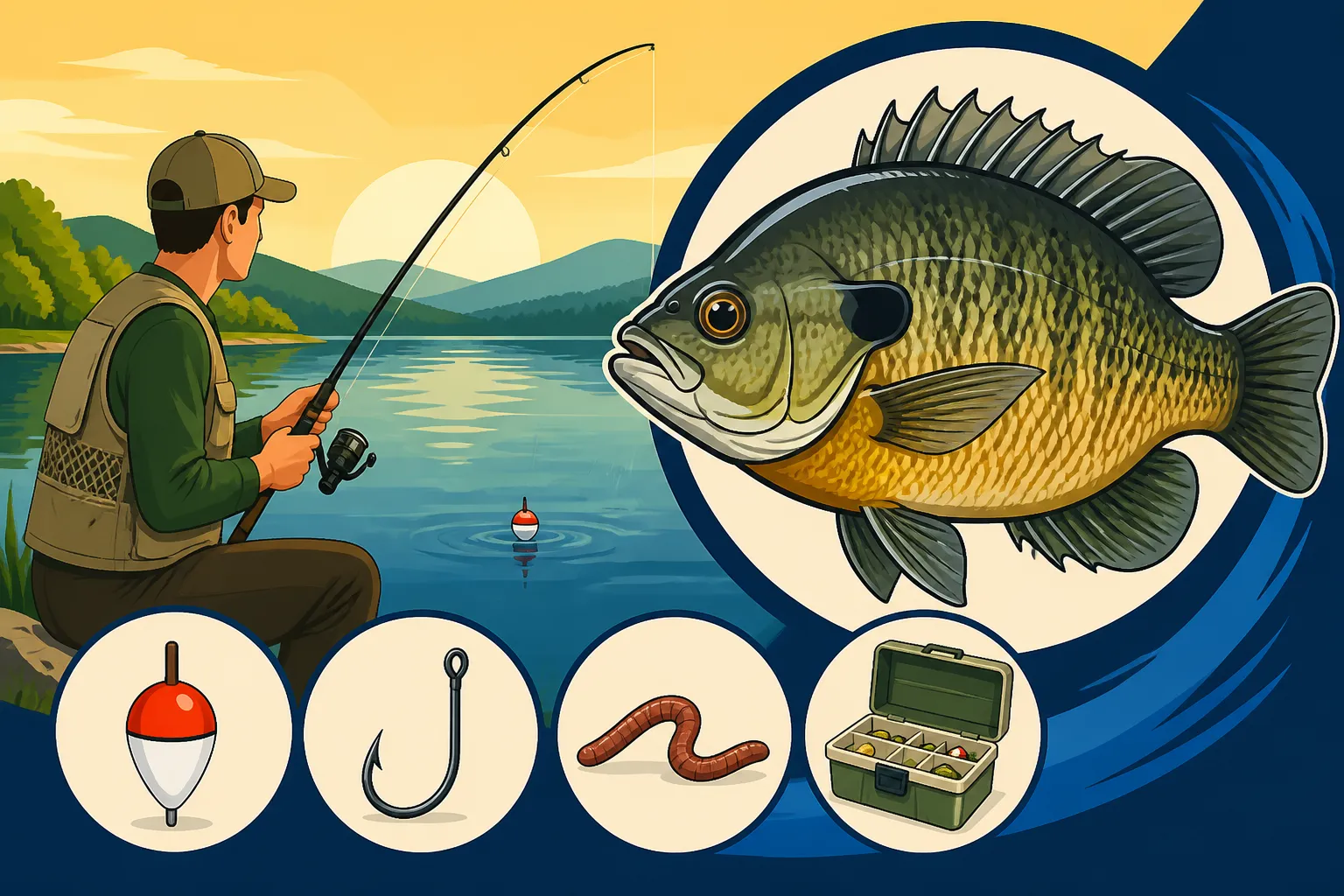
When folks in Tennessee talk about "bream," they're usually referring to a group of smaller, pan-sized fish from the sunfish family. The most common you'll encounter are bluegill and redear sunfish, though you might also hook into a warmouth or a green sunfish. Bluegill are probably the most well-known, famous for their distinctive dark spot on the "ear" flap (the operculum) and vertical bars on their sides. Redear sunfish, also called shellcrackers, have a red or orange margin on their ear flap and often grow a bit larger than bluegill. They’re called shellcrackers because they love to eat snails and other mollusks.
These fish don't typically grow to massive sizes, which is part of their charm. A typical bream might be anywhere from 6 to 10 inches, perfect for a frying pan and easy for smaller hands to handle. Their relatively small size means you don't need heavy-duty gear, making the sport more accessible and less expensive to get started. Learning to identify these different species can be a fun part of the fishing experience, helping you appreciate the diversity right in our local waters. For a deeper dive, check out our Bluegill and Panfish Guide for Tennessee Anglers.
Where Do Bream Live in Tennessee?
Bream are incredibly adaptable and can be found almost everywhere there's freshwater in Tennessee. From our mighty reservoirs like Kentucky Lake and Percy Priest Lake to smaller farm ponds, slow-moving rivers, and even many of our state park lakes, bream are a staple. They're not picky about their neighborhood, but they do have preferences. You'll often find them congregating around some kind of structure or cover. This could be submerged logs, fallen trees, brush piles, lily pads, cattails, or even boat docks and piers. Essentially, anything that offers shade, protection from predators, and a place to ambush smaller prey will attract bream.
Think about areas where the water isn't too deep, perhaps 2 to 8 feet, especially if there's vegetation. Shallow coves, creek arms, and the edges of main lake bodies are prime locations. They love to hide and forage in these spots, which means if you find good cover, you're likely to find bream. Knowing Where to Find Bluegill in Tennessee Ponds can give you a head start on your first outing.
Bream Behavior Basics
Bream are generally a schooling fish, which is excellent news for anglers. If you catch one, there's a good chance there are more nearby! They're also active feeders, primarily looking for insects, insect larvae, small crustaceans, and even tiny fish. This diverse diet is why they'll hit such a wide variety of baits. Their feeding behavior is often tied to the time of day and water temperature, becoming more active as the water warms up and during dawn and dusk.
During the spring, usually from late April through June depending on water temperatures, bream move into shallow waters to spawn. This is a fantastic time to target them, as they become very aggressive and are easily found in large numbers, often creating "beds" or depressions on the bottom. These beds are usually in sandy or gravelly areas, often near protective cover. Once you find a bed, you can often catch several fish in one spot. Understanding these basic behaviors will help you predict where they might be and what they might be willing to bite.
Essential Gear for Your First Bream Trip
One of the best things about bream fishing is that you don't need to break the bank on fancy equipment. Simple, affordable gear is often all it takes to have a great day on the water. This accessibility makes it perfect for kids and adults just dipping their toes into the fishing world.
Rods, Reels, and Line Made Simple
For bream, you'll want something light and sensitive. An ultralight or light action spinning rod and reel combo is your best bet. These rods are usually between 5 to 6.5 feet long, which is easy to handle and cast, even for beginners. The "ultralight" designation means the rod bends easily, making even a small bream feel like a mighty catch, adding to the fun!
Pair your rod with a small spinning reel (something in the 500 to 1000 size range). This combination is forgiving and easy to learn how to cast. As for line, a 4 to 6-pound test monofilament line is ideal. Monofilament is inexpensive, easy to tie knots with, and has a bit of stretch, which can help absorb the shock of a fish strike and prevent hooks from tearing out of their delicate mouths. Brands like Berkley Trilene or Stren are reliable choices and readily available. You can find a wide selection of these beginner-friendly combos on platforms like Amazon, often bundled together for convenience and value. For more detailed advice on choosing your first setup, check out our guide on Best Fishing Gear for Beginners.
Hooks, Sinkers, and Bobbers
These are the unsung heroes of bream fishing and thankfully, they're all very straightforward.
- Hooks: Small hooks are key for bream. Sizes 6, 8, or even 10 are perfect. The smaller the number, the larger the hook, so a size 8 hook is smaller than a size 6. Aberdeen hooks are a good choice because they're lightweight, have a thin wire that's less likely to harm the fish if you plan to release them, and are relatively inexpensive.
- Sinkers: You'll only need a tiny bit of weight to get your bait down. Small split shot sinkers are perfect. These are little lead weights that you can crimp onto your line with pliers. Start with just one or two small ones, enough to get your bait to sink slowly. Too much weight can make your bait look unnatural and spook the fish.
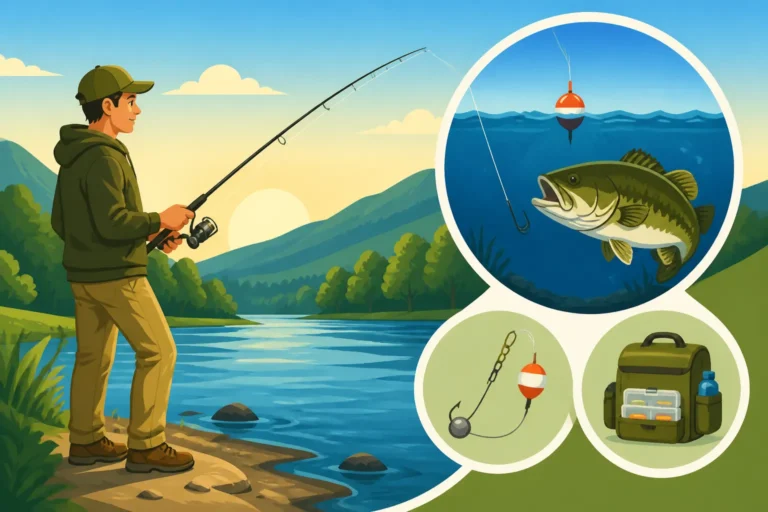
- Bobbers: The classic red and white bobber is a bream angler's best friend. These indicate a bite by dipping, wiggling, or disappearing under the water. Slip bobbers are fantastic because you can adjust the depth of your bait without having to re-tie your rig. Fixed clip-on bobbers are even simpler for absolute beginners; just make sure your bait isn't too far below it. Knowing How to Rig a Bobber for Bluegill is a fundamental skill that will serve you well.
The Best Baits for Bream
This is where bream really shine as a beginner-friendly fish: they're not picky! You have a ton of options, both live and artificial.
- Live Bait: This is undoubtedly the most effective and popular choice for bream.
- Worms: Red wigglers and nightcrawlers are absolute bream magnets. You can buy them at almost any bait shop, many grocery stores, or even dig them up in your backyard. Thread a small piece onto your hook, making sure the hook point is exposed.
- Crickets: Another fantastic choice, especially for bluegill and redear sunfish. Crickets are irresistible to them. Hook them gently through the collar or behind the head so they stay alive and kick. You can usually find crickets at bait shops.
- Grubs/Mealworms: These are smaller and perfect for tiny bream mouths. They're less messy than worms and very effective.
For the ultimate guide on these, check out Best Bait for Bream Fishing With Kids.
- Artificial Baits: While live bait is often king, artificial baits can be incredibly fun and rewarding once you get the hang of them.
- Small Jigs: Tiny jigs, often called "crappie jigs" or "panfish jigs," in sizes 1/32 to 1/16 ounce, are deadly for bream. They come in various colors and can be tipped with a tiny piece of worm or grub for added appeal.
- Tiny Spinners: Lures like a small Rooster Tail or Mepps Aglia spinner can also attract aggressive bream. These create flash and vibration that imitate small insects or minnows.
You can easily find a huge variety of these small baits on Amazon, which often means better prices and more options than a local shop might carry.
Easy-to-Learn Bream Fishing Techniques
Now that you have your gear, it’s time to learn how to put it to use. Bream fishing doesn’t require complex casts or intricate presentations. Simplicity is often the key to success, making it incredibly rewarding for beginners.
The Classic Bobber and Bait Rig
This is the quintessential setup for bream, and for good reason—it works! It's visual, easy to understand, and incredibly effective.
Here’s a step-by-step breakdown:
- Tie on your hook: Using a simple knot like an Improved Clinch knot, secure your small hook (size 8 or 10) to the end of your fishing line.
- Add a sinker: About 6-12 inches above your hook, crimp on one or two small split shot sinkers. You want just enough weight to cast easily and get your bait down, but not so much that it sinks like a rock.
- Attach your bobber: Place your bobber about 1 to 3 feet above your sinker. This sets the depth at which your bait will suspend in the water. If you’re fishing in 4 feet of water, you might set your bobber 2 feet up, allowing your bait to hang in the middle of the water column. If you’re near the bottom, set it a bit deeper.
- Add your bait: Thread a small piece of worm, a cricket, or a grub onto your hook. Make sure the hook point is exposed for a better hook set.
- Cast it out: Make a gentle cast towards cover like lily pads, a fallen tree, or a shaded bank. Let your bobber float naturally. Watch it carefully.
- Wait for the bite: When a bream bites, your bobber will twitch, wiggle, or plunge under the water. When it goes down, give a gentle but firm tug on your rod to set the hook. This Simple Bluegill Rig for Kids is easy to master.
This setup is great because it keeps your bait at a consistent depth, and the bobber gives clear visual cues, making it exciting for everyone involved.
Simple Bottom Fishing for Bream
While the bobber rig is fantastic, sometimes bream are hugging the bottom, especially when the water is a bit cooler or they’re seeking refuge in deeper pockets. Bottom fishing is a straightforward way to reach them without a bobber.
For this technique:
- Tie on your hook: Again, use a small hook.
- Add a heavier sinker: Instead of small split shots, you'll want a slightly heavier sinker, perhaps a small egg sinker or a heavier split shot, placed right above your hook. The idea is for the bait to rest on the bottom.
- Use a swivel (optional but helpful): A small barrel swivel can be tied about a foot above your hook. This helps prevent line twist, especially if you’re using live bait that spins. Your sinker would then be above the swivel, allowing the bait to move more naturally on the bottom.
- Cast and wait: Cast your rig out and let it sink to the bottom. Keep a slight tension on your line so you can feel bites. Bream bites when bottom fishing can be subtle—a series of light taps or your line suddenly going slack or moving sideways.
- Set the hook: When you feel a bite, lift your rod tip smoothly to set the hook.
This method is particularly effective around brush piles or ledges where bream might be hunkering down. It’s also a good technique for targeting redear sunfish, which often forage closer to the bottom for snails and other benthic creatures.
Light Tackle and Small Lures
Once you’ve mastered live bait, or if you just prefer a more active style of fishing, exploring light tackle with small artificial lures can be incredibly fun. This adds another layer of engagement to bream fishing.
- Micro Jigs: These are tiny jigs (1/64 to 1/32 ounce) often dressed with a small plastic body shaped like a grub, minnow, or insect. You can cast these out and retrieve them with a slow, steady reel, or use a "jigging" motion – lifting and dropping your rod tip to make the lure dance. This works well around submerged cover or along weed lines.
- Tiny Spinners: Lures like a 1/32 or 1/16 ounce Rooster Tail, Beetle Spin, or Mepps Aglia are fantastic. The spinning blade creates flash and vibration that predatory bream can’t resist. Cast them out and reel them in slowly, just fast enough to get the blade spinning. They’re especially effective on sunny days when the flash can really grab attention.
When using artificial lures, pay attention to the retrieve speed and depth. Experiment until you find what the fish are responding to. Sometimes a faster retrieve triggers a chase, while other times a slow, methodical pull is more effective. This is where a lot of the "art" of fishing comes in, and bream are a great species to practice on because they're often willing to give you plenty of chances! You can find a huge variety of these on Amazon to stock your tackle box.
Finding the Perfect Bream Fishing Spot in Tennessee
Knowing how to fish is one thing, but knowing where to fish is equally important. Tennessee is blessed with an abundance of fantastic waterways, and many are perfect for bream.
Public Lakes and Ponds for Easy Access
Tennessee offers countless public fishing opportunities. Many state parks, wildlife management areas, and even local city parks have ponds or lakes that are well-stocked and easily accessible. These spots are often managed by the Tennessee Wildlife Resources Agency (TWRA) and are designed to provide great fishing experiences for families and beginners.
- State Parks: Lakes within state parks like Natchez Trace State Park or Standing Stone State Park often have good bank access, picnic areas, and sometimes even rental boats. These locations frequently get stocked and are managed for diverse fishing, including healthy populations of bream. Family-Friendly Fishing at Percy Priest Lake, Tennessee is a prime example of a popular spot with ample access.
- TWRA Lakes: The TWRA also manages several smaller lakes across the state specifically for public fishing, like Marrowbone Lake or VFW Lake. These are typically well-maintained and offer excellent opportunities.
- Local Ponds: Don’t overlook smaller, lesser-known ponds in your local community. A quick search on the TWRA website or asking at a local bait shop can reveal hidden gems perfect for an easy bream outing. Remember, always check local regulations and make sure you have your Tennessee Fishing License Guide in order!
Reading the Water for Bream Hideouts
Once you’re at your chosen fishing spot, the next step is to observe the water. Bream are creatures of cover and comfort. Look for visual cues that indicate good bream habitat.
- Submerged Vegetation: Lily pads, cattails, and areas with submerged grass beds are prime real estate for bream. They offer protection and are teeming with the insects and small critters that bream love to eat.
- Fallen Trees and Brush Piles: Any timber that has fallen into the water creates a complex network of branches and shadows. Bream will hide among these branches, ambushing prey and seeking shelter. These spots can be a bit challenging for beginners due to potential snags, but they're often worth the effort.
- Docks and Piers: Man-made structures like boat docks, piers, and even bridge pilings provide shade and structure that attract bream. Fish around the edges and underneath these structures, as the fish often hug close to them.
- Shallow Coves and Points: Especially during the spring spawn, bream will move into shallow, protected coves and along points with gradual slopes. Look for lighter-colored circular patches on the bottom, which indicate their spawning beds.
Using polarized sunglasses can be a huge help in seeing through the glare on the water, allowing you to spot these features more easily. The better you get at "reading" the water, the more successful your fishing trips will become.
Bank Fishing vs. Boat Fishing for Bream
For beginners, especially those fishing with children, bank fishing is often the most practical and comfortable option.
- Bank Fishing:
- Pros: Easy access, no boat needed, can set up chairs, coolers, and tackle boxes without space constraints. Many public fishing areas in Tennessee are designed with excellent bank access. It’s also often safer and less intimidating for new anglers. Check out How to Catch Bluegill From the Bank for more tips.
- Cons: Limited reach to deeper water or distant cover. You’re restricted to what you can cast to from the shore.
- Boat Fishing:
- Pros: Offers much greater mobility, allowing you to explore more water and reach those harder-to-access brush piles, offshore humps, or lily pad fields. You can follow schools of fish more easily.
- Cons: Requires a boat (and boat registration if it has a motor), launching, trailering, and often navigating unfamiliar waters. There's also the added cost and responsibility that comes with boat ownership.
For your first few bream trips, start with bank fishing. Find a nice, shaded spot with some visible cover nearby, and enjoy the simplicity. As you gain confidence, you might consider renting a jon boat or a kayak for a day to expand your horizons.
Timing Your Bream Adventure for Success
Even with the right gear and a good spot, timing can make a big difference in your success. Bream, like most fish, have periods of increased activity, and knowing when those are can significantly improve your chances of a bite.
Best Seasons for Bream Fishing
While you can technically catch bream year-round in Tennessee, some seasons are definitely better than others.
- Spring (Late April – June): This is prime time for bream fishing! As water temperatures rise into the 60s Fahrenheit, bream move into the shallow waters to spawn. They become aggressive, territorial, and are easily located on their beds. This is often when you'll find the largest concentrations of fish in accessible areas. It’s also a wonderful time for kids to experience consistent action.
- Summer (July – August): Bream are still very active in the summer, but as the water warms up, they tend to move into deeper, cooler water during the heat of the day. They'll still feed aggressively in the mornings and evenings, and around shaded cover. During midday, look for them deeper around brush piles, docks, or even under lily pads for shade.
- Fall (September – October): As water temperatures begin to cool, bream will remain active, feeding heavily to prepare for winter. They might spread out a bit more from their tight summer schools, but can still be found around cover and structure. Fishing can be excellent, and you'll often have less competition from other anglers.
- Winter (November – February): Bream become much less active in cold water. They'll typically move to deeper holes and slow down their feeding. While not impossible to catch, winter bream fishing requires more patience and often more precise techniques to coax a bite. This isn't the ideal season for a beginner's first outing.
Ideal Times of Day to Target Bream
Just as seasons dictate overall activity, the time of day also plays a crucial role. For most of the year, especially in spring and summer, bream are most active during the low-light periods.
- Dawn and Dusk: The hours just after sunrise and just before sunset are often the most productive. The light is softer, water temperatures are usually more comfortable for the fish, and baitfish and insects are often more active. This is when bream will venture out from deeper cover to feed more aggressively. For further insights, read our post on Best Time of Day to Catch Bream.
- Overcast Days: Don't let a cloudy day deter you! Overcast conditions can often extend the prime feeding window for bream throughout the day, as the sun's harsh rays aren't driving them deep into cover.
- Midday in Spring/Fall: In cooler seasons like spring and fall, the midday sun can actually warm the shallow waters, making bream more active during these hours. However, in the peak of summer, midday means moving deeper or seeking dense shade.
Planning your trip for these prime windows will increase your chances of success and enjoyment, especially if you're trying to keep the attention of young anglers.
Water Temperature and Bream Activity
Water temperature is the hidden factor that dictates so much of fish behavior. For bream, their comfort zone for active feeding and spawning typically falls between 65 to 75 degrees Fahrenheit.
- Rising Temperatures (Spring): As water temperatures climb into the 60s, bream activity picks up dramatically. They move shallower, feed voraciously, and eventually initiate their spawn. This is why spring is so fantastic.
- Stable Warm Temperatures (Summer): Once temperatures hit the mid-70s and beyond, bream might seek cooler, deeper water during the hottest parts of the day. They'll still feed, but often in the mornings and evenings, or in heavily shaded areas.
- Falling Temperatures (Fall): As the water cools down into the 60s again, bream will have another surge of feeding activity before the cold of winter truly sets in.
- Cold Temperatures (Winter): When water drops below 50 degrees, bream become sluggish, conserving energy. They'll still eat, but very sparingly, and often require a slow, subtle presentation.
Understanding How Water Temperature Affects Fish Activity is a game-changer for any angler. If you have a fish finder with a water temperature gauge, pay attention to it. If not, just remember that comfortable temperatures for us often mean comfortable temperatures for bream.
Common Bream Fishing Challenges and Solutions
Even with the best preparation, fishing can sometimes throw you a curveball. It's part of the learning process! Knowing how to troubleshoot common issues will save you a lot of frustration.
Dealing with Snags and Tangled Lines
Ah, the dreaded snag. Every angler, from novice to seasoned pro, has dealt with it. Bream love cover, and cover often means things to get your hook stuck on. Tangled lines are another common beginner headache.
- Preventing Snags:
- Observation: Before casting, look for visible snags like submerged branches or rocks. Try to cast around them, not directly into them, unless you're confident in your ability to retrieve your lure.
- Bobber Depth: If you're using a bobber rig, adjust the depth so your bait isn't dragging directly on the bottom where most snags occur.
- Light Line: While it might seem counterintuitive, lighter line (like your 4-6 lb mono) can sometimes be a blessing. If you get a bad snag, the line will break more easily, saving your rod and reel from damage.
- Getting Unsnagged:
- Gentle Pull: First, try pulling gently in different directions. Sometimes the hook will simply pull free.
- Slack and Snap: If that doesn't work, give a little slack, then a quick, sharp snap of the rod. Repeat a few times. The sudden movement can sometimes dislodge the hook.
- Change Angle: If you're in a boat, try moving to a different angle relative to the snag and pulling.
- Sacrifice: If all else fails, sometimes you just have to break your line. It's frustrating, but it's part of fishing. Tie on a new hook, and get back out there!
- Tangled Lines (Bird's Nests):
- Over-casting: Most bird's nests in spinning reels happen when too much line comes off the spool at once. Practice smooth, controlled casts.
- Slack Line: After your lure hits the water, gently close the bail (the metal arm on your spinning reel) or manually grab the line and pull out any slack before you start retrieving. This prevents loose loops from getting tangled.
- Don't Overfill: Don't spool your reel with too much line; leave a small lip around the edge of the spool.
- Patience: If a tangle happens, don't yank it harder. Lay your rod down, grab a small pick or even a toothpick, and gently try to untangle the loops. If it's too bad, you might have to cut out the tangled section and re-tie.
Practicing Catch and Release vs. Keeping Your Catch
One of the great things about bream is that they are excellent table fare! They have flaky, white meat that's delicious pan-fried. Deciding whether to keep your catch or release it is a personal choice, but there are some things to consider.
- Keeping Your Catch:
- Regulations: Always know the local fishing regulations for creel limits (how many fish you can keep) and size limits (minimum or maximum size). While bream often don't have strict size limits, they do have daily catch limits in Tennessee.
- Ethical Harvest: Keep only what you plan to eat. There's no point in keeping fish just to let them spoil.
- Cleaning: Learn how to clean a fish. It's a skill that takes practice, but YouTube has countless tutorials. A sharp fillet knife and a clean workspace are essential.
- Storage: Bring a cooler with ice to keep your catch fresh if you plan to keep them.
- Catch and Release:
- Minimizing Harm: If you plan to release, handle the fish as little as possible. Use wet hands to protect their slime coat, which is their natural defense against disease.
- Quick Release: Unhook the fish quickly and gently. If the fish has swallowed the hook deeply, it's sometimes better to cut the line as close to the hook as possible rather than trying to rip it out, which can cause fatal damage. Circle hooks can also help prevent deep hooking.
- Revival: If a fish seems sluggish before release, gently hold it in the water, facing into the current, until it kicks its tail and swims away strongly.
Bream populations are generally robust in Tennessee, so harvesting a few for a meal won't usually impact the fishery significantly. The key is to be responsible and respect the resource.
Transitioning to Other Panfish or Species
The skills you learn while bream fishing are incredibly transferable to other species. Bream are part of the larger "panfish" category, which includes crappie and yellow perch.
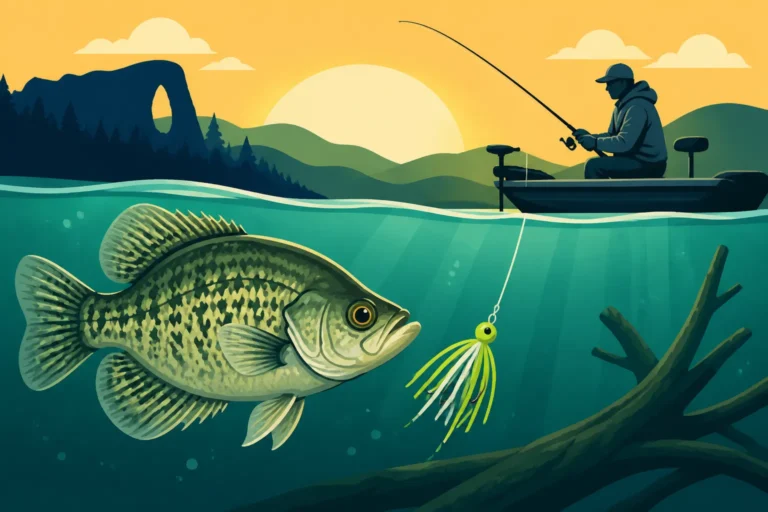
- Crappie: Often called "slab crappie" by enthusiasts, these fish are another fantastic panfish species and are often caught using very similar techniques to bream. They also love brush piles and submerged cover. You might even catch them on the same small jigs or live minnows you use for bream. Check out our Crappie Limits Under Tennessee Fishing Rules for more info on targeting these delicious fish.
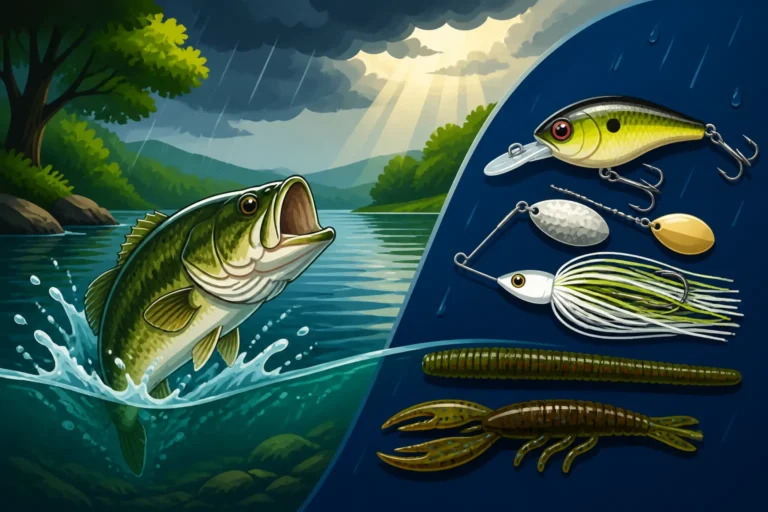
- Larger Species: As you gain confidence, you'll find that the principles of finding structure, understanding fish behavior, and presenting bait effectively apply to larger game fish like bass and catfish. You might eventually upgrade your gear to target Tennessee's Top Bass Fishing Lakes or try the rewarding experience of Catfish Bottom Fishing Basics.
Bream fishing is more than just catching fish; it's an education in angling fundamentals. It teaches patience, observation, basic knot tying, casting, and fish handling, all while providing plenty of exciting bites. It's truly one of the best ways to get hooked on fishing for life in the beautiful waters of Tennessee.
A Quick Comparison of Bream Baits
To help you decide what to bring on your next trip, here’s a quick comparison of popular bream baits.
| Bait Type | Pros | Cons | Best For | Beginner Friendliness |
|---|---|---|---|---|
| Red Worms | Highly effective, readily available, inexpensive. | Can be messy, some require refrigeration. | All bream species, especially bluegill. | Excellent |
| Crickets | Extremely attractive to bluegill, lively presentation. | Can be harder to keep alive, jumpy, can be pricier. | Bluegill, redear sunfish. | Good |
| Mealworms | Clean, easy to handle, good for smaller hooks. | Less active than worms/crickets, might be less exciting to fish. | Smaller bream, a good option for kids. | Excellent |
| Small Jigs | Reusable, variety of colors, active fishing, can tip with live bait. | Requires more active presentation, can snag more easily. | Aggressive bream, exploring different depths. | Good |
| Tiny Spinners | Creates flash and vibration, good for covering water. | Requires consistent retrieve, can be expensive to lose to snags. | Active bream, especially on sunny days, locating schools. | Moderate |
| Corn | Super cheap, easy to get, less messy. | Less effective than live bait, can attract undesirable species. | Great for kids as a backup or novelty. | Good |
Disclaimer
Please ensure you always check the latest Tennessee Wildlife Resources Agency (TWRA) regulations before heading out to fish, as rules regarding licenses, creel limits, and specific water body restrictions can change. Safety first on the water!