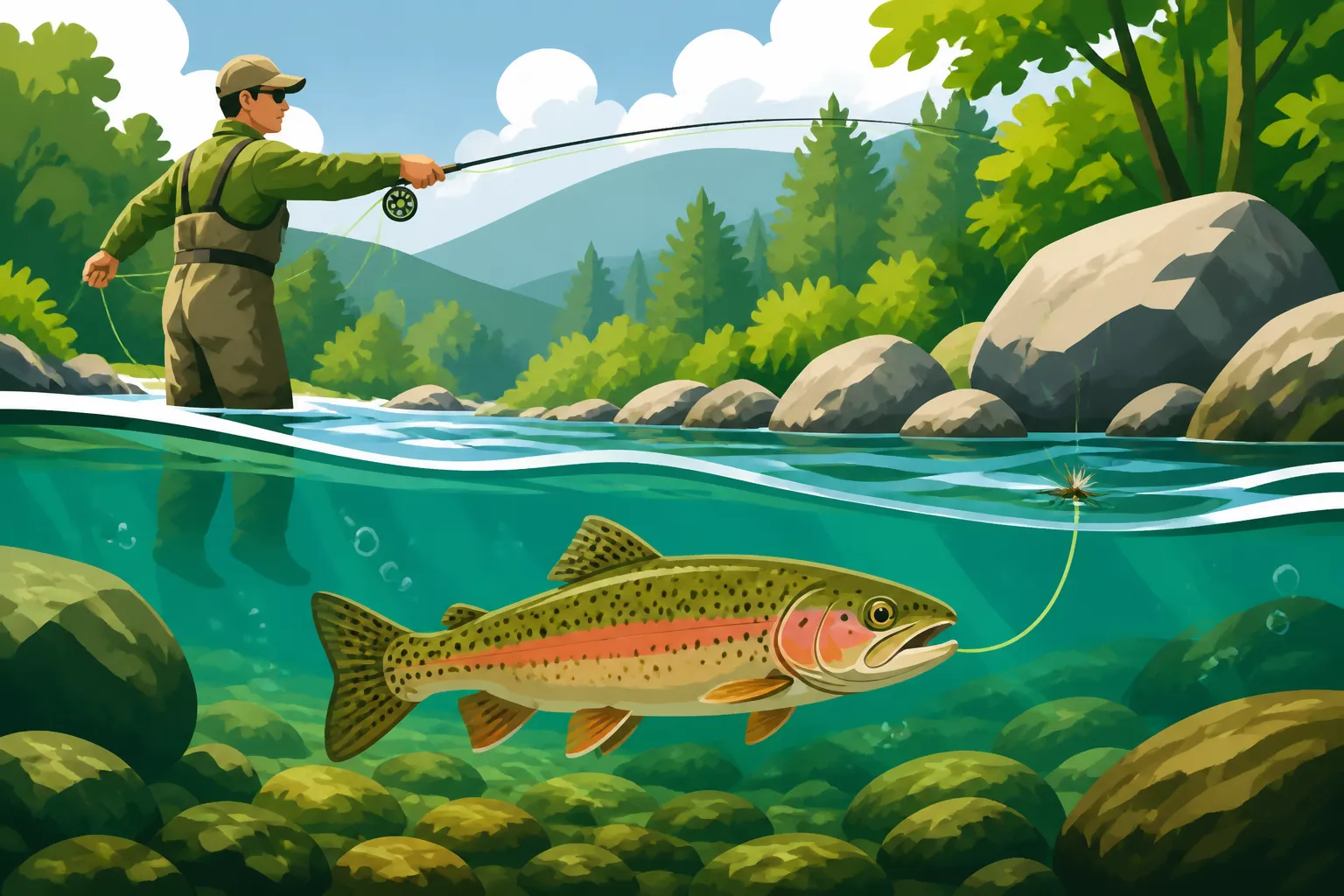
How to Drift Fish for Trout in a Stream
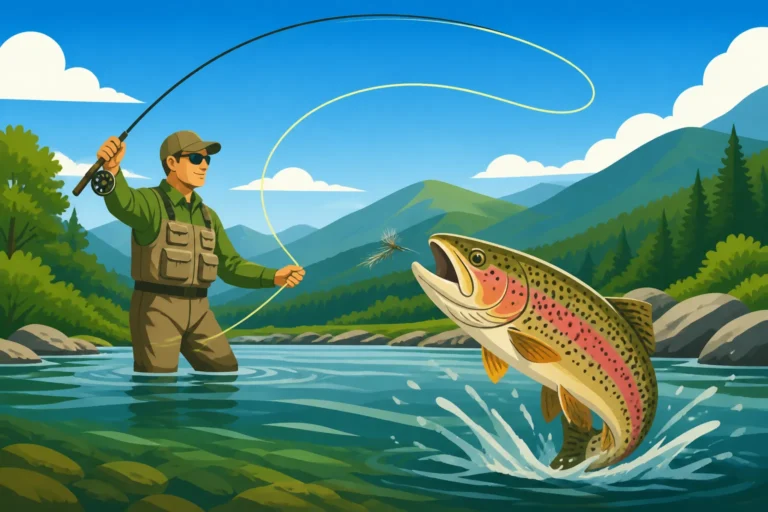
There's nothing quite like the clear, cold waters of a Tennessee stream, teeming with trout just waiting to test your angling skills. But if you've ever felt frustrated trying to present your bait naturally to those finicky fish, especially when dealing with tricky currents, you're not alone. This comprehensive guide is here to unravel the mysteries of drift fishing for trout, helping you master a technique that consistently fools even the most wary fish by mimicking their natural food sources.
Understanding Drift Fishing: Why It Works for Trout
Drift fishing is one of those timeless techniques that just makes sense. At its core, it's all about presenting your bait or lure in such a way that it appears to be a natural, unattached piece of food tumbling freely downstream with the current. Imagine a tasty morsel, be it an insect nymph, a small worm, or a salmon egg, dislodged from the stream bed and floating irresistibly towards a hungry trout. That's the illusion you're trying to create, and it's incredibly effective because it plays directly into a trout's instincts.
The beauty of drift fishing lies in its simplicity and effectiveness. Trout are ambush predators, often holding in specific current breaks or behind structure, waiting for food to be delivered to them by the flow. They expend minimal energy, letting the river do the work. By presenting your bait naturally, without any unnatural drag or resistance from your line, you tap into this ingrained feeding behavior. It takes a keen eye and a delicate touch, but once you get the hang of it, you'll be amazed at how many more strikes you get compared to simply casting and reeling.
Mimicking Natural Food Sources
Trout in a stream environment are constantly on the lookout for food that the current brings their way. This includes aquatic insects in various life stages (larvae, nymphs), small crustaceans, worms washed in from the banks, and even small baitfish. When you observe a stream, you'll notice eddies and currents carrying all sorts of natural debris, and that's exactly what your bait needs to blend into. A perfect drift means your offering looks just like one of those natural items, indistinguishable from the real thing.
To truly mimic natural food, your bait needs to travel at the same speed as the surrounding current, without being pulled ahead or lagging behind. This "drag-free" drift is paramount. Any unnatural tension on the line, known as "drag," will cause your bait to move unnaturally, signaling danger to a discerning trout. Think about it: if a real insect nymph were being pulled faster or held stationary against the current, it would immediately appear suspicious. This meticulous presentation is what makes drift fishing so deadly, especially in pressured waters where trout have seen every trick in the book.
Reading the Water for Productive Drifts
Before you even make a cast, the most crucial step in drift fishing is learning how to "read the water." This isn't just a fancy term; it's about understanding how the current moves, where trout are likely to hold, and how to best position yourself for a successful drift. Trout love structure and current breaks. Look for large rocks, fallen trees, undercut banks, and changes in bottom contour. These features create slower pockets of water or eddies where trout can rest, conserving energy while still being in a prime position to ambush passing food.
Different current speeds also dictate where trout will be. Fast, turbulent water might hold active feeders, while slower, deeper pools could be hiding larger, more cautious fish. Identifying the "current seams" – the lines where fast water meets slow water – is particularly important. Trout often sit right on these seams, letting the fast current deliver food to them while expending minimal effort in the slower water. A successful drift will often carry your bait right down one of these seams, or sweep it from a faster lane into a slower holding pocket. Learning How Water Temperature Affects Fish Activity can also greatly influence where you find these fish.
Essential Gear for Successful Trout Drifting
Having the right gear makes a world of difference when you're trying to achieve that perfect, drag-free drift. While you don't need the most expensive equipment, choosing components that work harmoniously together will significantly improve your success rate and reduce frustration. It’s all about sensitivity and control, allowing you to feel the most subtle takes and guide your bait precisely.
The goal is to keep your rig light and balanced, giving you maximum feedback from the line. A heavy, clunky setup will make it nearly impossible to feel those delicate trout bites or to mend your line effectively to counter conflicting currents. Think of your rod, reel, and line as an extension of your arm, finely tuned to detect the slightest tremor or deviation in your drift. You want a system that lets you feel every bump, every rock, and every gentle nudge of a curious trout.
Rod, Reel, and Line Selection
For drift fishing trout in streams, you'll generally want a spinning rod that's on the lighter side, typically in the ultralight or light power range. A longer rod, somewhere between 6'6" and 8'6", is a huge advantage. The extra length helps you manage your line, keep it off the water to reduce drag, and perform better mends (adjustments to your line's position on the water). A fast or moderate-fast action tip provides the sensitivity to detect light bites while still offering enough backbone to set the hook and fight a feisty trout.
Pair your rod with a small, lightweight spinning reel (size 1000 or 2000 is usually ideal) spooled with light line. Monofilament or fluorocarbon lines in the 2-6 pound test range are excellent choices. Monofilament is forgiving with a bit of stretch and floats well, which can be useful for certain presentations. Fluorocarbon, on the other hand, is nearly invisible underwater, sinks, and offers excellent sensitivity. Many anglers opt for a braid main line (4-8 lb test) for its incredible sensitivity and lack of stretch, then tie on a fluorocarbon leader of 2-4 feet. This combination gives you the best of both worlds: extreme sensitivity from the braid and stealth from the fluorocarbon. If you're looking for gear, Amazon often has a great selection of ultralight spinning combos that are perfect for this technique.
Terminal Tackle: Weights, Floats, and Hooks
Your terminal tackle is where the magic really happens in drift fishing. Small, sensitive floats (also called strike indicators) are crucial for detecting subtle bites and helping to suspend your bait at the correct depth. Fixed floats work well in shallower, more consistent water, while slip floats are invaluable for deeper runs where you need to adjust your depth frequently. Look for subtle bobbers that don't create much splash when they hit the water, like clear plastic bubble floats or small, sensitive Thill or Raven floats.
Weighting your rig correctly is perhaps the most critical component. You need just enough weight to get your bait down to the strike zone but not so much that it causes your bait to drag or snag excessively. Split shot weights are common, pinched onto your line a foot or two above your bait. Experiment with different sizes (B, BB, 3/0, 1/0) until your bait is ticking the bottom occasionally but still drifting naturally. Some anglers prefer slinky weights or small pencil leads, especially in snaggy areas, as they tend to roll over obstructions more easily. For hooks, opt for small, sharp, single hooks (sizes 10-14) that match the size of your bait and the mouth of the trout. Barbless hooks are also a great idea for catch-and-release fishing to minimize harm.
Baits and Lures for Drifting
The beauty of drift fishing is its versatility with bait. Natural baits are often king, especially for pressured trout. Earthworms, mealworms, wax worms, small minnows, or even salmon eggs are incredibly effective because they are part of a trout's natural diet. Thread a small piece of worm onto your hook, making sure the hook point is exposed. For salmon eggs, a single egg on a small hook works wonders. You might also explore a variety of prepared trout baits or powerbait nuggets.
Beyond natural baits, small artificial lures can also be drift fished effectively. Tiny inline spinners, micro jigs, or soft plastic baits (like small trout worms or crappie jigs) rigged weightless or with minimal weight can mimic insect nymphs or small baitfish. The key is to choose lures that have very little inherent action and rely on the current to give them their natural presentation. Experiment with different colors and profiles to see what the trout are keying in on on any given day. You can find many of these specific baits and lures, including reputable brands like Berkley PowerBait or Trout Magnets, on Amazon. When choosing, consider Best Bait for Rainbow Trout Fishing to match local preferences.
Step-by-Step Guide to Drift Fishing for Trout
Now that you've got your gear sorted and a basic understanding of how trout feed, let's walk through the actual process of drift fishing. It's a dance between casting, line management, and feeling for those subtle takes. Don't get discouraged if it feels awkward at first; like any new skill, practice makes perfect. The more you put your time in on the water, the more intuitive it will become.
Remember, the goal is always a natural, drag-free drift. Every action you take, from your cast to your line mending, should be geared towards making your bait look like it's completely unattached and simply tumbling along with the current. This subtle deception is what convinces a cautious trout to strike, believing it's found an easy meal.
Setting Up Your Rig
The exact setup can vary slightly based on conditions, but a common and effective drift fishing rig typically looks something like this:
- Main Line: Start with your main line from your reel (braid or mono).
- Leader: Tie on a fluorocarbon leader (2-4 feet) using a small swivel or a reliable knot like a double uni-knot. The leader should be slightly lighter than your main line in case of snags.
- Float/Indicator: If using a float, slide it onto your main line or leader, adjusting its position to set your bait's depth. As a rule of thumb, set your float so your bait is drifting just off the bottom or occasionally ticking it.
- Weights: Crimp one or more split shot weights onto your leader, about 12-18 inches above your hook. Start with just enough weight to get your bait down. You might need to add or subtract weight to find the perfect balance for the current speed and depth. The idea is for the weight to tumble along the bottom naturally.
- Hook: Tie on your small, sharp hook (size 10-14) at the end of your leader.
- Bait: Secure your chosen bait (worm, salmon egg, powerbait) onto the hook, ensuring the hook point is exposed for a solid hookset.
Always double-check your knots before casting, especially after adding weights or changing baits. A weak knot can mean losing a trophy trout!
Mastering the Cast and Drift
Once your rig is ready, it's time to cast. Aim slightly upstream and across the current from where you anticipate trout to be holding. You want your bait to enter the water gently and begin its drift naturally before it reaches the fish. As your bait drifts downstream, you'll need to manage your line. The key here is to keep as much of your line off the water as possible, using your rod tip held high. This minimizes drag from the surface current pulling on your line.
As your float or line drifts, perform small "mends." A mend involves lifting your rod tip and flipping a small loop of slack line upstream, effectively correcting your line's position to keep your bait drifting at the same speed as the current. This is where a longer rod really shines. The goal is to keep your line relatively straight to your float, without any belly in the line that would create drag. The drift should ideally be as long as possible through the productive water. Pay close attention to your float or the subtle tension in your line, as any deviation could signal a bite. For more ideas on how to fish this way, check out Spin Fishing Techniques for Trout.
Detecting Bites and Setting the Hook
This is arguably the trickiest part of drift fishing, especially for beginners. Trout bites can be incredibly subtle, often just a slight hesitation or dip of your float, or a gentle tap felt through your line. It's not always a violent yank. You need to be hyper-focused on your line and float throughout the entire drift. If your float suddenly stops, twitches, or starts moving upstream, that's almost certainly a bite. If you're fishing without a float, you'll feel a subtle tap or a sudden increase in resistance on your line.
The moment you suspect a bite, don't hesitate. Set the hook quickly with a firm, upward sweep of your rod. Because your line is often relatively slack during a natural drift, a gentle "reel set" (simply reeling quickly while lifting your rod) might not be enough. A solid, decisive hookset is crucial to drive that small hook home. If you miss a fish, don't worry. Often, trout will follow a bait for a bit before committing. Make another cast into the same area; sometimes they'll strike again. Practice will refine your ability to distinguish between a bite and just your weight ticking the bottom.
Advanced Tips and Common Challenges
Even after you master the basics, stream fishing for trout can throw some curveballs your way. Conflicting currents, pesky snags, and changing seasonal patterns all require thoughtful adjustments. The seasoned angler knows that every stream and every day presents a new puzzle to solve, and adapting to these challenges is part of the fun. Don't be afraid to experiment; sometimes the craziest idea is the one that lands you a fish.
One of the greatest joys of drift fishing is the continuous learning process. No two drifts are ever exactly alike, and each cast offers an opportunity to refine your technique. The more you observe the water, listen to the subtle cues from your line, and understand the trout's behavior, the more successful you'll become.
Dealing with Snags and Currents
Snags are an inevitable part of stream fishing. Your goal is to tick the bottom, but sometimes "ticking" turns into "sticking." To minimize snags, always try to use just enough weight to get your bait down, but not so much that it's constantly hanging up. If you feel a snag, immediately point your rod tip directly at the snag, reel up any slack, and then give a firm, quick pull. Often, this can free your weight. If not, a little patience and jiggling might work. Sometimes, you just have to break off and re-tie, which is why having extra terminal tackle and leader material easily accessible is a must.
Conflicting currents are another common challenge, especially in wider rivers or areas with complex hydraulics. These happen when the surface current moves at a different speed or in a different direction than the current deeper in the water column. This can make achieving a drag-free drift incredibly difficult. The solution lies in aggressive line mending and precise casting. Cast upstream of the conflicting currents, use a longer rod to keep as much line off the water as possible, and mend constantly to maintain that drag-free presentation. Sometimes, shortening your leader and keeping your weight closer to your bait can help cut through the conflicting currents.
Seasonal Adjustments for Drift Fishing
Trout behavior, and thus effective drift fishing techniques, will shift throughout the year. In early spring, when water temperatures are still cold, trout might be sluggish and holding in deeper, slower pools. Your drifts should be slower and more deliberate, using heavier weights to get your bait right on the bottom. As the water warms in late spring and early summer, trout become more active and spread out, often moving into faster riffles and runs. You might use lighter weights and quicker, more active drifts to cover more water. Remember that Tennessee Trout Fishing Season Explained can have implications for your approach.
Fall can be an excellent time for drift fishing as trout become aggressive before winter, feeding heavily. Again, they might be in a variety of water types, and their feeding patterns can be quite intense. Winter fishing usually means trout are once again concentrated in deep, slow holes, and your presentation needs to be incredibly slow and precise. Understanding Tennessee Trout Limits and Season Rules is also crucial, as certain seasons may have specific regulations for different water bodies, especially regarding species like brown trout or rainbow trout. Keep an eye on local stocking reports from the TWRA if you're fishing stocked streams, as recently stocked trout might behave differently from wild fish. Many of Tennessee's Best Trout Streams like the Clinch River Trout Fishing in East Tennessee or the Caney Fork River Trout Fishing offer year-round opportunities with varying conditions.
Essential Drift Fishing Gear Checklist
To help you get started or fine-tune your existing setup, here’s a quick overview of the essential gear for effective drift fishing for trout. Having these items organized and ready will ensure your time on the water is productive and enjoyable. You can often find great deals and a wide selection of these items on Amazon or at your local outdoor outfitter.
| Item | Key Characteristics | Why It's Important |
|---|---|---|
| Rod | Ultralight/Light power, 6'6" – 8'6" length, fast/mod-fast action | Sensitivity, line control, mending ability, delicate presentations |
| Reel | Small spinning (1000-2000 size) | Lightweight, balanced, smooth drag for fighting trout |
| Main Line | 4-8 lb Braid or 2-6 lb Monofilament/Fluorocarbon | Sensitivity (braid), stretch/float (mono), stealth/sink (fluoro) |
| Leader Material | 2-6 lb Fluorocarbon | Nearly invisible, good abrasion resistance, stealthy presentation |
| Floats/Indicators | Small, sensitive, subtle (fixed or slip) | Detects light bites, suspends bait at depth, visually tracks drift |
| Split Shot Weights | Assorted sizes (B, BB, 3/0, 1/0) | Gets bait to strike zone, allows for natural bottom bouncing without excessive snagging |
| Hooks | Small, sharp single hooks (size 10-14, barbless optional) | Secure hooksets, minimizes damage for catch-and-release |
| Natural Baits | Worms, mealworms, salmon eggs, PowerBait | Highly effective, familiar food source for trout |
| Artificial Lures | Micro jigs, small soft plastics, tiny spinners | Mimics natural prey, can be effective when trout are aggressive |
| Forceps/Pliers | Small, needle-nose | Hook removal, crimping split shot, general utility |
| Line Clippers | Small scissors or clippers | Quick and clean line trimming |
| Waders/Boots | Chest waders or waterproof wading boots | Essential for accessing optimal casting positions and staying dry in the stream |
Drift fishing truly allows you to connect with the rhythm of the stream and the habits of the trout. It demands patience, observation, and a delicate touch, but the rewards—the thrill of a subtle bite and the fight of a beautiful trout—are absolutely worth it. So grab your gear, head to one of the many Best Rivers for Fishing in Tennessee, and experience the pure joy of a perfectly executed drift.
Disclaimer
This article is for general informational purposes only and does not constitute professional advice. Laws, prices and regulations vary by location and change over time. Consult a qualified professional for guidance on your specific situation.