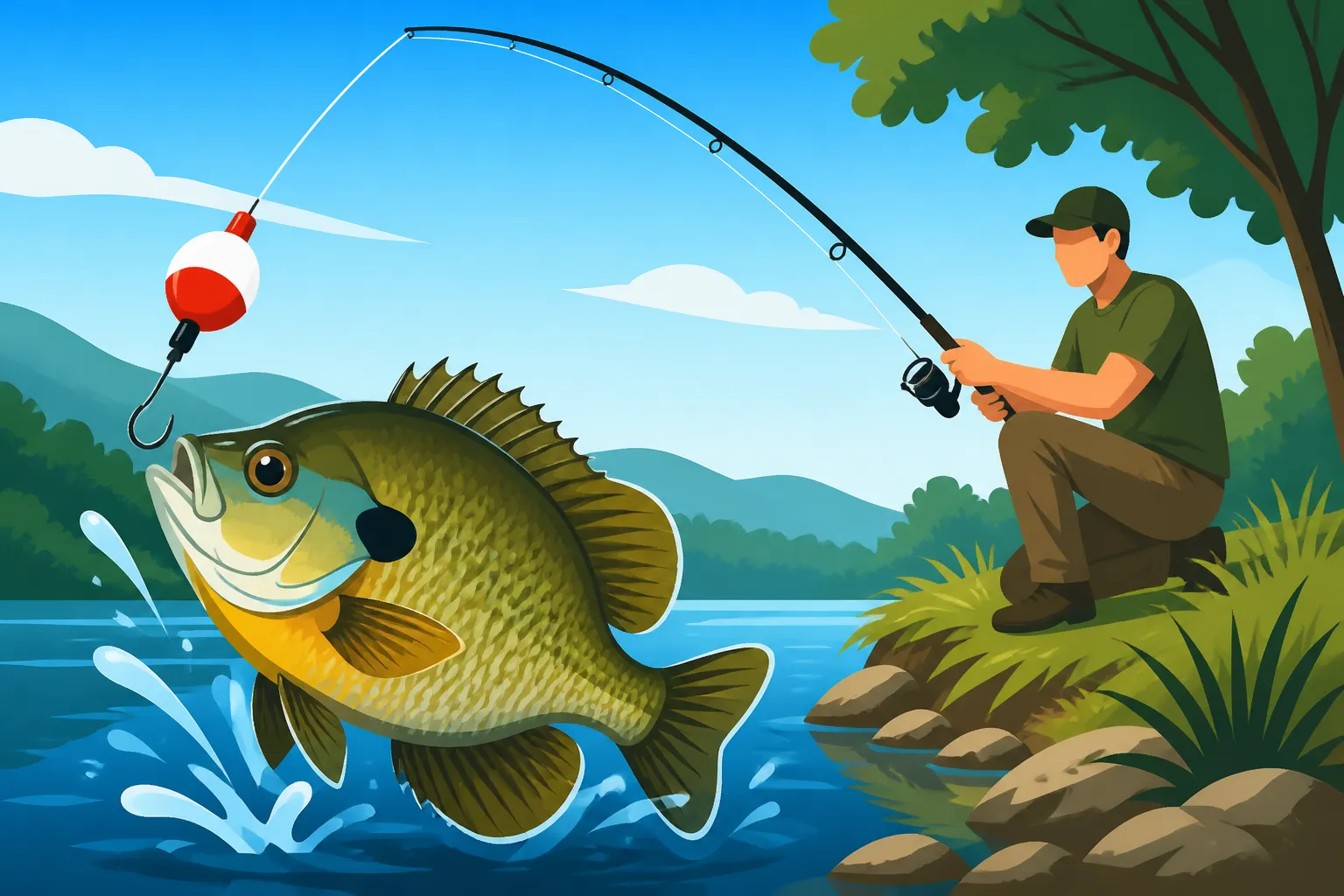
How to Catch Bluegill From the Bank
There's nothing quite like the feeling of watching a bobber dance on the water, knowing a feisty bluegill is about to bite. For many of us, the idea of fishing brings up images of serene lakes and quiet rivers, but for a lot of folks, the biggest hurdle is simply getting out there without a boat. If you’ve ever felt stuck because you don't have a fancy boat or don't know where to start, you're not alone! This comprehensive guide is dedicated to showing you exactly how accessible and rewarding it is to catch bluegill right from the bank in Tennessee, offering practical advice, gear recommendations, and proven techniques to make your next outing a success.
Why Bank Fishing for Bluegill is a Fantastic Option (Especially in Tennessee!)
Let's be real, not everyone has a boat, a trailer, or the time to get out on the big water. And that’s perfectly okay! Bank fishing for bluegill is an incredible entry point into the world of angling, offering a blend of simplicity, accessibility, and consistent action that makes it perfect for everyone from seasoned pros looking for a relaxing day to families introducing kids to the sport for the first time. It truly levels the playing field, proving that you don't need a lot of expensive equipment to enjoy a fantastic day on the water.
This method of fishing is also wonderfully versatile. You can find prime bluegill spots in all sorts of public access areas, from bustling city parks to quiet rural ponds. The joy of simply walking up to the water's edge, casting a line, and reeling in a vibrant bluegill is a pure and often overlooked pleasure in our fast-paced world. It's an opportunity to connect with nature, unwind, and create lasting memories without the logistical headaches often associated with boat-based fishing.
Accessibility and Simplicity
One of the greatest advantages of bank fishing for bluegill is its sheer accessibility. You don't need a boat, a specialized vehicle, or even a deep understanding of complex electronics. All you really need is a rod, some basic tackle, and a little bit of knowledge about where to cast. This low barrier to entry makes it an ideal activity for families with young children, new anglers, or anyone on a budget who just wants to get outdoors and enjoy some fishing. Imagine grabbing your gear, packing a picnic, and heading to a local pond for an afternoon of fun—it's that easy.
The simplicity extends to the gear itself. You won't be lugging heavy equipment or worrying about engine maintenance. A small tackle box, a lightweight rod, and a cooler for drinks and snacks are usually all it takes. This means less time spent preparing and more time actually fishing. For those busy weekdays or spur-of-the-moment trips, bank fishing offers an immediate escape to nature without all the fuss.
Where to Find Bluegill from the Bank in Tennessee
Tennessee is absolutely riddled with fantastic spots to catch bluegill from the bank. These little panfish love structure and cover, so when you're scouting out a spot, think like a bluegill! Look for areas where they can hide from predators, find food, and feel safe. This often means shallow areas that warm up quickly, especially in spring, and spots with plenty of submerged features.
Public access points are your best friends here. Many state parks, local city parks, and wildlife management areas (WMAs) in Tennessee have designated bank fishing access points on ponds, lakes, and slow-moving rivers. These spots are often maintained and can be great for a family outing. For instance, many of Tennessee's smaller, community lakes are perfect for this, offering easy shore access. You can find some amazing places to cast a line without needing a boat, and looking into Best State Park Fishing Spots for Family Outings can give you a great head start on finding these gems.
When you're at the water's edge, keep your eyes peeled for visible structure. This includes things like fallen trees, brush piles, submerged logs, rock beds, and even thick patches of lily pads or cattails. Bluegill will congregate in these areas because they offer shade, protection from larger fish, and a buffet of insects and larvae. Docks and piers, whether public or private, are also prime locations, as the pilings and undersides provide excellent cover. Look for slight changes in bottom contour too—a small drop-off or a channel edge accessible from the bank can hold more fish. Knowing How to Find Bluegill in Shallow Water is key to success here.
Essential Gear for Bank Fishing Bluegill in Tennessee
You might be thinking you need a massive arsenal of fishing gear to catch anything, but when it comes to bluegill from the bank, less is often more. The beauty of bluegill fishing is that it's inherently simple, and your gear setup should reflect that. We're talking about light, sensitive tackle that makes catching these feisty panfish a blast without breaking the bank. Forget the heavy-duty bass rods; we're going for finesse here!
A minimalist approach to gear not only makes your trip easier, but it also enhances the experience, allowing you to focus on the subtle bites and the joy of the catch. Plus, lighter tackle means you can easily carry everything you need, whether you’re walking a short distance from your car or exploring a new section of shoreline. You might be surprised at how much fun you can have with just a few key items.
Rods, Reels, and Line – Keeping it Simple
For bluegill, an ultralight spinning combo is your absolute best friend. Think about a rod that's anywhere from 5 to 7 feet long, with a very sensitive tip. This allows you to feel even the lightest nibble from a curious bluegill. Pair that with a small spinning reel (something in the 500 to 1000 size range) spooled with 4 to 6-pound test monofilament line. Mono is great for bluegill because it has a little stretch, which can prevent hooks from tearing out of their soft mouths, and it's less visible in the water.
Don't overthink it with fancy gear. Many entry-level combos available at your local sporting goods store or even through online retailers like Amazon are perfectly suited for this type of fishing. The goal is to have something light enough to enjoy the fight of even a small bluegill, yet sturdy enough to handle repeated casting. If you're fishing with kids, shorter rods around 4.5 to 5 feet can be easier for them to handle. For a truly straightforward setup, check out the advice on a Simple Bluegill Rig for Kids.
The Best Baits for Hungry Bluegill
Bluegill aren't picky eaters, which is fantastic news for bank anglers! This means you have a wide array of options, from classic live baits to tiny artificials. Your choice will often come down to what's readily available and what you feel most comfortable using. Regardless of what you pick, the key is usually a small presentation.
Live bait is almost always a winner with bluegill. Earthworms, especially red wigglers, are probably the most classic and consistently effective bait. You can dig them up in your garden, buy them at any bait shop, or even find them on Amazon if you're looking for larger quantities of mealworms or wax worms. Crickets are another bluegill magnet, especially in warmer months when bluegill are more active on the surface. Mealworms and wax worms are also excellent choices, offering a compact, wriggling meal that bluegill can't resist.
If you prefer artificials, small jigs (1/32 to 1/64 ounce) tipped with a tiny plastic grub or a bit of Berkley Gulp! Alive! work wonders. Tiny inline spinners, like those from Mepps or Panther Martin, can also be incredibly effective, especially when bluegill are actively feeding. The key with artificials is to keep them small and retrieve them slowly to mimic natural prey. For more ideas, you might want to read up on the Best Bait for Bluegill and Panfish.
Terminal Tackle You Can't Forget
Having the right terminal tackle is crucial for a successful bank fishing trip. These are the small but mighty components that connect your line to your bait and help you detect bites. Again, simplicity and functionality are the guiding principles here.
First up, hooks. You'll want small, sharp hooks in sizes ranging from 6 to 10. Aberdeen hooks are popular for bluegill because their fine wire makes them less likely to gut-hook a fish and easier to remove if they do. They're also great for holding delicate baits like worms. Next, split shots. These tiny weights are essential for getting your bait down to where the fish are. Keep a variety of sizes in your tackle box, using just enough weight to allow your bait to sink slowly and naturally.
Finally, bobbers! These are iconic for bluegill fishing. You can use traditional clip-on bobbers, which are great for suspending your bait at a fixed depth in shallower water. For deeper water or when you want more control over your depth, slip bobbers are fantastic. They slide freely on your line and stop at a pre-set depth determined by a bobber stop. Understanding How to Rig a Bobber for Bluegill will significantly enhance your bank fishing game. Having a small pair of needle-nose pliers or a hook-remover tool can also save you a lot of frustration when dealing with small hooks.
Mastering the Art of Catching Bluegill from the Bank
Catching bluegill from the bank isn't just about throwing a line in the water and hoping for the best. While bluegill are generally cooperative, there’s an art to consistently finding and catching them, especially when you’re limited to shore access. It involves understanding their behavior, knowing what to look for, and employing the right techniques. Let’s dive into how you can become a bluegill bank fishing maestro in Tennessee.
The key to consistent success lies in observation and adaptability. Bluegill are creatures of habit, often congregating in predictable areas, but their exact location can shift based on time of day, weather, and available food sources. By paying attention to your surroundings and tweaking your approach, you can dramatically increase your catch rate and have a much more rewarding experience. It’s all about learning to read the water and listening to what the fish are telling you.
Reading the Water: Where Bluegill Hide
When you’re standing on the bank, take a moment to really look at the water in front of you. What do you see? Bluegill are ambush predators and constantly seeking shelter, so visible cover and structure are key indicators of where they might be lurking. This is particularly important for bank anglers, as you can't just drive a boat to the middle of the lake. Instead, you need to identify those fish-holding features within casting distance from shore.
Think about areas with submerged vegetation, like lily pad fields or weed lines. These spots provide excellent cover, shade, and a consistent food source of insects and small invertebrates. Fallen trees that have created brush piles near the bank are also goldmines, offering complex hiding spots. Even subtle changes in the bottom contour, like a small drop-off or a channel edge, can concentrate bluegill, especially if those areas are accessible from your position on the bank. Look for any shaded areas, whether it's from overhanging trees or the shadow of a dock, as bluegill often retreat there during the brightest parts of the day.
Effective Techniques for Bank Anglers
Once you've identified a promising spot, it's time to put your techniques to the test. The good news is that bluegill aren't typically shy, and a few simple, proven methods can yield great results. You don't need complex retrieves or advanced rigging; just a little patience and a gentle touch.
Bobber fishing is, hands down, one of the most effective and enjoyable ways to catch bluegill from the bank. It's incredibly visual and perfect for beginners and kids. Simply attach a bobber to your line, add a split shot or two a few inches above your hook, and bait up. Cast your rig near your chosen cover and watch the bobber. A slight twitch, a sideways movement, or a full dunk usually means a bluegill has taken the bait. Adjust your bobber depth until you find where the fish are biting—sometimes they're just a foot deep, other times a bit deeper. For a detailed walkthrough, our guide on How to Catch Bluegill for Beginners is a fantastic resource.
Another effective technique, especially if you suspect bluegill are holding a bit deeper or away from visible surface cover, is slow retrieving small artificial lures. Cast a tiny jig or spinner, let it sink for a few seconds, and then retrieve it with a slow, steady motion, adding a few subtle twitches here and there. This mimics a small insect or baitfish and can entice bluegill that might be ignoring stationary live bait. For deeper areas accessible from the bank, you can also try a simple bottom fishing rig with a small weight and a short leader, allowing your bait to rest right on the bottom.
Optimal Times and Conditions for Bank Bluegill Fishing
Just like with any fishing, timing and conditions can make a huge difference in your bluegill catch rates. While bluegill are often willing biters, knowing when they're most active can turn a slow day into a fantastic one. You’ll want to consider the season, the time of day, and even recent weather patterns to maximize your success from the bank.
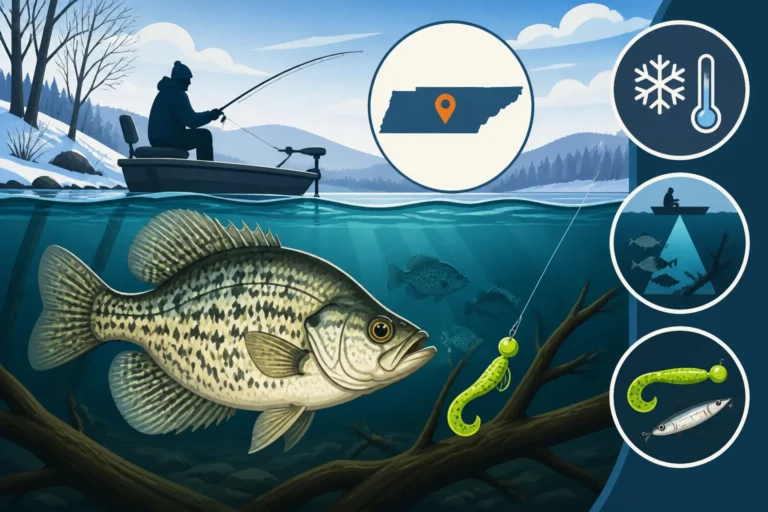
Generally speaking, bluegill are most active during the warmer months, particularly in spring and early summer when they are spawning. During the spawn, they'll move into very shallow water, making them incredibly accessible from the bank. They'll be guarding nests and aggressively biting anything that comes near, including your bait! Early fall can also be excellent as they feed heavily to prepare for winter. Winter fishing can be tougher from the bank, as bluegill often retreat to deeper, warmer waters, though mild, sunny days can still bring them shallower.
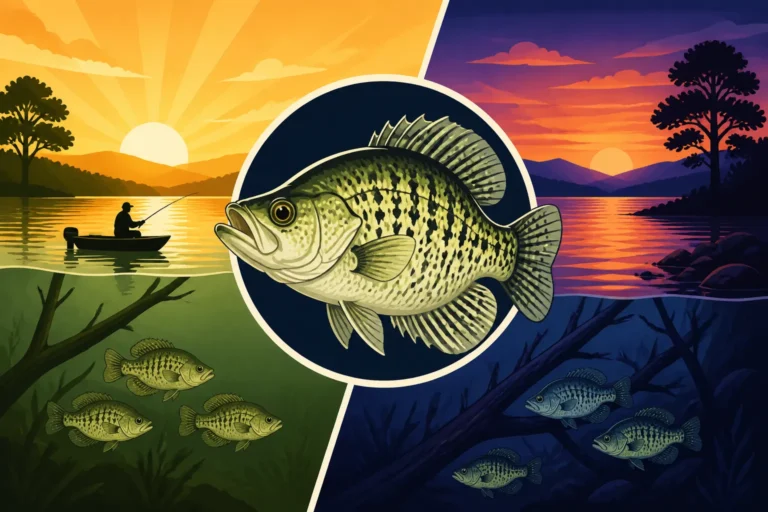
As for the time of day, bluegill tend to be most active during the cooler parts of the day: early morning and late afternoon/evening. The low light conditions make them feel safer from predators, and they'll often venture out from heavy cover to feed. Mid-day sun can push them deeper or into dense shade, making them harder to target from the bank. However, on cloudy days or after a gentle rain, they might remain active throughout the day. Paying attention to these subtle changes in conditions will make you a much more effective angler. If you're curious about the best times, check out Best Time of Day to Catch Bream for more insights.
Tips for a Successful and Enjoyable Bank Fishing Trip
A great bluegill bank fishing trip is about more than just catching fish; it's about enjoying the entire experience. From ensuring you have the right comforts to practicing good etiquette, a little preparation can go a long way in making your day on the water relaxing, rewarding, and respectful of both nature and your fellow anglers. After all, the goal is to unwind and have some fun, right?
Thinking ahead about what you'll need beyond just fishing tackle can prevent common frustrations and ensure you're comfortable throughout your outing. Whether you're fishing for an hour or a whole afternoon, being prepared makes all the difference. And remember, every trip is an opportunity to learn and grow as an angler, observing the environment and how the fish react.
Packing Smart and Staying Comfortable
Since you'll be on the bank, comfort is key, especially if you plan to be out for a few hours. A lightweight, foldable chair can be a game-changer, saving your legs and back from fatigue. Don't forget a cooler packed with plenty of water and snacks – staying hydrated is crucial, especially during Tennessee's warmer months. Sunscreen, a wide-brimmed hat, and polarized sunglasses are also non-negotiable for sun protection and for spotting fish or submerged structure.
Bug spray is another essential, particularly in the early morning or late evening when mosquitoes and other biting insects are most active near the water. A small first-aid kit for minor cuts or hook pricks is also a smart addition to your pack. And if you're bringing kids along, consider their comfort too! Extra snacks, drinks, and maybe even a small toy or book for when their attention wanes can keep everyone happy. For a general checklist, consider reading What Gear Do You Need for Bank Fishing on Tennessee Lakes?. Many of these items, from chairs to coolers, can be found conveniently on Amazon, making your preparation even easier.
Catch and Release vs. Keeping Your Catch
Before you head out, it's always a good idea to decide your intent for the day. Are you fishing purely for the sport and the joy of catching? Or are you hoping to bring some fresh bluegill home for a delicious meal? Bluegill are excellent table fare, and keeping a mess of them can be very rewarding. However, always be mindful of local regulations regarding catch limits and size restrictions. These rules are in place to ensure healthy fish populations for everyone to enjoy for years to come.
If you plan to keep your catch, bring a stringer or a cooler with ice to keep the fish fresh. Process them quickly and humanely. If you're practicing catch and release, handle the fish as little as possible, wet your hands before touching them, and release them gently back into the water. Bluegill are pretty resilient, but careful handling ensures their survival. Our guide on Bluegill Size and Growth Expectations can help you understand what to look for when deciding whether to keep or release.
Safety and Etiquette on Tennessee Banks
Being safe and respectful on the water is paramount. Always be aware of your surroundings, especially if you're fishing near busy areas or with children. Look out for uneven terrain, slippery banks, and potential hazards. If you’re fishing alone, it’s always a good idea to let someone know where you’re going and when you expect to return.
When it comes to etiquette, remember that you might not be the only one enjoying the bank. Give other anglers plenty of space, avoid loud noises, and never cast over someone else's line. Always pack out everything you pack in—leaving no trash behind ensures these beautiful fishing spots remain clean and enjoyable for everyone. Respect private property signs and avoid trespassing. A little common courtesy goes a long way in fostering a positive environment for all outdoor enthusiasts.
Popular Bluegill Baits: A Quick Guide
To help you pick the perfect offering for those hungry bluegill, here's a quick rundown of some of the most effective baits you can use when fishing from the bank.
| Bait Type | Description | Pros | Cons |
|---|---|---|---|
| Red Wigglers | Small, reddish worms. A classic and irresistible choice for bluegill. | Readily available, highly effective, natural scent and movement. | Can be messy, require cool storage, some find them "icky" to handle. |
| Crickets | Live crickets, often sold at bait shops. Their erratic movement on the surface drives bluegill wild. | Excellent for topwater action, highly visible to fish, good for warmer months. | Can jump off the hook easily, harder to keep alive, seasonal availability. |
| Mealworms | Small, yellowish larvae. A clean and easy-to-handle live bait. | Clean, easy to hook, good shelf life, very attractive to bluegill. | Smaller size might attract smaller fish, not as "active" as worms/crickets. |
| Wax Worms | Creamy white larvae, similar to mealworms but often a bit plumper. | Very enticing, clean, easy to hook, great for scent and visual appeal. | Can be more expensive than other live baits, softer body can come off easily. |
| Small Jigs | Tiny leadhead jigs (1/32 to 1/64 oz) tipped with plastic grubs, tubes, or Gulp! Alive! | Reusable, can cover more water, mimics various prey, less messy. | Requires some retrieve technique, might not always out-fish live bait. |
| Tiny Spinners | Small inline spinners with a rotating blade (e.g., Mepps, Panther Martin). | Creates flash and vibration, effective for aggressive bluegill, reusable. | Can be snagged easily in heavy cover, less effective for passive fish. |
| Bread/Corn | Small pieces of bread (kneaded into a ball) or single kernels of canned corn. | Very inexpensive, readily available, can attract panfish. | Falls off hook easily, less durable, less natural scent. |
So there you have it! Bank fishing for bluegill in Tennessee is an incredibly rewarding and accessible way to enjoy the great outdoors. It's perfect for beginners, seasoned anglers looking for a relaxing day, and families wanting to create lasting memories. With a little bit of knowledge about where to go, what gear to use, and how to approach the water, you'll be well on your way to a successful and enjoyable day. So grab your rod, pack your snacks, and head to your nearest pond or lake—those bluegill are waiting!
Disclaimer
This article is for general informational purposes only and does not constitute professional advice. Laws, prices and regulations vary by location and change over time. Consult a qualified professional for guidance on your specific situation.