How to Fish From the Bank for Beginners
Feeling overwhelmed by all the fancy boats and high-tech gear you see out on the water? You're not alone! Many aspiring anglers think you need a huge investment to enjoy a day of fishing, but that couldn't be further from the truth, especially here in Tennessee. Bank fishing is an accessible, affordable, and incredibly rewarding way to experience the joy of the catch, and this guide is here to walk you through everything you need to know to get started.
Getting Started: Essential Gear for Bank Fishing
When you're first dipping your toes into the world of bank fishing, it's easy to get lost in the sheer volume of gear available. Tackle shops and online retailers like Amazon are overflowing with gadgets and lures. But honestly, you don't need much to have a successful and enjoyable day. The key is to keep it simple, functional, and budget-friendly. We're talking about the bare necessities that will get you fishing without breaking the bank or overwhelming you with choices.
Rods, Reels, and Line: Keeping it Simple
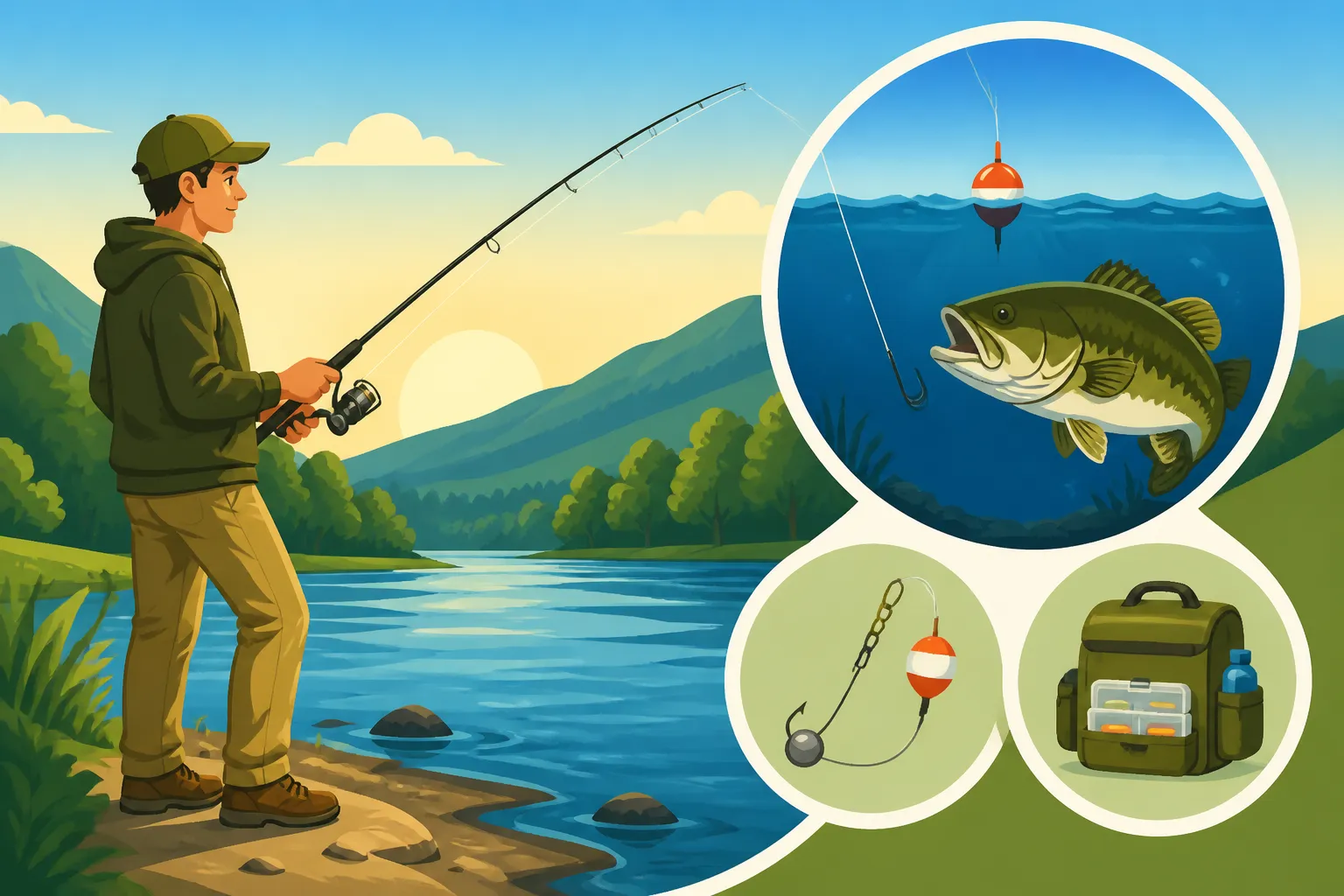
For a beginner, a medium-light or medium action spinning rod and reel combo is your absolute best friend. These combos are designed to be user-friendly, versatile enough for most common Tennessee fish species you'll encounter from the bank, and are typically very affordable. A 6 to 7-foot rod is a great all-around length, offering good casting distance without being too cumbersome in tighter spots along the shore. You want a reel that feels smooth when you crank the handle and has a decent drag system – that's the part that lets line out when a fish pulls hard, preventing your line from snapping. Many fantastic starter combos are readily available, often pre-spooled with line, which is a huge bonus for beginners. You can often find a reliable one on Amazon.
As for the line, monofilament is a fantastic choice for beginners. It's inexpensive, easy to tie knots with, and has a good amount of stretch, which can be forgiving if you set the hook a little too hard or a fish makes a sudden run. Start with a 6 to 8-pound test line. This strength is strong enough to handle most panfish, smaller bass, and catfish you're likely to catch from the bank, but light enough to allow for good casting distance and a more natural bait presentation. Don't worry about fluorocarbon or braided lines just yet; master the basics with mono first. If you're looking for more specific recommendations, check out our guide on the Best Rod and Reel Combo for Beginners.
Tackle Box Essentials: The Basics You Really Need
Your tackle box doesn't need to be a heavy, overflowing chest. Think minimalist. For bank fishing, a small, organized tackle box or even a waist pack will do the trick. What goes inside?
First, hooks. A variety of sizes, like number 6, 4, and 2, will cover most situations. Look for Aberdeen hooks for panfish or Octopus hooks for slightly larger targets like bass and catfish.
Next, sinkers. Split shots that you can crimp onto your line are super handy, as are small egg sinkers or worm weights. They help get your bait down to where the fish are.
Bobbers are a must for visual strike detection, especially when fishing with kids or for panfish. A simple clip-on bobber is perfect.
Swivels and snaps are useful for preventing line twist and making it easy to change lures or rigs, though for beginners focusing on bait fishing, they're not strictly essential.
Finally, a pair of needle-nose pliers or a hook remover is crucial for safely unhooking fish. A small pair of line clippers or nail clippers is also invaluable for trimming excess line. Keep it simple; you're not trying to stock a full bait shop. Many starter tackle kits can be found on Amazon that come with a good assortment of these basic items, which is perfect for ensuring you have What Gear Do You Need for Bank Fishing on Tennessee Lakes?.
Comfort and Safety: Don't Forget the Non-Fishing Gear
Fishing from the bank often means being exposed to the elements for extended periods, so personal comfort and safety should never be an afterthought. A comfortable, lightweight chair or bucket can make a huge difference, especially if you plan to stay awhile. Sun protection is vital in Tennessee; think a wide-brimmed hat, sunglasses, and plenty of sunscreen. Even on a cloudy day, those UV rays can sneak up on you. Insect repellent is another non-negotiable, particularly during warmer months or when fishing near wooded areas.
Hydration is also key. Always bring plenty of water, and perhaps some snacks, especially if you're taking the family out. A small cooler can keep drinks and a packed lunch cool, and also serves as a great place to store any fish you decide to keep for dinner. And speaking of keeping fish, a stringer or a small bucket will come in handy for holding your catch alive until you're ready to pack up. Lastly, always remember to check the local regulations and ensure you have your Tennessee Fishing License Guide in hand – or at least on your phone!
Finding Your Spot: Where to Cast from the Bank
One of the most exciting, and sometimes frustrating, parts of bank fishing is figuring out where to actually cast your line. You can't just throw it in anywhere and expect to catch fish. Fish are creatures of habit and structure, and knowing where they like to hang out will drastically improve your chances. Tennessee offers an incredible diversity of waterways, from vast reservoirs to serene state park ponds, and each holds its unique secrets.
Reading the Water: What to Look For
When you approach a new stretch of water from the bank, take a moment to "read" it. Look for areas that offer cover or structure, as these are natural magnets for fish. This could be anything from fallen trees (called "laydowns"), submerged logs, rocky outcroppings, or even patches of lily pads or reeds. These features provide shade, ambush points for predators, and protection from currents, making them ideal places for fish to congregate. Drop-offs, where the bottom abruptly gets deeper, are another prime spot, as fish often transition between shallow feeding areas and deeper resting spots.
Keep an eye out for any signs of fish activity, too. Splashes on the surface might indicate feeding fish, while subtle ripples could be a school of baitfish. Even birds diving into the water can be a clue that there's baitfish below, and where there's baitfish, there are usually bigger fish looking for a meal. Understanding these subtle cues takes practice, but it’s a skill that will serve you well for a lifetime of fishing. For example, knowing what to look for around Shore Fishing Access at Percy Priest Lake, Tennessee can make a huge difference in your success.
Public Access Points: Parks and Lakeshores
Tennessee is blessed with an abundance of public access points, making bank fishing incredibly accessible. State parks often have designated fishing areas, docks, or easy-to-reach banks on their lakes and ponds. These spots are usually well-maintained and can be great starting points for beginners, especially families, since amenities like restrooms and picnic areas are often nearby. Many city and county parks also feature small ponds that are regularly stocked with panfish and sometimes even trout, providing fantastic opportunities for a quick, productive outing.
Major reservoirs like Percy Priest Lake, Kentucky Lake, and Watts Bar Lake also offer numerous public boat ramps, fishing piers, and shoreline access points. While these larger bodies of water can be intimidating, focusing on sheltered coves or areas near causeways can yield excellent results from the bank. Always check the Tennessee Wildlife Resources Agency (TWRA) website or local park information for specific regulations and access points. Some great spots near urban centers include places mentioned in our guide on Best Fishing Spots Near Nashville, Tennessee, which are often highly accessible for bank anglers.
Respecting the Environment and Other Anglers
As a bank angler, you're sharing the space with nature and other people, so it's important to be respectful. Always practice "leave no trace" principles: pack out everything you pack in, including any discarded fishing line, bait containers, or trash. Littering not only harms the environment but also degrades the fishing experience for everyone. Be mindful of wildlife, too; observe from a distance and avoid disturbing nesting areas or sensitive habitats.
When fishing near others, give them plenty of space. Casting over someone else's line or crowding their spot is poor etiquette. A friendly nod or a brief chat is fine, but respect their peace and quiet. If you see someone struggling, offer help if it feels appropriate, but don't interfere unless invited. Remember that fishing is often a tranquil pastime, and respecting that space ensures everyone can enjoy their time outdoors. And for those bringing little ones, remember to check Do Kids Need a Fishing License in Tennessee to ensure everyone is compliant!
Basic Bank Fishing Techniques for Tennessee Waters
Now that you've got your gear and know how to find a good spot, it's time to talk about actually catching some fish! Bank fishing techniques are generally straightforward, focusing on presenting your bait effectively and knowing when to set the hook. You don't need complex maneuvers or advanced electronics; just a good understanding of the basics and a little practice.
The Art of Casting: Practice Makes Perfect
Casting is probably the first skill you'll want to master. For spinning gear, it involves a smooth, fluid motion. Hold the rod, open the bail on your reel (that's the wire arm), and grasp your line with your index finger. Bring the rod back over your shoulder, then smoothly sweep it forward, releasing your finger as the rod comes forward, sending your bait flying. The goal is accuracy, not just distance, especially when targeting specific cover like a fallen tree or a patch of lily pads.
Start by practicing in an open area, maybe even your backyard, without a hook. Attach a practice weight or an old washer to your line. Aim for a target, like a bucket or a small patch of grass. You'll quickly get a feel for the timing and motion. Don't get discouraged if your first few casts are awkward; everyone starts somewhere! The more you practice, the more natural it will feel, and the more precise your casts will become, leading to more fish. To further refine your technique, you might find valuable insights in our article on How to Fish From the Bank for Beginners.
Simple Rigs for Common Tennessee Fish
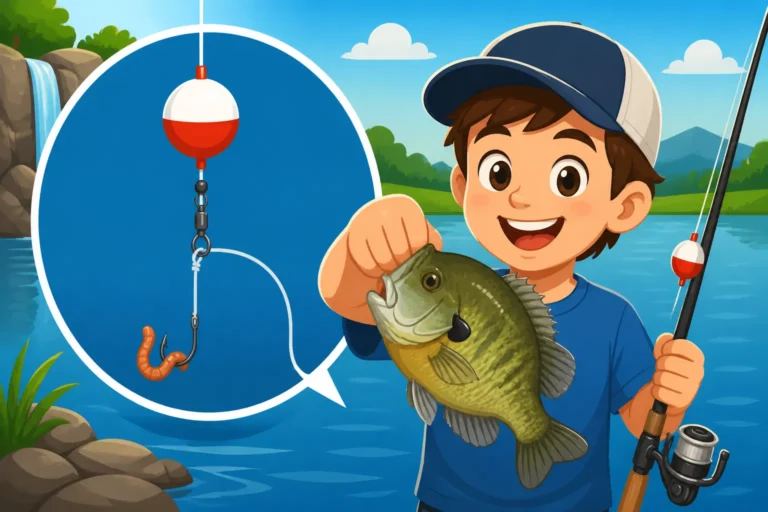
For bank fishing, simplicity is key when it comes to rigs. The most common and effective rig for beginners is the classic bobber rig. This involves tying a hook to your main line, adding a split shot sinker a few inches above the hook to help your bait sink, and then attaching a bobber a foot or two above that. The bobber suspends your bait at a desired depth and signals a bite by dipping or moving across the water. This rig is fantastic for panfish like bluegill and crappie, as well as smaller bass and catfish.
Another excellent beginner rig is the bottom rig, particularly useful for catfish or when you want your bait to stay directly on the lake or riverbed. For this, you'll tie a weight to the end of your line, and then tie a hook on a short leader (a separate piece of line) a foot or so above the weight. Some anglers prefer a Carolina Rig for bass, which uses a sliding bullet weight above a swivel, then a leader to the hook, allowing the bait to move more freely. These simple setups are easy to tie and incredibly effective. If you're targeting specific species, our guides on How to Catch Bluegill for Beginners or How to Catch Catfish From the Bank offer even more tailored advice.
| Fish Species (Common Bank Targets) | Recommended Bait (Beginner Friendly) | Preferred Habitat from Bank |
|---|---|---|
| Bluegill / Panfish | Worms, Crickets, Corn, Small Jigs | Shallow, near cover (reeds, docks) |
| Largemouth Bass | Live Worms, Plastic Worms, Crankbaits | Around fallen trees, lily pads, structure |
| Channel Catfish | Chicken Livers, Worms, Stink Bait | Deeper holes, muddy bottoms, river bends |
| Crappie | Minnows, Small Jigs, Worms | Near brush piles, submerged trees |
| Rainbow Trout (Stocked Ponds) | PowerBait, Corn, Worms, Small Spinners | Stocked ponds, stream eddies |
Baiting Up: Worms, Corn, and PowerBait
Choosing the right bait can make all the difference, but again, keep it simple. Live worms (like nightcrawlers or red wigglers) are universal fish catchers and probably the best all-around bait for beginners. Almost any freshwater fish will eat a worm. They're readily available at bait shops, hardware stores, and even on Amazon. Hook them once or twice through the body, letting them wiggle naturally.
For panfish, especially bluegill, corn kernels can be incredibly effective and are super easy to use – just slip a few onto your hook. Small marshmallows also work surprisingly well for bluegill and even trout in some stocked ponds. For stocked trout, PowerBait (the moldable dough bait) is a game-changer. It comes in various colors and scents and is designed to attract hatchery-raised trout. Just pinch a small amount, roll it into a ball around your hook, and cast it out. You can find more specific recommendations in our article on Best Bait for Bluegill and Panfish. Don't feel pressured to buy expensive lures right away; simple, natural baits will teach you a lot.
Common Challenges and Solutions for Bank Anglers
Every angler, from seasoned pros to absolute beginners, faces challenges. Bank fishing, while accessible, has its own unique set of hurdles. But don't worry, every problem has a solution, and understanding these common issues beforehand can save you a lot of frustration and help you enjoy your time on the water even more.
Snags and Lost Gear: It Happens to Everyone
Ah, the dreaded snag! It's an inevitable part of fishing, especially from the bank where your casts might be closer to submerged obstacles, rocks, or heavy vegetation. A snag happens when your hook or weight gets caught on something underwater, and often results in a lost hook, sinker, or even an entire rig. It can be incredibly frustrating, especially when you're just starting out and have limited tackle.
The best defense against snags is awareness. Pay attention to where you're casting. If you see a lot of visible structure, try to cast just alongside it, rather than directly into it. When you feel a snag, don't just pull as hard as you can; sometimes, a gentle jiggle or changing the angle of your pull can free the line. If it's truly stuck, it's better to break your line cleanly by pulling straight back than to damage your rod or reel. Keep a few extra hooks, sinkers, and bobbers in your tackle box, so a lost rig is just a minor inconvenience, not the end of your fishing day. It's why having a well-stocked but simple Best Fishing Gear for Beginners can save the day.
Dealing with Weather: When to Fish, When to Pack Up
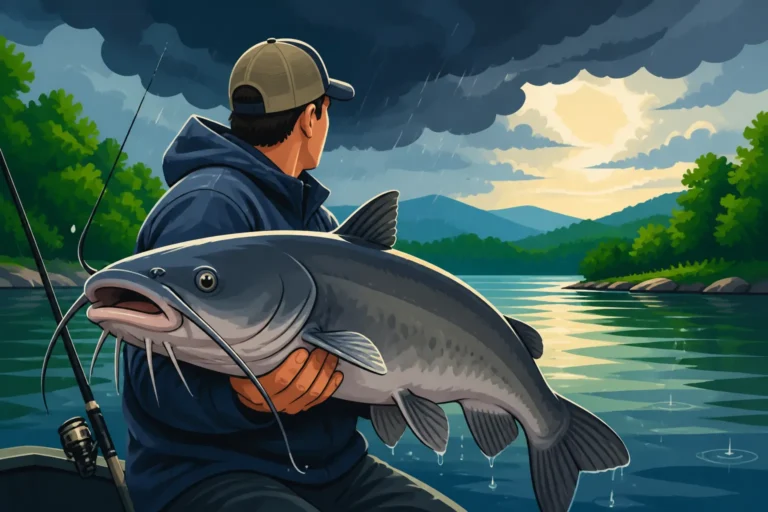
Tennessee weather can be a bit unpredictable, and it definitely impacts fishing. Rain can sometimes be great for fishing, as it washes insects and nutrients into the water, stirring up fish activity. However, heavy downpours or thunderstorms can be dangerous and unpleasant. Always check the forecast before you go, and if you hear thunder or see lightning, it's time to pack up immediately and seek shelter. Safety first, always.
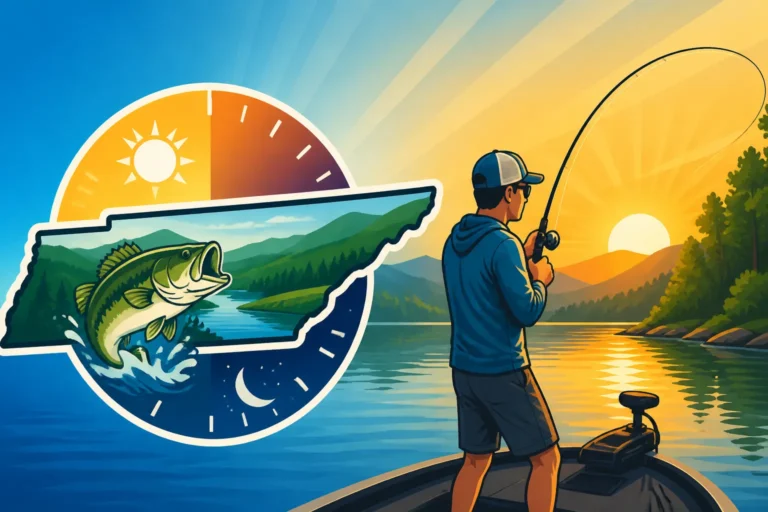
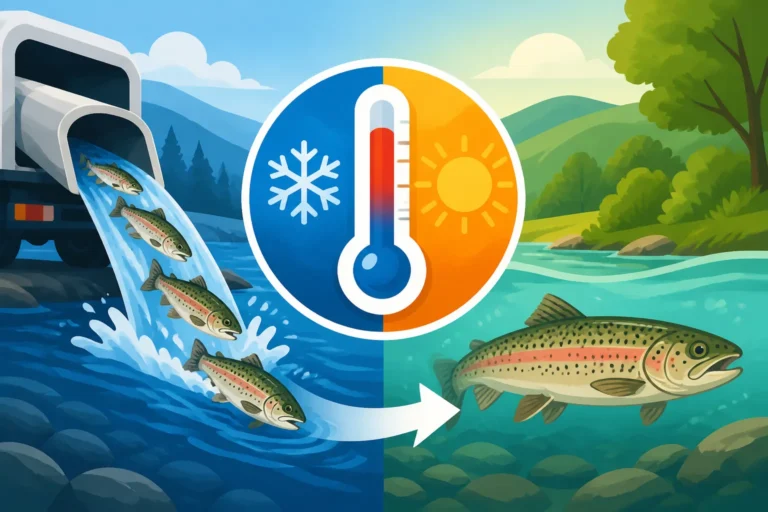
Extreme heat can make fish sluggish and move them to deeper, cooler waters, making bank fishing less productive. Early mornings and late evenings are often the best times to fish during the summer, as the water is cooler, and fish are more active. Conversely, in colder weather, fish might be less active overall, but they can often be found in deeper holes or sheltered areas. Dress in layers to adapt to changing temperatures, and don't forget waterproof gear if there's a chance of rain. Learning How Water Temperature Affects Fish Activity is a skill you'll develop over time.
Patience is Key: The Beginner's Mindset
Perhaps the biggest challenge, and the most important lesson, for any beginner bank angler is patience. Fishing isn't always about catching fish; sometimes, it's about enjoying the quiet, the scenery, and the simple act of being outdoors. There will be days when the fish just aren't biting, no matter what you do. Don't let that discourage you.
Use these slower times to practice your casting, try a different bait, or simply observe the water around you. It's an opportunity to learn and appreciate the environment. Every cast is a chance, and every outing, whether you catch a trophy or nothing at all, is a learning experience. Embrace the process, enjoy the fresh air, and celebrate the small victories, like a perfect cast or spotting a kingfisher. The more you go, the more you'll learn, and the more success you'll eventually have. Sometimes, just having a Family-Friendly Fishing at Percy Priest Lake, Tennessee trip is the real reward, regardless of the catch.
Disclaimer
This article is for general informational purposes only and does not constitute professional advice. Laws, prices and regulations vary by location and change over time. Consult a qualified professional for guidance on your specific situation.