Best Lures for Striped Bass in Open Water
Trying to land a big striped bass in the vast open waters of a Tennessee reservoir can feel like searching for a needle in a haystack, especially when they're not holding to obvious structure. These powerful, schooling fish demand specific strategies and the right arsenal of lures to entice them into biting. This guide will cut through the guesswork, revealing the best lures and techniques to successfully target striped bass when they're roaming freely, far from the banks.
Understanding Striped Bass Behavior in Open Water
Striped bass, often simply called "stripers" by anglers, are magnificent game fish known for their powerful runs and incredible fighting spirit. But catching them, especially in the expansive, open waters of Tennessee's large reservoirs like Percy Priest Lake or Watts Bar Lake, requires more than just luck. You need to understand how these fish live, move, and feed when they're not hugging obvious shoreline features or deep channels.
Why Open Water Stripers are Different
Unlike their largemouth or smallmouth bass cousins who might relate to a fallen tree, a rock pile, or a dock, open water stripers are truly nomadic hunters. They are constantly on the move, forming large schools and relentlessly pursuing baitfish, primarily gizzard shad and threadfin shad. This makes them incredibly challenging to pinpoint, as they don't stay in one spot for long. You won't find them waiting patiently in ambush; instead, they're actively herding and attacking their prey. Their behavior is much more akin to oceanic predators, even though they're in freshwater.
Their movements are heavily dictated by the presence of baitfish, water temperature, and dissolved oxygen levels. In the warmer months, when surface waters heat up, stripers will often seek out deeper, cooler water where oxygen levels are still good. This means they might be suspended in the middle of the water column, perhaps over a submerged creek channel or deep basin, following schools of shad. The sheer size of these fish also means they require a substantial meal, so they are incredibly aggressive when they find a feeding opportunity, creating impressive surface boils and frenzied attacks.
Locating Striped Bass in Vast Reservoirs
Finding these open-water nomads is truly half the battle. You can't just cast blindly and hope for the best. Modern electronics, particularly good fish finders with side-imaging or down-imaging capabilities, are your absolute best friend. You'll be spending a lot of time "idle searching," slowly cruising across vast expanses of water, constantly scanning your sonar for tell-tale arches or large bait balls. When you spot a dense school of baitfish, often with larger, individual fish arches lurking beneath or around them, you've hit the jackpot.
Striped bass will also use underwater structure, even in open water. This could be a submerged hump, a deep breakline, or an old roadbed that creates a current break or concentrates bait. However, they're not necessarily "on" the structure in the same way a largemouth might be. They're often suspended around it, using it as a reference point while they push bait. Understanding seasonal patterns for where baitfish congregate is also crucial. For example, during certain times of the year, shad might move into tributaries or shallow flats, and the stripers will follow. Keeping an eye on what other anglers are reporting, particularly on larger bodies of water, can also give you clues to their general whereabouts. For a deeper dive, check out our guide on How to Find Striped Bass in Summer.
Essential Lure Categories for Open Water Stripers
When it comes to outfitting yourself for open water striped bass, you need a diverse tackle box. These fish are powerful and their feeding habits can change by the hour, so having a range of options is key. Your goal is always to imitate the primary forage – those abundant shad – whether they're injured, schooling, or fleeing.
Hard Baits for Trolling and Casting
Hard baits are workhorses for open water stripers, especially when covering large areas. They allow you to present a lifelike imitation over long distances, either by casting or by trolling.
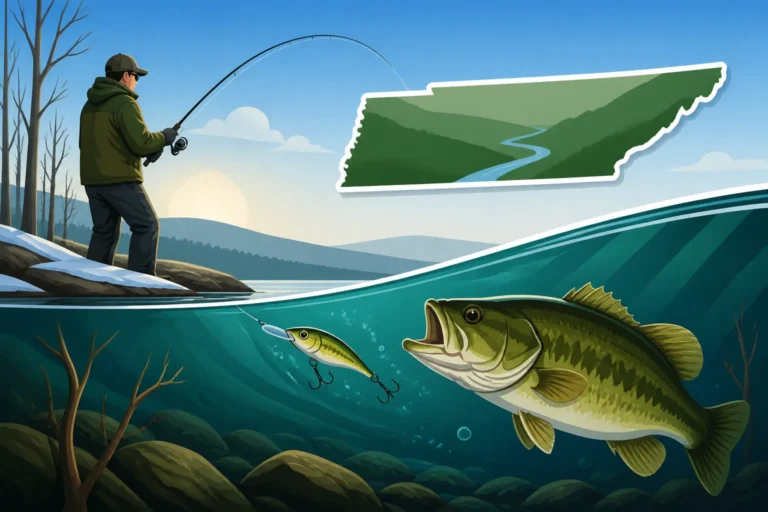
- Deep-Diving Crankbaits: These are absolutely essential for reaching stripers that are suspended at specific depths or relating to deeper structure. Brands like Rapala, Strike King, or Berkley make excellent deep divers that can reach depths of 15-25 feet or more, depending on your line and trolling speed. When these lures are trolled, their aggressive wobble mimics a panicked baitfish, often triggering a predatory strike from cruising stripers. You'll want a variety of sizes and colors, focusing on natural shad patterns (chrome, blue back, white) and some brighter, more aggressive options for stained water or low light. Experiment with trolling speeds until you find the sweet spot that gets strikes.
- Jerkbaits: While often associated with colder water bass fishing, larger jerkbaits can be incredibly effective for open water stripers, especially when they are lethargic or suspended a bit shallower. The erratic darting action of a jerkbait, followed by a pause, perfectly imitates a wounded or dying shad, an easy meal for a powerful striper. Retrieve them with a "twitch, twitch, pause" cadence, varying the length of the pause. These work well when stripers are less aggressive, perhaps after a cold front or during a lull in their feeding.
- Topwater Lures: Few things in fishing are as exciting as a striper exploding on a topwater lure. While not always the most consistent for open water, when stripers are actively chasing bait on the surface (often called "boiling" or "schooling"), topwater plugs are your go-to. Walk-the-dog lures, poppers, and prop baits can all elicit thrilling strikes. Early morning and late evening, or overcast days, are prime times for topwater action. Cast these lures directly into the chaos of a feeding frenzy and retrieve them quickly with erratic movements to mimic escaping bait. For information on specific fishing times, consult our guide on Best Month to Catch Striped Bass on Tennessee's Norris Lake.
Soft Plastics and Jigs for Versatility
Soft plastics and jigs offer unparalleled versatility for targeting open water stripers, allowing for a wide range of presentations from vertical jigging to casting and retrieving.
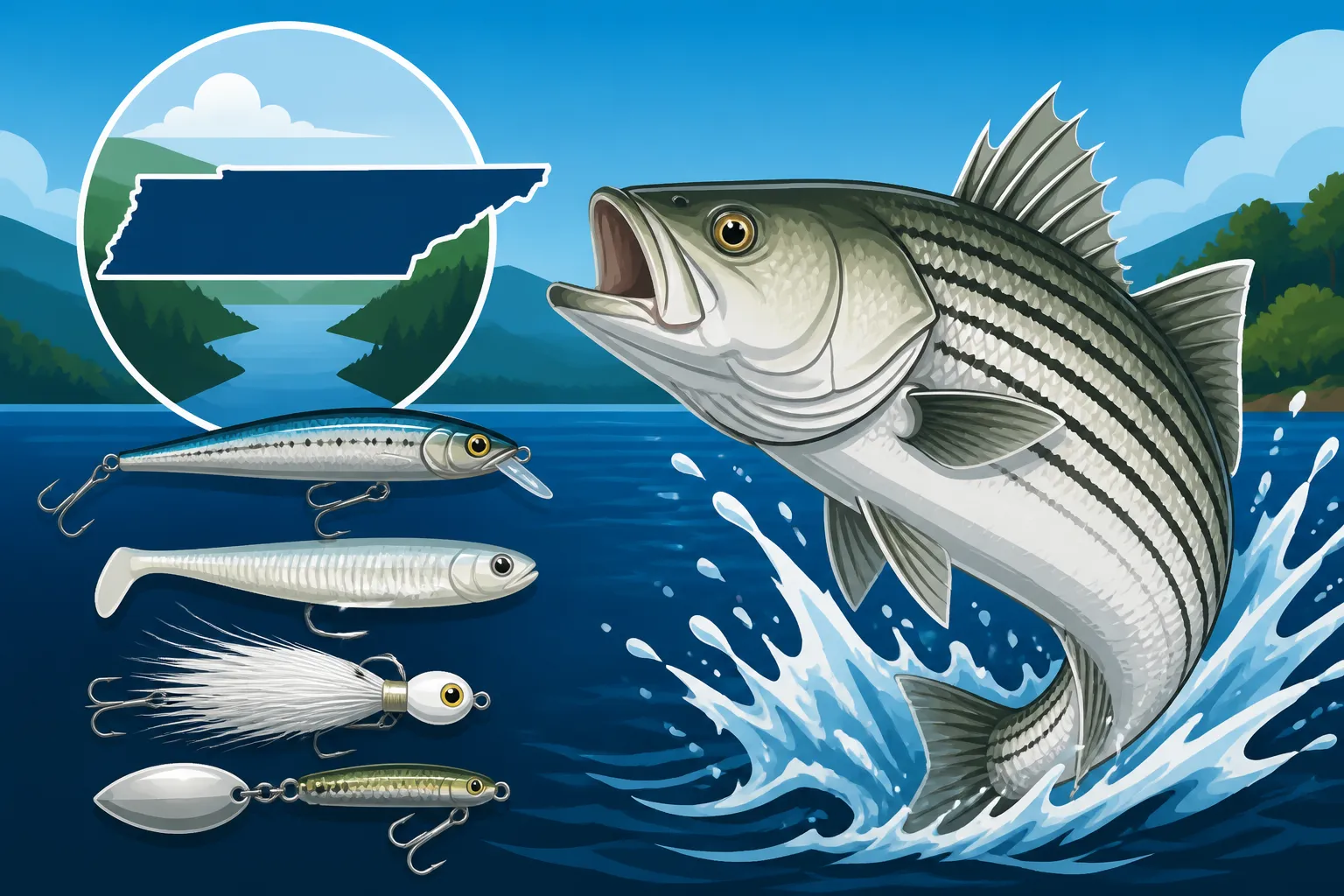
- Swimbaits: These realistic, soft plastic baitfish imitations are perhaps the most consistent lure for open water stripers. They come in various styles, from paddle tails to boot tails, and can be rigged on lead-head jigs or weighted swimbait hooks. The key is to match the hatch – find swimbaits that closely resemble the size and color of the local shad. Retrieve them with a steady retrieve, letting the tail do the work, or incorporate a subtle "swim-pause-swim" action. Larger sizes, 4-7 inches, are often preferred for stripers. You can find a fantastic selection of quality swimbaits on Amazon that mimic local forage.
- Bucktail Jigs: A true classic in saltwater and equally effective in freshwater for stripers, bucktail jigs are simple yet deadly. The pulsating hair offers a subtle, lifelike action, and they sink quickly, allowing you to reach suspended fish. They can be jigged vertically, cast and retrieved with a slow, sweeping motion, or even trolled. Adding a soft plastic trailer (like a small grub or chunk of plastic worm) can enhance their appeal. Experiment with different weights and colors, again prioritizing white, chartreuse, or natural baitfish hues.
- Soft Plastic Shad Imitations on Jig Heads: This category is similar to swimbaits but emphasizes more slender, flappier shad or fluke-style bodies. These are typically rigged on a simple lead head jig. They excel when fish are finicky or when you need a very precise depth presentation. Cast them out, let them sink to the desired depth, and retrieve them with a steady retrieve or a lift-fall action. This is a very natural presentation that can fool even wary stripers. When shopping for these, look for brands on Amazon that offer strong, sharp jig hooks, as stripers have tough mouths.
Umbrella Rigs and Scented Baits
Sometimes, you need to go big or add an extra edge to entice these open water giants. Umbrella rigs and scent can make a significant difference in triggering strikes.
- Umbrella Rigs: These are truly unique and incredibly effective, especially when trolling for schooling stripers in open water. An umbrella rig consists of a main wire frame with multiple arms, each terminating in a teaser lure (often a smaller swimbait or plastic shad) and a single, larger "trailer" lure that the stripers are meant to strike. The whole setup mimics a small school of baitfish, making it irresistible to hungry stripers. They are often trolled behind a boat, sometimes with the aid of Rod Holder and Planer Board Setup for Reservoir Striper Trolling to cover a wider area. These rigs can be heavy and require stout rods and reels, but they are undeniably productive when stripers are keying in on larger bait balls.
- Scented Lures or Adding Scent: While many anglers rely on visual appeal and action, never underestimate the power of scent, especially when fish are less active or in murky water. Many soft plastics come pre-infused with fish attractant, but you can also add liquid or gel scents to any lure. Applying a generous amount of shad or garlic scent to your swimbaits, jerkbaits, or bucktail jig trailers can often turn a looker into a biter. It provides that extra sensory trigger that can make all the difference, particularly when targeting fish that might be hesitant to commit.
Techniques and Rigging for Maximum Success
Having the right lures is just one part of the equation; knowing how to present them effectively is what truly brings success. Open water striped bass demand specific techniques, often involving covering vast distances and maintaining precise lure depths.
Mastering Trolling Presentations
Trolling is arguably the most consistent method for catching open water striped bass, as it allows you to cover a tremendous amount of water and present your lures at specific depths for extended periods.
- Speed and Depth Control for Different Lures: The correct trolling speed is paramount and will vary depending on the lure type, water temperature, and fish activity. Deep-diving crankbaits need a certain speed to reach their maximum depth and achieve their intended wobble, typically between 2-4 mph. Umbrella rigs, being bulky, might require slightly slower speeds. Pay close attention to your rod tip action; it should have a steady vibration. Adjust your boat speed in small increments until you start getting bites, or until your sonar shows fish reacting positively. Using a GPS speed indicator is crucial for consistency. Your depth also matters, and this is where line counter reels, lead core line, or even downriggers come into play. Many anglers meticulously record how much line they let out to hit a specific depth with a particular lure at a given speed. This helps you repeat successful patterns. If you're looking for more guidance on this technique, our article on How to Troll for Striped Bass is a great resource.
- Using Planer Boards and Downriggers: To effectively spread out multiple lines and present lures away from the boat's prop wash, planer boards are indispensable for open water trolling. They attach to your main line and pull your lure out to the side, allowing you to run several lines without tangles. This dramatically increases your coverage area. For reaching extreme depths (say, 30 feet or more) where stripers often hold in summer, downriggers are essential. These devices use a heavy weight and cable to carry your lure down to a precise depth, releasing your line when a fish strikes. This allows you to present your lure directly in the strike zone, especially when fish are suspended at specific thermocline depths. Both require some investment in Best Trolling Gear for Tennessee Striped Bass and practice, but they significantly enhance your open water capabilities.
- Patterning Fish Movement: Striped bass are creatures of habit to some extent, even in open water. After catching a fish, immediately mark the spot on your GPS. Note the depth, the speed you were trolling, the lure color, and the direction of your run. Often, turning around and making another pass through that same area will yield more strikes, as you've likely intercepted a school. Pay attention to how the baitfish are moving on your electronics – are they congregating at a certain depth? Are they moving along a contour line? The stripers will be close behind them.
Effective Casting and Retrieval Methods
While trolling covers water, casting is often crucial for reacting to active fish, especially when they surface or when you've pinpointed a school on your electronics.
- Long Casts to Schooling Fish: When stripers erupt on the surface, pushing baitfish into a frothy boil, you need to get your lure into the action quickly and accurately. This requires long, powerful casts with your chosen lure, whether it's a topwater plug, a swimbait, or a jig. The goal is to land your lure just beyond the feeding frenzy and retrieve it through the melee. Don't cast directly into the boil if you can avoid it, as it might spook the fish. Instead, aim for the edges and retrieve into the action. These surface feeds can be fleeting, so speed and precision are key.
- Varying Retrieve Speeds and Pauses: Just like with any predator, stripers can be finicky about retrieve. A steady retrieve might work sometimes, but often, incorporating pauses, twitches, or changes in speed can be the trigger. For swimbaits, a simple steady retrieve is a good starting point, but try adding a momentary pause that allows the lure to flutter, mimicking an injured baitfish. For jigs, a lift-and-fall retrieve is classic, allowing the jig to swim up and then fall on a semi-slack line, enticing strikes on the drop. Pay attention to when and how fish are striking – are they hitting on the pause, on a faster retrieve, or when you speed up? Let the fish tell you what they want.
- Responding to Active Surface Feeds: This is where the magic happens for many striper anglers. When you see gulls diving, or actual fish breaking the surface, it's game on. Cast quickly, often with a topwater or a fast-sinking swimbait. But remember, these events can be short-lived. If the boil dies down, don't just keep casting; quickly switch to a subsurface lure like a swimbait or a jig and count it down to where you saw the fish disappear. Often, stripers will push bait to the surface, feed for a moment, and then drop back down, waiting for stragglers or another opportunity. Being able to adapt instantly from a topwater presentation to a deep-water jig is what separates successful striper anglers from the rest. For targeting stripers at various depths, be sure to read about Deep Water Techniques for Striped Bass.
Terminal Tackle and Line Choices
The sheer power of striped bass means your terminal tackle cannot be an afterthought. These fish will test your gear, so don't skimp on quality.
- Heavy Enough Line for Strong Fighters: For open water stripers, you're typically looking at braided line in the 30-65 pound test range for your main line. Braid offers incredible strength, sensitivity, and a smaller diameter for its breaking strength, which aids in casting distance and reducing water resistance when trolling deep. If you're consistently targeting trophy fish with heavy umbrella rigs, you might even bump that up. For trolling with lead core line, which helps get lures deeper without weights, you'll need to learn its specific properties and how it interacts with different lures.
- Leader Materials and Knots: While braid is great for your main line, you'll almost always want to tie on a fluorocarbon leader. Fluorocarbon is nearly invisible underwater, which can be crucial for wary stripers, and it offers excellent abrasion resistance against their rough mouths and any submerged structure. A good starting point is 20-40 pound test fluorocarbon, connected to your braid with a strong knot like an FG knot or a double uni knot. Ensure your knots are strong and properly tied; a snapped knot on a fighting striper is a heartbreaking experience.
- Importance of Sharp, Strong Hooks: Striped bass have incredibly tough, bony mouths. A dull or weak hook will not penetrate properly, leading to lost fish. Replace stock hooks on your crankbaits and jerkbaits with high-quality, strong treble hooks from reputable brands like Gamakatsu or Owner. For jigs and swimbaits, ensure your jig heads have stout, sharp hooks that won't bend out under pressure. Check your hooks frequently for sharpness, especially after bouncing them off rocks or fighting a fish, and sharpen or replace them as needed. This simple step can dramatically improve your hook-up ratio and landing success.
Seasonal Considerations and Environmental Factors
Striped bass behavior, and therefore the best lures and techniques, will shift significantly throughout the year in Tennessee's reservoirs. Understanding these seasonal patterns and how environmental factors play into them is critical for consistent success.
Spring and Fall Feeding Frenzies
These transition seasons often offer some of the most exciting striper fishing opportunities, as the fish become highly active and frequently move into shallower water.
- Stripers Actively Chasing Baitfish: In spring, as water temperatures rise, stripers begin to move out of their deep winter haunts and become much more active, chasing shad that are also moving into warmer, shallower areas to spawn. This is a prime time for casting swimbaits, jerkbaits, and even some faster-moving crankbaits. The fish are often fat and feisty after the winter slowdown. Similarly, in the fall, as water temperatures cool from the summer highs, stripers undergo another major feeding period. They aggressively gorge themselves on shad, putting on weight for the upcoming winter. This is often when you'll see explosive surface activity as they relentlessly push bait to the surface, creating those thrilling boils.
- Surface Action and Shallow Water Movements: Both spring and fall can bring stripers into the upper water column or even into shallower bays and coves, especially during low light conditions or on overcast days. This is when topwater lures can be incredibly effective, as discussed earlier. Look for stripers near creek channel swings that approach shallower flats, or around points where baitfish might be congregating. They'll use these areas as ambush points or to herd shad.
- Lure Choices for Cooler Water: In these cooler transition periods, baits that mimic slightly slower or more vulnerable baitfish often shine. Swimbaits retrieved at a moderate pace, larger jerkbaits with longer pauses, and even bucktail jigs hopped along the bottom can be deadly. Colors that are natural (shad, white, silver) or slightly muted tend to work well in clearer water, while brighter colors like chartreuse or fire tiger can be good if the water is a bit stained from recent rains.
Summer Deepwater Strategies
When the scorching Tennessee summer hits, open water striped bass typically retreat to deeper, cooler, and more oxygenated waters. This doesn't mean they stop biting, but your tactics need to change dramatically.
- Stripers Retreating to Cooler, Deeper Water: As surface temperatures soar into the 80s, the ideal temperature range for stripers (typically 60-70 degrees Fahrenheit) is found much deeper. They'll follow the thermocline – the layer of water where temperature changes rapidly – and often suspend over deep channels, submerged timber, or in the very deepest parts of the reservoir. Finding them now becomes even more reliant on your electronics, as you're searching for fish suspended sometimes 40, 50, or even 70 feet deep. Our post on Deep Water Techniques for Striped Bass offers great insights here.
- Vertical Jigging and Deep Trolling: This is where heavy jigs, spoons, and deep-diving crankbaits come into their own. For vertical jigging, drop heavy spoons (like a Hopkins Shorty or a lead flutter spoon) or large bucktail jigs directly onto schools of fish you see on your sonar. A lift-fall retrieve is standard, but vary the speed and length of your lifts. Deep trolling with downriggers or lead core line becomes essential to present oversized crankbaits or umbrella rigs at precise depths. You're trying to put your lure right in front of the fish's nose when they're less inclined to chase far.
- Night Fishing Opportunities: Summer nights can be incredibly productive for stripers. As the sun sets, surface temperatures cool, and stripers (and their bait) may move shallower or become more active. Trolling or casting large dark-colored swimbaits, topwaters, or even live bait under lights can be highly effective. The darkness often makes stripers less wary and more willing to chase. Just be sure to have all your Essential Safety Gear Checklist Before a Tennessee Fishing Trip in order when fishing after dark.
Impact of Weather and Water Conditions
Beyond the seasons, daily weather and water conditions play a huge role in how stripers behave and which lures will be most effective.
- Cloud Cover vs. Bright Sun: Overcast days or low light conditions (dawn/dusk) often stimulate stripers to feed more aggressively and move shallower. On these days, you might find success with topwater lures or suspending jerkbaits higher in the water column. Bright, sunny days often push stripers deeper or make them more lethargic, requiring deeper presentations and perhaps more subtle lure colors.
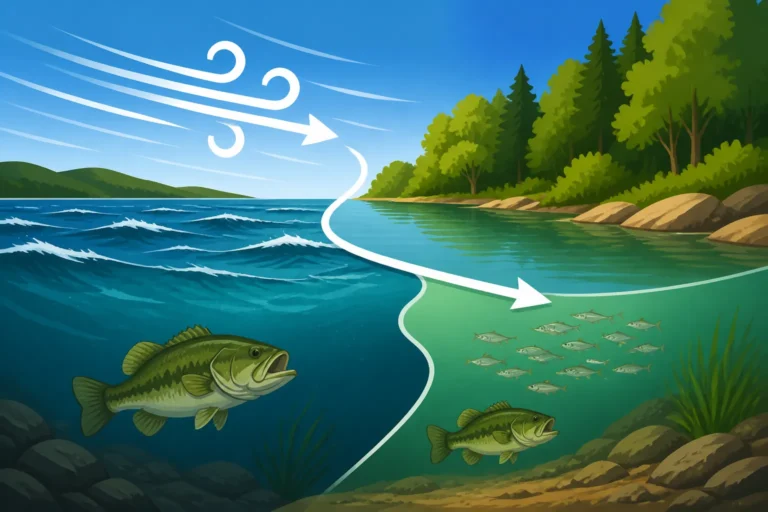
- Wind and Current Effects on Baitfish and Stripers: Wind can be your friend or foe. A light chop on the water can break up the surface, making stripers feel more comfortable feeding shallower, and also push baitfish into concentrated areas. Strong winds, however, can make boat control and casting difficult. Current, especially in riverine reservoirs or near dam releases, will position baitfish and stripers. Fish will often hold on the current breaks, waiting for food to be swept by. Pay attention to how the current is moving and present your lures accordingly.
- Water Clarity and Lure Color Selection: Clear water typically calls for more natural, translucent, or chrome-finished lures that mimic real baitfish. Shad patterns, silver, and clear with glitter are often excellent. In stained or muddy water, you'll want to switch to brighter, more opaque colors like chartreuse, fire tiger, or even black. These colors create a stronger silhouette and are more easily seen by fish in low visibility. Sometimes, a bright color in clear water can be an aggressive trigger, so don't be afraid to experiment! Always carry a range of options, available from retailers like Amazon, to adapt to whatever conditions Mother Nature throws at you.
Top Lures for Open Water Striped Bass in Tennessee
Let's break down some specific lures that consistently produce big stripers in Tennessee's vast open waters, categorizing them by how you'd typically deploy them. These aren't just names; they are tools with specific applications. To pair your lures with the right equipment, consider our guide on Best Lures for Striped Bass in Deep Water.
Trolling Favorites for Covering Ground
When you need to cover miles of water and find those actively cruising schools, these lures are your best bet. They are designed to run true and attract attention from a distance.
- Large Crankbaits (Deep Divers):
- Examples: Rapala Deep Tail Dancer, Strike King XD series (6XD, 8XD, 10XD), Berkley Dredger.
- Why they work: These lures are built to dive deep and sustain an aggressive wobble. The bigger models can reach depths of 20-30 feet or more on the troll, putting them right in the strike zone when stripers are suspended. Their strong vibration and flash imitate a large, fleeing baitfish. You can also pick up great multi-packs of deep-diving crankbaits on Amazon that offer a range of colors and sizes.
- How to fish them: Troll them at speeds between 2.5 to 4 mph. Experiment with how much line you let out, noting depths on your fish finder. Some anglers will "longline" them far behind the boat, while others use lead core line to get them even deeper. Varying your boat's speed with slight turns can make the lure speed up and slow down, triggering strikes.
- Umbrella Rigs:
- Examples: Alabama Rig (various brands like Picasso, YUM, Hog Farmer), often rigged with 3-5 inch swimbaits.
- Why they work: The ultimate "school of bait" imitator. They present multiple lures at once, looking like a small baitball, which is exactly what schooling stripers are programmed to attack. The sheer volume of "fish" can often trigger a reaction strike even from less active fish.
- How to fish them: Primarily trolled, sometimes cast and retrieved with heavy gear. Trolling speeds are usually slower, around 1.5 to 3 mph, to keep the rig running true. You'll need a stout rod and reel for these, as they are heavy to cast and retrieve, and fighting a striper on one is a serious workout. Consider our tips on Best Rods for Largemouth Bass which might translate well for some striper setups, especially if you lean towards heavier-action rods.
Casting & Jigging Go-Tos for Active Fish
When stripers are breaking the surface, or you've marked a dense school on your sonar, these lures allow for precise presentation and immediate action.
- Soft Plastic Swimbaits (Paddle Tails):
- Examples: Keitech Swing Impact FAT, Zoom Super Fluke (rigged on a jig head), Berkley Gulp! Swim Shad.
- Why they work: Their realistic profile and natural swimming action with a thumping tail are irresistible. They perfectly mimic the shad that stripers feed on. The soft plastic allows for a natural feel and scent absorption.
- How to fish them: Rigged on a jig head (1/2 oz to 2 oz depending on depth and current), cast them long and retrieve with a steady swim, or a retrieve-pause-fall action. When fish are busting, cast beyond the action and swim it through. For suspended fish, let it sink to the target depth and slowly reel it in.
- Bucktail Jigs:
- Examples: Spro Bucktail Jig, various hand-tied custom jigs.
- Why they work: A timeless classic. The pulsating hair breathes in the water, giving it a lifelike appearance without needing much action from the angler. They sink quickly, making them ideal for vertical jigging to deep-suspended stripers.
- How to fish them: Vertically jigged right under the boat on marked fish. Drop it to the depth, lift sharply, let it fall on a controlled slack. Also effective cast and retrieved with a sweep-and-fall motion, or even slowly trolled behind the boat. Adding a soft plastic trailer can enhance their profile and action.
Specialty & Surface Strikers
These lures fill specific niches, either for those heart-pounding topwater blow-ups or when you need something different.
- Topwater Walking Baits:
- Examples: Heddon Super Spook, Rapala Skitter Walk, Evergreen Showerblows.
- Why they work: Nothing beats the excitement of a striper blowing up on a topwater. These lures create a side-to-side "walking" action that mimics an injured or fleeing baitfish on the surface, drawing explosive strikes.
- How to fish them: Cast these into or around surface boils, or over shallow humps at dawn/dusk. Use a rhythmic twitching motion of your rod tip while reeling in slack to make the bait "walk" across the surface. Don't set the hook until you feel the weight of the fish.
- Heavy Spoons (Flutter Spoons/Jigging Spoons):
- Examples: Hopkins Shorty, Kastmaster, various lead flutter spoons.
- Why they work: These heavy metal lures sink quickly and have a distinctive fluttering action on the fall, mimicking a dying baitfish. They're excellent for targeting deep, suspended schools of stripers.
- How to fish them: Primarily used for vertical jigging. Drop them down to the depth of the fish you see on your sonar. Lift your rod tip sharply, then let the spoon flutter back down on a semi-slack line. Strikes often occur on the fall.
| Lure Type | Best Application | Typical Depth Range (Feet) | Key Features for Stripers | Ideal Conditions |
|---|---|---|---|---|
| Deep-Diving Crankbaits | Trolling, covering vast areas | 15-30+ | Aggressive wobble, deep dive, realistic baitfish profile | Searching open water, suspended fish |
| Umbrella Rigs | Trolling, mimicking bait schools | 10-40 | Multiple lures, high visibility, imitates a school | Locating large schools, active feeding |
| Soft Plastic Swimbaits | Casting, jigging, steady retrieve | 5-50+ | Realistic action, versatile, soft texture | Active fish, matching the hatch, various depths |
| Bucktail Jigs | Vertical jigging, casting | 10-60+ | Lifelike pulsating hair, quick sink, simple but effective | Deep suspended fish, moderate to aggressive |
| Topwater Walking Baits | Surface action | 0-1 | Erratic "walk" action, explosive strikes | Early morning/evening, low light, surface breaks |
| Heavy Spoons | Vertical jigging | 20-70+ | Rapid sink, fluttering action on fall, flash | Deep, suspended schools, less active fish |
| Jerkbaits (larger sizes) | Casting, slow retrieve, twitching | 5-20 | Erratic darting, suspending action, mimics wounded baitfish | Cooler water, less aggressive fish |
Seasonal Adjustments for Lure Selection
Striped bass fishing in Tennessee is a year-round pursuit, but your lure choice and presentation should absolutely adapt to the changing seasons. The same lure that slays them in spring might get ignored in the dog days of summer.
Spring: Post-Spawn & Pre-Summer Feast
After their spawn, which for many freshwater stripers is driven by factors like increasing water temperature and photoperiod, they enter a post-spawn recovery and then a period of aggressive feeding to regain energy.
- Aggressive Pursuit: In spring, especially late spring, stripers are often found relating to areas where baitfish are congregating or spawning. They'll be more willing to chase. This is an excellent time for faster retrieves.
- Top Lures:
- Large Swimbaits (5-7 inches): Rigged on 1/2 oz to 1 oz jig heads. These are fantastic for casting to points, humps, or suspended over creek channels where stripers are cruising. The realistic profile is hard to beat.
- Deep-Diving Crankbaits: Troll these over known baitfish highways or across flats adjacent to deep water. Look for shad patterns and brighter colors if the water is a bit stained.
- Jerkbaits: Especially suspending models, can be very effective when stripers are slightly lethargic but still willing to strike a wounded baitfish imitation. Give them longer pauses.
Summer: The Deep Dive
As temperatures rise, stripers generally go deep to find their preferred cool, oxygenated water. This means your presentation needs to be vertical or very deep.
- Vertical Presentations are Key: Forget casting to the banks; you'll be focused on marking fish on your electronics and dropping your lures to them.
- Top Lures:
- Heavy Spoons (1 oz to 3 oz): Hopkins Shorty, Flutter Spoons. These are dropped directly onto marked schools and aggressively jigged. They mimic shad that have been stunned or killed by temperature changes.
- Bucktail Jigs (1 oz to 2 oz): Again, excellent for vertical jigging. Add a soft plastic trailer for extra bulk and action.
- Deep-Trolled Umbrella Rigs/Crankbaits with Downriggers: If you have the equipment, downriggers are a game-changer for presenting lures at precise deep depths where stripers are holding. This is also when How to Find Striped Bass in Summer becomes essential reading.
- Night Fishing: Don't forget the night bite! Large, dark-colored swimbaits or topwaters near surface lights (if allowed and safe) can draw them up.
Fall: The Feeding Frenzy Returns
Fall is a celebrated season for striper anglers, as cooling temperatures bring these fish into a pre-winter feeding binge. Expect aggressive behavior and often spectacular surface feeds.
- Surface Activity: This is prime time for topwater blow-ups as stripers push bait to the surface.
- Top Lures:
- Topwater Walking Baits: Super Spooks and similar lures are incredible when stripers are actively boiling. Cast quickly and work them with urgency.
- Large Swimbaits (5-8 inches): Both paddle tails and boot tails, fished on heavier jig heads, are fantastic for casting to feeding schools or slowly retrieving over submerged structure.
- Umbrella Rigs: Trolling these at moderate speeds across open water can intercept large schools of actively feeding stripers.
Winter: Slow & Deep
While challenging, winter can still produce impressive stripers, though their metabolism slows, and they often hold in deep, stable water.
- Slow & Subtle: You'll need to slow down your presentations considerably.
- Top Lures:
- Vertical Jigging Spoons/Bucktail Jigs: Focus on deep holes, creek channels, and the warmest water you can find. Drop baits directly to fish marked on sonar.
- Large Swimbaits: Fished very slowly, often with a subtle lift and drop, near deep structure or suspended bait.
- Live Bait: This is often the most consistent method in winter, but since our focus is on lures, remember that slower, more natural lure presentations are your best bet.
Regardless of the season, always remember that conditions can change rapidly. Keep a variety of these proven striper lures on hand, and don't be afraid to experiment with retrieve speeds, depths, and colors until you crack the code for that day. The thrill of landing a powerful open water striped bass in Tennessee makes all the effort worthwhile!
Disclaimer
This article is for general informational purposes only and does not constitute professional advice. Laws, prices and regulations vary by location and change over time. Consult a qualified professional for guidance on your specific situation.