How to Adjust Your Technique After a Cold Front
Anyone who's spent time on Tennessee's beautiful waters knows the feeling: one day the fish are biting like crazy, and the next, after a crisp cold front rolls through, it feels like the lake or river is completely devoid of life. This sudden shutdown can be incredibly frustrating, leaving anglers scratching their heads and wondering what went wrong. But don't despair! This comprehensive guide is here to help you understand precisely what happens to fish after a cold front and, more importantly, how to adjust your techniques to consistently catch fish, even when the conditions are tough.
Understanding the Impact of a Cold Front on Tennessee Fish
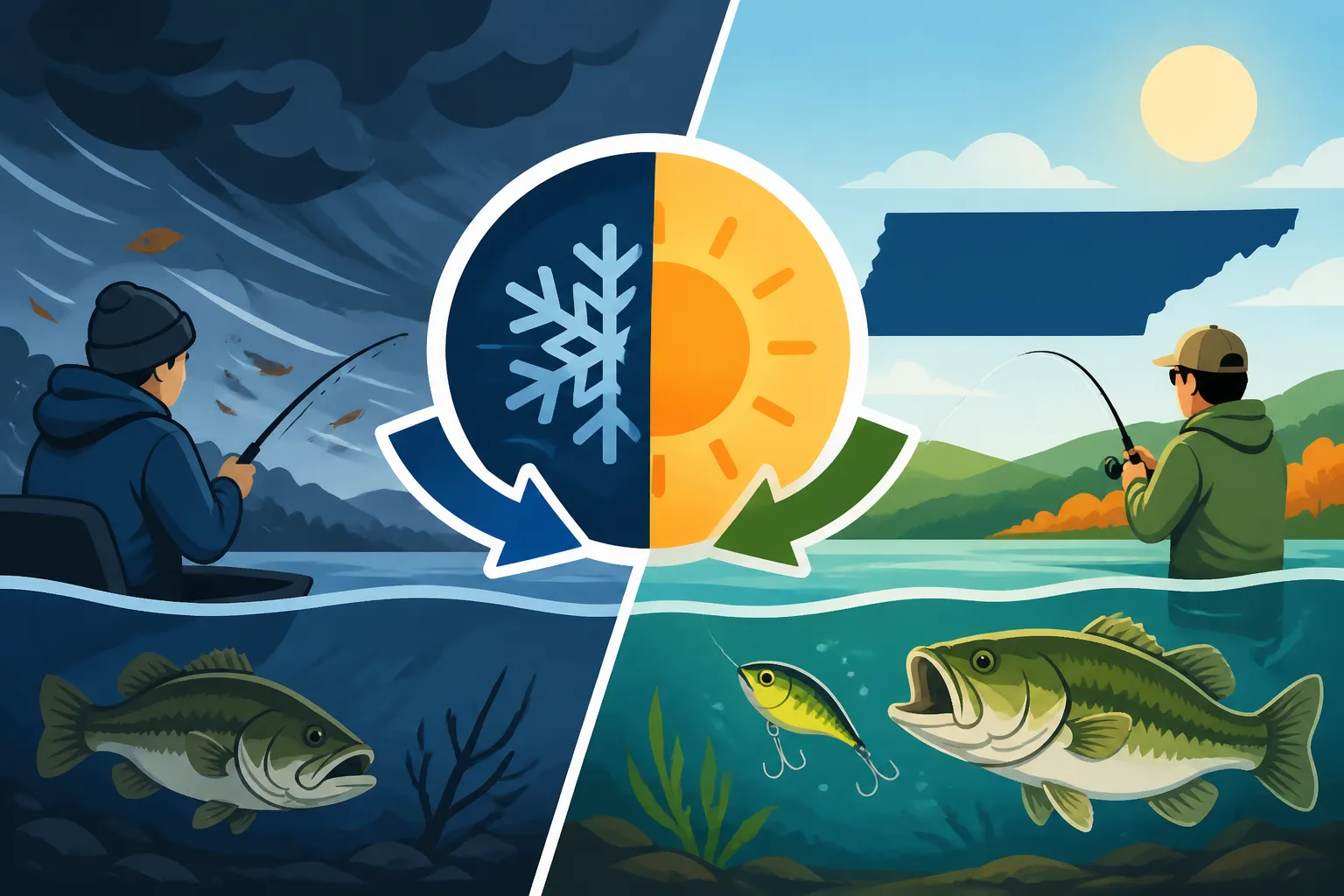
A cold front isn't just a drop in air temperature; it's a complete atmospheric upheaval that sends shockwaves through the aquatic environment. Fish, being cold-blooded creatures, are incredibly sensitive to these changes, and their behavior shifts dramatically as a result. Knowing why they react the way they do is the first step in adapting your approach.
Sudden Temperature Drops and Fish Metabolism
When a cold front pushes through, it often brings with it clear skies and gusty winds, especially in the days immediately following. This combination can lead to a rapid cooling of the surface water. While deeper sections of large reservoirs like Watts Bar Lake, Tennessee's Largest Lake for Fishing might resist drastic changes, shallow areas, coves, and smaller streams can see significant temperature drops in a very short amount of time.
This sudden chilling effect directly impacts a fish's metabolism. Their bodies slow down, much like a person getting sluggish on a very cold day. They become less active, require less food, and are generally less inclined to expend energy chasing after a meal. What might have been an irresistible, fast-moving lure yesterday becomes an annoyance or simply goes unnoticed today because the fish just aren't in a feeding mood. They're more focused on conserving energy and finding comfort.
For species like bass, this can mean a significant reduction in aggressive strikes. Crappie might suspend in tighter schools, almost "hunkering down." Even trout in colder streams, while naturally more tolerant of cool water, can become more selective and lethargic when faced with a sharp dip in temperature, making them less willing to move far for a meal. Understanding How Water Temperature Affects Fish Activity is crucial here.
Barometric Pressure Shifts and Fish Behavior
Beyond temperature, cold fronts are also characterized by significant changes in barometric pressure. Before a front, the pressure often falls, sometimes quite dramatically. During and after the front, the pressure rises rapidly and usually stabilizes at a higher point, often accompanied by those clear, blue skies we associate with post-front conditions.
Fish have an internal organ called a swim bladder that helps them maintain buoyancy. This organ is highly sensitive to changes in barometric pressure. When pressure drops, their swim bladders expand, and when it rises, they contract. Imagine feeling like your ears are constantly popping; that's a mild comparison to what fish might experience. This discomfort can cause fish to seek deeper water where the pressure is more stable, or they might simply become inactive, trying to equalize their internal pressure.
The high, stable pressure after the front often means fish are hugging the bottom or suspended in deeper water, looking for relief. They become tighter-lipped and less willing to roam, preferring to stay put in areas where they feel less pressure or are more comfortable. This is a key reason why your usual shallow-water tactics might suddenly fail.
Water Clarity and Forage Availability Changes
Strong winds accompanying a cold front can also stir up shallow water, leading to reduced clarity. While some fish, like catfish, might not mind murky water, sight-feeding predators such as bass and crappie rely on clear water to hunt. If the water becomes turbid, their ability to see and ambush prey is severely hampered, further dampening their feeding enthusiasm.
Furthermore, the same environmental changes that affect predator fish also impact their forage. Baitfish might move to deeper, more stable water, or become less active themselves. If the baitfish aren't moving around, the larger game fish have even less incentive to actively hunt. They know that expending energy on a hunt with low success rates isn't efficient when their metabolism is already slowing down.
This chain reaction means that not only are the target species less active and harder to tempt, but their food sources are also less active and harder to find. It’s a double whammy for anglers.
Strategic Adjustments for Post-Cold Front Fishing
Successfully fishing after a cold front isn't about giving up; it's about radically changing your approach. Forget what worked yesterday, because today requires a completely different strategy. These adjustments focus on where fish are, how they're behaving, and what they're willing to eat.
Locating Relocated Fish
The first and most critical adjustment is finding where the fish have moved. They're not gone, just displaced. The general rule of thumb is that fish will move deeper and often relate to some form of cover or structure that offers comfort and stability.
Start by targeting channels, ledges, creek beds, and major drop-offs, especially those that provide a quick transition from shallow to deep water. These areas allow fish to move up and down in the water column easily, adjusting to their comfort zone. On a lake like Center Hill Lake Fishing Guide, steep bluffs and submerged timber along old creek channels can be prime locations. Look for brush piles, submerged timber, and rock piles in these deeper zones. These features offer fish a place to hide, rest, and ambush any unsuspecting forage that might also be seeking shelter. Don't overlook boat docks or bridge pilings that extend into deeper water, as they can also provide crucial vertical cover.
Using your electronics is absolutely critical here. A good fish finder can help you locate these deeper structures and, more importantly, mark schools of baitfish or game fish holding tight to them. Investing in quality electronics, perhaps from a reputable retailer like Amazon, can make a huge difference in finding these elusive fish.
Slowing Down Your Presentation
Once you've located potential holding areas, the next step is to drastically slow down your presentation. Aggressive, fast retrieves that might have triggered strikes before the front will likely be ignored now. Fish are lethargic and won't chase. You need to put the bait right in front of them and give them plenty of time to decide if they want to eat it.
This means favoring baits that can be worked slowly and deliberately. Jigs, especially finesse jigs or football head jigs for bass, are excellent choices. Soft plastics, such as shaky head worms, drop-shot rigs, or slowly retrieved Carolina rigs, allow you to crawl your bait along the bottom, mimicking an easy meal. For crappie, tiny jigs or live minnows suspended under a bobber with a very slow drift can be incredibly effective. Remember, the goal is to entice a reluctant bite, not to trigger a chase reflex.
Think of it like this: if you were incredibly tired and cold, would you want to sprint for your dinner, or would you prefer it gently placed right in front of you? Fish are no different after a cold front. Often, the slower you think you're fishing, the faster you still need to go. Patience is definitely a virtue in these conditions.
Downsizing Baits and Line
Another key adjustment is to downsize both your baits and your line. When fish are less aggressive, they are often less willing to commit to a large meal. Smaller, more subtle presentations can be much more appealing and less intimidating.
For bass, instead of a bulky jig, opt for a smaller finesse jig or a shaky head with a compact worm. For crappie, drop from a 2-inch jig to a 1-inch or even smaller micro-jig. Even for trout, smaller nymphs or tiny inline spinners will often outproduce larger offerings. A general rule for Best Lures to Use After a Cold Front often involves a more subtle approach.
Coupled with smaller baits, lighter line is essential. Fish are more wary in the clearer water that often accompanies post-front conditions, and heavy, visible line can easily spook them. Lighter line, particularly fluorocarbon, which is nearly invisible underwater and offers excellent sensitivity, can make a significant difference. It also allows for a more natural presentation of your downsized baits. This combination gives the fish less to be suspicious about and provides you with the sensitivity needed to detect those incredibly subtle bites.
Species-Specific Tactics for Tennessee Anglers
While the general principles of slowing down and going deeper apply across the board, fine-tuning your approach for specific species can dramatically increase your success rate. Tennessee is home to a fantastic array of sport fish, and each requires a slightly different post-front strategy.
Post-Front Bass Fishing
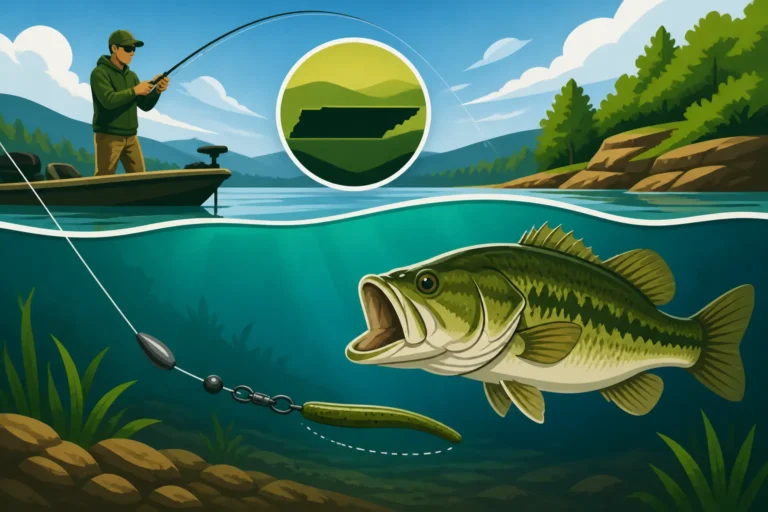
For largemouth, smallmouth, and spotted bass, cold front conditions can be particularly challenging. Their metabolism slows considerably, and they tend to hug structure tightly. Your best bet for Tennessee Bass Fishing Seasons and Patterns often means abandoning the shallow water.
Focus your efforts on deep points, channel swings, and ledges, especially those with brush piles, rock formations, or standing timber. Bass will often suspend in these areas or be right on the bottom. Techniques like a slow-rolled spinnerbait (if you suspect they're slightly active), a shaky head worm crawled excruciatingly slowly, or a finesse jig are excellent choices. A drop shot rig can also be deadly, allowing you to present a small, soft plastic right in their face while keeping it suspended at a specific depth. Remember, subtle twitches are often more effective than aggressive jerks. On lakes known for their bass, like Chickamauga Lake, Tennessee's Top Bass Fishing Destination, these deep transitions are key. How Water Temperature Affects Bass Feeding drastically changes their willingness to chase.
Crappie After a Cold Snap
Crappie can be notorious for shutting down after a cold front, often suspending in tight schools in deeper water. They become finicky and require a precise presentation. You might find them in main lake creek channels, deep brush piles, or around deep dock pilings on reservoirs like Old Hickory Lake Fishing Spots.
Vertical jigging is often the most effective technique. Use tiny jigs, usually 1/32 to 1/16 ounce, tipped with a small plastic grub or, even better, a live minnow. Drop it directly into the school you've marked on your fish finder. Another effective method is spider rigging, where you use multiple rods out of the front of your boat, slowly trolling small jigs and minnows at precise depths. The key is to match the depth where the crappie are holding exactly and keep your bait as still as possible. Remember the Crappie Limits Under Tennessee Fishing Rules and make sure you're compliant. For more detailed jigging tactics, check out How to Jig for Crappie.
Trout in Cold Front Conditions
While trout are cold-water species, a sudden drop in temperature or significant barometric pressure changes can still make them less active and more selective. In Tennessee's trout streams, like those in the Trout Fishing in the Great Smoky Mountains, Tennessee, they might move into deeper pools, current breaks, or under undercut banks where the water flow is slower and the temperature more stable.
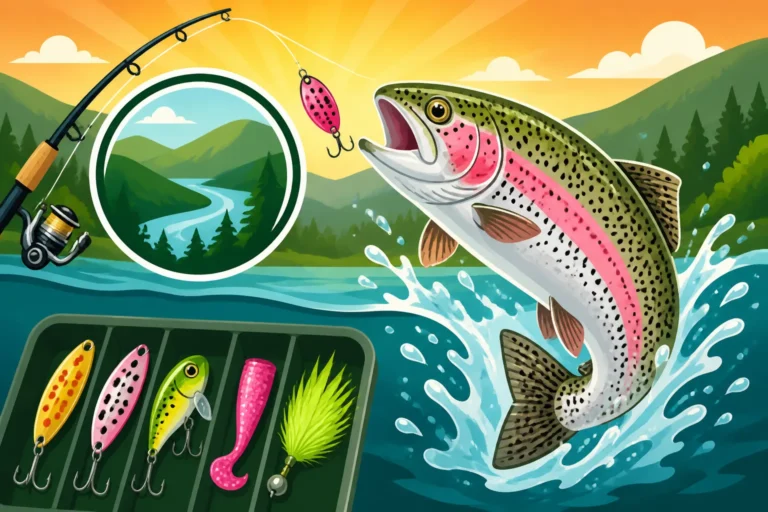
For techniques, nymphing with small, subtle patterns can be very productive. Dead drifting nymphs close to the bottom, where trout are often holding, can entice a bite. Small inline spinners, retrieved very slowly, can also work. Bait fishing with PowerBait, corn, or worms fished on the bottom can also be effective, as it presents an easy, stationary meal. Pay close attention to Tennessee Trout Limits and Season Rules as they can vary. Learning How Cold Water Changes Trout Fishing in Tennessee's Smoky Mountains will give you an edge.
Gear and Mindset for Success
Facing the challenges of a cold front requires more than just technique adjustments; it also demands the right gear and, perhaps most importantly, the right mindset. Fishing these conditions can test your patience, but with the proper preparation, you can turn a potentially frustrating day into a rewarding one.
Essential Gear Adaptations
Your gear can play a pivotal role in detecting those subtle post-front bites. A highly sensitive rod, typically made of graphite, is paramount. This allows you to feel the slightest tap or the weight of a fish picking up a bait. Pair it with a high-quality spinning reel for smooth line retrieval and minimal resistance. When looking for Best Rods and Reels for Tennessee Fishing, prioritize sensitivity.
As mentioned before, fluorocarbon line is your friend. Its low visibility and excellent sensitivity make it ideal for cold front conditions. Beyond your rod, reel, and line, a portable fish finder can be an absolute game-changer. These devices, easily found on Amazon, help you locate those deeper structures and schools of fish that have relocated. Many models are available that offer fantastic clarity and depth reading, crucial for these specific situations.
Finally, don't forget your own comfort. Cold fronts mean colder weather, so layer your clothing, wear waterproof outer shells, and bring warm gloves and hats. Being cold and uncomfortable will only hasten your frustration and lead you to quit early.
Patience and Persistence
Let's be real: fishing after a cold front is rarely a "hot bite." You're not going to be reeling in fish every five minutes. This is where patience becomes your most valuable asset. Bites will be subtle, far fewer, and often feel like nothing more than a slight "tick" or added weight on your line. You might make dozens of casts for one bite, and that's okay.
Instead of getting discouraged, view each cast as an opportunity to learn. Vary your retrieve speed even further, try slightly different depths, or experiment with subtle color changes. The fish are there; they're just not aggressive. It's up to you to present something so enticing and effortless that they can't refuse it, even in their lethargic state. Long pauses, incredibly slow retrieves, and repeated presentations in likely areas are the name of the game.
Learning from Each Trip
Every fishing trip, especially after a cold front, is a learning experience. Don't let a tough day on the water discourage you. Instead, keep a detailed log. Note the exact conditions: air temperature, water temperature, wind direction, barometric pressure trends, and most importantly, what techniques you tried, where you tried them, and what, if anything, worked.
Over time, you'll start to see patterns emerge for your specific local waters. What works on Percy Priest Lake Fishing Near Nashville, Tennessee might be slightly different than on Kentucky Lake Fishing on the Tennessee Side. By documenting your experiences, you're building a personal knowledge base that will make you a much more adaptable and successful angler in the long run. Embrace the challenge, enjoy the beauty of Tennessee's outdoors, and celebrate every single bite you manage to coax from the fish on these difficult days. It's a true mark of a skilled angler to succeed when conditions are against them.
Disclaimer
This article is for general informational purposes only and does not constitute professional advice. Laws, prices and regulations vary by location and change over time. Consult a qualified professional for guidance on your specific situation.