How to Find Crappie in Summer
Ah, summer fishing in Tennessee. There’s nothing quite like it – long days, warm breezes, and the promise of a big catch. But let's be honest, for many of us, when the temperatures really start to climb, finding those elusive crappie can feel like trying to find a needle in a haystack. They seem to just vanish from their spring haunts, leaving us scratching our heads and wondering where on earth they've gone. This guide is dedicated to solving that very frustration, helping you understand crappie behavior in the heat, pinpoint their summer hideouts, and arm you with the techniques to bring them to the net.
Understanding Summer Crappie Behavior in Tennessee Waters
When the mercury rises and Tennessee's lakes and rivers warm up, crappie don't just disappear; they simply change their routine and relocate. It's a fundamental shift driven by their biological needs, and understanding this is the first step to consistent summer success. Forget those shallow bays and brush piles of spring; summer crappie are playing a different game entirely.
The Impact of Rising Water Temperatures
As the sun bakes down, especially during those scorching July and August days, the surface waters of our Tennessee lakes can become uncomfortably warm for crappie. Just like us, they seek out cooler, more stable environments. This isn't just about comfort; it's about survival. Warmer water holds less dissolved oxygen, which is crucial for fish. So, to conserve energy and find more oxygen, crappie head for deeper, cooler sections of the lake. They're trying to find that sweet spot where the temperature is just right and the oxygen levels are sufficient. This is a critical aspect of How Water Temperature Affects Fish Activity. It's why those prime spots you fished in April might be completely barren in August.
Moreover, the metabolism of fish speeds up in warmer water, meaning they might need to feed more often, but they'll do it more strategically. You won't find them expending unnecessary energy chasing bait in the scorching midday sun. Instead, they become more deliberate, preferring to ambush prey from the comfort of their cooler, deeper homes. This change in behavior is predictable, which is great news for anglers who know how to adapt.
Crappie's Deep-Water Retreats
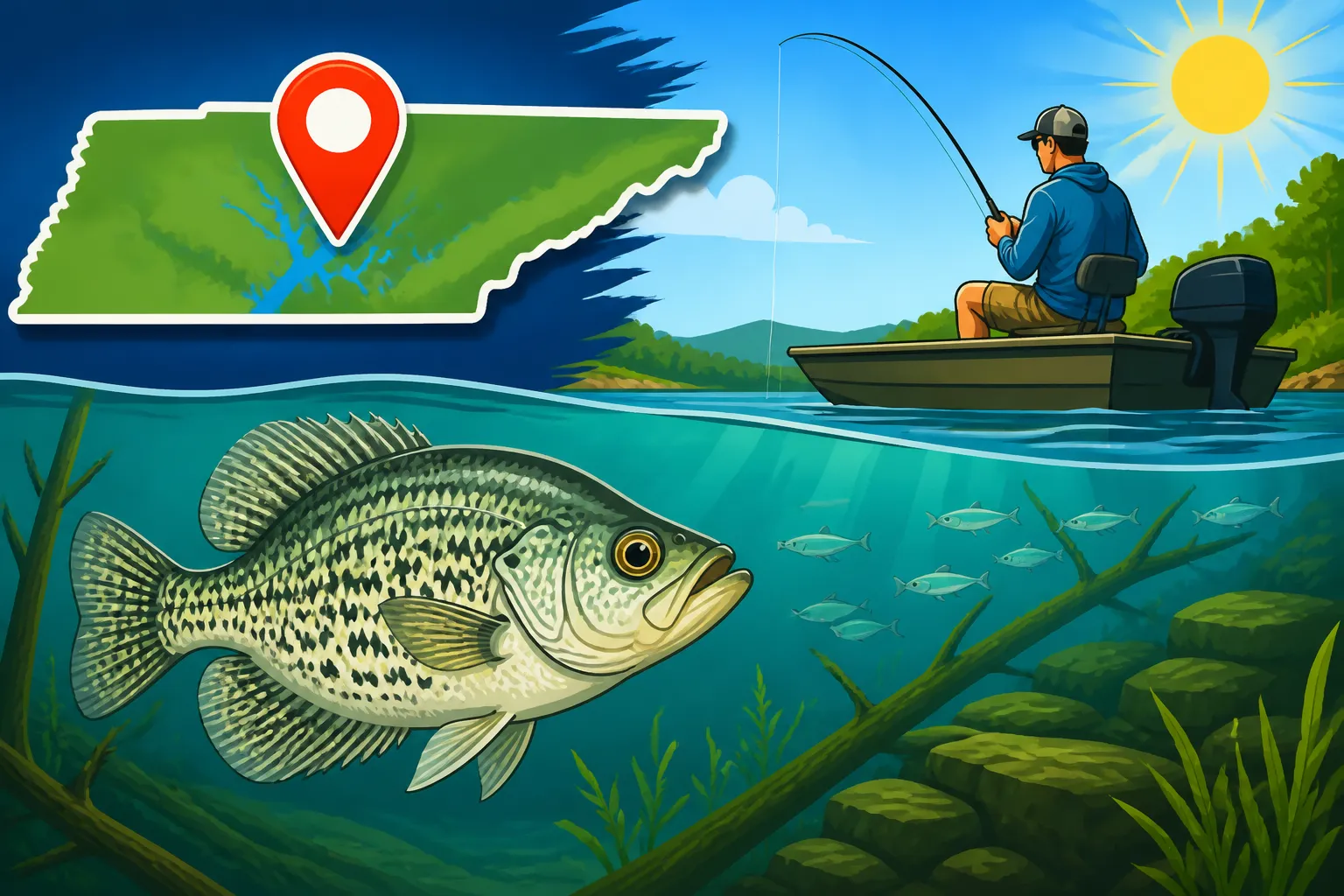
So, if they're not in the shallows, where exactly do they go? Think deep, dark, and structured. Crappie move away from the shoreline and migrate to deeper main lake basins, river channels, and the deepest parts of major creek arms. They aren't just swimming aimlessly in the middle of the lake; they’re relating to specific deep-water structures. This could be submerged creek beds, old timber lines, rock piles, ledges, humps, or even man-made brush piles that have been sunk in deeper water. These structures provide cover, a sense of security, and often act as ambush points for baitfish.
Imagine a large reservoir like Kentucky Lake or Watts Bar Lake. When summer arrives, crappie in these vast waters will often suspend over or near the main river channel, sometimes 15 to 30 feet deep, or even deeper, depending on the thermocline. They'll hug the edges of these channels, using the change in depth as a highway and a hideout. These deep-water retreats are crucial because they offer the stable conditions crappie crave, providing a consistent food source in the form of baitfish that also move to these areas. Knowing this helps you narrow down thousands of acres of water to more manageable, high-potential areas.
Nocturnal Feeding Habits
Another significant shift in summer crappie behavior is their feeding schedule. While they might still bite sporadically during the day, particularly on cloudy days or during low-light periods, their most active feeding often occurs at dawn, dusk, and even throughout the night. The surface temperatures cool slightly as the sun sets, and baitfish often become more active and move shallower during these times. This provides a safer, more comfortable feeding window for crappie.
Many experienced Tennessee anglers know that summer night fishing for crappie can be incredibly productive. Just like with Night Fishing Techniques for Catfish, using submersible lights can draw in zooplankton, which attracts baitfish, and in turn, brings crappie right to your boat or dock. These low-light periods offer crappie a tactical advantage, as they can hunt more effectively without the glaring sun overhead. If you're struggling to find them during the day, don't pack it in; consider shifting your fishing hours to the cooler, darker parts of the day.
Locating Crappie on Tennessee's Reservoirs and Lakes
Finding summer crappie requires a systematic approach and, ideally, some good electronics. It's less about guessing and more about methodical searching and understanding the underwater topography of Tennessee's diverse fishing spots.
Targeting Deep Structure and Cover
Once crappie move deep, they will associate with some form of structure or cover. This is where your boat's electronics really shine. A quality fish finder, especially one with side-imaging or down-imaging capabilities, becomes your best friend. Look for:
- Submerged Timber and Brush Piles: Many anglers, including the Tennessee Wildlife Resources Agency (TWRA), sink brush piles to create habitat. Crappie love these vertical structures, using them for cover and ambush points. They might be nestled right inside the brush or suspended just above it. You'll often see these as dense, irregular blobs on your sonar screen.
- River and Creek Channel Ledges: These are underwater highways. Crappie will often position themselves along the drop-off where the main lake bottom meets the channel edge. This allows them to dart out and ambush baitfish moving along the channel. Focus on points that jut out into the channel or bends in the channel.
- Humps and Ridges: These are elevated areas on the lake bed that don't reach the surface. Crappie will school on top or along the sides of these humps, especially if they have some sort of cover like rock or sparse timber.
- Bridge Pilings and Marina Docks: In deeper sections, the pilings of bridges or the deep-water structures of marinas can offer both vertical cover and shade, attracting crappie. This is particularly true if there's significant depth nearby.
Think of it like this: if you were a crappie trying to escape the heat and find food, where would you hide? It's usually somewhere deep, dark, and with good access to a food source. For vast waters like those found in Best Crappie Fishing Lakes in Tennessee, finding these specific features can be the difference between a frustrating day and a successful one. Don't be afraid to motor around, slowly scanning with your electronics until you mark fish or promising structure.
Exploiting Thermoclines
The thermocline is a layer of water where the temperature changes rapidly with depth. In summer, most lakes stratify, forming distinct layers: a warm surface layer (epilimnion), a middle layer with rapidly changing temperatures (thermocline), and a cold, deep layer (hypolimnion). For crappie, the thermocline is often the goldilocks zone – cool enough, but still with sufficient oxygen and baitfish activity.
Crappie will frequently suspend right at or just above the thermocline. If your fish finder has a temperature gauge or can display the water column clearly, you might be able to identify this layer. It typically shows up as a hazy or "soft" line on your sonar screen. You might find schools of baitfish, and consequently crappie, congregated at this depth. Fishing just above or within the upper part of the thermocline can be incredibly productive, as you're targeting the most comfortable and productive zone for the fish. This is a critical piece of the puzzle when you're trying to figure out Dawn and Dusk Fishing Patterns for Crappie and what depths they are favoring.
Exploring River Channels and Ledges
Tennessee is blessed with incredible river systems and their associated reservoirs, and these deep river channels are absolute magnets for summer crappie. On lakes formed from major rivers like the Tennessee River or Cumberland River, the old river channel offers both depth and a natural current flow that can concentrate baitfish and, therefore, crappie.
These channels often have distinct ledges or bends where the river made a turn. Crappie will position themselves on the deeper side of these ledges, waiting for bait to pass by. In big bodies of water like Chickamauga Lake or Watts Bar, knowing the old river channel's path and looking for breaks, humps, or brush along its edges can dramatically increase your success. Spend time idling over these areas with your electronics, searching for schools of crappie or dense baitfish. Mark these spots with GPS waypoints, as crappie often return to the same deep-water haunts year after year.
Effective Techniques and Gear for Summer Crappie
Once you've located those deep-water crappie, the next challenge is presenting your bait effectively. Summer crappie, especially when they're deeper, often require a more precise approach than their spring counterparts.
Vertical Jigging and Drop Shot Rigs
When crappie are tightly schooled or holding directly on deep structure, vertical jigging is incredibly effective. This involves positioning your boat directly over the fish you're marking on your electronics and dropping your lure straight down.
- Vertical Jigging: Use small jigs, typically 1/16 to 1/8 ounce, tipped with a small plastic grub or a live minnow. The key is to get your bait right into the strike zone. Watch your sonar constantly; if you see fish at 25 feet, drop your jig to 25 feet. A slow, subtle lift-and-drop motion is often all it takes to entice a bite. Experiment with different colors and sizes. This technique is a variation of Crappie Jigging Techniques Explained, adapted for deeper water.
- Drop Shot Rigs: This rig is excellent for keeping your bait at a precise depth above the bottom or above a brush pile, without the weight interfering with the lure's action. Tie your hook directly to your main line, leaving a tag end of 6-12 inches, to which you attach a sinker. Your bait (a minnow or small plastic) will hover enticingly off the bottom or above the cover, presenting a natural target. This is particularly useful when fish are finicky or suspended slightly above the structure.
A sensitive rod is crucial for detecting subtle bites when vertical jigging or using a drop shot. Consider a lightweight spinning rod with a fast action, paired with a small reel spooled with 4-6 lb test fluorocarbon or braided line.
Slow Trolling for Suspended Crappie
When crappie are scattered or suspended over a wider area, slow trolling (often called "spider rigging" in Tennessee) is an incredibly efficient way to cover water and find active fish. This technique involves using multiple long rods (often 8-16 feet) extended from the bow or sides of your boat, presenting several baits at different depths simultaneously.
- Spider Rigging: You can run jigs, minnows, or a combination of both. Attach small weights (1/4 to 1/2 ounce) a foot or two above your bait to ensure it gets to the desired depth. Troll slowly, usually less than 1 mph, using your trolling motor. The subtle movement of the boat imparts action to your baits. This technique is perfectly suited for finding those elusive schools suspended in the main lake basin or along channel edges. For more detailed insights, check out How to Spider Rig for Crappie.
- Trolling with Crankbaits: While less common for crappie, very small crankbaits can be effective for trolling, especially when targeting larger crappie or when they are actively chasing baitfish. These baits dive to specific depths, allowing you to target different parts of the water column. This can be especially good on windy days when fish are more active and predatory.
Patience and monitoring your electronics are key. Adjust your depth, speed, and bait choices until you start getting bites. A good set of rod holders is invaluable for managing multiple lines, and you can find many options on Amazon for convenient setup.
Essential Gear for Deep-Water Tactics
Having the right equipment can make a significant difference when targeting summer crappie that are holding deep.
| Gear Item | Purpose | Key Features |
|---|---|---|
| Fish Finder | Locating fish, bait, and underwater structure/thermocline. | High-resolution screen, CHIRP sonar, Down/Side Imaging, GPS mapping. |
| Long Rods (8-16ft) | Spider rigging and covering wide areas with multiple baits. | Lightweight, sensitive tip, durable blanks, comfortable handle. |
| Sensitive Spinning Rods | Vertical jigging and drop shot for subtle bites. | Fast action, light power, good backbone, ergonomic reel seat. |
| Small Spinning Reels | Light line management, smooth drag for fighting crappie. | Lightweight, smooth retrieve, good line capacity for 4-6lb line. |
| Light Line (4-6lb) | Increased sensitivity, less drag in water, stealthier presentation. | Fluorocarbon or braided line with fluorocarbon leader. |
| Assorted Jigs | Mimicking baitfish, offering various colors and sizes. | 1/16 to 1/8 oz, various colors (chartreuse, white, black/chartreuse, pink). |
| Live Minnows | Natural bait, often irresistible to crappie. | Fresh, lively minnows are always best. |
| Submersible Lights | Attracting baitfish and crappie for night fishing. | LED options, varying brightness, often found on Amazon for convenience. |
| Rod Holders | Managing multiple rods for spider rigging or trolling. | Adjustable, sturdy mounts, compatible with your boat setup. |
For a comprehensive setup, ensure your Tackle Box Setup for Crappie Fishing includes a variety of jig heads and soft plastics to adapt to different water clarities and crappie preferences. Brands like Bobby Garland, Strike King, and Mr. Crappie offer excellent options for jigs and soft plastics, many of which are readily available on Amazon with quick shipping for your next trip. Don't forget a good pair of polarized sunglasses to cut through the glare and spot any subtle line movements if you're fishing shallow at dawn or dusk.
Adapting to Specific Tennessee Waterways
Tennessee offers an incredible variety of fishing environments, from vast reservoirs to intimate ponds. Knowing how to adjust your summer crappie strategy to these different waterways is key.
Large Reservoirs Like Kentucky Lake and Chickamauga
These colossal bodies of water, such as Kentucky Lake, Chickamauga Lake, and Norris Lake, present both challenges and incredible opportunities for trophy crappie. The sheer size means crappie have vast areas to roam and depths to hide in.
- Focus on Main Lake and River Channel Features: As discussed, the main river channel and its associated ledges, humps, and deep brush piles are prime real estate. On Kentucky Lake, for example, the old Tennessee River channel offers numerous breaks and submerged timber that hold fish. On Chickamauga, similar deep structures, often near main lake points or creek mouth intersections, will concentrate crappie. Your Best Fish Finders and Electronics for Tennessee Reservoirs will be your greatest asset here.
- Target Major Creek Arm Entrances: While crappie move out of shallow creek backs, they often stage at the mouth of major creek arms where they meet the main lake. These areas can have significant depth changes, submerged timber, or even old roadbeds, providing perfect summer habitat. Many anglers find good success deep-trolling these areas. For example, knowing Where to Catch Crappie on Kentucky Lake often involves understanding these larger deep-water patterns.
- Utilize Marker Buoys and GPS: When you find a good deep-water school or brush pile, mark it precisely with a GPS waypoint. If you don't have GPS, toss out a marker buoy so you can easily return to the spot or work around it effectively. These spots can be productive for weeks or even months during the summer.
Smaller Lakes and Ponds
While smaller lakes and ponds might not have the massive river channels of the big reservoirs, crappie still follow similar principles: they go deep to find cooler water and cover.
- Look for the Deepest Sections: Even in a smaller pond, there will be a deepest point. Crappie will often congregate in these areas. It could be an old creek channel winding through the pond, a deep hole, or simply the middle of the pond if it's uniformly deep.
- Man-Made Structure: In ponds, especially those managed by TWRA or private landowners, look for sunken Christmas trees, pallet piles, or other artificial structures. These provide the vertical cover crappie need. Often these are deployed in deeper water specifically to create summer habitat.
- Farm Ponds: If you have access to private farm ponds, the crappie behavior is the same: find the deep water, especially around any submerged timber or drop-offs. These smaller waters can sometimes be less pressured, offering excellent fishing.
- Shoreline Shade and Docks: While crappie generally go deep, during low-light hours (early morning, late evening, or overcast days), they might move shallower to feed. Look for docks that extend into deeper water, especially those with lights that attract baitfish. Overhanging trees or steep banks that provide consistent shade can also hold crappie temporarily. Remember that Tennessee Fishing Regulations Explained and Crappie Limits Under Tennessee Fishing Rules still apply in these smaller public and private waters.
Whether you're on a sprawling reservoir or a quiet pond, the core principle remains: follow the depth, follow the cover, and adapt your techniques to present your bait right where those summer crappie are hiding.
Disclaimer
Fishing regulations and conditions can change. Always consult the latest Tennessee Wildlife Resources Agency (TWRA) regulations before heading out on the water. This guide provides general information and recommendations, and safety should always be your top priority while fishing.